
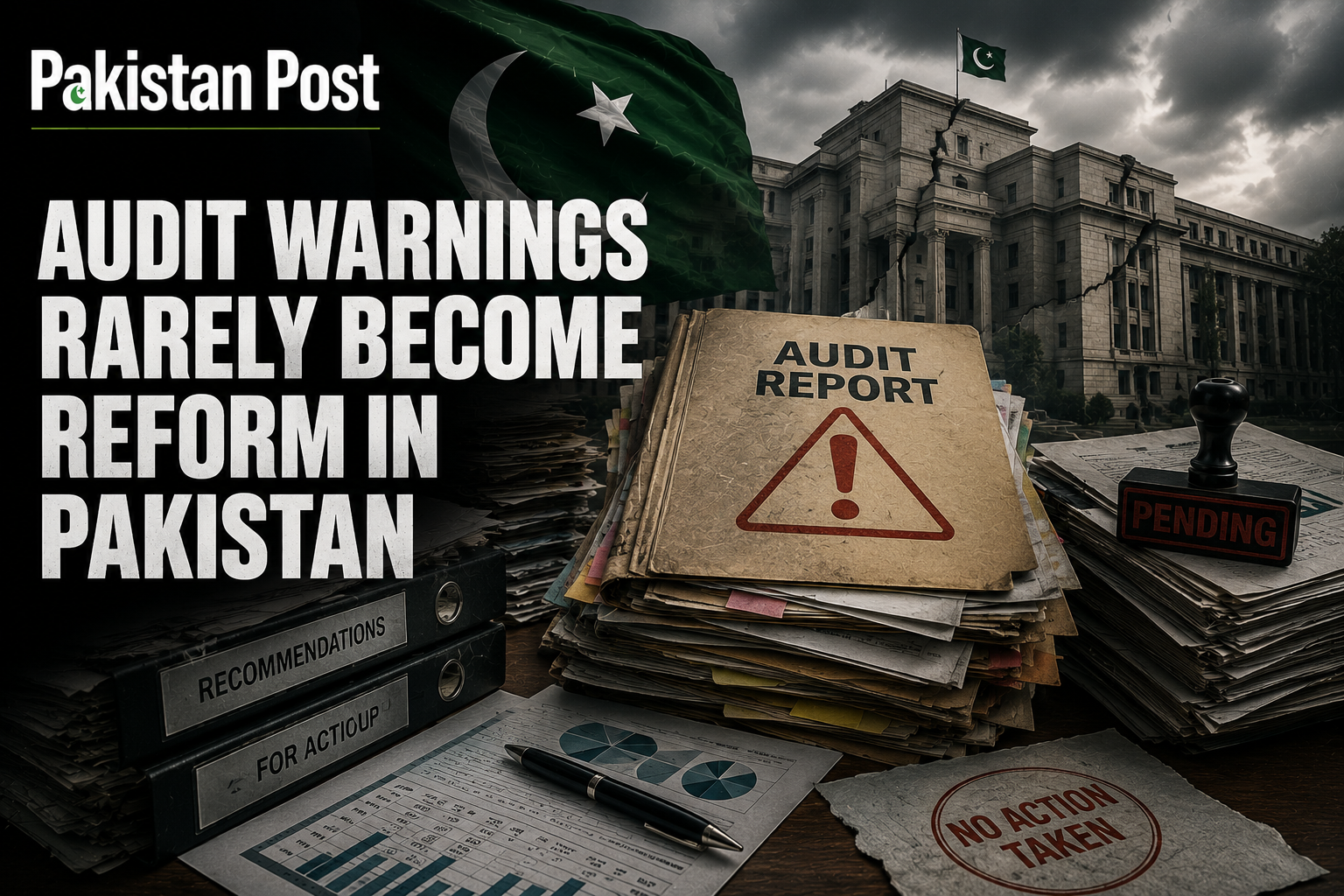
Audit Warnings Rarely Become Reform in Pakistan

Pakistan does not suffer from a shortage of warnings about public money. It has an extensive institutional machinery for discovering financial irregularities, documenting procurement weaknesses, identifying unauthorised expenditure and exposing administrative failures. The Auditor General of Pakistan continues to produce federal, provincial, sectoral,
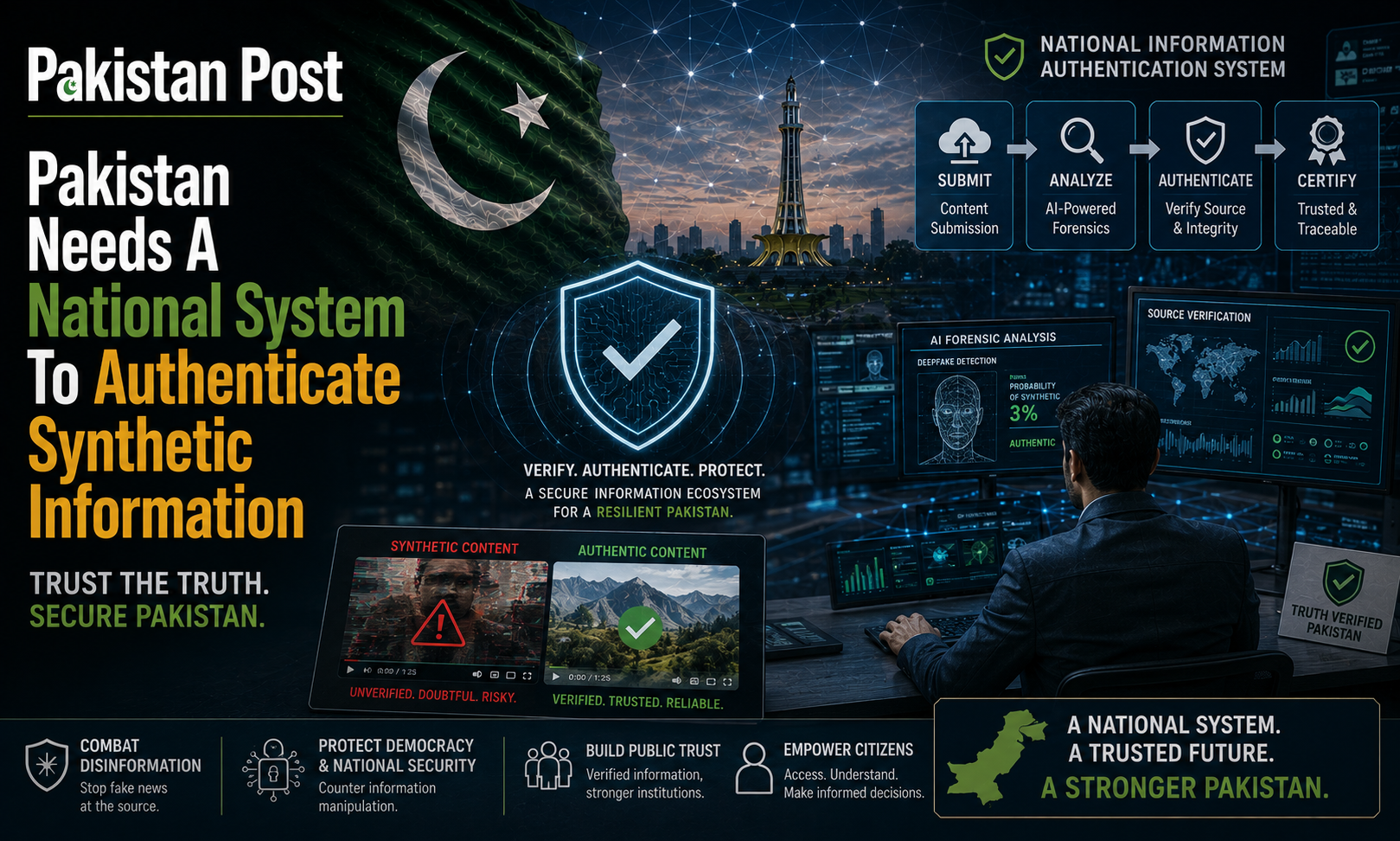
Pakistan Needs A National System To Authenticate Synthetic Information

The strategic problem posed by synthetic media is no longer whether Pakistan can distinguish an authentic recording from an artificial one. The more consequential question is whether the state, media institutions and society can establish what is credible quickly enough for verification to
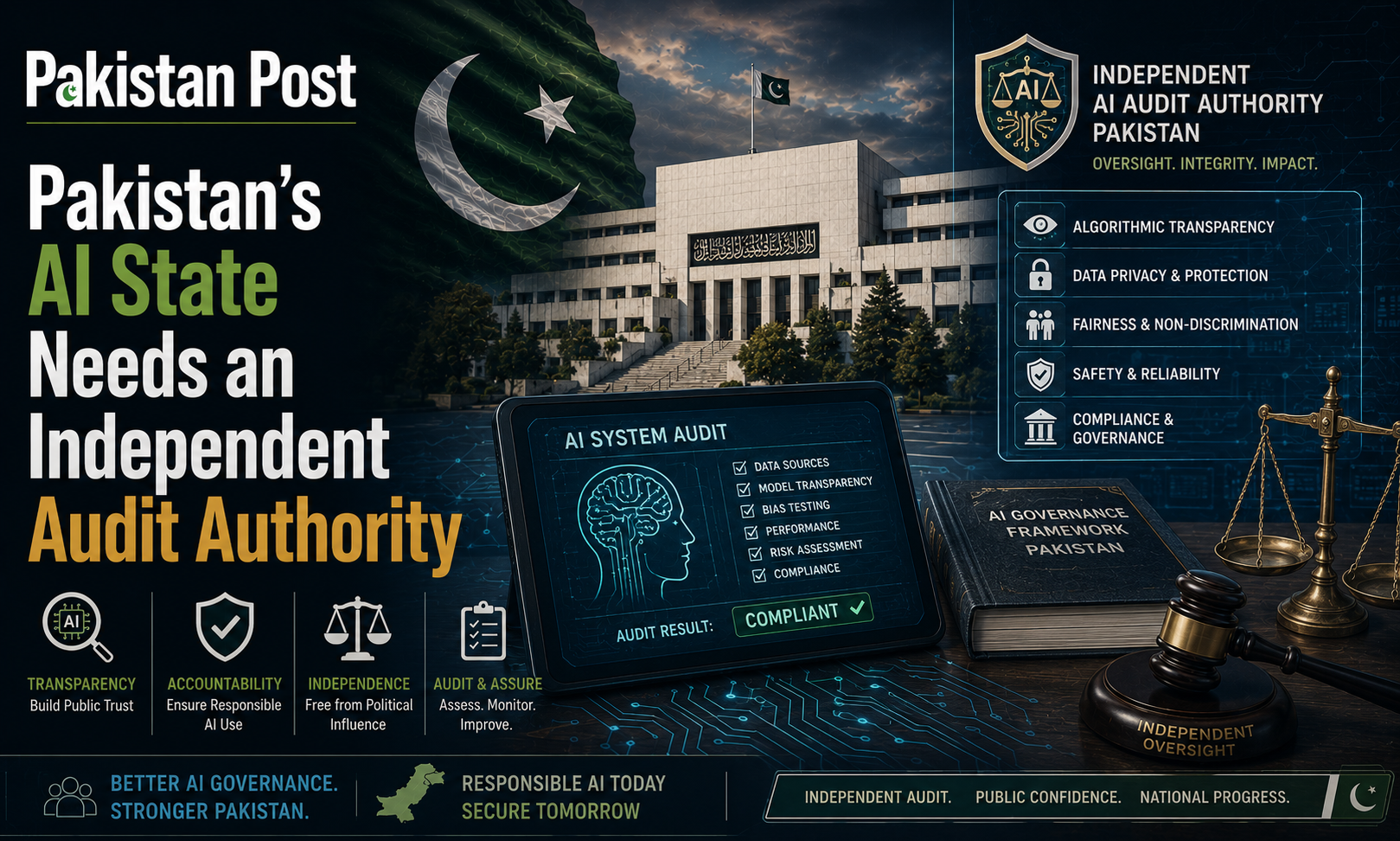
Pakistan’s AI State Needs an Independent Audit Authority
Artificial intelligence is moving from the laboratory into the machinery of the Pakistani state, and the central policy question is no longer whether government should use algorithms. It is who remains accountable when an algorithm influences a tax assessment, flags a financial transaction,
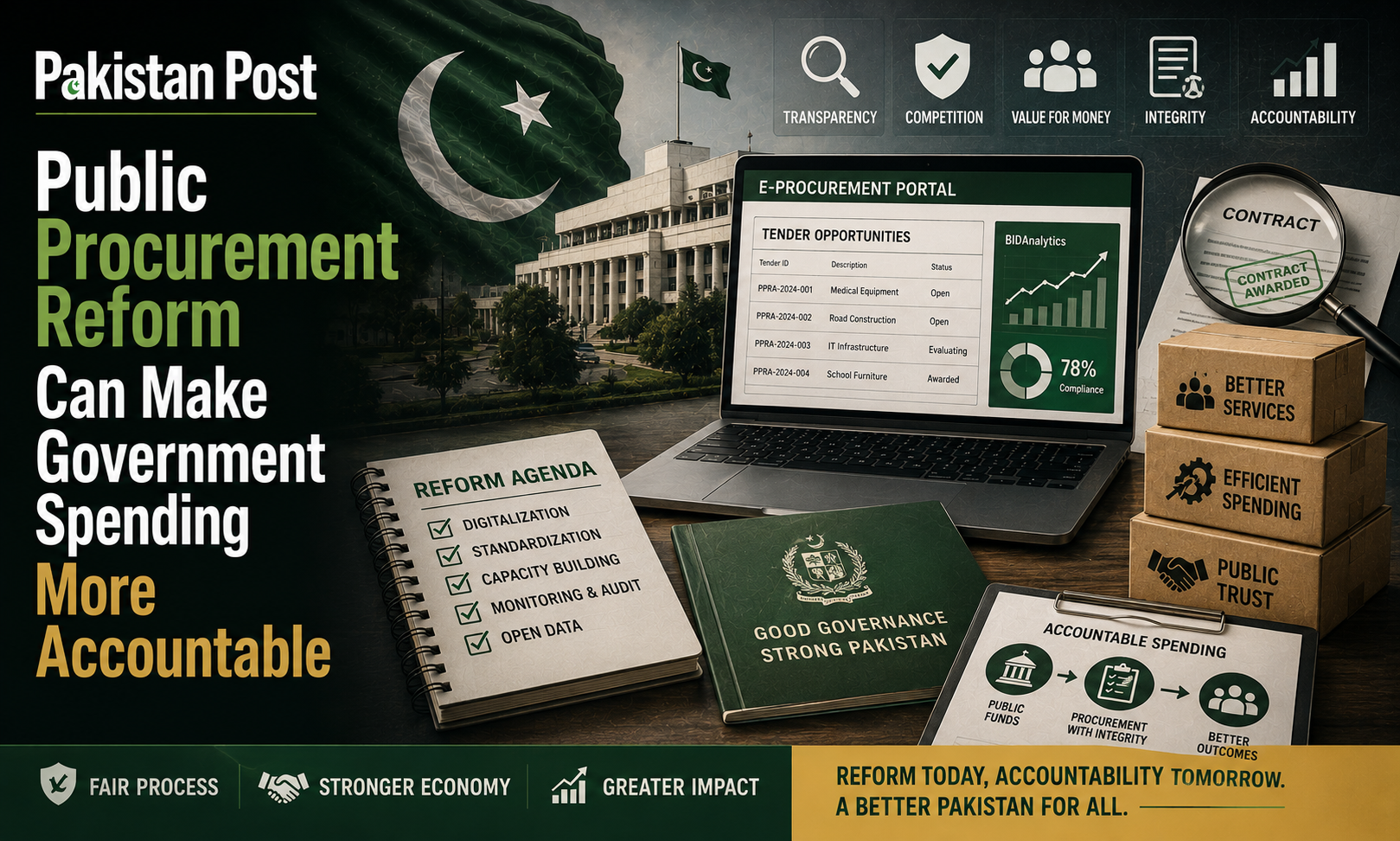
Public Procurement Reform Can Make Government Spending More Accountable

Pakistan’s public procurement system is often treated as an administrative back office, where tenders are advertised, bids are opened, contracts are awarded and files eventually move towards payment. That framing is increasingly inadequate. Procurement is one of the principal mechanisms through which the
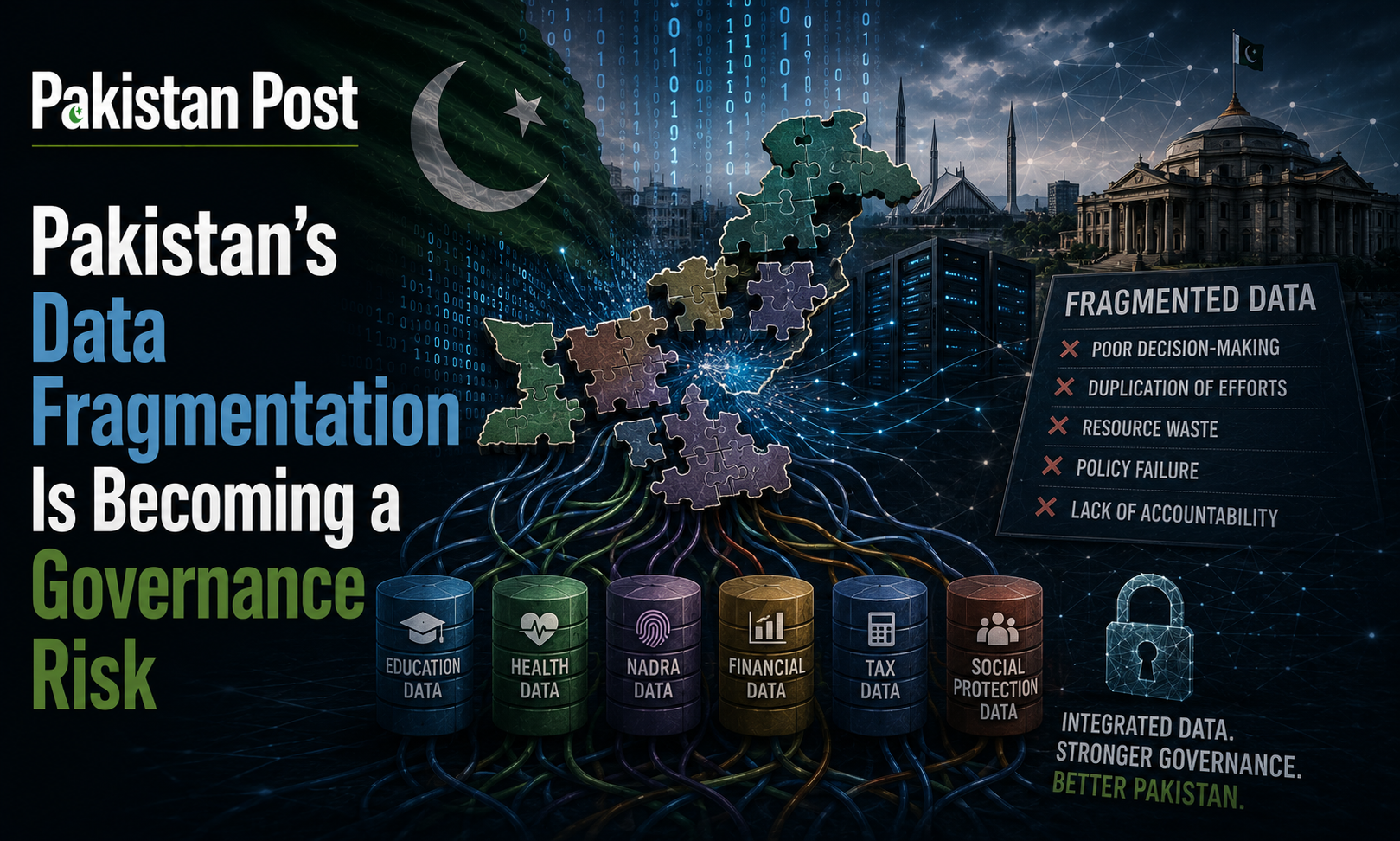
Pakistan’s Data Fragmentation Is Becoming a Governance Risk
Pakistan’s public administration is increasingly dependent on information that the state cannot reliably connect. Federal ministries maintain separate registries, provinces operate their own databases, local governments retain fragmented records, and autonomous institutions frequently develop parallel information systems to satisfy immediate administrative requirements. The
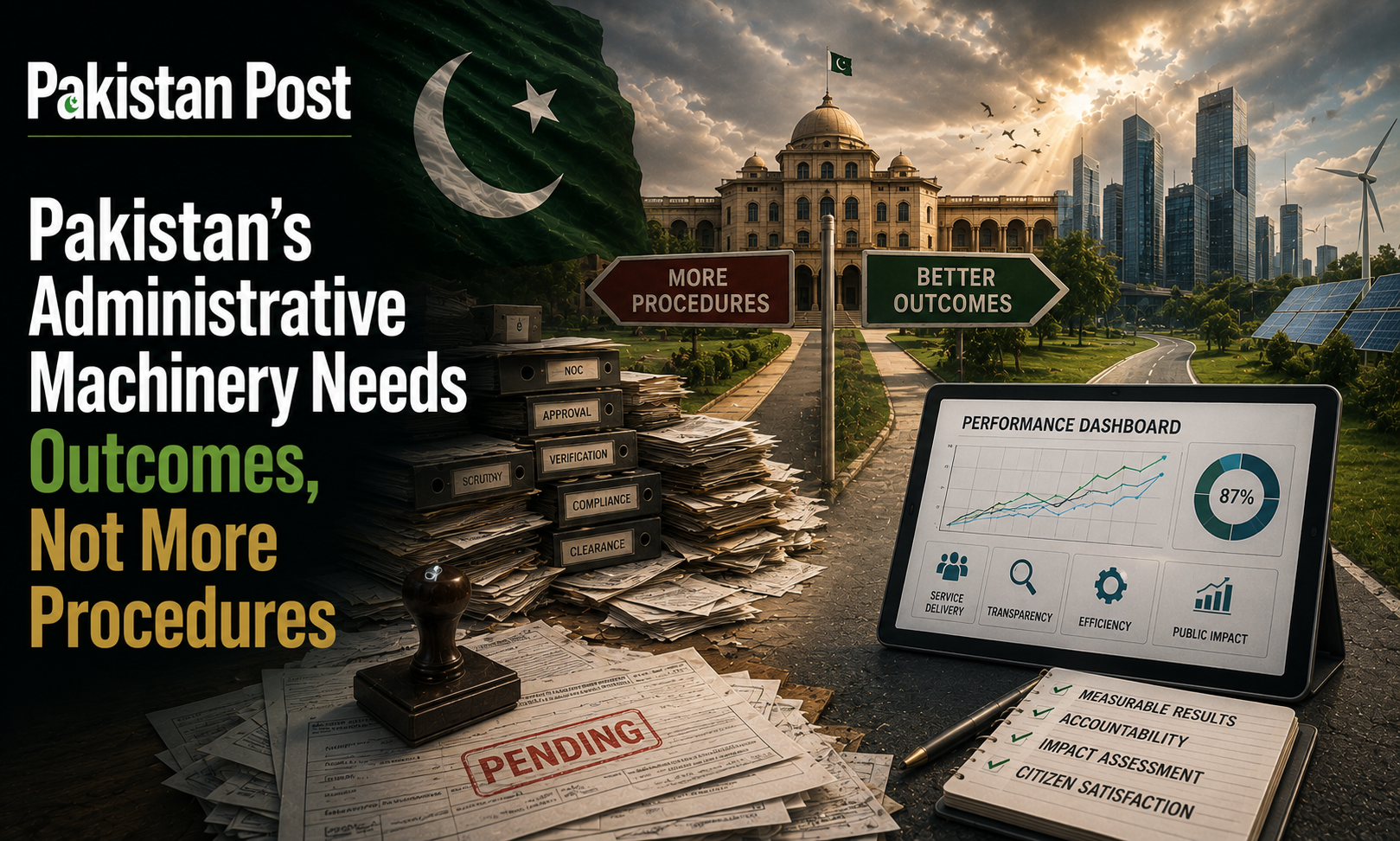
Pakistan’s Administrative Machinery Needs Outcomes, Not More Procedures

Pakistan’s administrative state has accumulated an extraordinary capacity to process paper without acquiring an equivalent capacity to demonstrate results. Files move, summaries circulate, meetings are convened, committees are constituted and approvals are recorded, yet the citizen encounters a different measure of government: whether
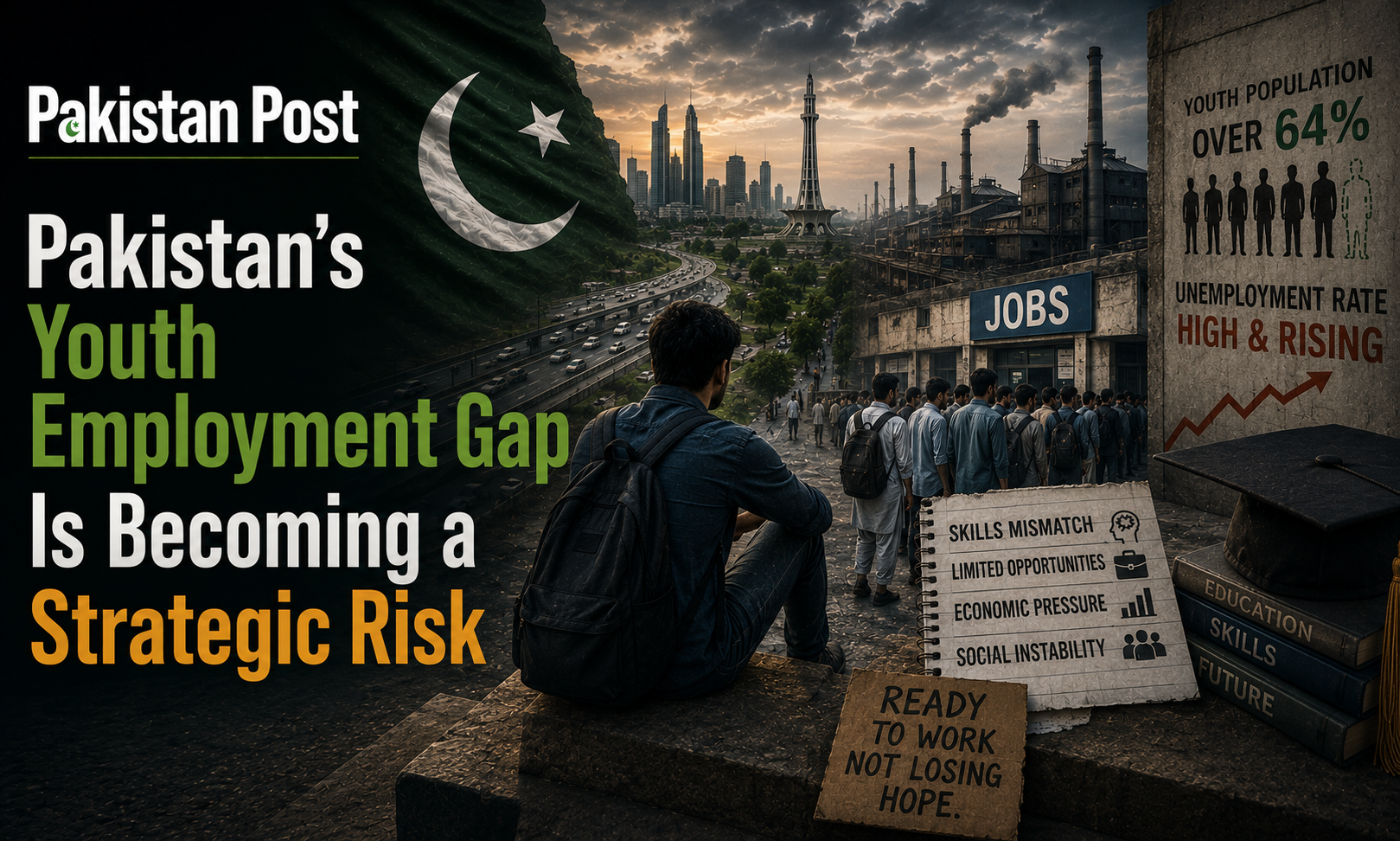
Pakistan’s Youth Employment Gap Is Becoming a Strategic Risk

Pakistan’s demographic structure is creating an economic opportunity that the labour market is not yet equipped to absorb. A large and growing working age population should, under normal circumstances, enlarge the productive base, deepen domestic demand, strengthen household incomes and expand the taxpaying
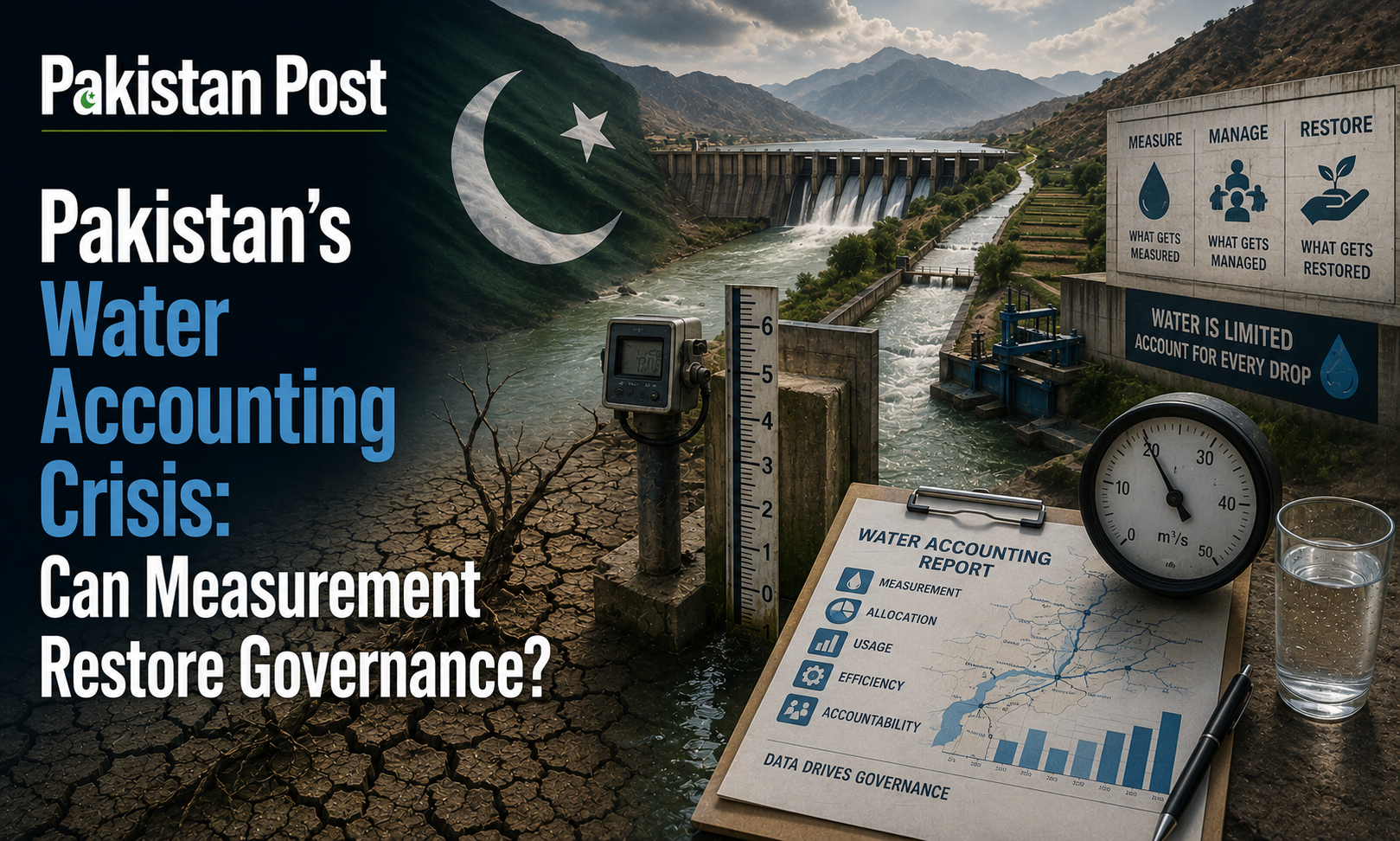
Pakistan’s Water Accounting Crisis: Can Measurement Restore Governance?

Pakistan’s water problem is increasingly described as scarcity, but scarcity is only part of the institutional story. A country cannot govern a resource reliably when it cannot establish, with sufficient precision, how much water enters its systems, where it moves, who withdraws it,
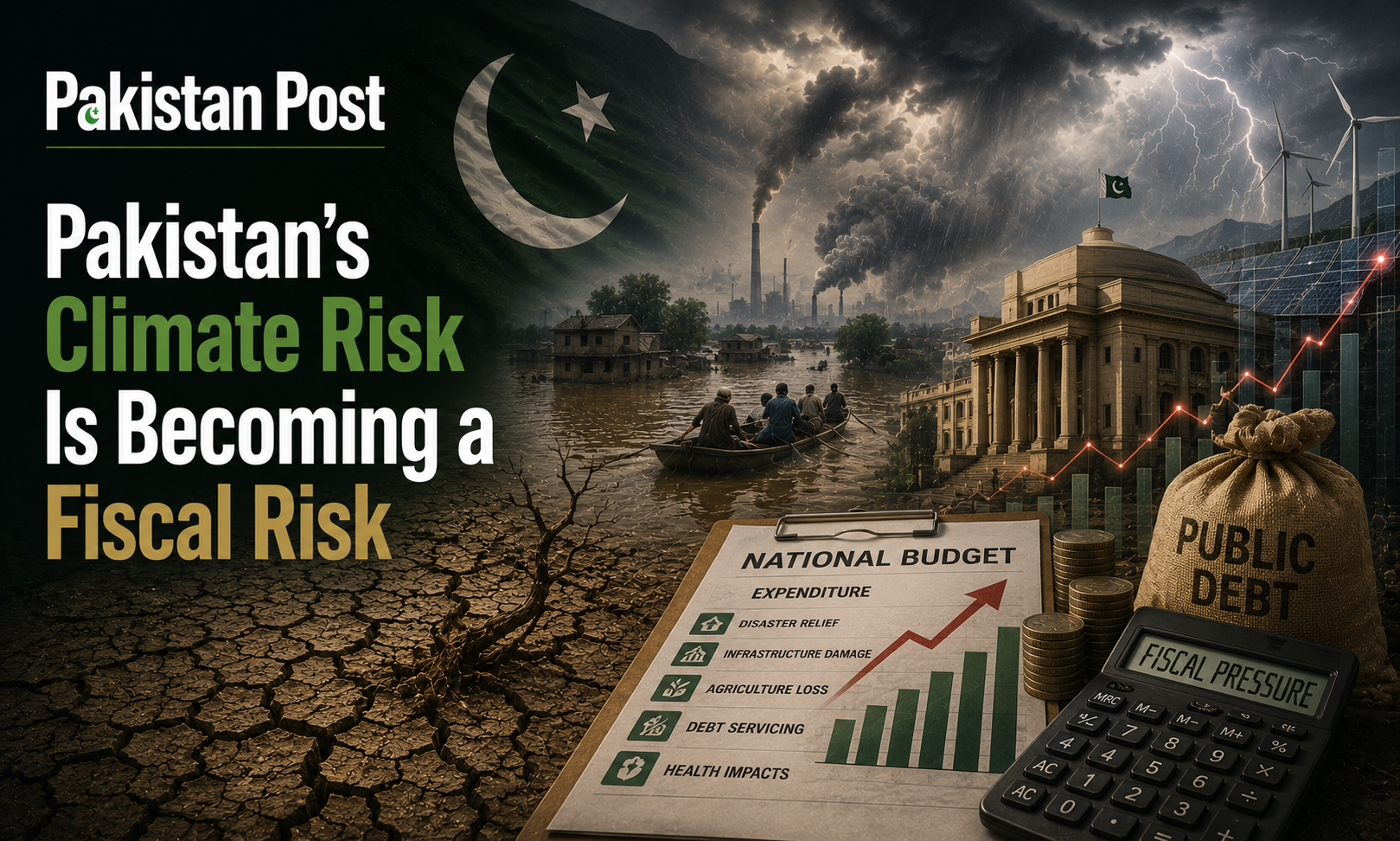
Pakistan’s Climate Risk Is Becoming a Fiscal Risk
Pakistan’s climate problem is no longer adequately described as an environmental challenge. It is increasingly a question of sovereign solvency, budgetary resilience and national security. Floods, extreme heat, water scarcity, crop failures and urban climate shocks are becoming recurrent disturbances to an economy
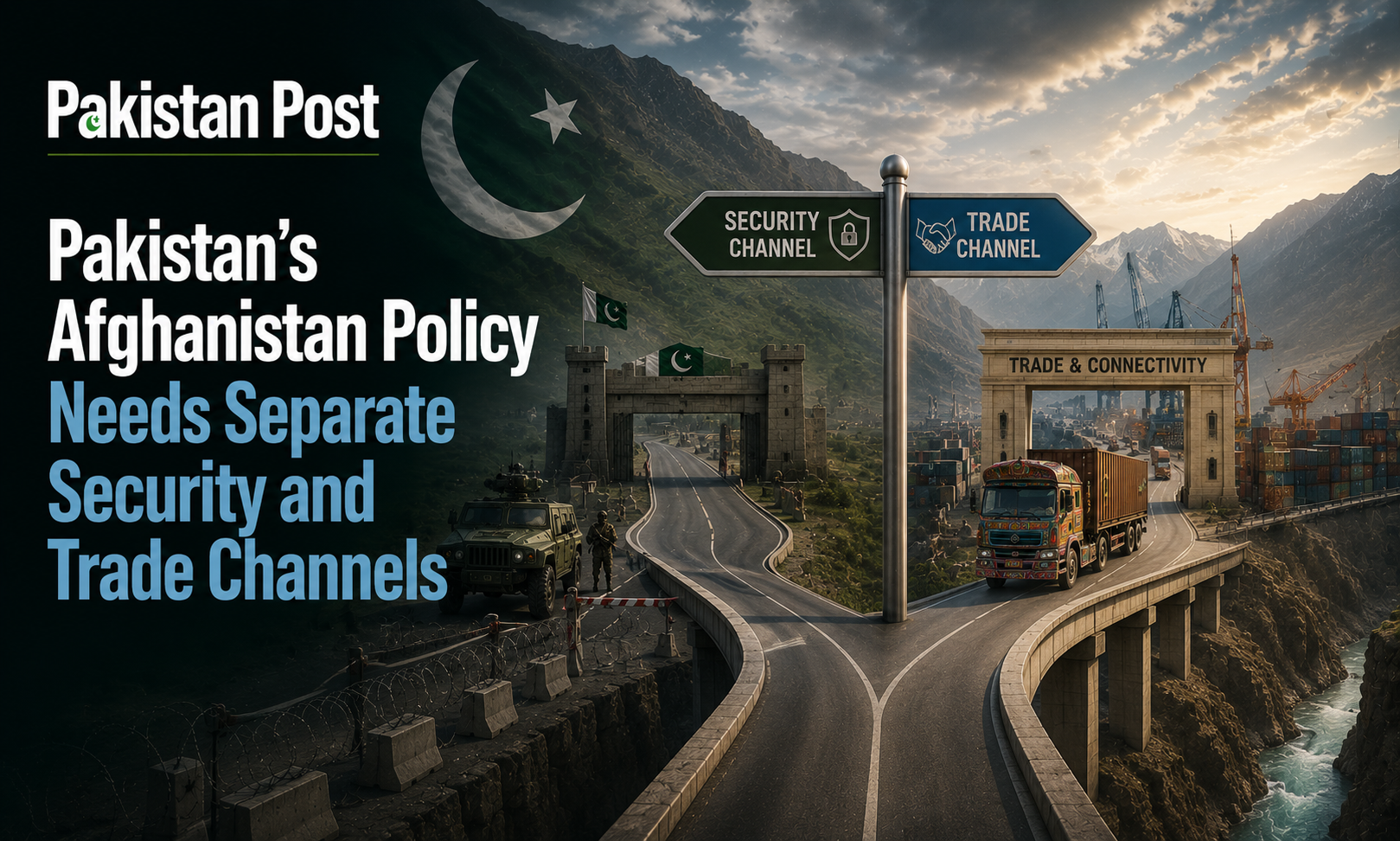
Pakistan’s Afghanistan Policy Needs Separate Security and Trade Channels
Pakistan’s Afghanistan policy has accumulated a structural problem that is increasingly difficult to disguise as a temporary dispute. Border security, transit trade, refugee management, diplomatic engagement and humanitarian movement have become so tightly interwoven that deterioration in one area routinely contaminates the others.