
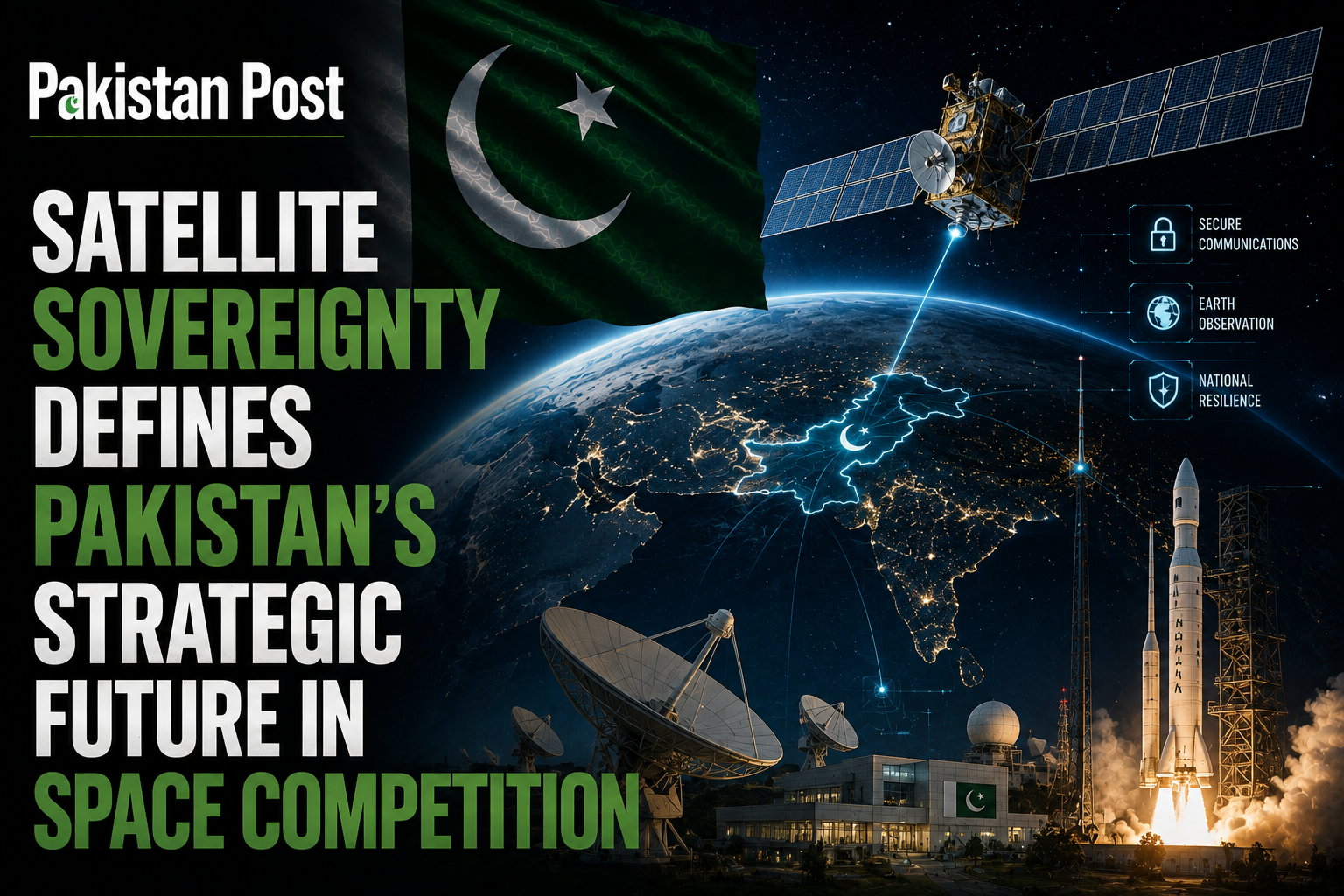
Satellite Sovereignty Defines Pakistan’s Strategic Future In Space Competition

The invisible architecture sustaining modern states no longer resides exclusively within national territory. It increasingly operates thousands of kilometres above the Earth through orbital systems that quietly underpin military readiness, economic management, environmental monitoring, financial stability and governmental continuity. Satellites have evolved from
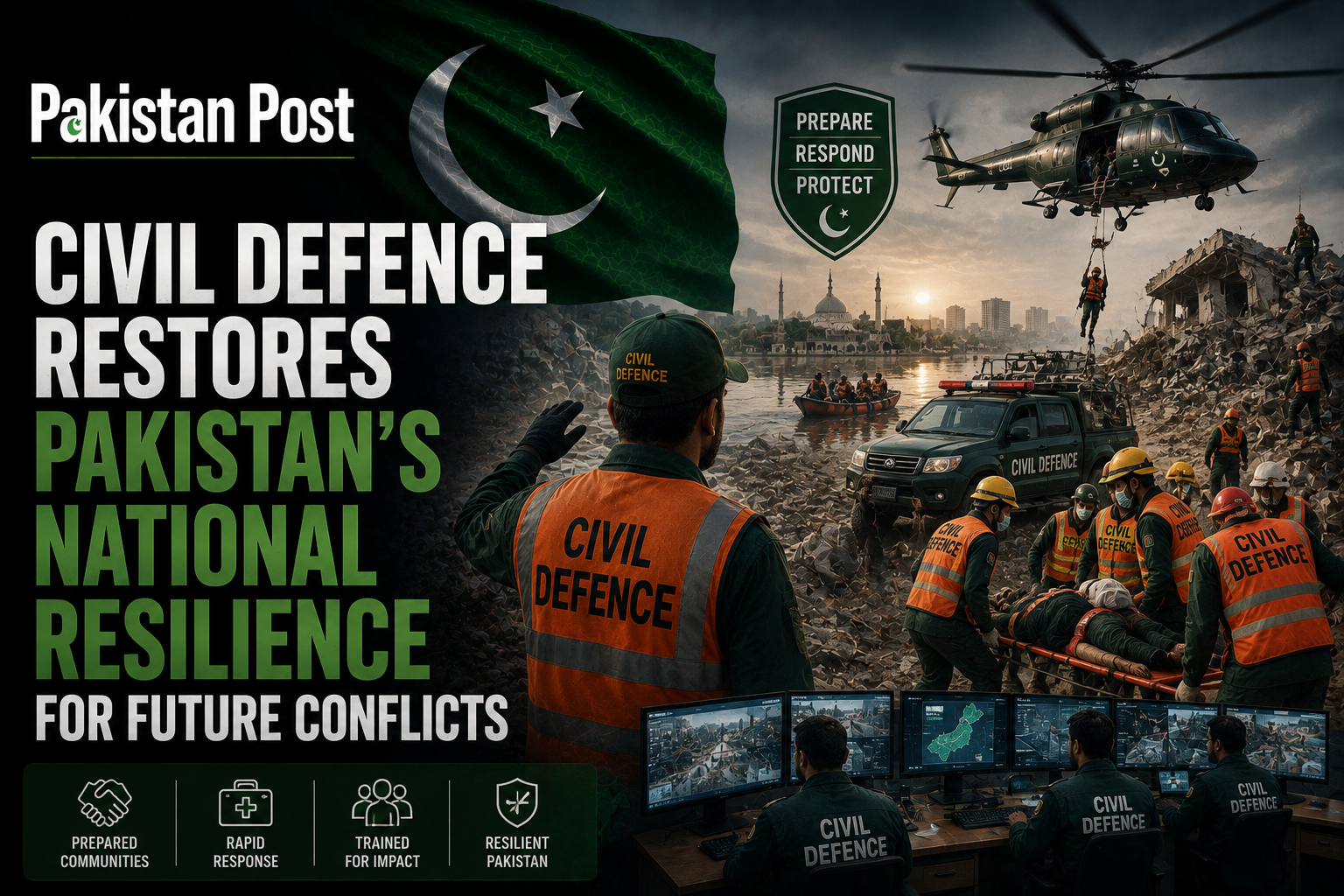
Civil Defence Restores Pakistan’s National Resilience For Future Conflicts
The geography of conflict has undergone a profound transformation. Modern warfare no longer begins with massed armour crossing borders or fighter aircraft establishing air superiority before conventional battles unfold. Instead, the earliest targets increasingly lie within the economic, administrative and technological foundations of
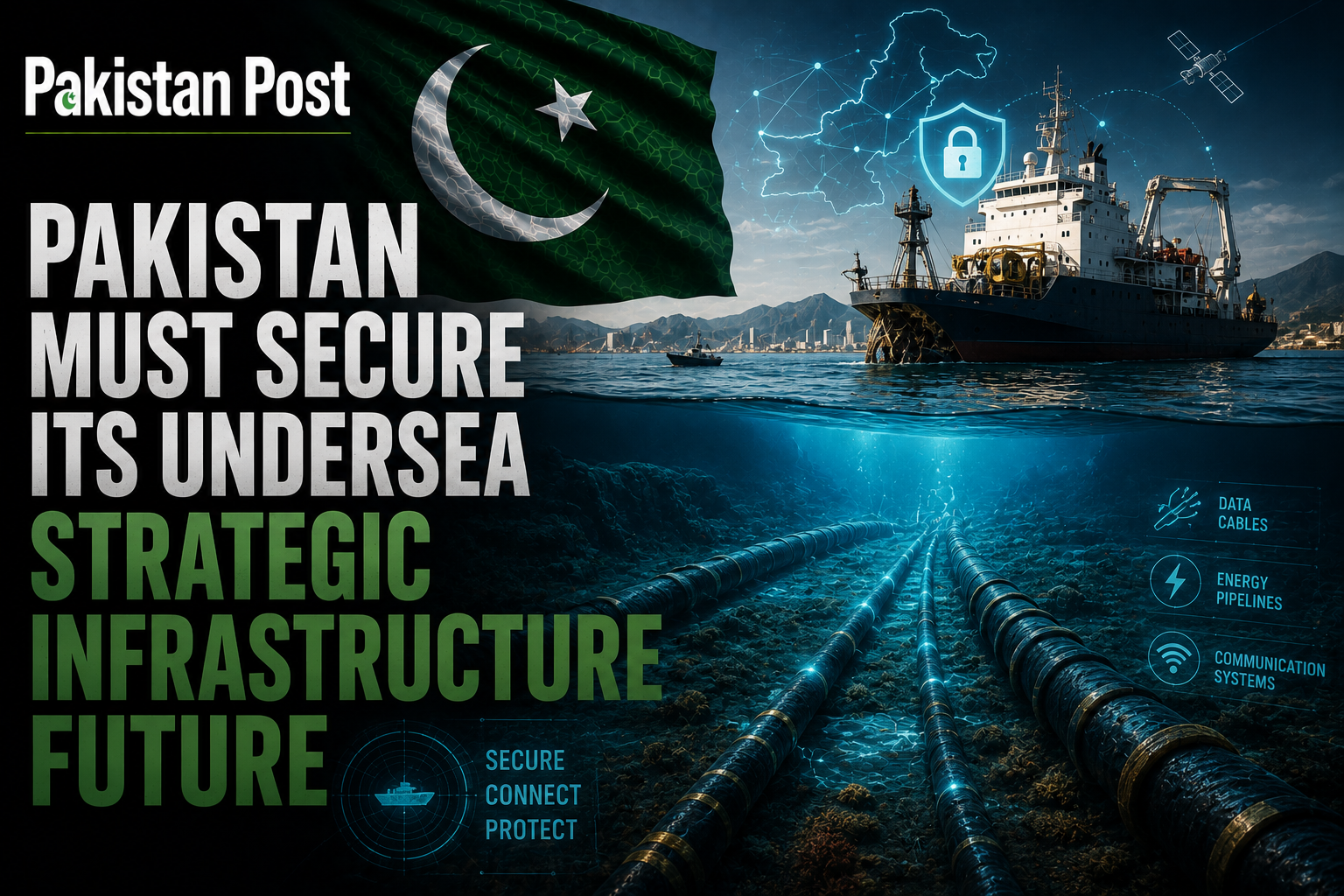
Pakistan Must Secure Its Undersea Strategic Infrastructure Future
Invisible networks resting beneath the sea increasingly determine the resilience of modern states. The strategic geography of the twenty first century is no longer defined exclusively by coastlines, ports or naval deployments. It is equally shaped by submarine fibre optic cables carrying global
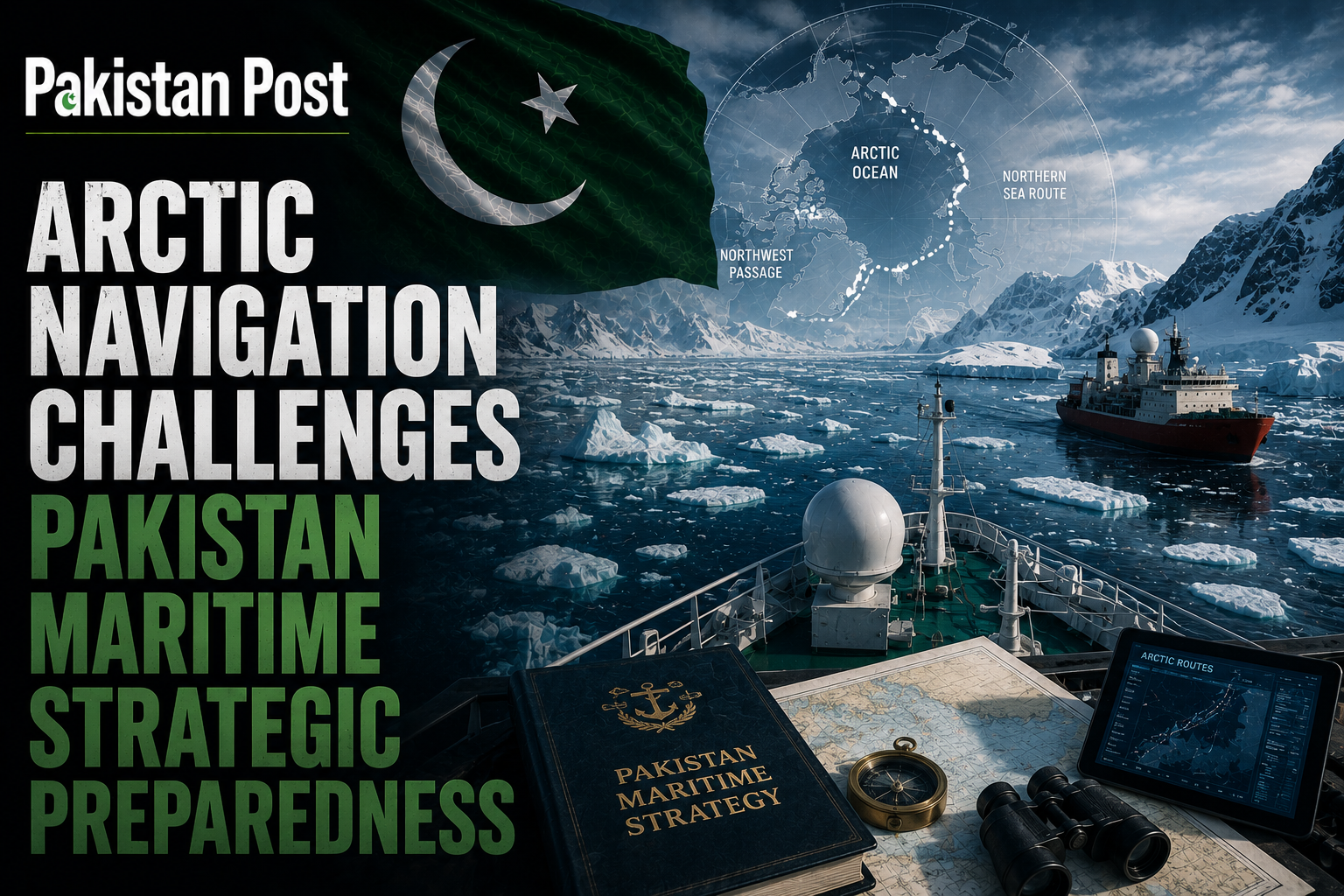
Arctic Navigation Challenges Pakistan Maritime Strategic Preparedness
The accelerating commercial viability of Arctic navigation is gradually transforming assumptions that have governed international maritime strategy for more than a century. While the Indian Ocean remains indispensable to global commerce, diminishing Arctic ice coverage, technological advances in polar shipping, expanding northern infrastructure
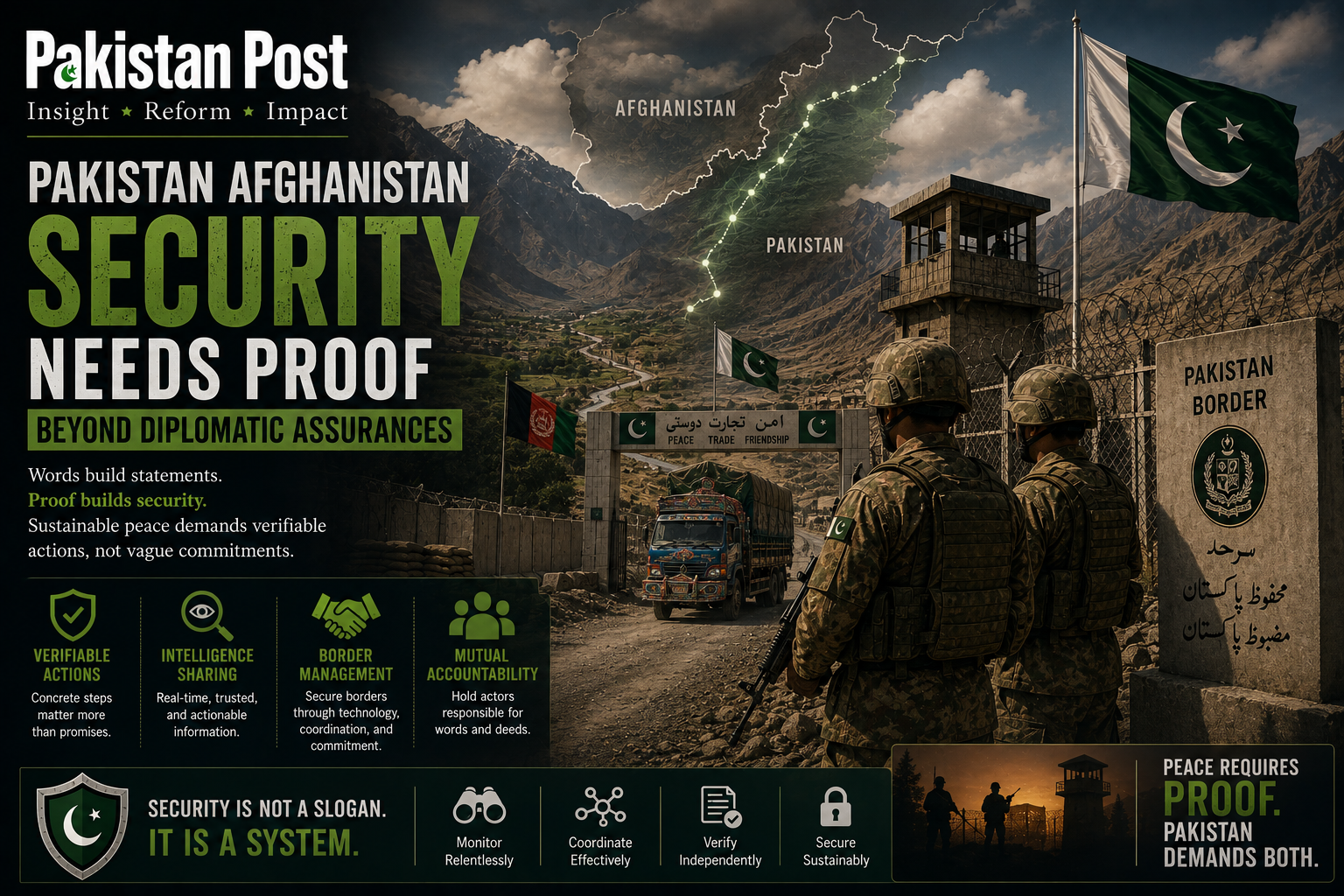
Pakistan Afghanistan Security Needs Proof Beyond Diplomatic Assurances
Pakistan Afghanistan relations have repeatedly demonstrated a familiar weakness in regional security diplomacy: agreements can be reached, assurances can be exchanged, channels can be reopened, and yet the underlying security dispute remains substantially intact. The central problem is no longer the absence of
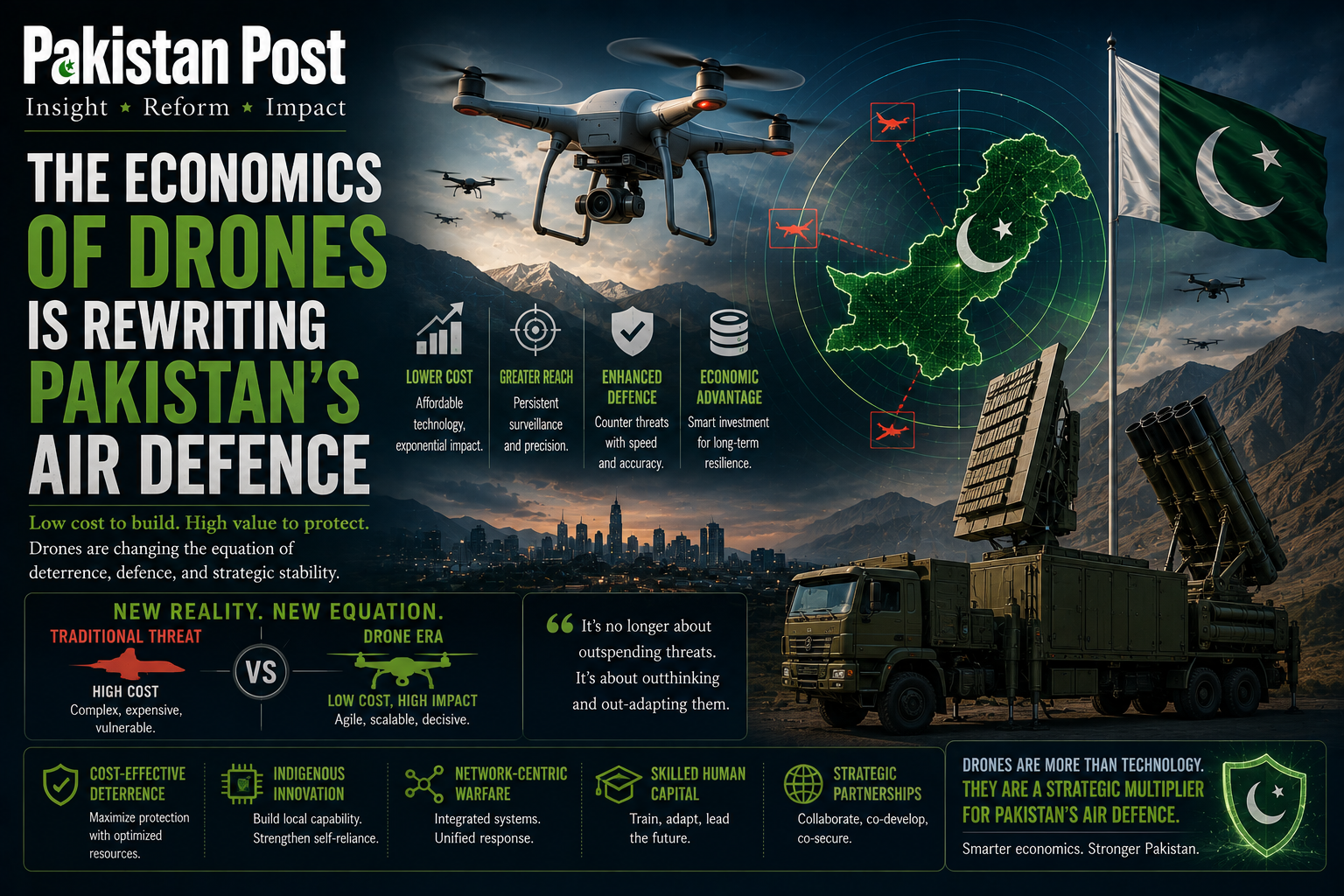
The Economics of Drones Is Rewriting Pakistan’s Air Defence
The central problem confronting Pakistan’s air defence planners is no longer whether the country possesses sophisticated systems capable of detecting and engaging aerial threats. It is whether those systems can remain economically, operationally and doctrinally viable when the attacker can manufacture uncertainty at
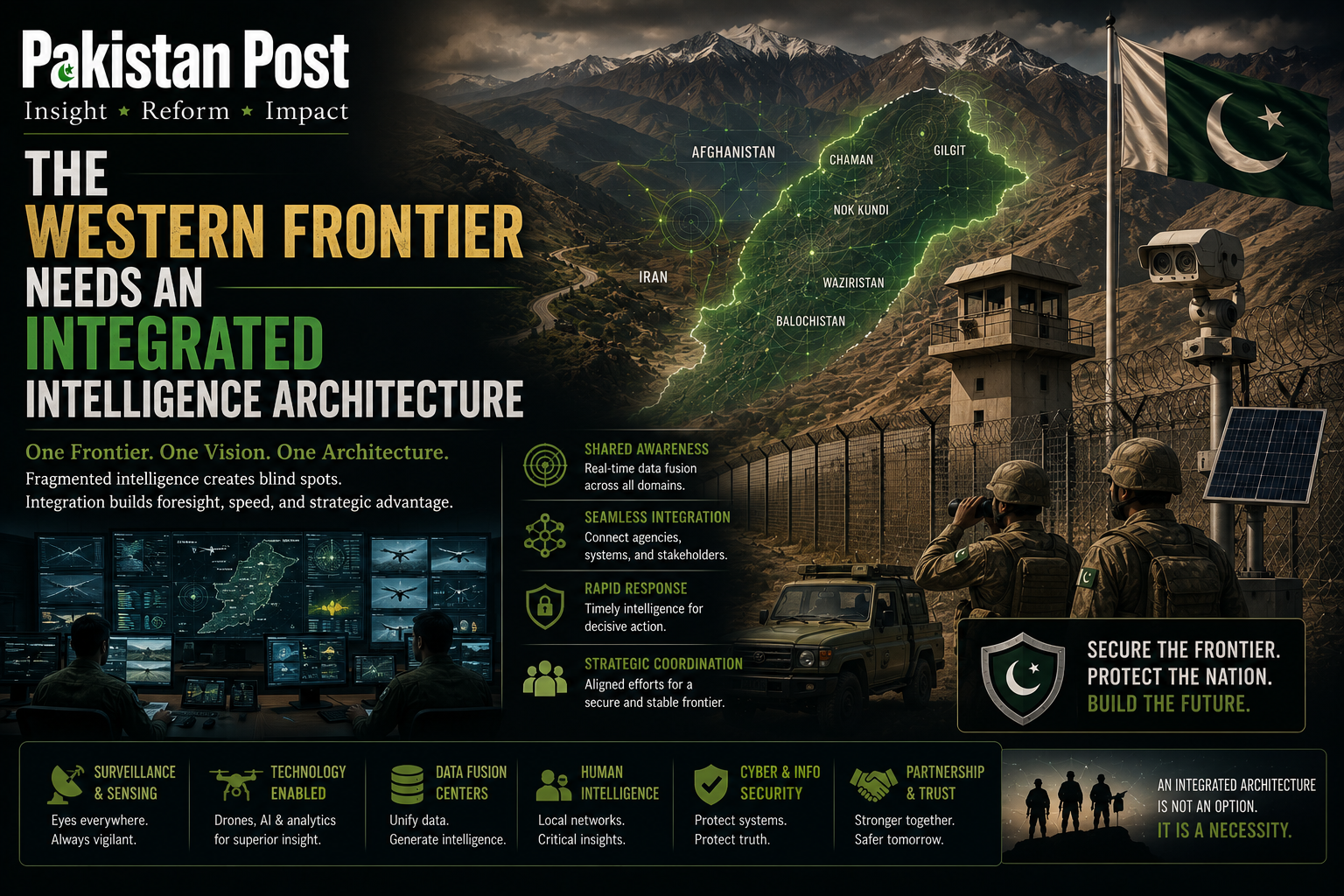
The Western Frontier Needs an Integrated Intelligence Architecture
approaches Pakistan’s approach towards western frontier is not as a line on a map, but as a continuously moving security environment in which people, information, money, commodities, weapons and influence cross administrative jurisdictions with very different speeds and levels of scrutiny. The central
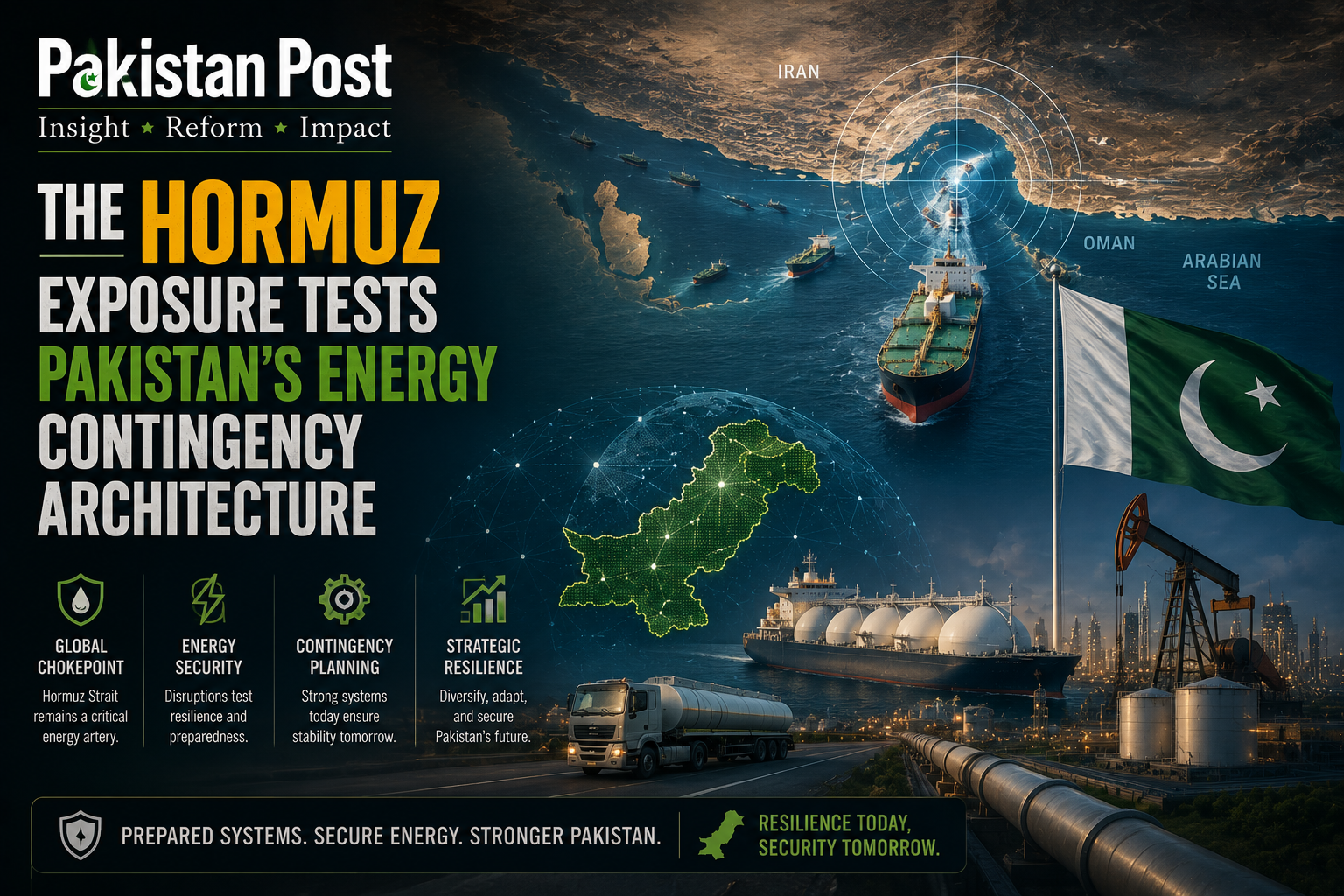
The Hormuz Exposure Tests Pakistan’s Energy Contingency Architecture
Pak Post views the Strait of Hormuz not as a distant maritime vulnerability but as a live stress test of Pakistan’s national economic security architecture. The disruption experienced during 2026 has already demonstrated how quickly a maritime chokepoint can migrate from naval geography

Securing Undersea Networks Before Strategic Stability Quietly Fractures Forever
The most consequential strategic contest unfolding across the world’s oceans is not taking place between aircraft carriers, submarines or missile fleets. It is unfolding thousands of metres beneath the sea, where slender fibre optic cables, power links, sensors and seabed infrastructure quietly sustain

Logistics Defines the New Geometry of Strategic National Preparedness
The geography of military power is undergoing one of the most consequential transformations since the end of the Cold War. For decades, strategic influence was measured by the visibility of overseas military bases, permanent troop deployments, and the territorial footprint of great powers.