
Population Strength Requires Institutions Before It Delivers National Power

For much of modern history, governments viewed population growth primarily through the lenses of census management, electoral arithmetic and social welfare. That perception has altered dramatically. Demographic structure now occupies the centre of strategic planning because population composition increasingly determines whether states possess
Pakistan Reframes Food Security Through Agricultural Diplomacy and Resilience

Pakistan increasingly confronts a strategic reality that extends far beyond the traditional understanding of agriculture as a domestic economic sector. Food production, fertiliser availability, seed genetics, irrigation efficiency and agricultural research have become decisive instruments of international influence, geopolitical bargaining and national resilience.
Visa Diplomacy Shapes Pakistan’s Global Mobility and Strategic Reputation

The strength of a passport has quietly evolved into one of the most visible indicators of state credibility. International mobility is no longer determined solely by bilateral agreements or reciprocal travel arrangements. It increasingly reflects global assessments of governance standards, regulatory integrity, migration
Middle Powers Shape Pakistan’s Diplomatic Future Through Strategic Adaptation

The international system is no longer organised exclusively around the strategic calculations of major powers. While geopolitical competition between the United States and China continues to dominate military planning, technological competition and economic statecraft, a quieter but equally consequential transformation is unfolding beneath
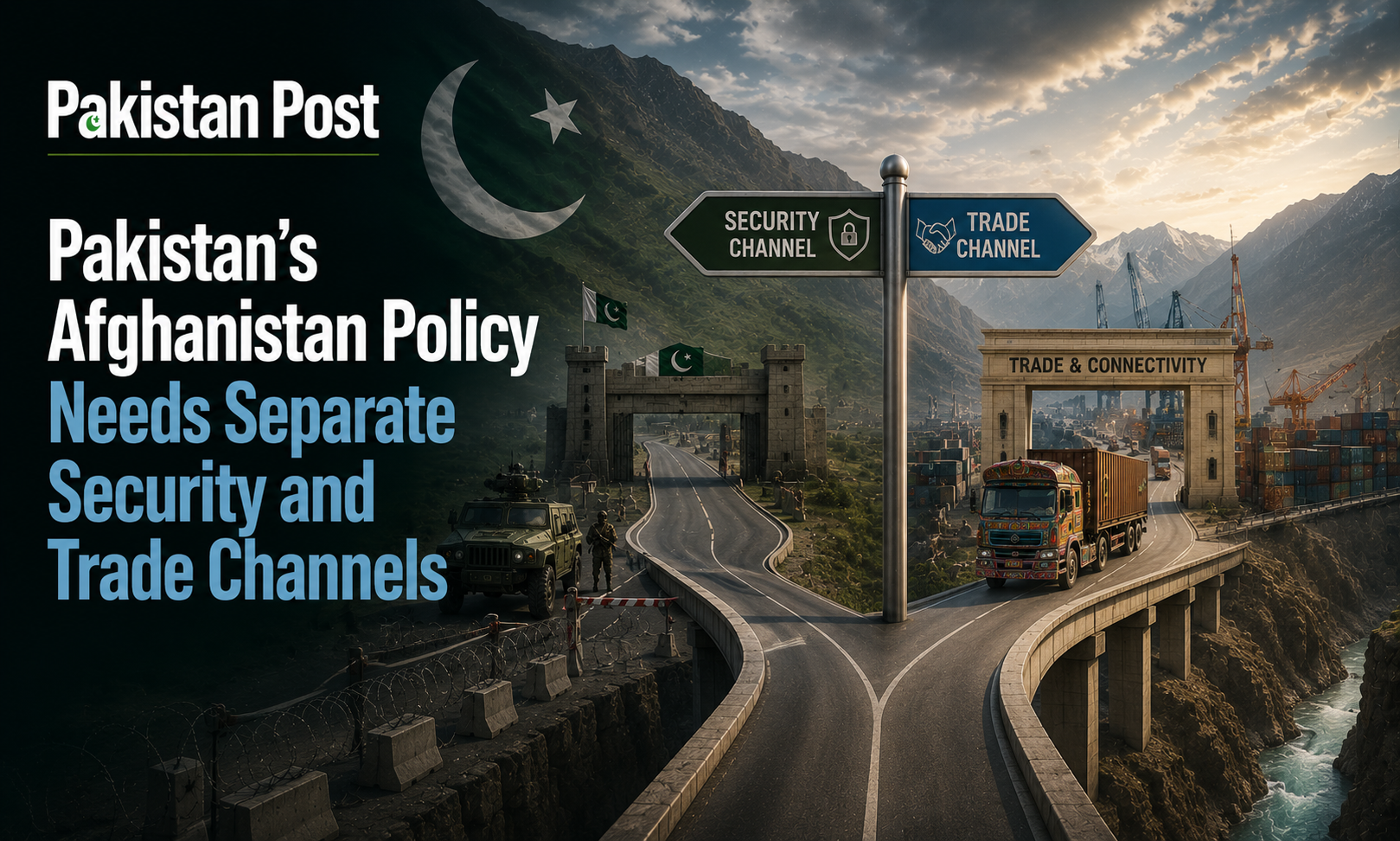
Pakistan’s Afghanistan Policy Needs Separate Security and Trade Channels
Pakistan’s Afghanistan policy has accumulated a structural problem that is increasingly difficult to disguise as a temporary dispute. Border security, transit trade, refugee management, diplomatic engagement and humanitarian movement have become so tightly interwoven that deterioration in one area routinely contaminates the others.
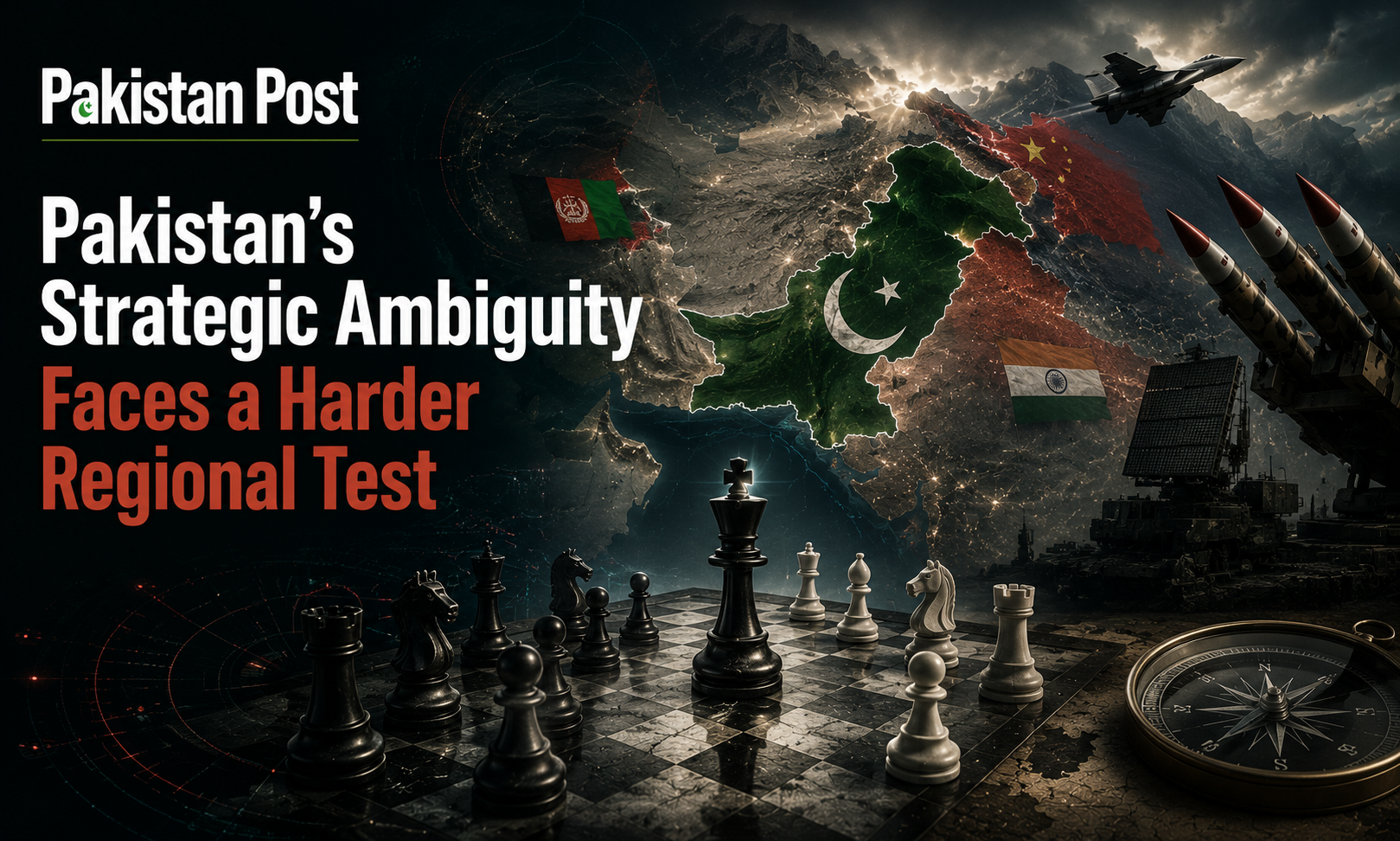
Pakistan’s Strategic Ambiguity Faces a Harder Regional Test

Pakistan’s ability to maintain strategic relationships across competing Middle Eastern centres of power is entering a more demanding phase. For decades, Islamabad has relied on a carefully calibrated diplomatic vocabulary that permits close security cooperation with Saudi Arabia, commercial engagement with the United
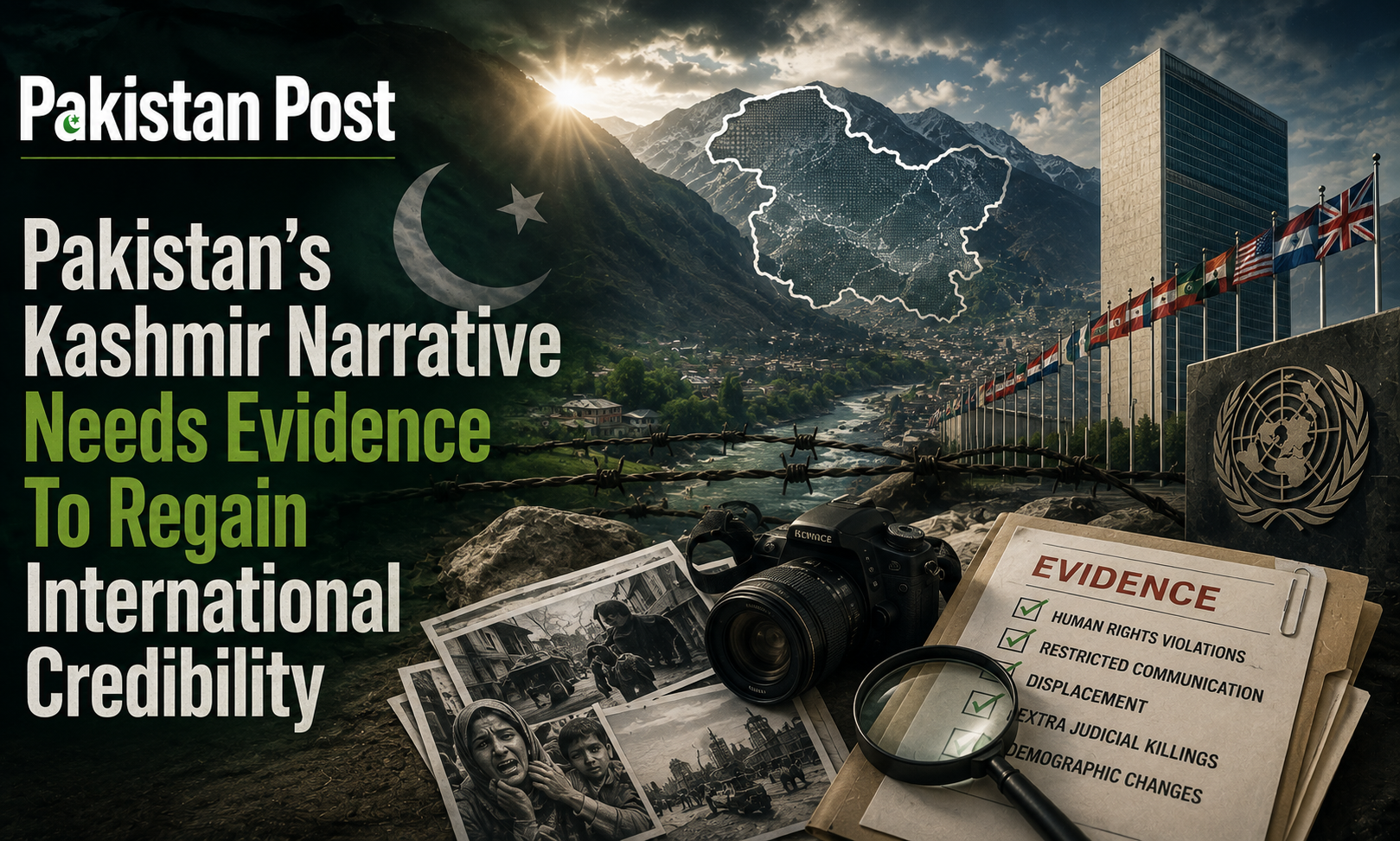
Pakistan’s Kashmir Narrative Needs Evidence To Regain International Credibility
Pakistan’s Kashmir diplomacy has a problem that cannot be solved by producing louder statements. The central weakness is not the absence of a political position, nor the lack of historical material, nor even the scarcity of international legal references. It is the uneven
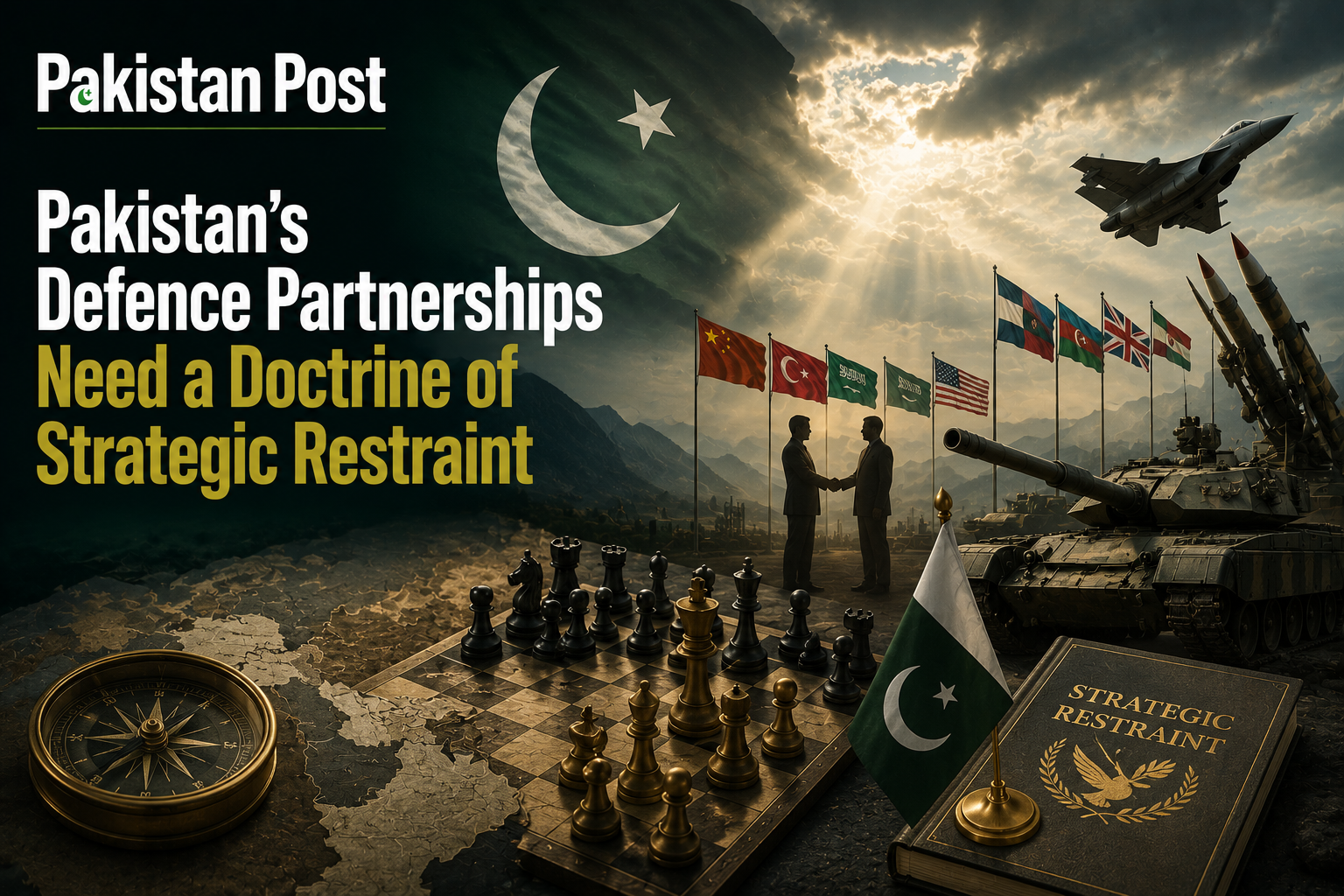
Pakistan’s Defence Partnerships Need a Doctrine of Strategic Restraint
Pakistan’s expanding defence relationships are entering a more consequential phase. For decades, Islamabad has maintained military cooperation with China, the United States, Saudi Arabia, Türkiye, Qatar and other partners without converting every relationship into a binding security commitment. That distinction is now becoming
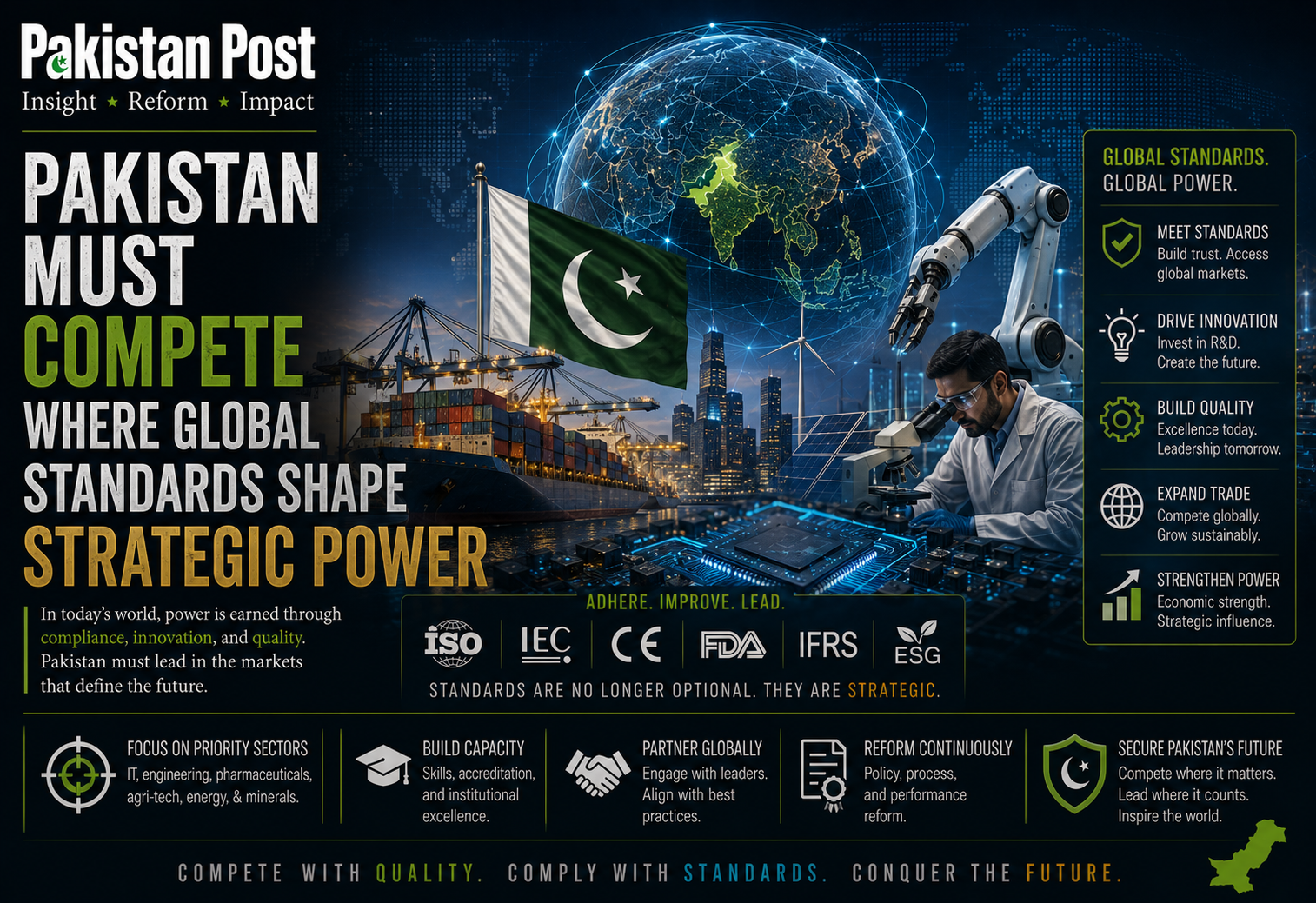
Pakistan Must Compete Where Global Standards Shape Strategic Power

Pakistan’s long term strategic influence will increasingly depend less upon territorial calculations and more upon its ability to participate in the international institutions that determine technical standards. The decisive competition of the coming decades will not primarily concern maps, military deployments, or even

Pakistan Must Master Coalition Diplomacy Before Global Rules Solidify
Pakistan’s future diplomatic influence will depend less on the number of bilateral relationships it maintains and more on whether it can consistently shape international negotiations that increasingly determine access to finance, technology, markets, critical infrastructure, food systems, maritime resources and regulatory standards. The