
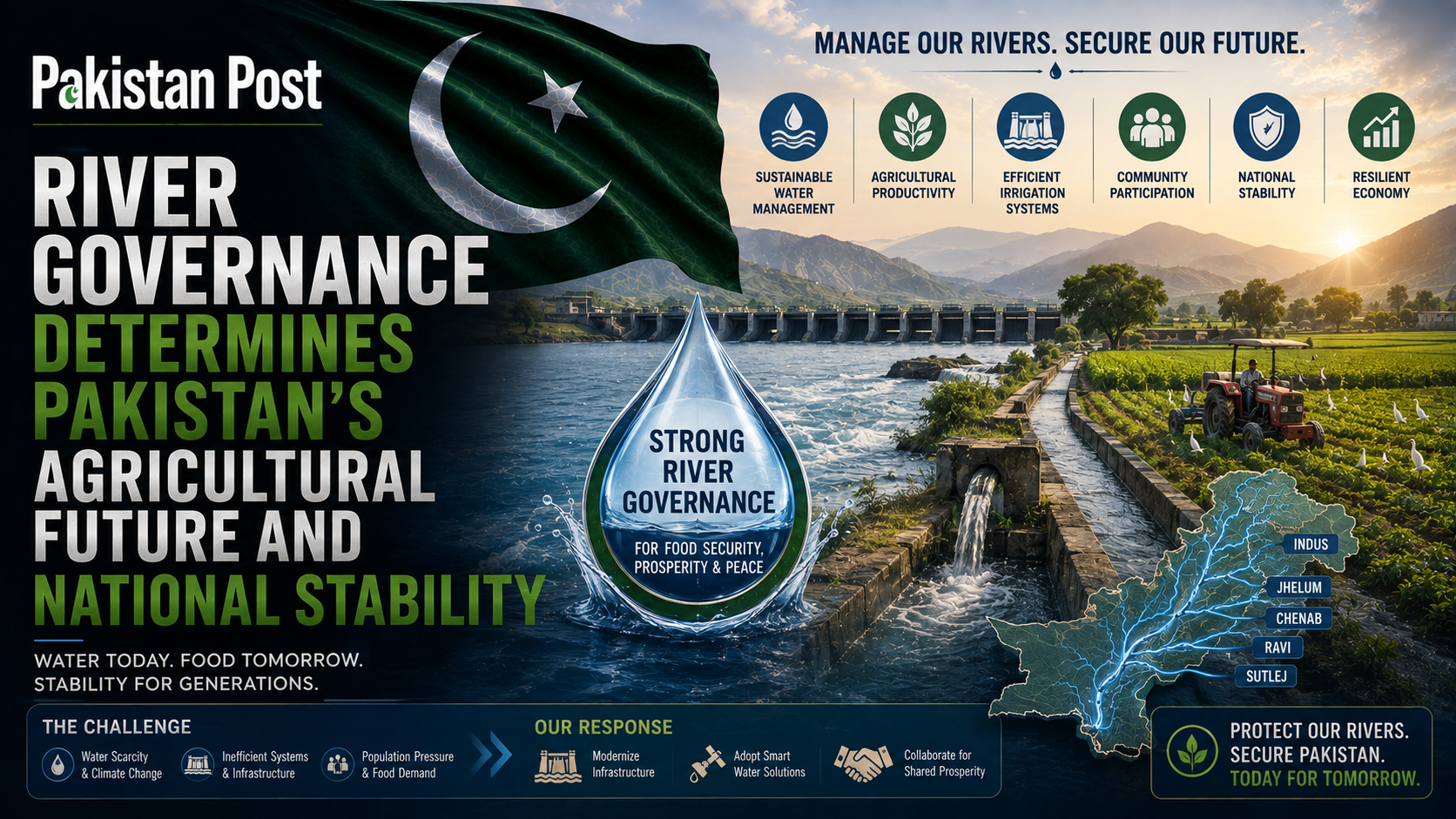
River Governance Determines Pakistan’s Agricultural Future and National Stability

Every monsoon season Pakistan confronts a familiar national dilemma that extends far beyond the immediate spectacle of inundated villages, submerged highways and emergency evacuations. Floods are frequently described as natural disasters, yet the scale of recurring agricultural destruction increasingly reflects institutional choices rather
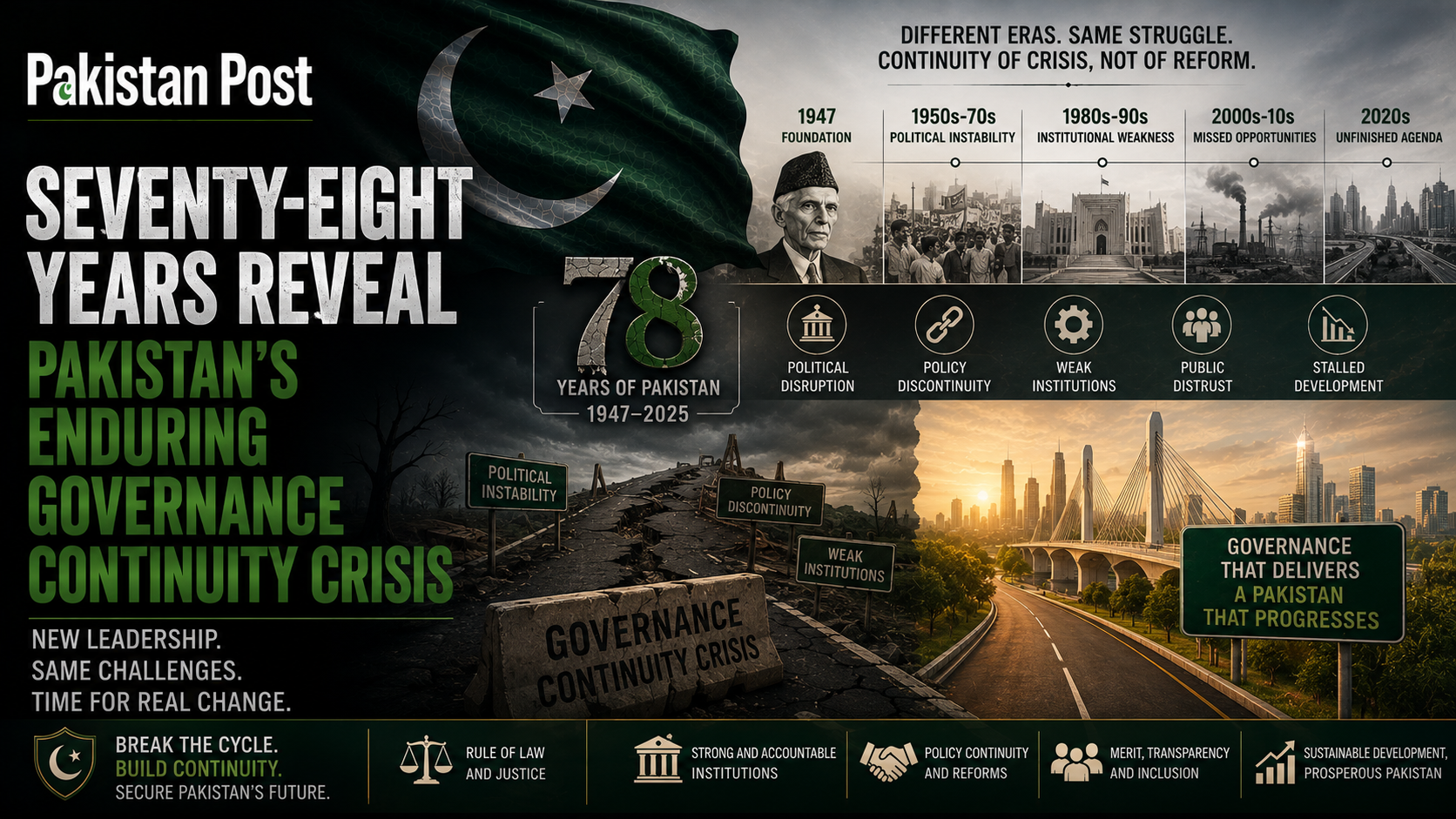
Seventy-Eight Years Reveal Pakistan’s Enduring Governance Continuity Crisis

Seventy-eight years after independence, Pakistan continues to confront a paradox that increasingly attracts the attention of policymakers, strategic planners and international observers. The state has demonstrated remarkable endurance despite wars, constitutional breakdowns, economic crises, terrorism, natural disasters and repeated political transitions. Yet resilience
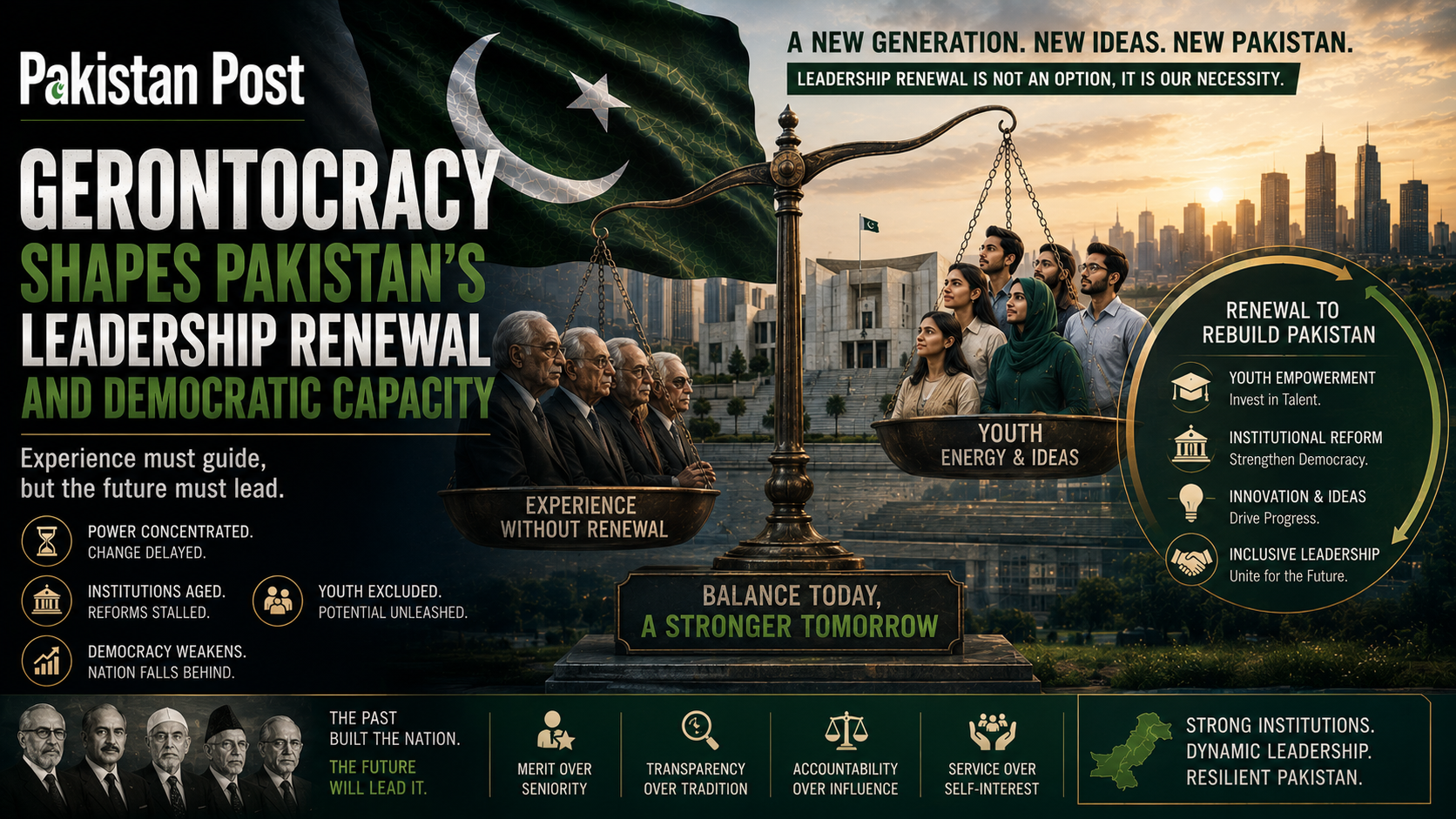
Gerontocracy Shapes Pakistan’s Leadership Renewal and Democratic Capacity

Pakistan confronts a political paradox that increasingly shapes its institutional future. Electoral competition remains vibrant, constitutional transfers of authority continue despite recurring interruptions, and successive governments repeatedly promise reform. Yet the circulation of political leadership remains remarkably narrow. Across multiple electoral cycles, many
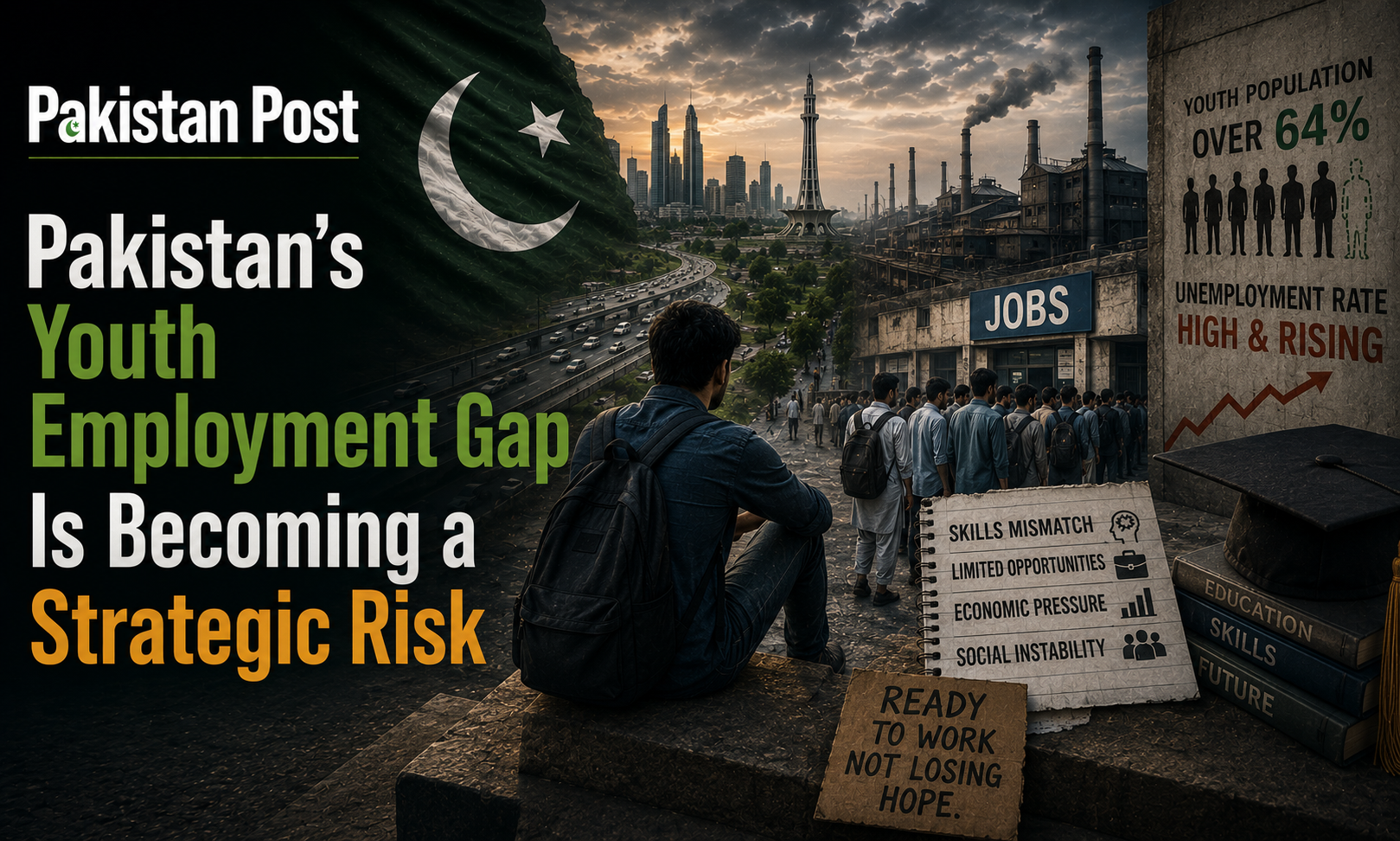
Pakistan’s Youth Employment Gap Is Becoming a Strategic Risk

Pakistan’s demographic structure is creating an economic opportunity that the labour market is not yet equipped to absorb. A large and growing working age population should, under normal circumstances, enlarge the productive base, deepen domestic demand, strengthen household incomes and expand the taxpaying
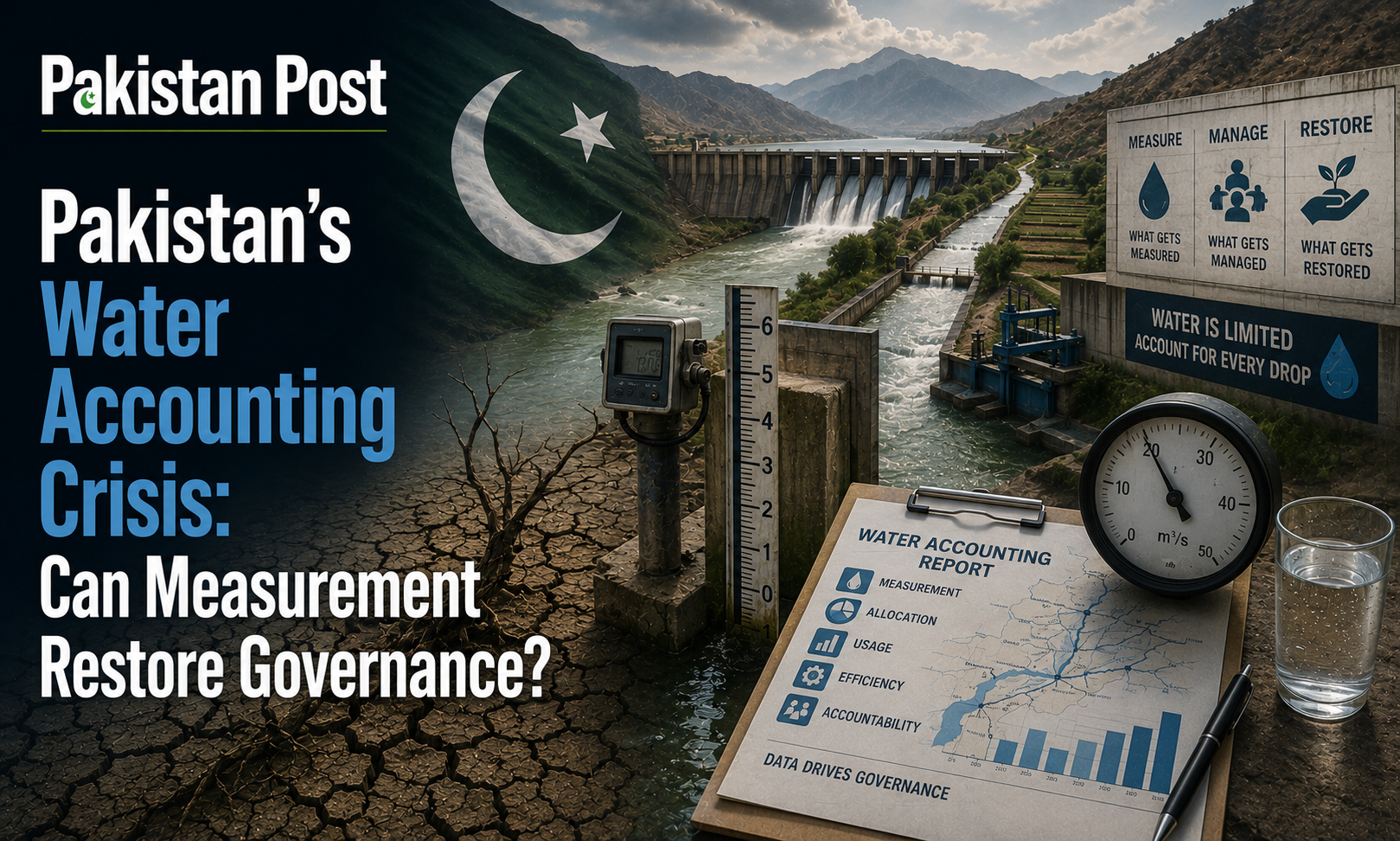
Pakistan’s Water Accounting Crisis: Can Measurement Restore Governance?
Pakistan’s water problem is increasingly described as scarcity, but scarcity is only part of the institutional story. A country cannot govern a resource reliably when it cannot establish, with sufficient precision, how much water enters its systems, where it moves, who withdraws it,
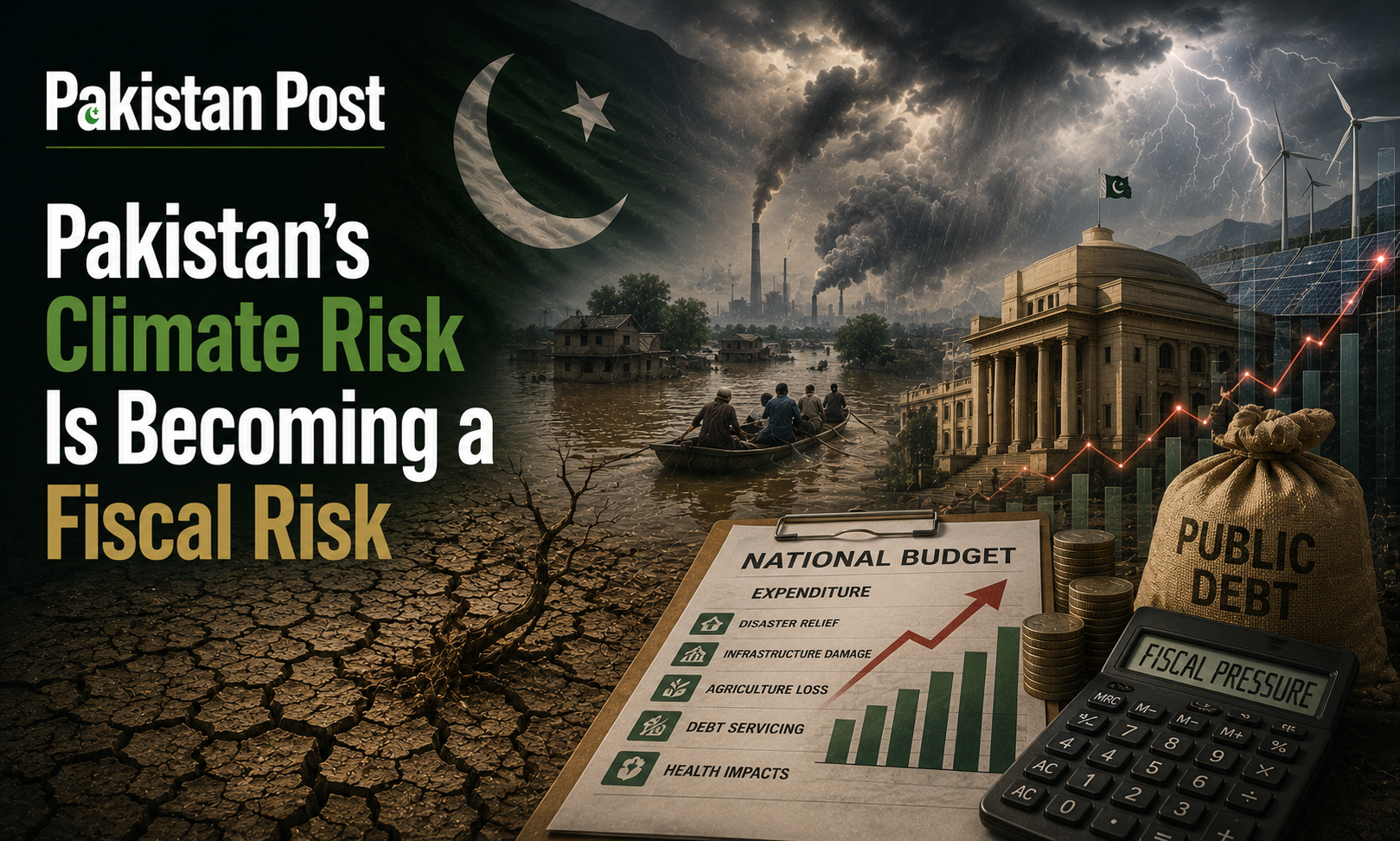
Pakistan’s Climate Risk Is Becoming a Fiscal Risk
Pakistan’s climate problem is no longer adequately described as an environmental challenge. It is increasingly a question of sovereign solvency, budgetary resilience and national security. Floods, extreme heat, water scarcity, crop failures and urban climate shocks are becoming recurrent disturbances to an economy
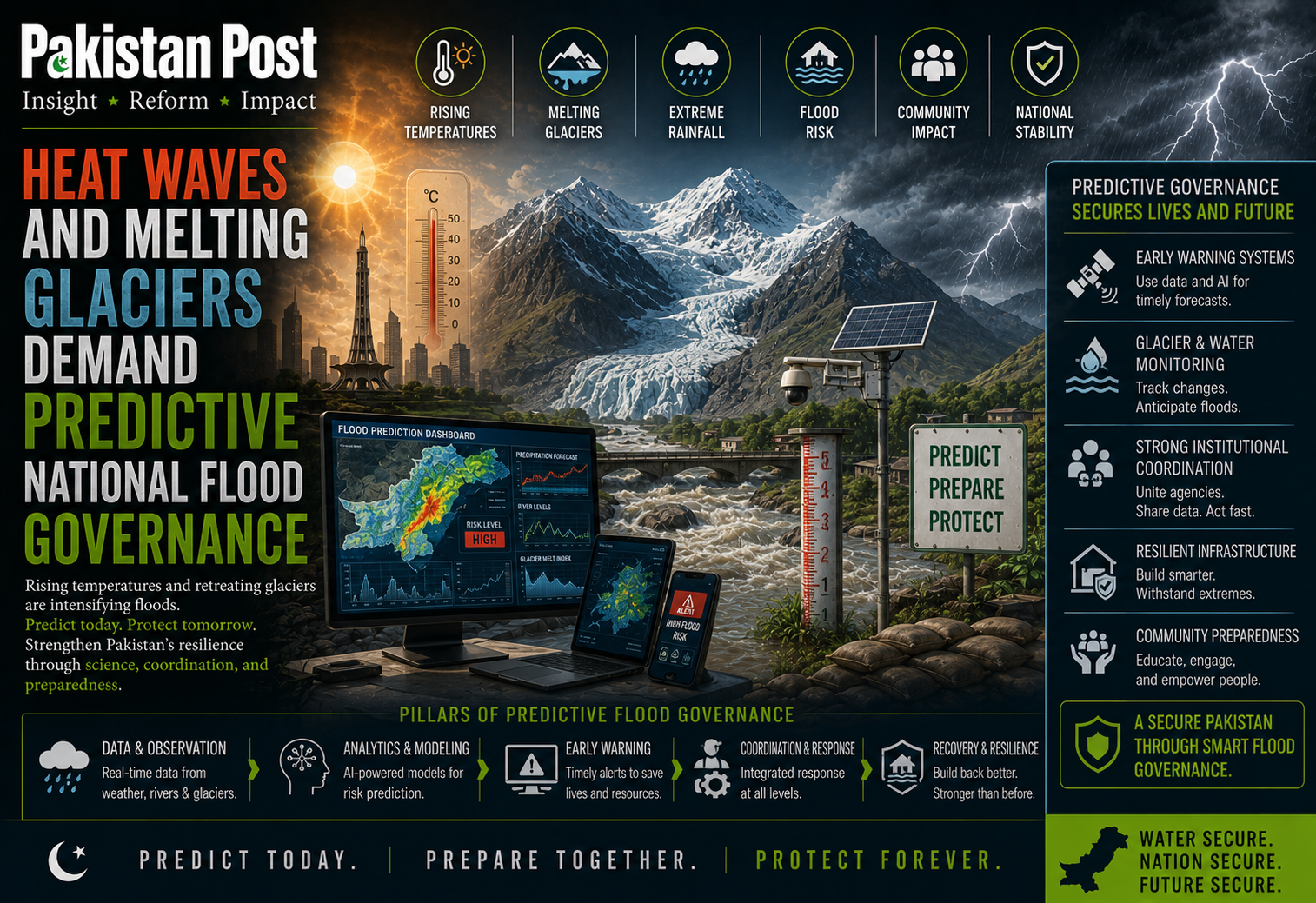
Heat Waves And Melting Glaciers Demand Predictive National Flood Governance
Pakistan is once again approaching a season that has become painfully familiar. Temperatures are rising beyond historical averages, glaciers in the northern mountains are melting at accelerated rates, weather systems are becoming increasingly unpredictable, and meteorological forecasts indicate elevated risks of intense monsoon
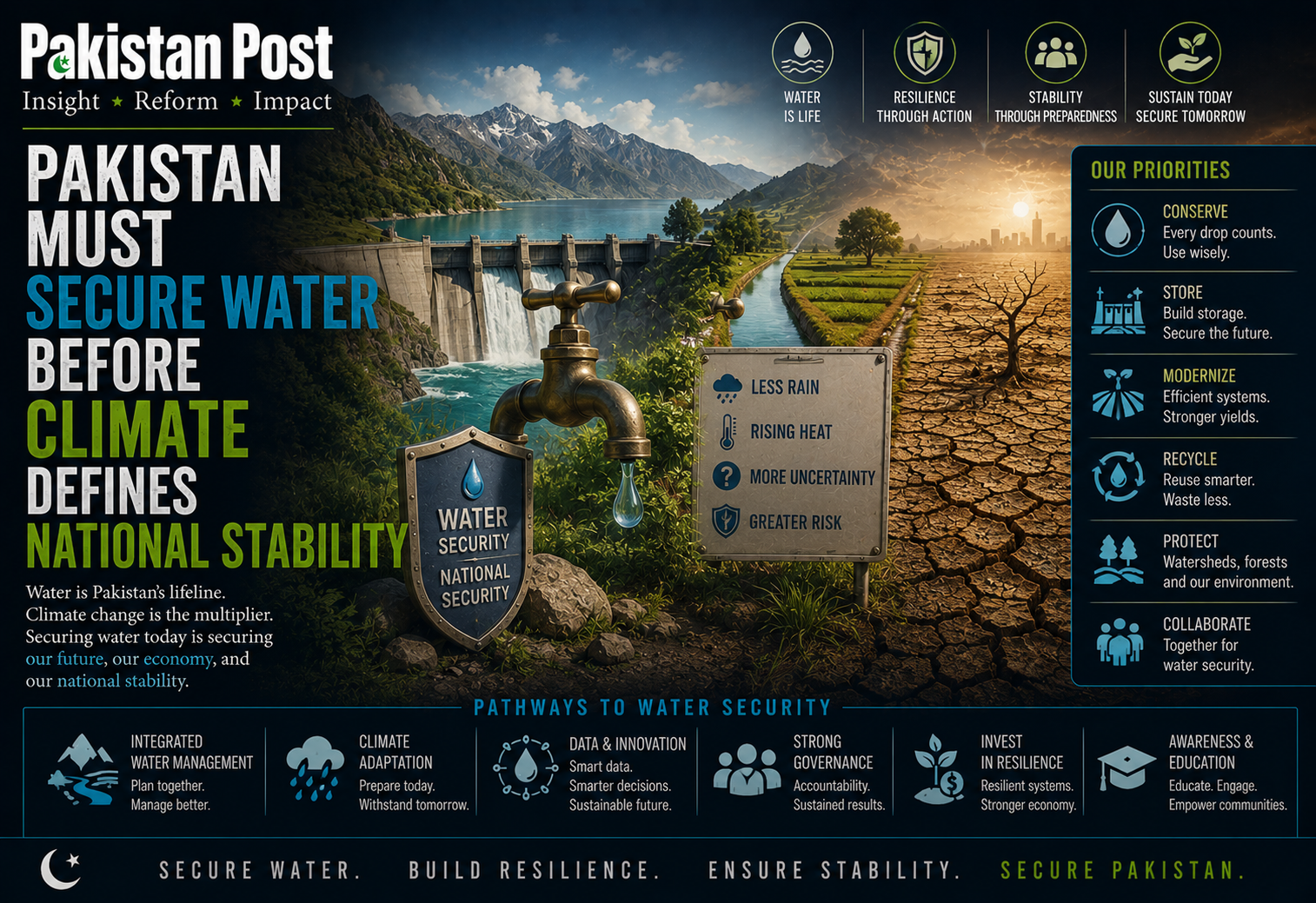
Pakistan Must Secure Water Before Climate Defines National Stability
Water has always shaped the geography, economy and strategic identity of Pakistan, yet the country now faces a transformation in which water is no longer merely a developmental concern but an increasingly decisive element of national security. Climate variability, demographic expansion, urbanisation, industrial

Heat Waves And Melting Glaciers Demand Predictive National Flood Governance
Pakistan is once again approaching a season that has become painfully familiar. Temperatures are rising beyond historical averages, glaciers in the northern mountains are melting at accelerated rates, weather systems are becoming increasingly unpredictable, and meteorological forecasts indicate elevated risks of intense monsoon
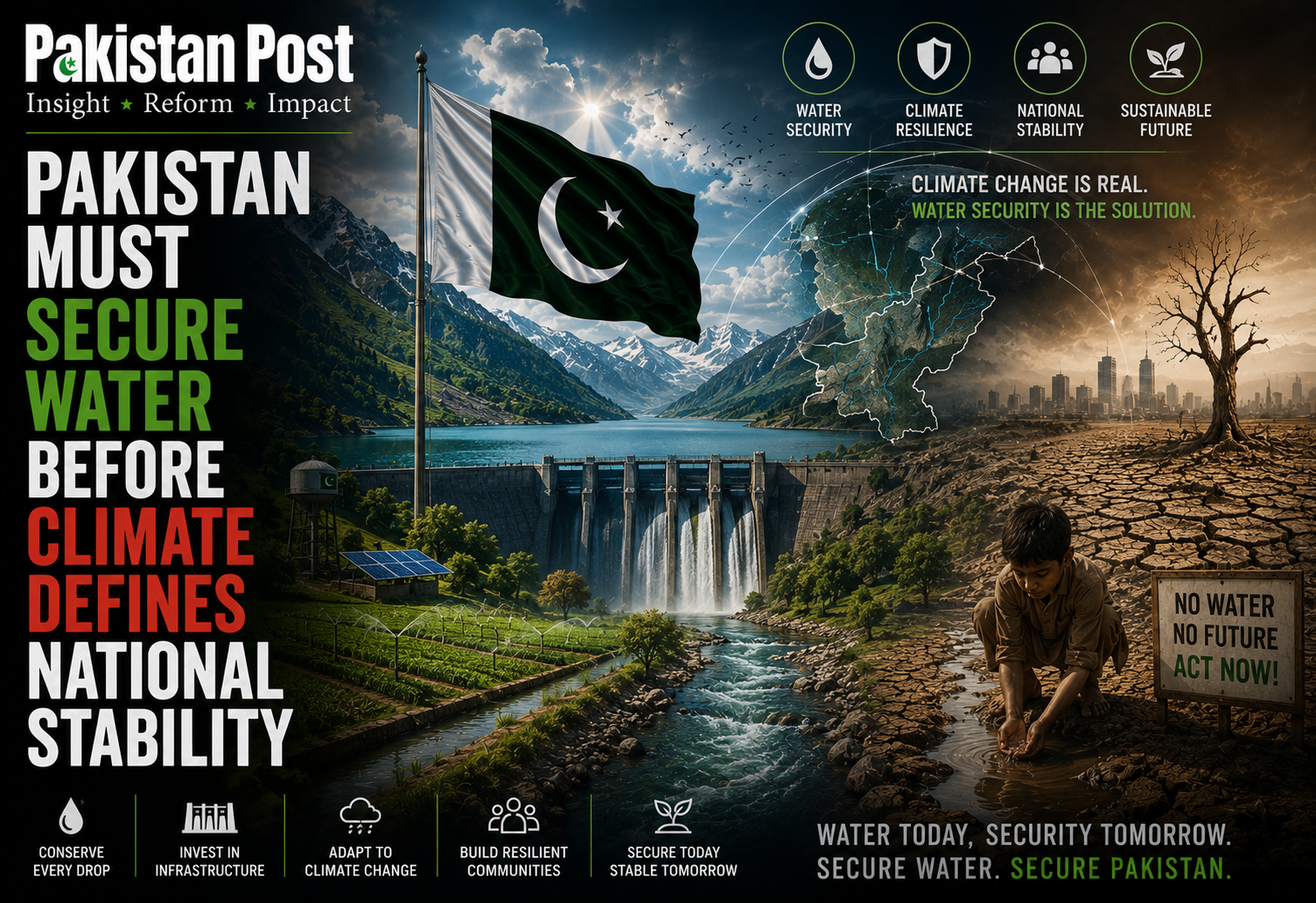
Pakistan Must Secure Water Before Climate Defines National Stability
Water has always shaped the geography, economy and strategic identity of Pakistan, yet the country now faces a transformation in which water is no longer merely a developmental concern but an increasingly decisive element of national security. Climate variability, demographic expansion, urbanisation, industrial