
Pakistan and the Evolution of Layered Statecraft in Regional Diplomacy

Pakistan’s emerging role in regional diplomatic configurations, particularly in relation to Iran linked negotiations, reflects a broader transformation in the nature of modern statecraft. The traditional understanding of diplomacy as a visible process of negotiation between sovereign actors is increasingly insufficient to explain

Pakistan as the Pivot of Post-American Gulf Security in the Strait of Hormuz
The architecture of Gulf security is undergoing a profound and irreversible reconfiguration, one that is gradually displacing the entrenched paradigm of singular external guarantorship with a more distributed and regionally embedded system of stabilization. For decades, the strategic equilibrium of the Gulf remained

The End of the American Century: Alliance Fracture and Strategic Recalibration
The moment a United States‑initiated nuclear detonation occurs, the post-World War II global order, predicated on American military primacy, normative influence, and alliance reliability, collapses in real time. The eruption of a single warhead not only shatters the moral and legal constraints that
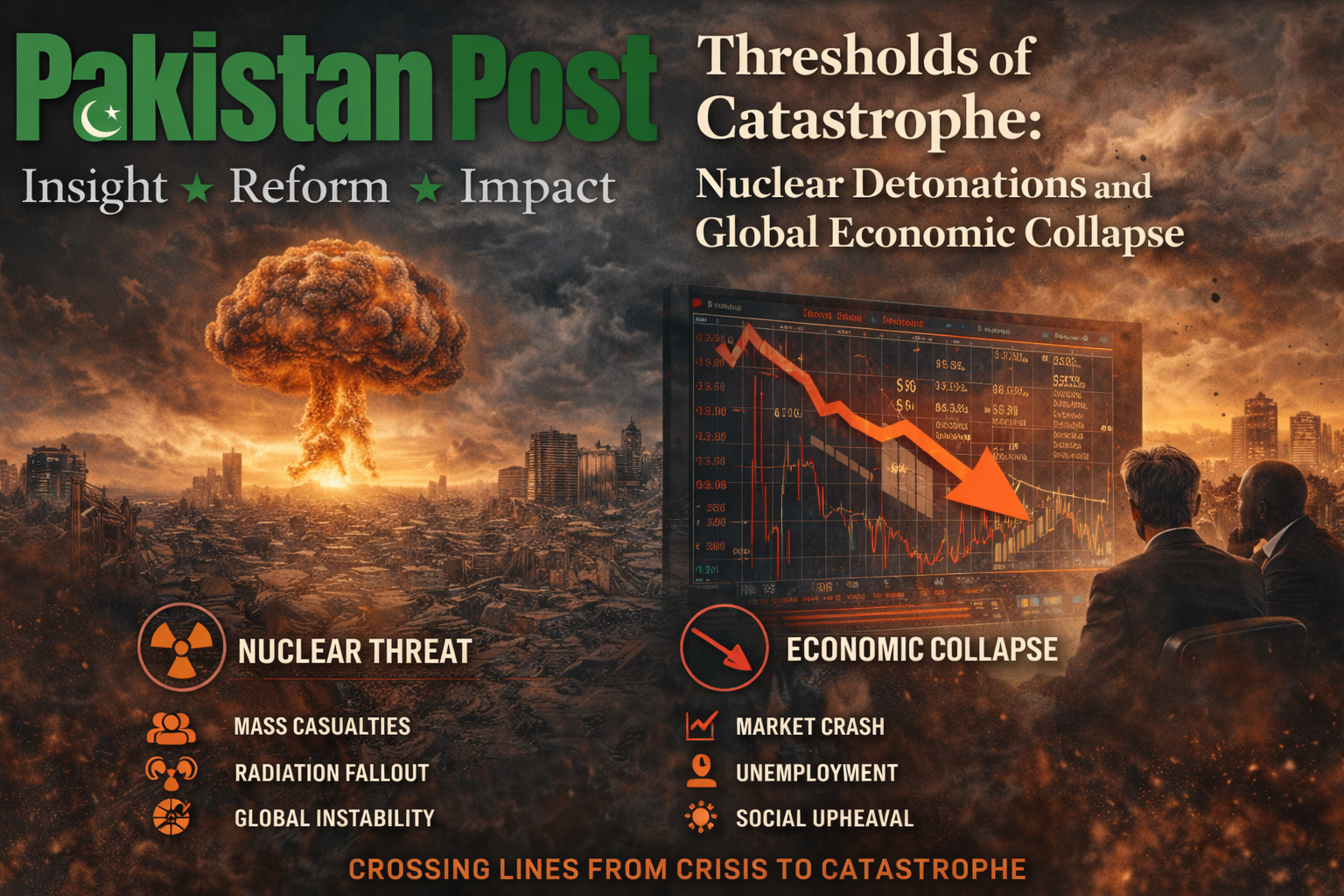
Thresholds of Catastrophe: Nuclear Detonations and Global Economic Collapse
The concept of a “limited nuclear war” collapses under the weight of empirical environmental and economic modeling. Each detonation, even if geographically constrained, injects particulate matter into the stratosphere, reduces solar insolation, and triggers abrupt cooling, with cascading consequences for agricultural productivity. Analysis

The Return of Balance-of-Power Politics: How Russia, China, Pakistan, Turkey, Saudi Arabia, and Iran Could Rebuild Regional Stability
The recent war involving the United States, Israel, and Iran has not merely unsettled a volatile region; it has accelerated the end of a strategic illusion that has shaped international politics since the early 1990s. For more than three decades following the collapse
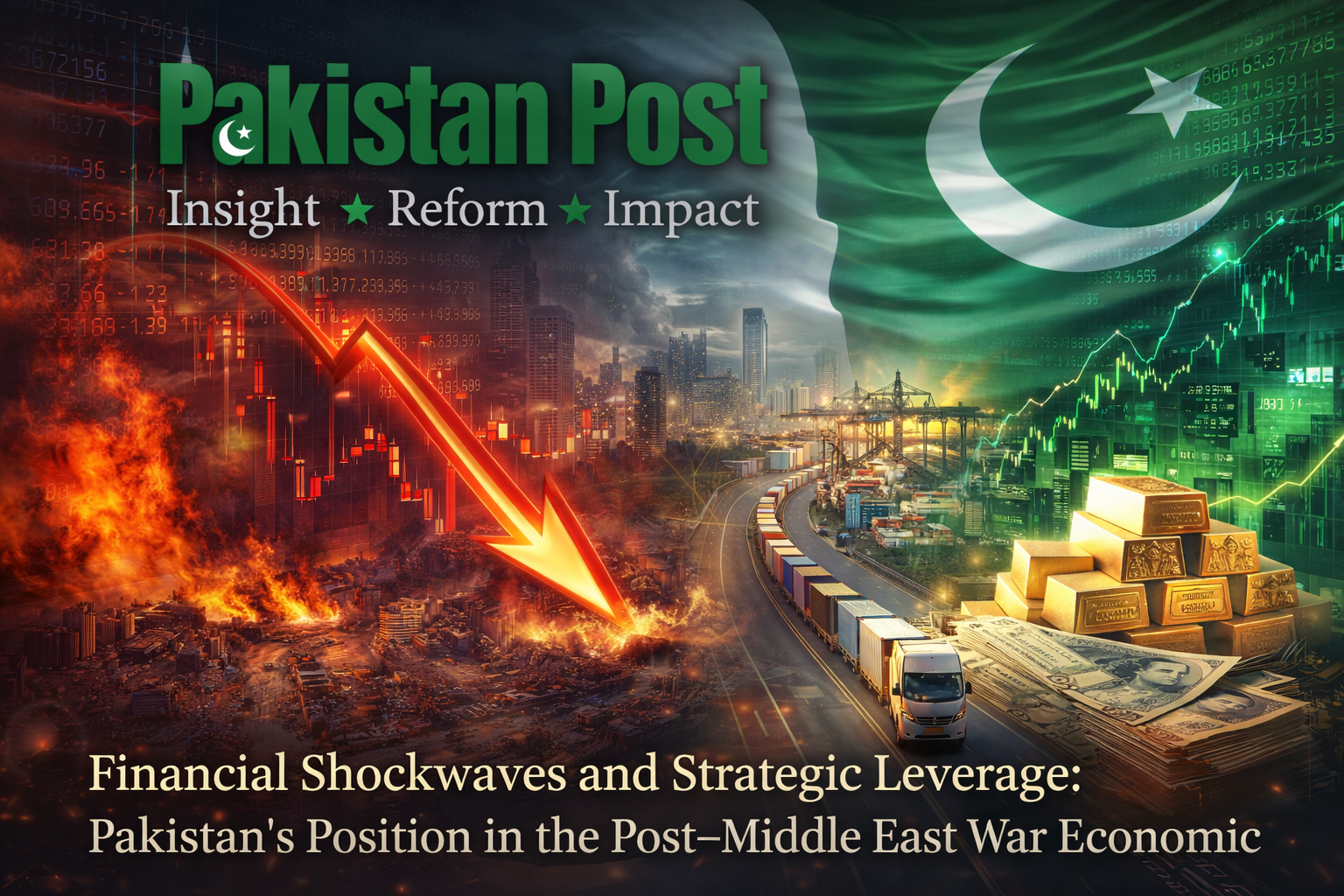
Financial Shockwaves and Strategic Leverage: Pakistan’s Position in the Post–Middle East War Economic Reset
The economic consequences of war are rarely confined to the battlefield. They reverberate through financial markets, reshape capital flows, and redefine the parameters within which states pursue stability and growth. The recent conflict involving the United States, Israel, and Iran has triggered precisely
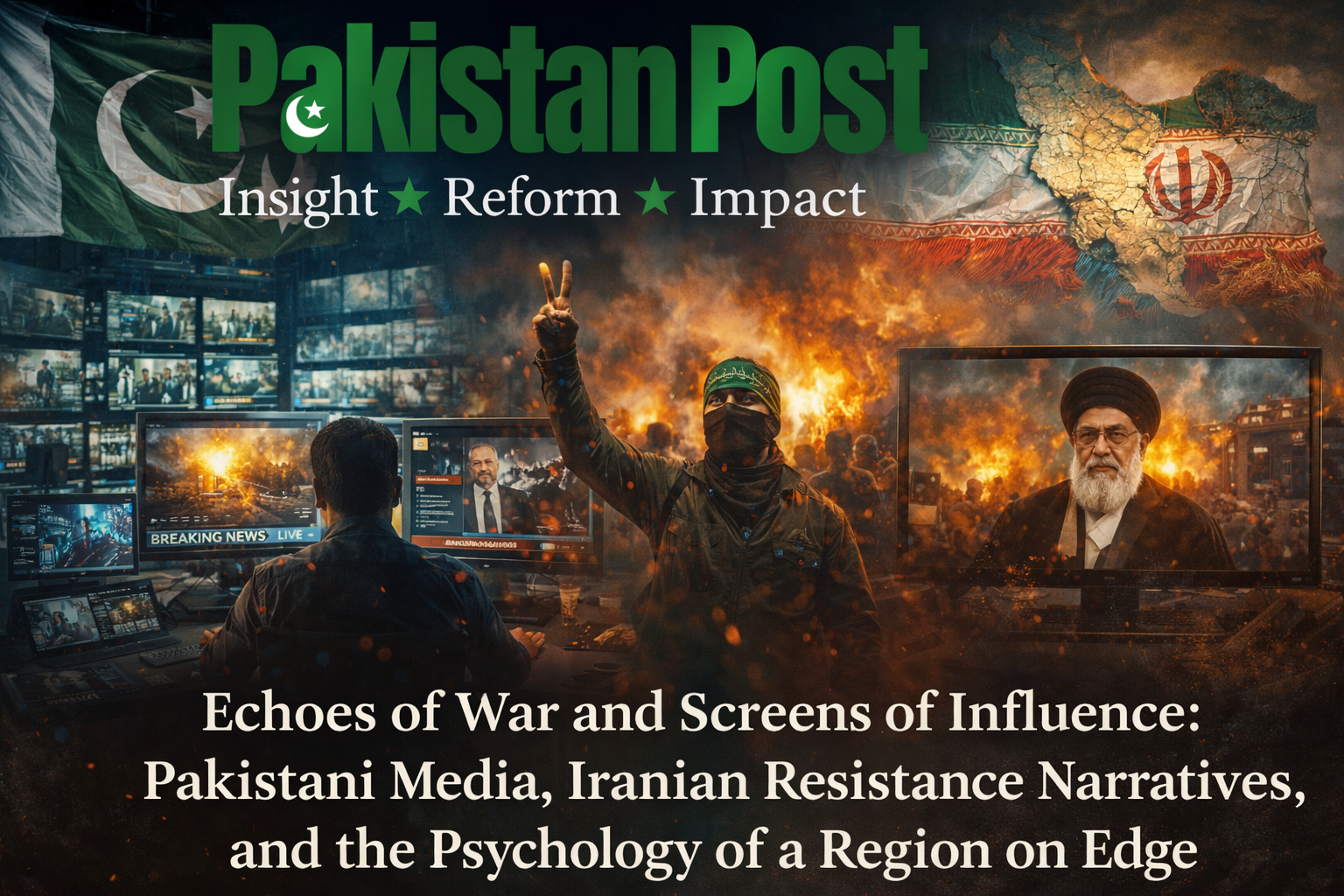
Echoes of War and Screens of Influence: Pakistani Media, Iranian Resistance Narratives, and the Psychology of a Region on Edge
The Iran–Gulf crisis, escalating in recent months, has produced waves of regional anxiety that reverberate across multiple layers of political, economic, and media landscapes. Pakistani media, positioned geographically and culturally close to the epicenter of these tensions, has become a crucial arena for
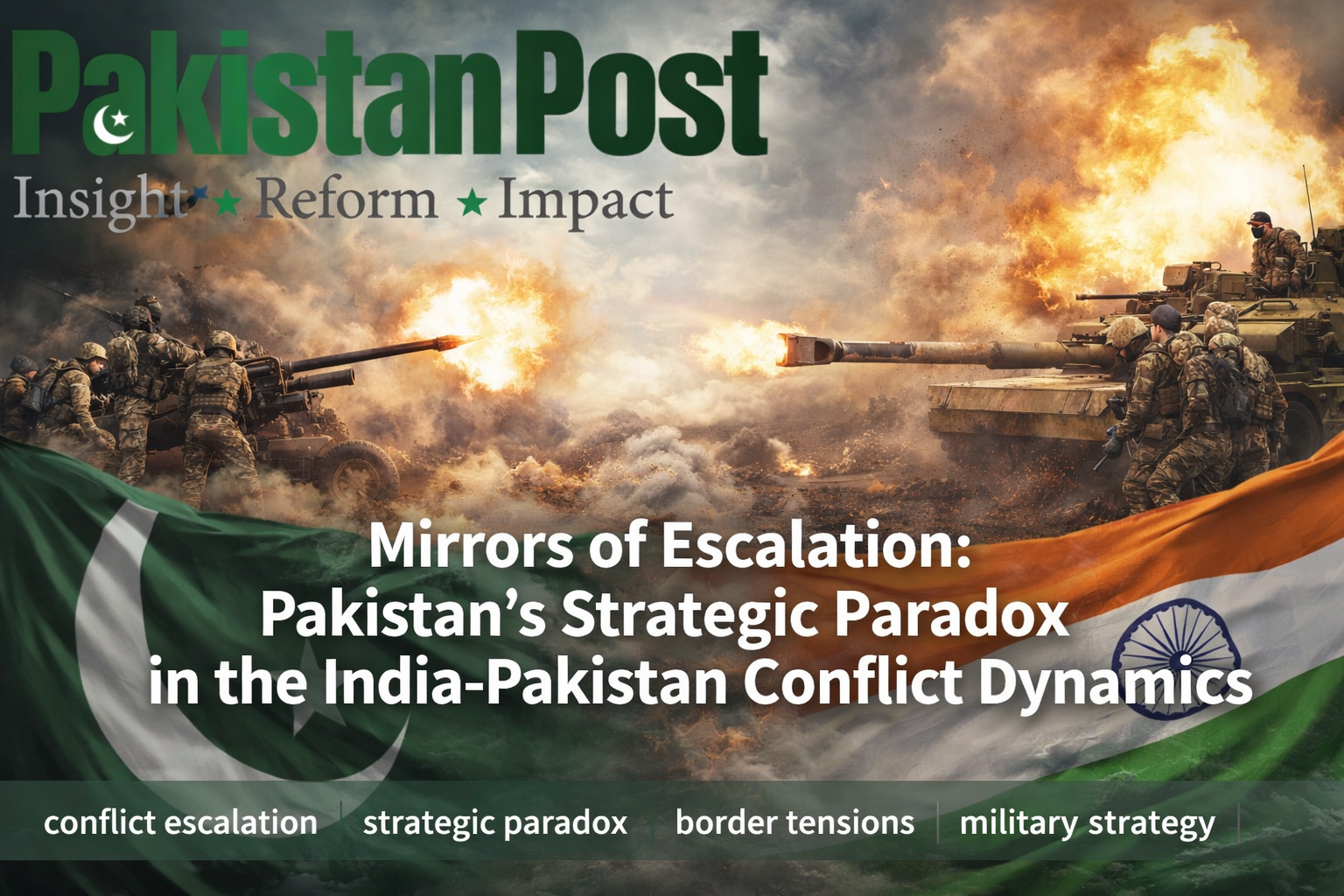
Mirrors of Escalation: Pakistan’s Strategic Paradox in the India-Pakistan Conflict Dynamics
The India-Pakistan security environment in the post-nuclear era is defined by a delicate interplay between restraint and coercion, perception and action, signaling and response. While conventional military doctrines often emphasize decisive force, the realities of the subcontinental rivalry have transformed strategic restraint into
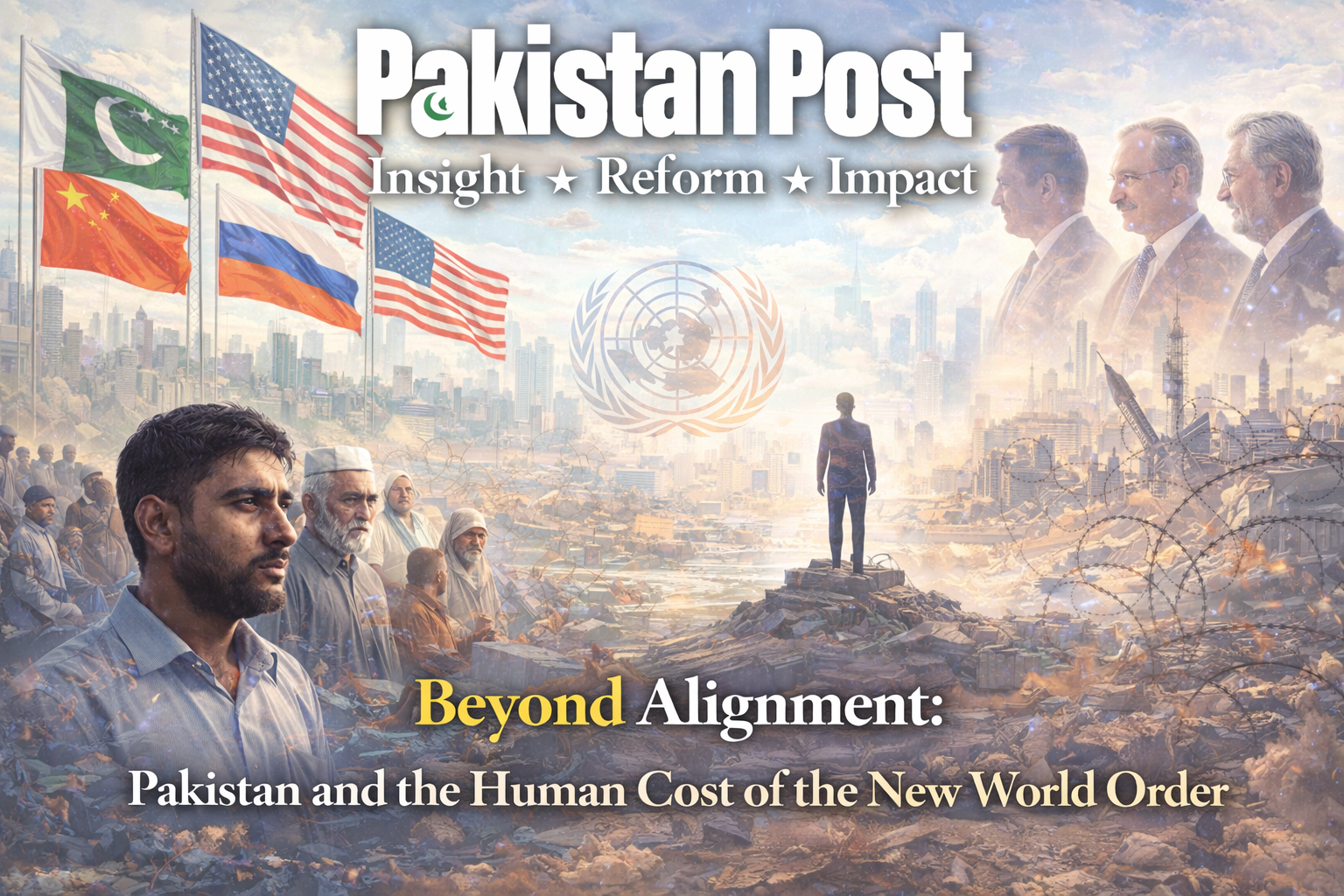
Beyond Alignment: Pakistan and the Human Cost of the New World Order
In the current geopolitical epoch, conventional paradigms of power, sovereignty, and security are undergoing profound transformation. States like Pakistan no longer operate solely within frameworks of realism, liberalism, or constructivism. They are increasingly compelled to navigate a trans-normative environment in which the rules
The Currency of Words: Media, Power, and Geo Economic Rivalry
The vocabulary of media freedom is undergoing a structural transformation. For decades, the dominant paradigm revolved around a binary. Free speech was equated with democratic vitality. Restriction was equated with authoritarian decline. That binary now appears inadequate to describe the realities of a