
Inland Logistics Integration and the Efficiency of Coastal to Continental Trade Flows in Pakistan


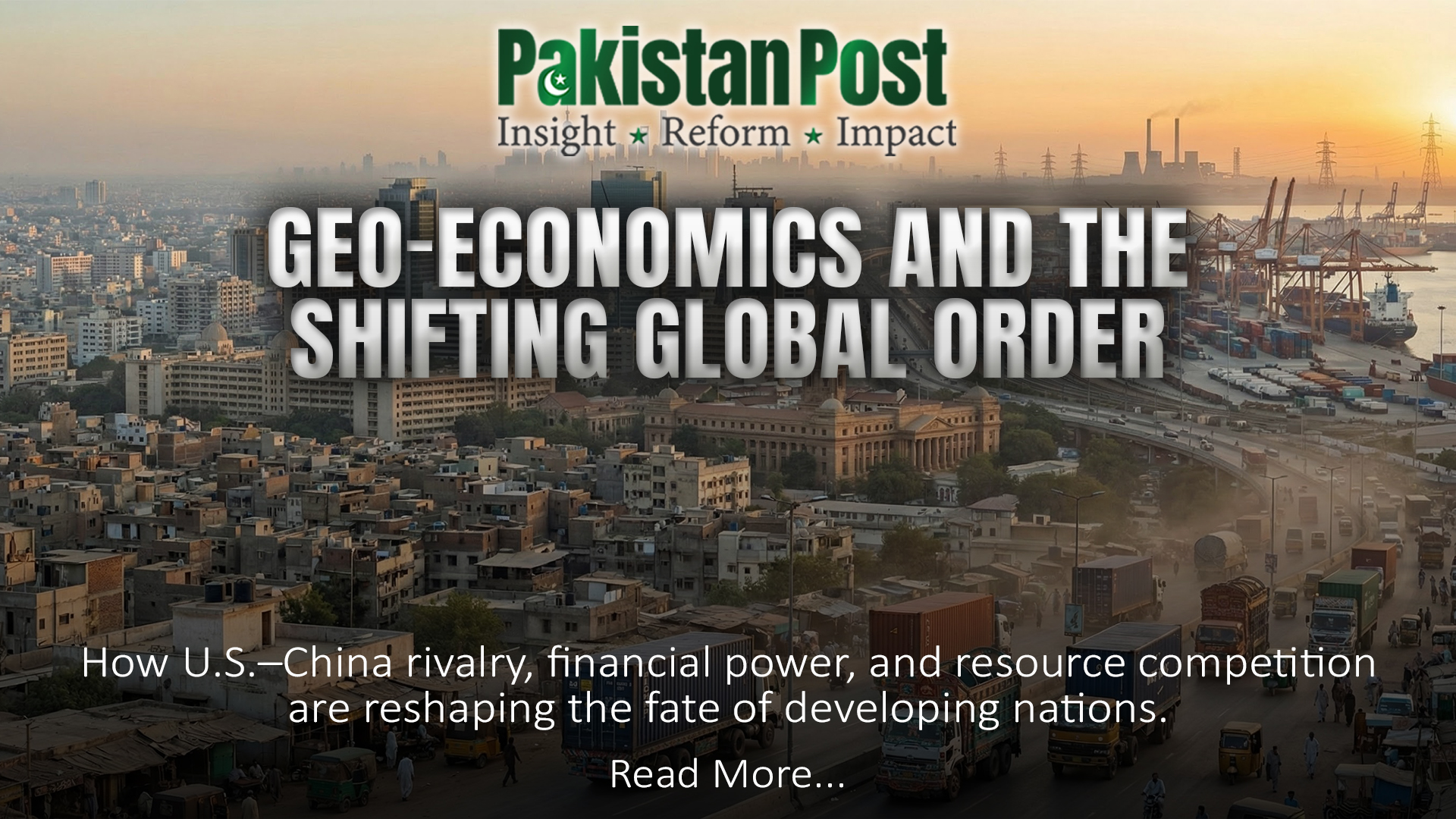
The economic performance of maritime infrastructure is not determined solely at the point of coastal loading and unloading but is increasingly shaped by the efficiency of inland connectivity systems that link ports to production centers, consumption markets, and regional trade corridors. In the case of Pakistan, the development of integrated logistics networks connecting coastal ports with inland economic zones has become a central element of national trade facilitation policy.
The structure of Pakistan’s trade system reflects a dual dependency on maritime entry points and inland distribution corridors. Ports such as Karachi and Gwadar function as external gateways, while highways, rail networks, and dry port facilities operate as internal distribution channels. The economic value of maritime infrastructure is therefore realized only when it is effectively connected to inland logistics systems that ensure timely and cost efficient movement of goods.
A key policy objective in recent years has been the reduction of friction costs within the inland transport system. These costs include delays at checkpoints, inefficient cargo handling, fragmented documentation processes, and inconsistent regulatory enforcement across jurisdictions. Reducing such inefficiencies is essential for improving national competitiveness in international trade markets.
Infrastructure development plays a foundational role in addressing these constraints. Expansion of national highway systems and modernization of freight rail services are intended to reduce transit times between coastal ports and inland industrial zones. These investments are designed to increase the predictability of supply chains and improve integration with regional trade routes extending into Central Asia and the Middle East.
Dry port development is a significant component of this inland logistics strategy. Dry ports function as inland extensions of maritime terminals, allowing customs clearance and cargo consolidation to take place away from congested coastal facilities. This reduces pressure on port infrastructure and improves overall system efficiency. The establishment of such facilities in key inland cities strengthens the spatial distribution of trade activity.
Customs modernization is closely linked to inland logistics efficiency. The introduction of electronic customs declaration systems, standardized inspection protocols, and automated cargo tracking mechanisms has reduced processing delays and improved transparency. These reforms support the creation of a unified trade facilitation environment that extends from port entry points to inland distribution centers.
The role of transport corridor governance is increasingly important in this context. Coordinated management of highways, railways, and logistics hubs requires institutional alignment between federal transport authorities, provincial administrations, and private logistics operators. This coordination ensures that infrastructure investments translate into operational efficiency.
Pakistan’s inland trade corridors are also shaped by regional connectivity frameworks that extend beyond national borders. Trade routes linking Pakistan to Afghanistan, China, and Central Asian republics are being developed to facilitate cross border commerce. These corridors increase the strategic value of inland logistics systems by integrating them into broader regional supply chains.
The economic rationale for such integration is grounded in the principle of trade elasticity. Reduced transport costs and improved logistics efficiency increase trade volume by lowering the effective cost of market access. This contributes to export competitiveness and enhances the attractiveness of Pakistan as a transit economy.
Private sector participation is increasingly important in inland logistics development. Logistics companies, freight operators, and warehouse management firms play a critical role in optimizing supply chain performance. Public private partnerships are being used to finance infrastructure projects and improve operational efficiency in freight handling systems.
Digitalization of logistics management is another key reform area. The adoption of electronic tracking systems, centralized freight databases, and automated scheduling platforms has improved coordination across different segments of the transport system. These tools enable real time monitoring of cargo movement and reduce information asymmetry between stakeholders.
Energy supply constraints also influence logistics performance. Efficient transport systems require stable fuel availability and cost predictable energy inputs for freight operations. Policy coordination between energy and transport sectors is therefore necessary to maintain system stability and reduce operational disruptions.
Environmental considerations are increasingly integrated into logistics planning. Transport emissions, fuel efficiency standards, and congestion management policies are being incorporated into infrastructure design. These measures align with international sustainability standards and improve long term system resilience.
Institutional reforms in transport governance are aimed at improving regulatory clarity. Fragmented oversight across multiple agencies has historically contributed to inefficiencies in logistics operations. Efforts to consolidate regulatory authority and streamline decision making processes are intended to improve system responsiveness.
The development of special economic zones linked to transport corridors is also contributing to inland economic integration. These zones provide industrial clusters with direct access to logistics infrastructure, reducing transport costs and improving export readiness. This spatial integration strengthens the linkage between production systems and trade networks.
Financial mechanisms supporting inland logistics expansion include multilateral development financing, domestic public investment, and private sector capital mobilization. These funding sources are directed toward infrastructure expansion, technology adoption, and capacity building in logistics management.
In conclusion, the efficiency of Pakistan’s trade system is increasingly determined by the integration of coastal ports with inland logistics networks. Improvements in transport infrastructure, customs modernization, regulatory coordination, and digital logistics systems are collectively enhancing the performance of national trade corridors. This integrated approach strengthens Pakistan’s position within regional and global trade networks by ensuring that maritime access is effectively connected to inland economic activity.
A Public Service Message