
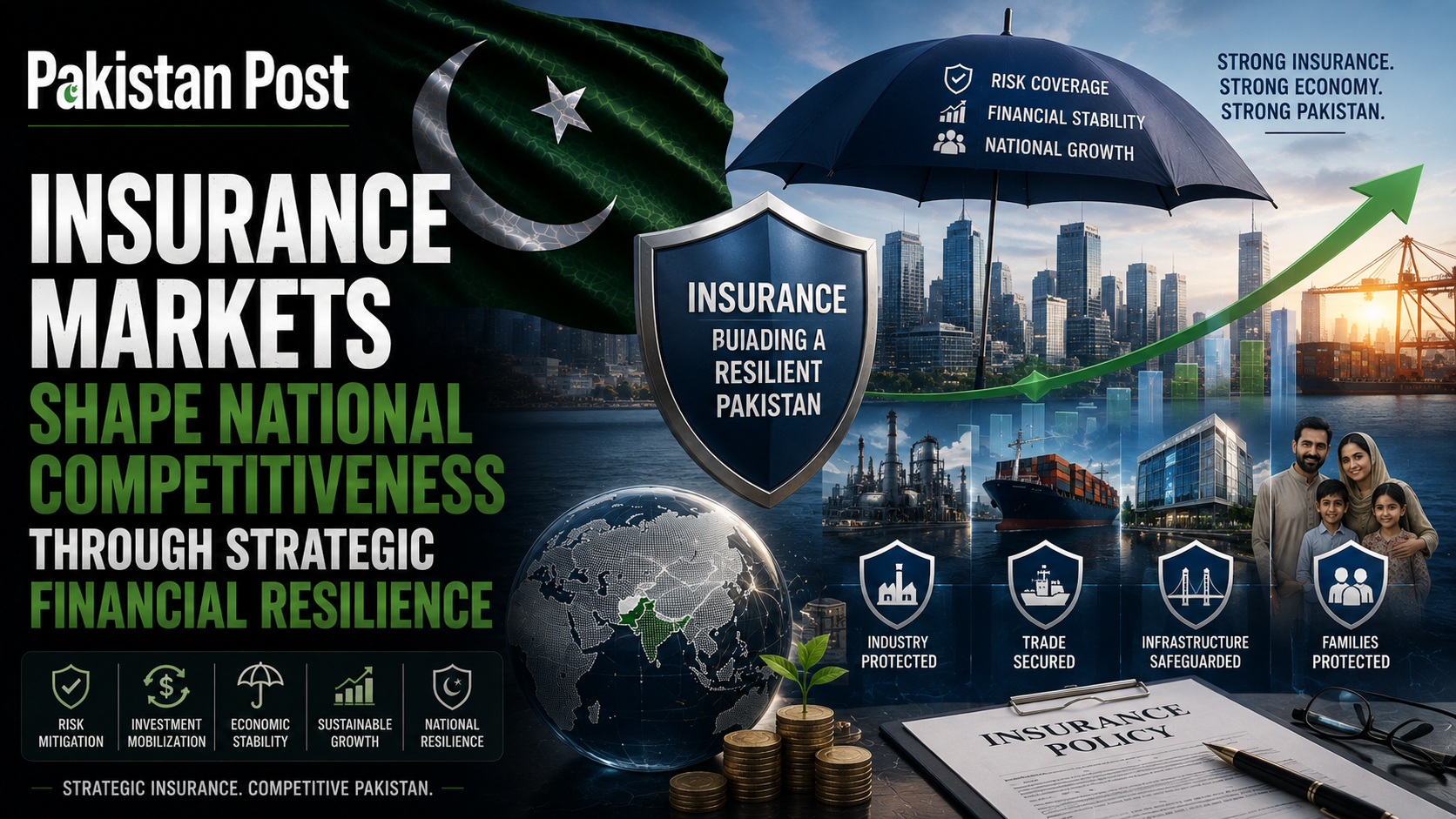
Insurance Markets Shape National Competitiveness Through Strategic Financial Resilience

Pakistan possesses significant opportunities to modernise agricultural insurance through digital technologies already expanding across financial services. Remote sensing, artificial intelligence, satellite imagery and mobile financial platforms could substantially improve underwriting accuracy while lowering administrative costs. Such integration would strengthen rural resilience and reduce
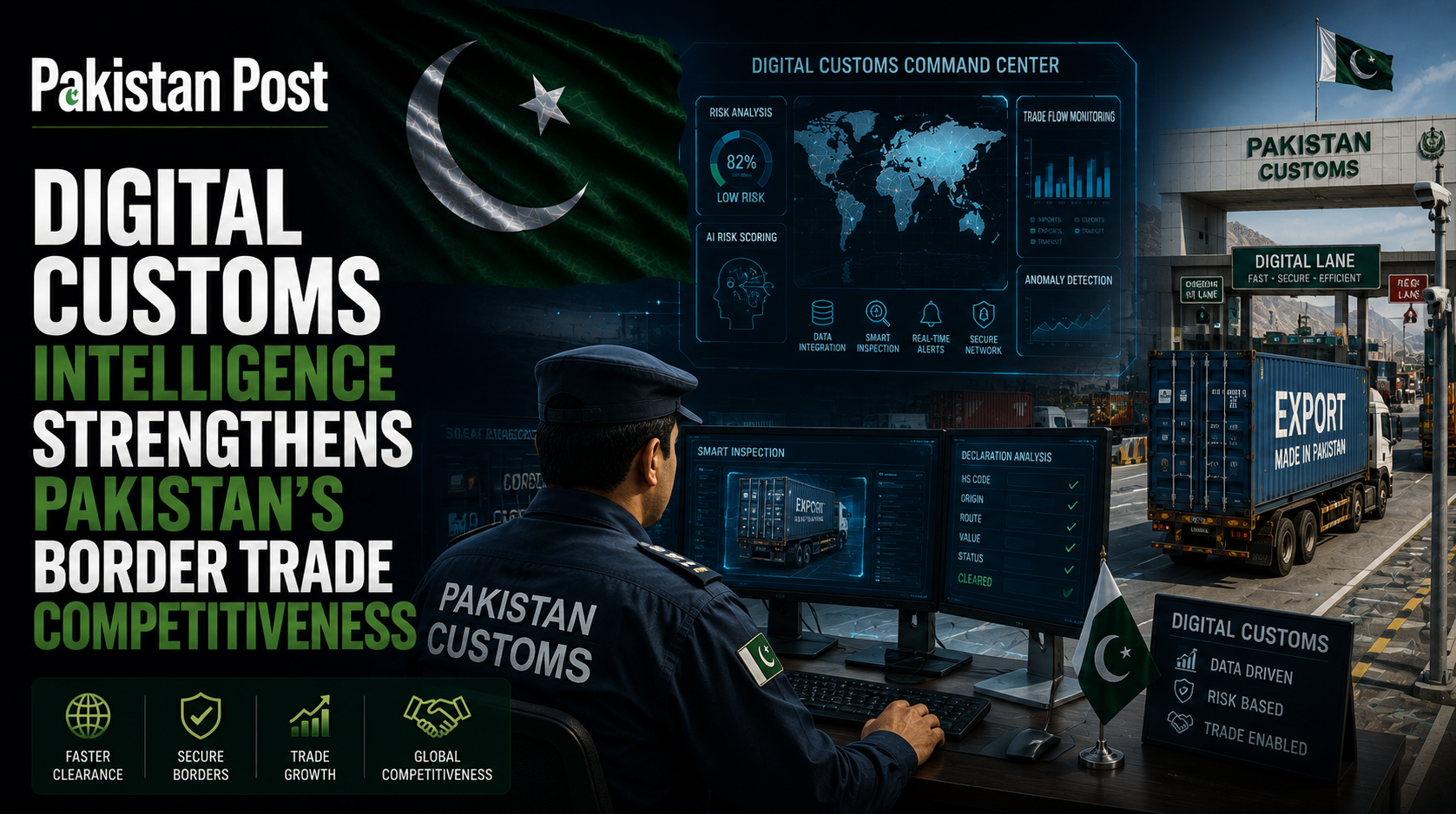
Digital Customs Intelligence Strengthens Pakistan’s Border Trade Competitiveness
International trade is undergoing a profound administrative transformation. The competitiveness of modern economies increasingly depends not only upon ports, highways and industrial production but also upon the intelligence embedded within border governance. Customs administrations are evolving from paperwork driven institutions into sophisticated data
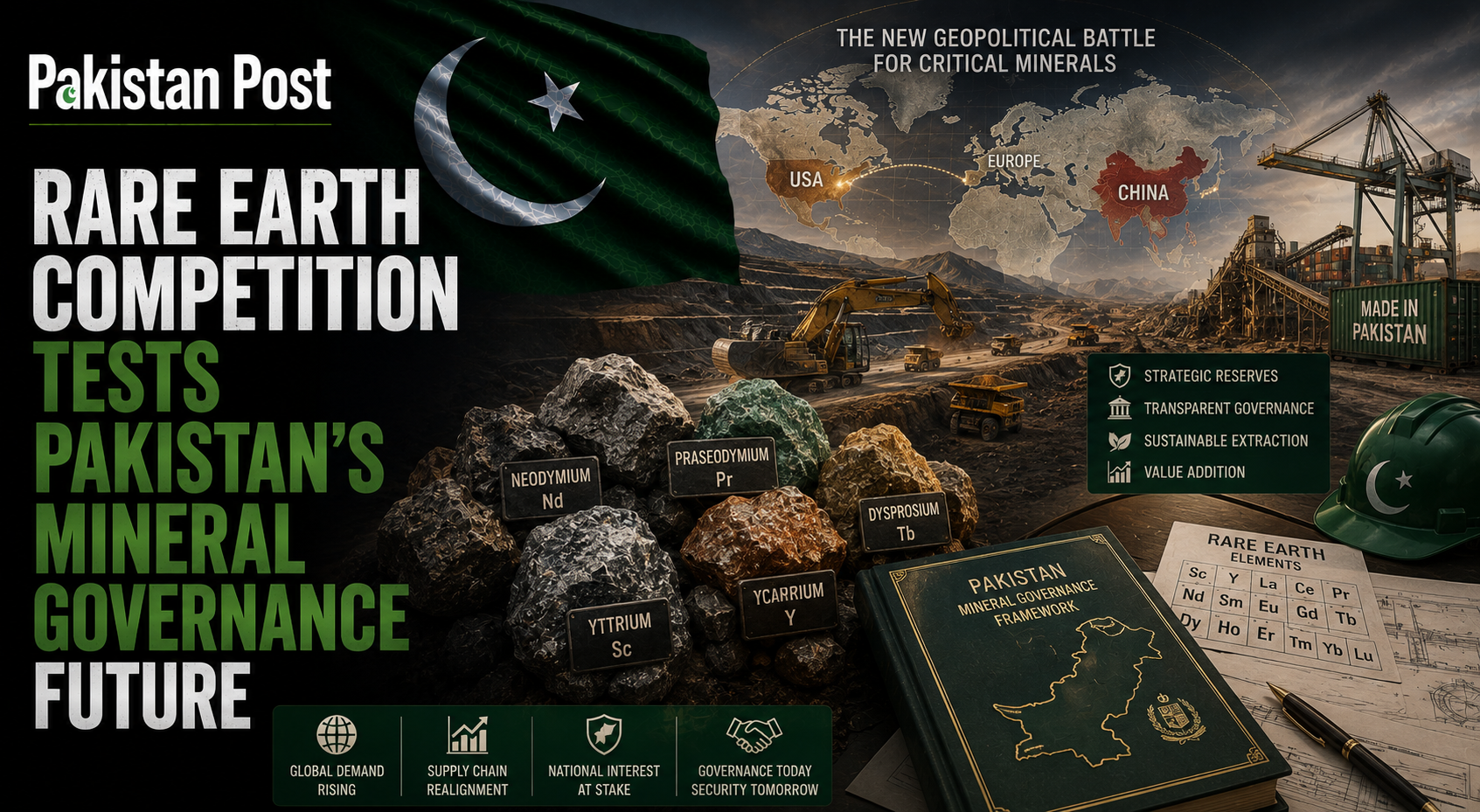
Rare Earth Competition Tests Pakistan’s Mineral Governance Future
The contest for rare earth elements has quietly become one of the defining strategic competitions of the twenty first century. While oil shaped the geopolitical architecture of the industrial era and semiconductors now dominate technological rivalry, the minerals enabling advanced manufacturing have emerged
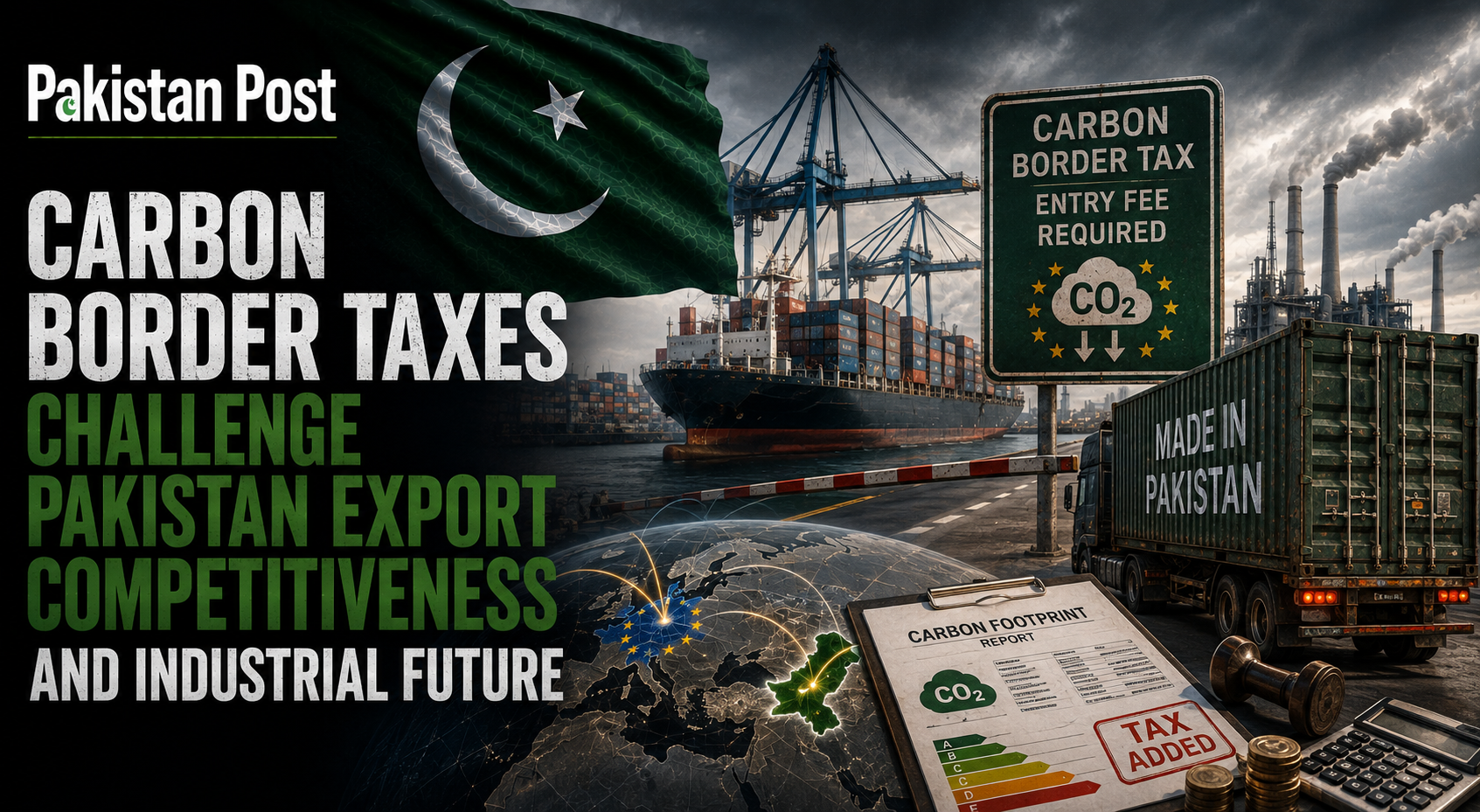
Carbon Border Taxes Challenge Pakistan Export Competitiveness and Industrial Future
Carbon emissions have moved beyond environmental diplomacy into the architecture of international commerce. Climate policy is no longer confined to environmental ministries or multilateral negotiations. It now influences customs procedures, investment decisions, manufacturing standards, financial disclosure, supply chain governance and market access across
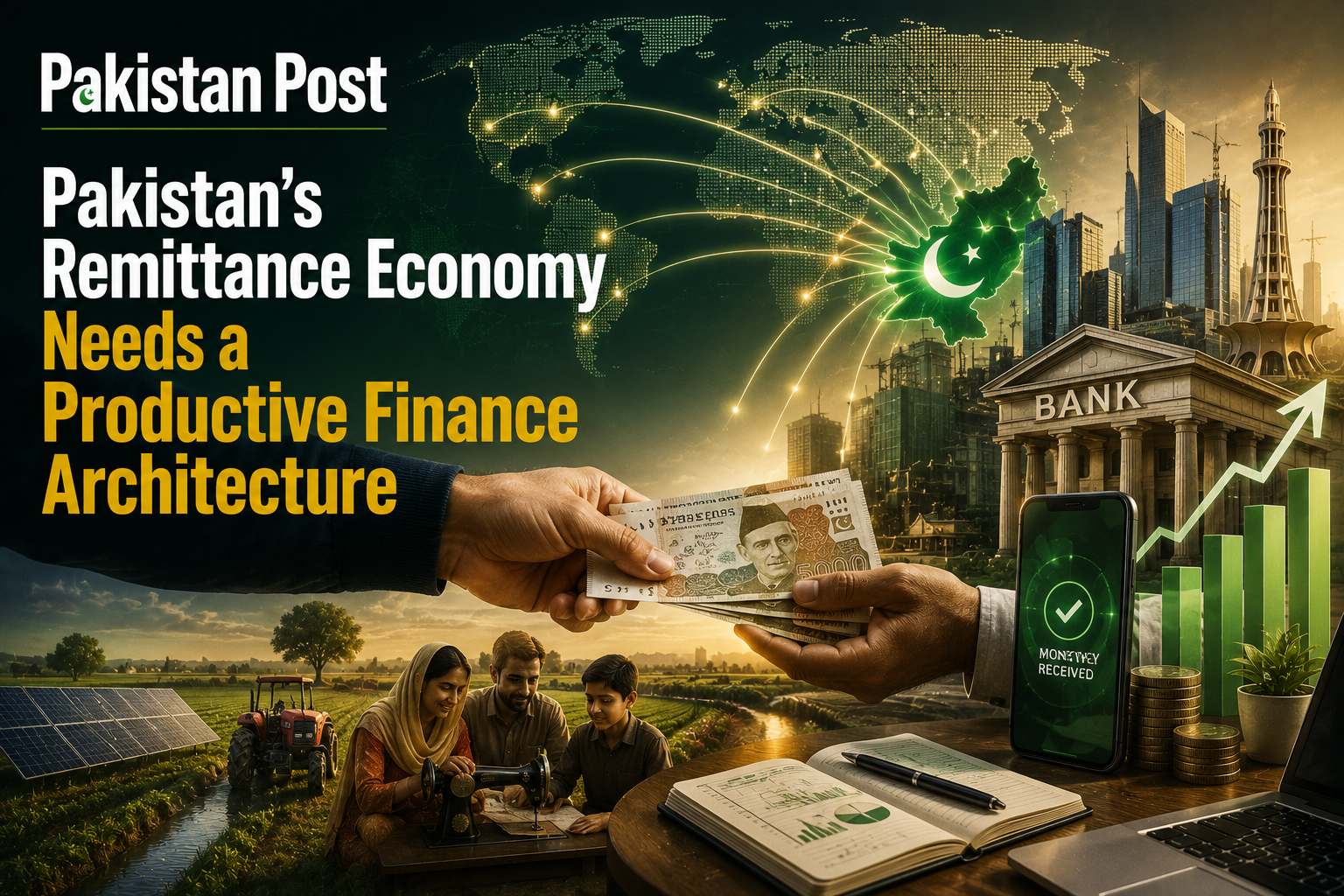
Pakistan’s Remittance Economy Needs a Productive Finance Architecture
Pakistan’s remittance economy is often discussed as a foreign exchange story. That description is accurate but strategically incomplete. Remittances are one of the country’s most dependable external financing streams, yet their deeper economic significance lies in the financial relationship they create between millions
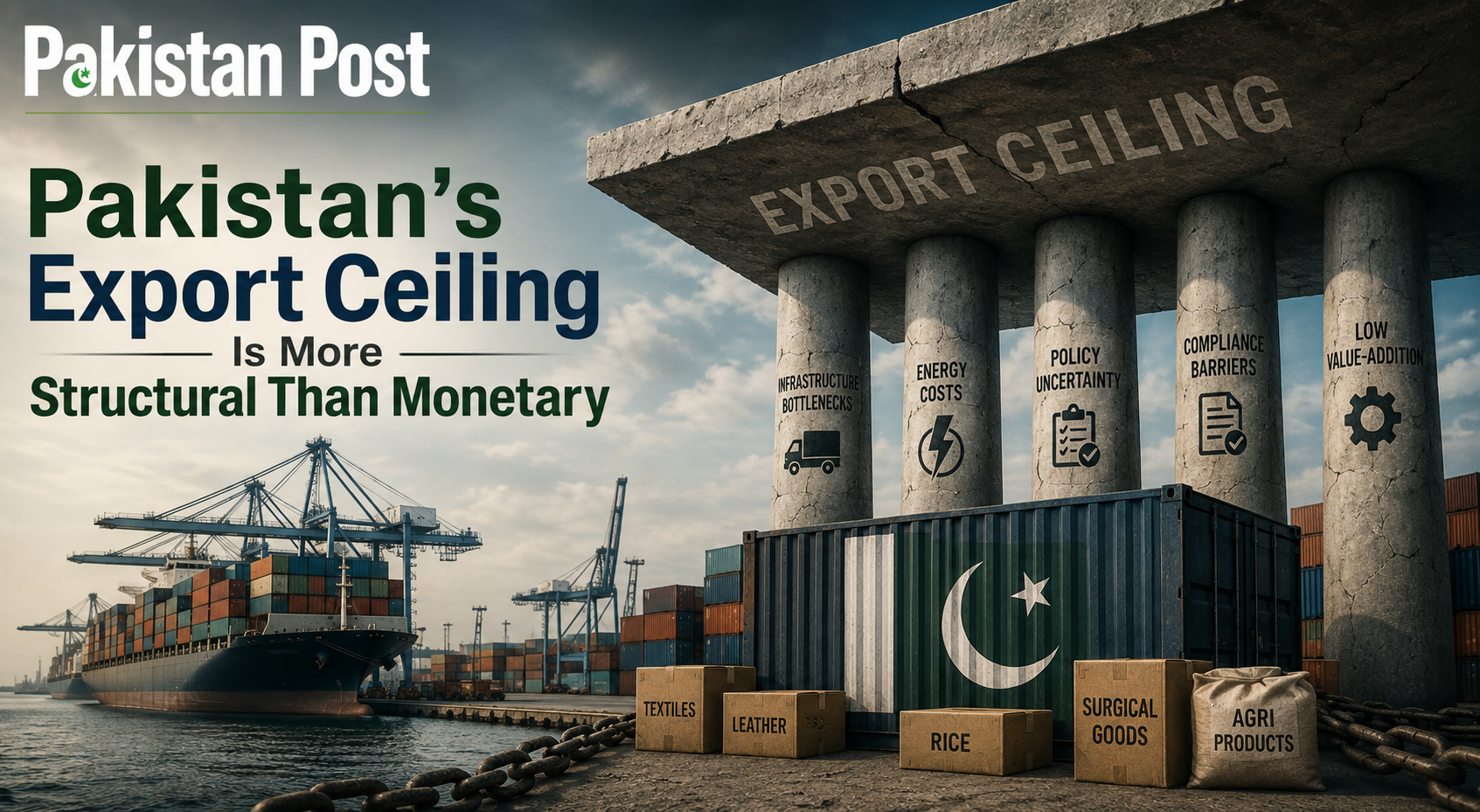
Pakistan’s Export Ceiling Is More Structural Than Monetary
Pakistan’s recurring belief in the exchange rate as an export strategy has survived far more evidence than it deserves. Whenever the rupee weakens, policymakers expect exporters to become more competitive, factories to expand, foreign buyers to increase orders and the trade deficit to
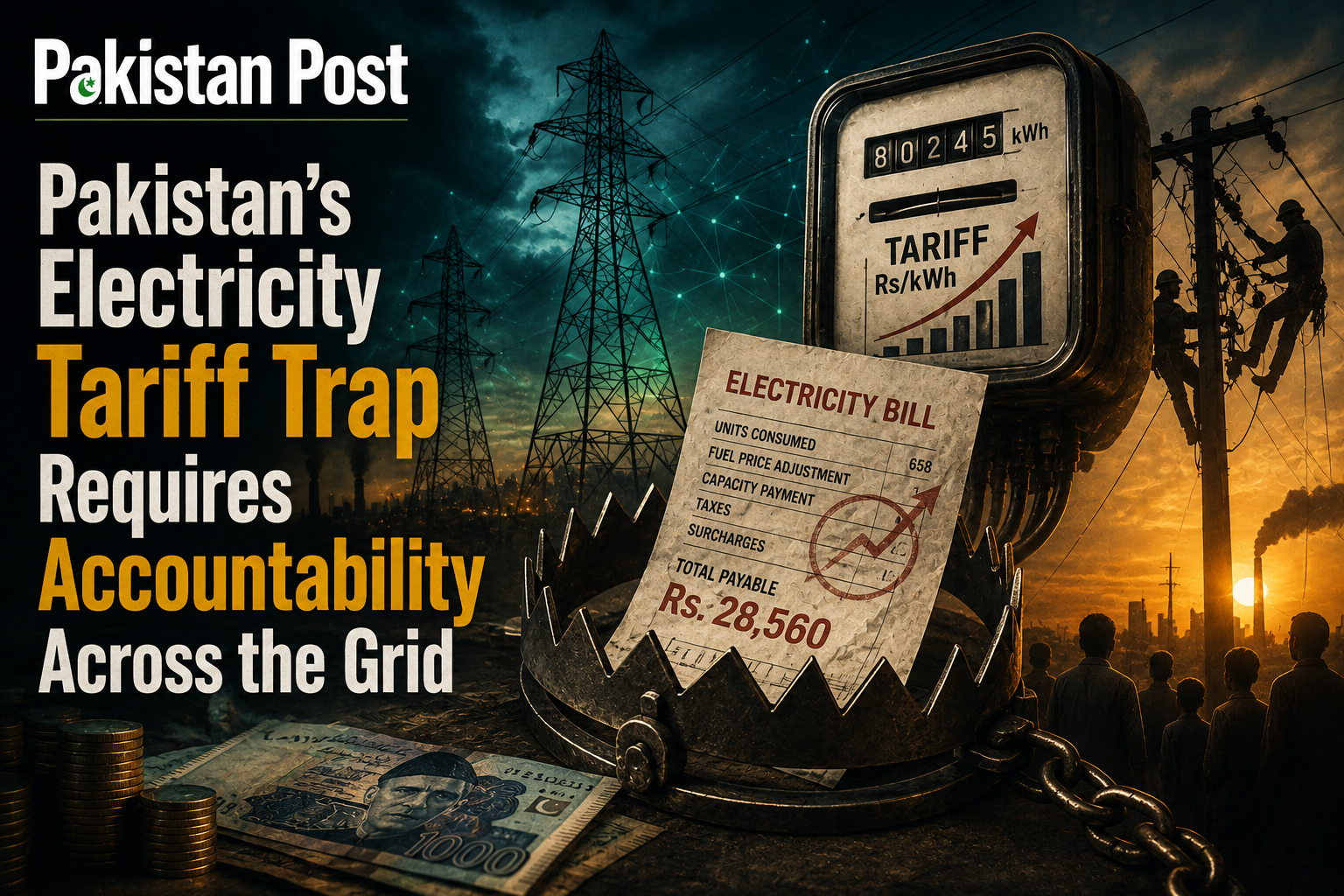
Pakistan’s Electricity Tariff Trap Requires Accountability Across the Grid
Pakistan’s electricity problem is no longer adequately described as a shortage of generation. The country has spent years expanding generation capacity while failing to construct an equally disciplined commercial architecture around transmission, distribution, billing, collection and demand. The result is a paradox that
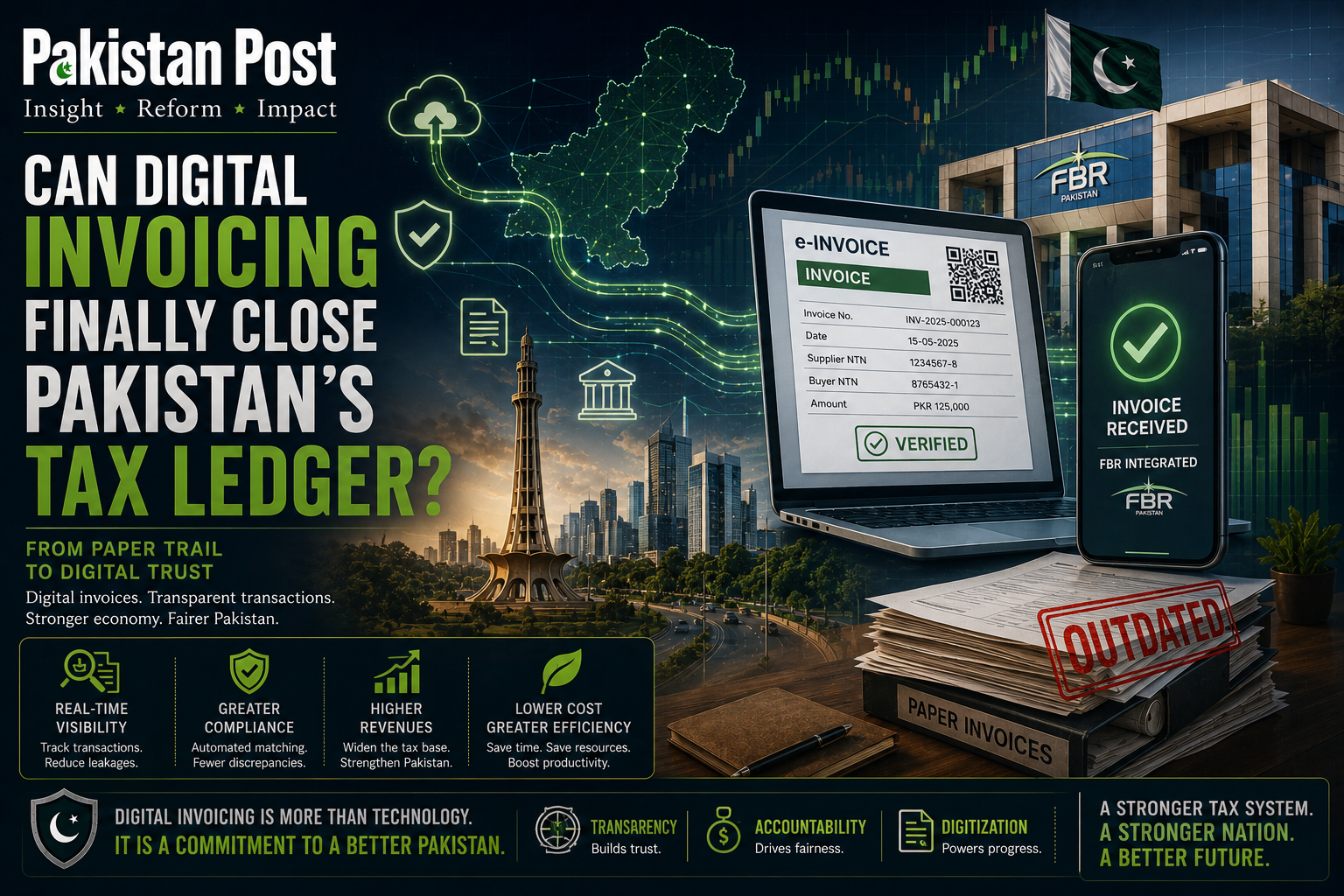
Can digital invoicing finally close Pakistan’s tax ledger?
Pakistan’s tax problem is no longer primarily a question of whether economic activity exists. It is a question of whether the state can see it. A substantial portion of commerce continues to operate through transactions that leave incomplete, fragmented or deliberately obscured records,
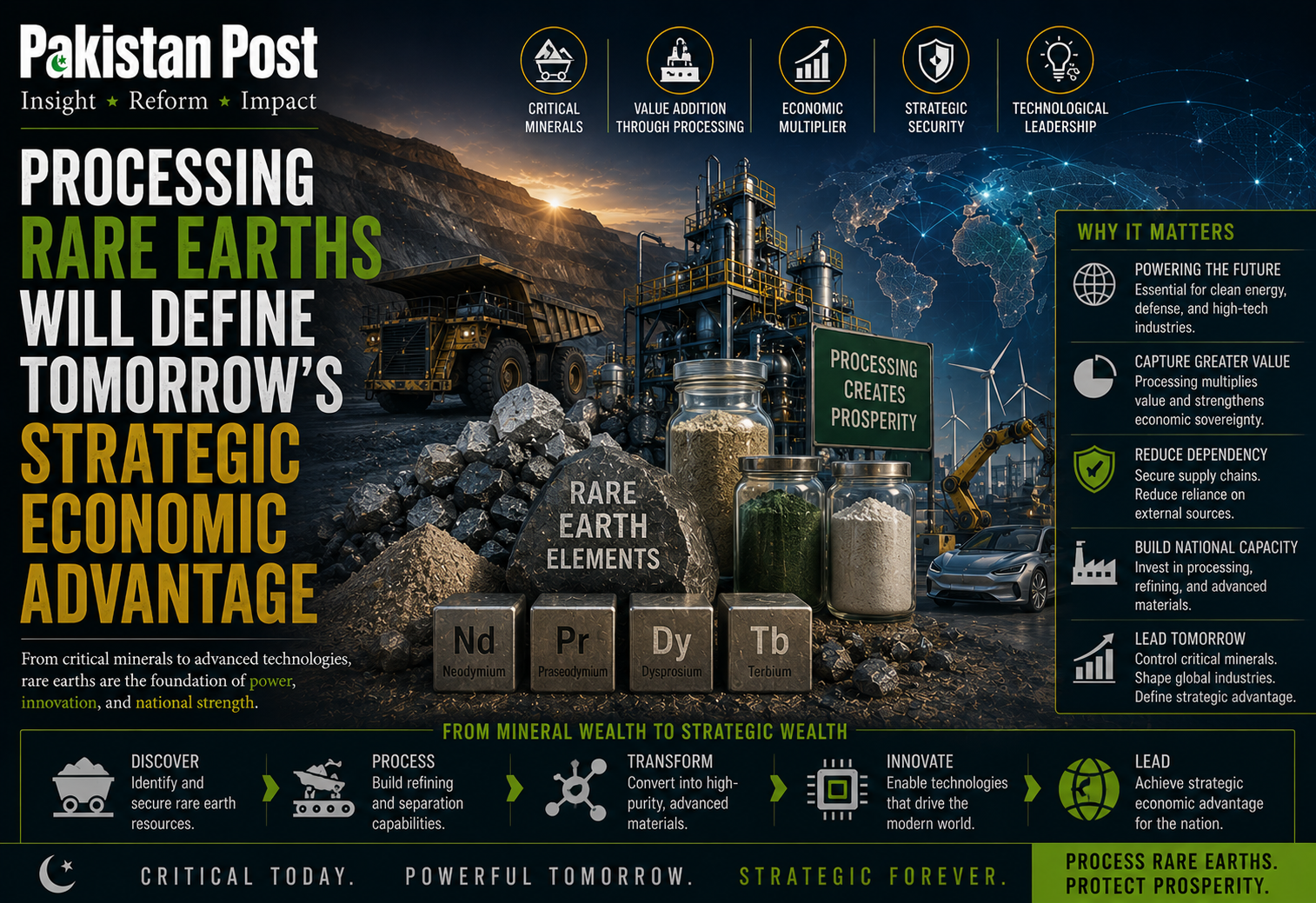
Processing Rare Earths Will Define Tomorrow’s Strategic Economic Advantage
The international contest over critical minerals is undergoing a profound transformation. For much of the past two decades, strategic debate focused overwhelmingly on the geographical distribution of mineral deposits, exploration rights, mining concessions and access to untapped reserves. Governments measured competitive advantage by
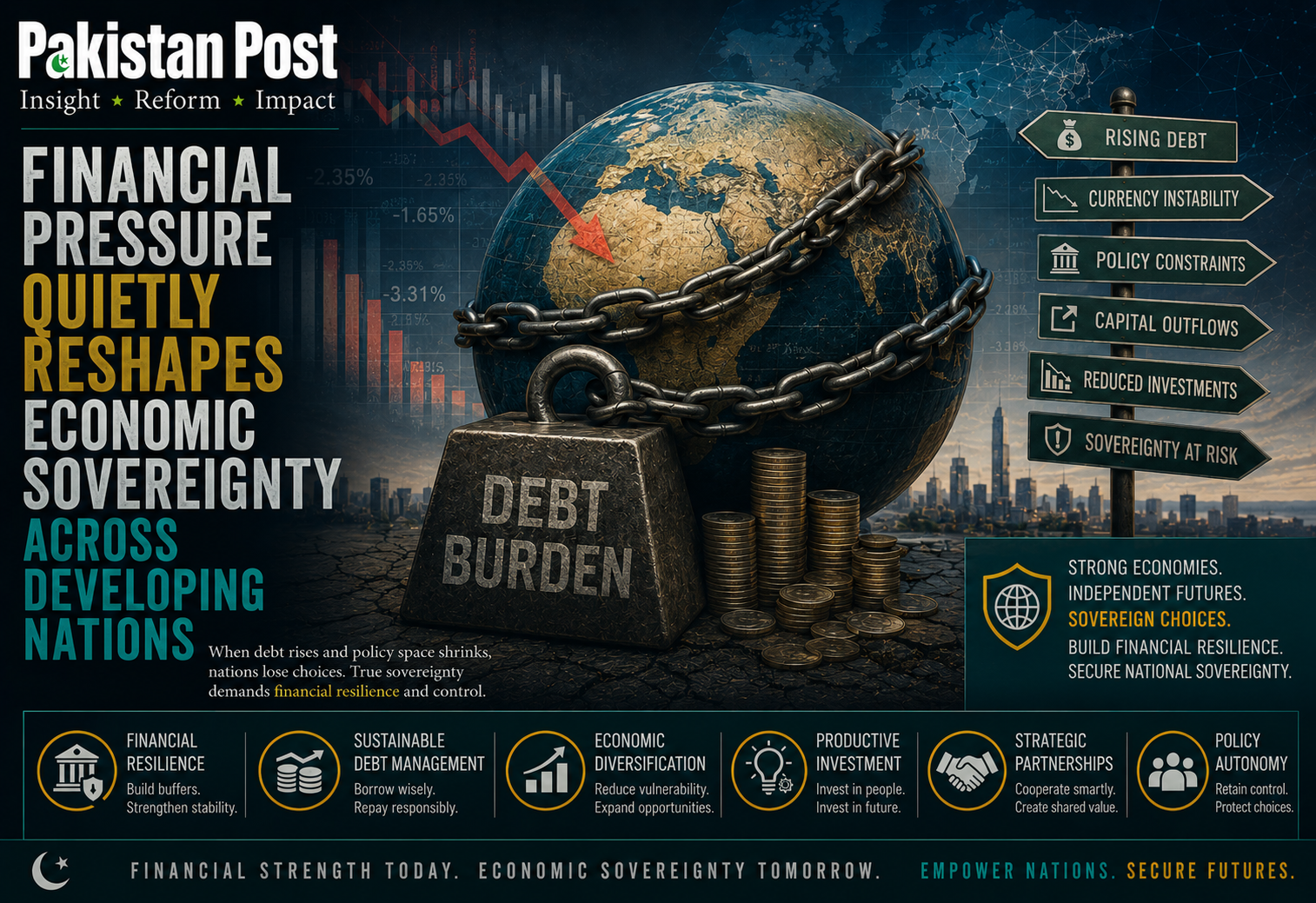
Financial Pressure Quietly Reshapes Economic Sovereignty Across Developing Nations
The architecture of international economic influence has undergone a profound transformation. The traditional image of sanctions, embargoes and overt economic coercion is increasingly being replaced by a sophisticated network of financial signalling mechanisms capable of shaping sovereign behaviour without the formal declaration of