
Trade Continuity, Legal Compliance, and Port Efficiency in Pakistan’s Coastal Economic System


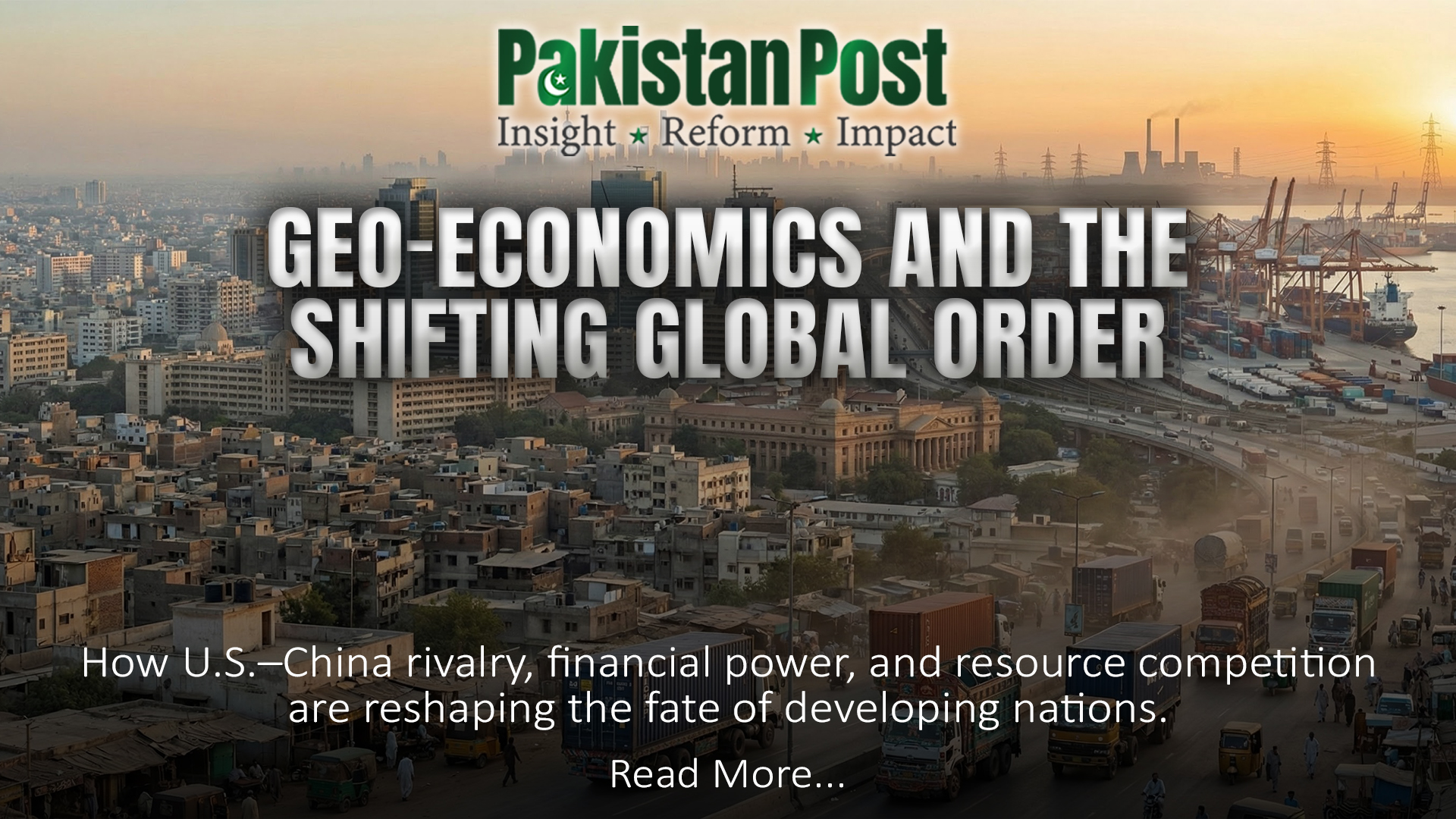
The economic function of maritime infrastructure in Pakistan is increasingly defined by the efficiency, predictability, and legal reliability of trade operations rather than by any security-based interpretation of coastal space. Within this framework, coastal assets such as Gwadar and Karachi are evaluated primarily through their contribution to trade continuity, customs facilitation, and compliance with international shipping standards.
The transformation of Pakistan’s maritime sector is aligned with global expectations articulated through institutions such as the International Maritime Organization and the World Customs Organization. These frameworks emphasize standardized procedures for cargo handling, vessel tracking, safety inspection, and environmental compliance. Pakistan’s adaptation to these standards reflects a broader policy shift from ad hoc operational practices toward rule based maritime administration.
A central feature of this transition is the modernization of port administration systems. Digital customs clearance platforms, automated cargo tracking systems, and integrated port community databases are gradually replacing manual documentation processes. This shift reduces transaction costs, minimizes clearance delays, and increases predictability for international shipping lines operating in Pakistani waters.
The economic rationale for these reforms is grounded in the need to improve trade competitiveness. Regional ports compete not through coercive capacity but through efficiency indicators such as turnaround time, storage costs, and regulatory transparency. In this context, Pakistan’s ports are being positioned within a competitive logistics environment that connects the Arabian Sea to inland markets in Central and South Asia.
A key policy development is the alignment of national customs procedures with internationally recognized harmonization standards. This includes the adoption of risk based inspection protocols, electronic documentation systems, and standardized tariff classification mechanisms. These measures reduce discretionary delays and strengthen compliance with global trade rules.
Infrastructure investment also plays a central role in this transformation. Road and rail connectivity linking coastal terminals to inland economic corridors is being expanded to reduce logistical bottlenecks. These investments are not only physical but institutional, requiring coordination between federal agencies, provincial authorities, and private sector logistics operators.
The economic performance of ports is increasingly evaluated through measurable indicators. These include container dwell time, berth occupancy rates, cargo throughput efficiency, and customs clearance duration. Policy reforms are therefore increasingly data driven, with performance benchmarks aligned with international trade facilitation indices.
Environmental compliance is another emerging dimension of maritime policy. Regulations concerning ballast water management, emissions control, and waste disposal are being integrated into port operations. These measures reflect Pakistan’s alignment with global maritime environmental standards and contribute to long term sustainability of coastal infrastructure.
The role of foreign cooperation in this sector is primarily technical and institutional rather than strategic. Collaboration with China in port construction and logistics systems is framed within broader infrastructure development agreements, while multilateral engagement with organizations such as the World Bank and Asian Development Bank focuses on financing, technical assistance, and capacity building.
Legal frameworks governing maritime activity are also undergoing reform. Updated port authority regulations, shipping registration systems, and dispute resolution mechanisms are being developed to ensure compliance with international commercial law. This enhances investor confidence and reduces legal uncertainty in maritime transactions.
The integration of digital systems into maritime trade administration has introduced greater transparency in cargo movement. Real time tracking of shipments allows regulatory authorities to monitor compliance while providing shipping companies with accurate logistical information. This reduces inefficiencies and improves predictability in supply chain management.
Pakistan’s coastal economy is increasingly linked to regional trade corridors that extend into landlocked Central Asian markets. This connectivity enhances the strategic importance of efficient port operations, as delays or inefficiencies at coastal nodes can have cascading effects on inland trade networks.
Private sector participation is expanding in port operations through concession agreements and public private partnership models. These arrangements introduce efficiency incentives while maintaining regulatory oversight by state authorities. The objective is to combine public regulatory control with private operational efficiency.
Financial flows associated with maritime trade are also becoming more structured. Banking channels, insurance mechanisms, and trade financing instruments are being aligned with international standards to reduce transaction risks. This financial modernization supports broader integration into global trade systems.
In conclusion, Pakistan’s maritime sector is undergoing a structural transition from administratively fragmented operations toward a coherent, rule based trade facilitation system. This transformation is anchored in legal standardization, infrastructure modernization, and institutional reform. The result is an emerging coastal economic system that is increasingly integrated into global maritime trade networks through compliance, efficiency, and procedural reliability rather than through any security centric framework.
A Public Service Message