
The Architecture That Forgot Its Foundation

There are moments in the intellectual history of governance when familiar concepts begin to reveal unfamiliar meanings. Poverty is one such concept. For generations it has been measured through income thresholds, consumption patterns, nutritional indicators and employment statistics. Governments announce poverty reduction strategies,
Consensus Framing Shapes Pakistan’s Emerging Editorial Institutional Culture
Pakistan’s mainstream news industry appears to be entering an editorial phase that differs noticeably from many of the patterns that dominated the country’s television expansion during the previous two decades. While political confrontation, partisan accusation and personality driven narratives continue to occupy substantial
Visa Diplomacy Shapes Pakistan’s Global Mobility and Strategic Reputation
The strength of a passport has quietly evolved into one of the most visible indicators of state credibility. International mobility is no longer determined solely by bilateral agreements or reciprocal travel arrangements. It increasingly reflects global assessments of governance standards, regulatory integrity, migration
Satellite Sovereignty Defines Pakistan’s Strategic Future In Space Competition
The invisible architecture sustaining modern states no longer resides exclusively within national territory. It increasingly operates thousands of kilometres above the Earth through orbital systems that quietly underpin military readiness, economic management, environmental monitoring, financial stability and governmental continuity. Satellites have evolved from
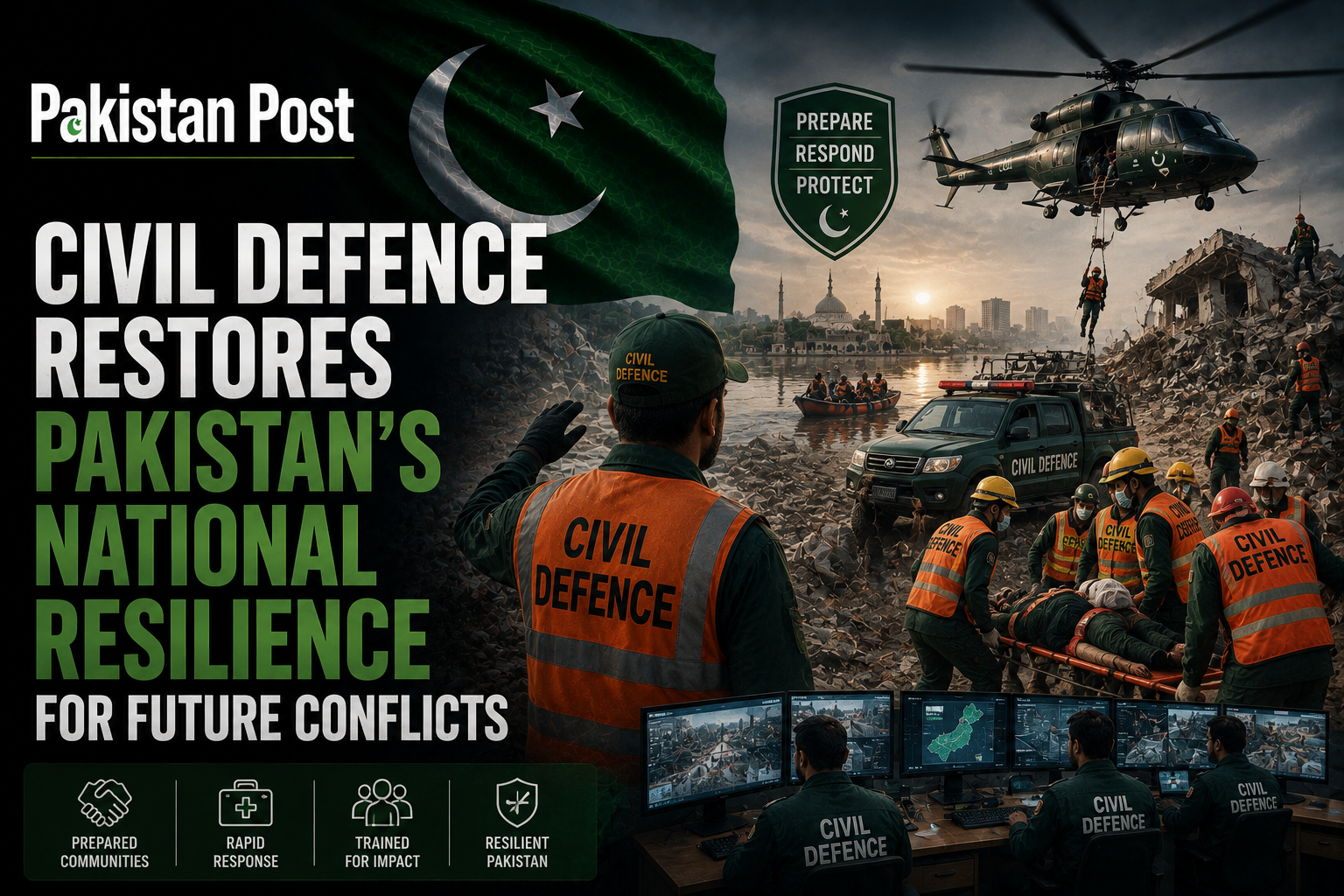
Civil Defence Restores Pakistan’s National Resilience For Future Conflicts
The geography of conflict has undergone a profound transformation. Modern warfare no longer begins with massed armour crossing borders or fighter aircraft establishing air superiority before conventional battles unfold. Instead, the earliest targets increasingly lie within the economic, administrative and technological foundations of
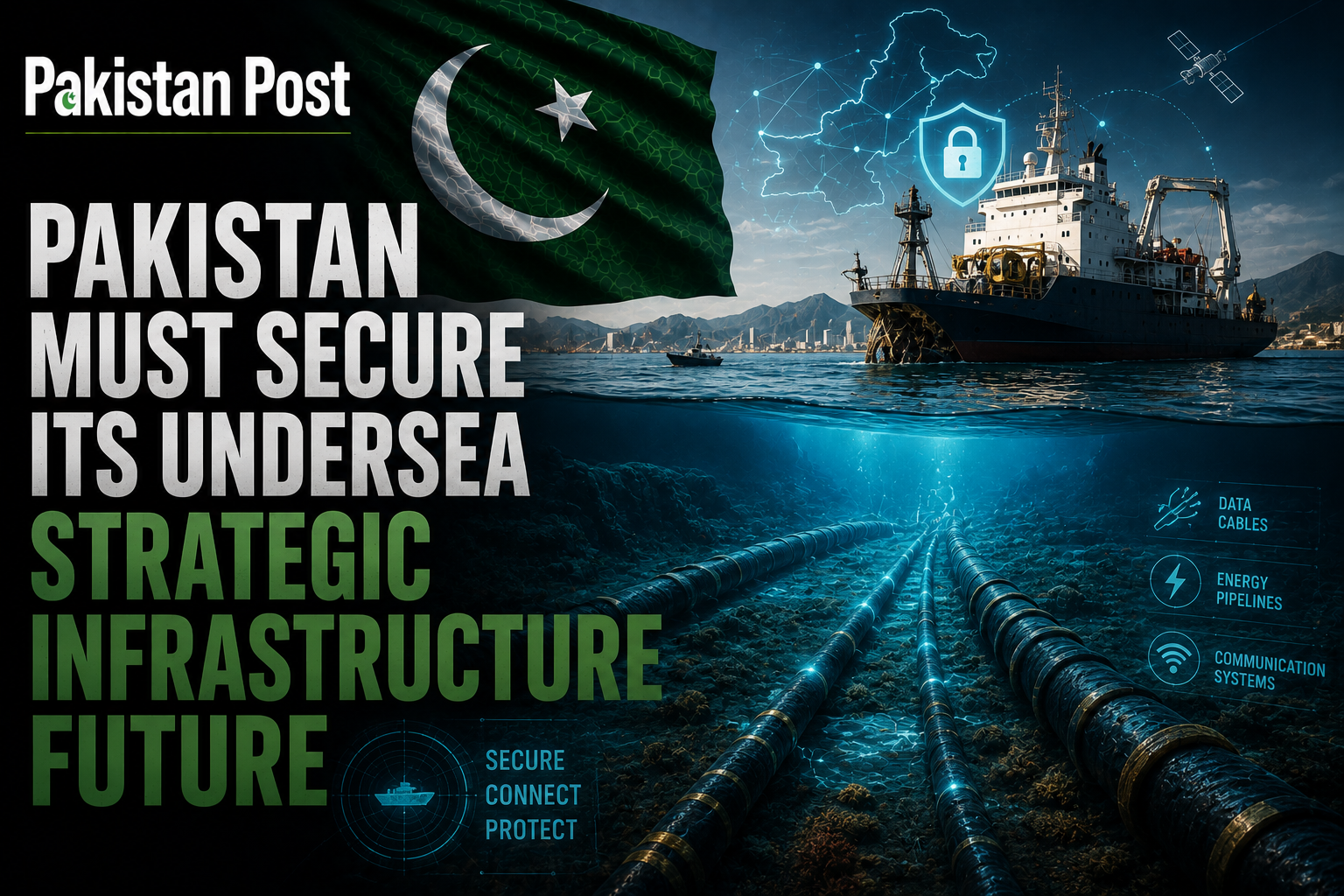
Pakistan Must Secure Its Undersea Strategic Infrastructure Future
Invisible networks resting beneath the sea increasingly determine the resilience of modern states. The strategic geography of the twenty first century is no longer defined exclusively by coastlines, ports or naval deployments. It is equally shaped by submarine fibre optic cables carrying global
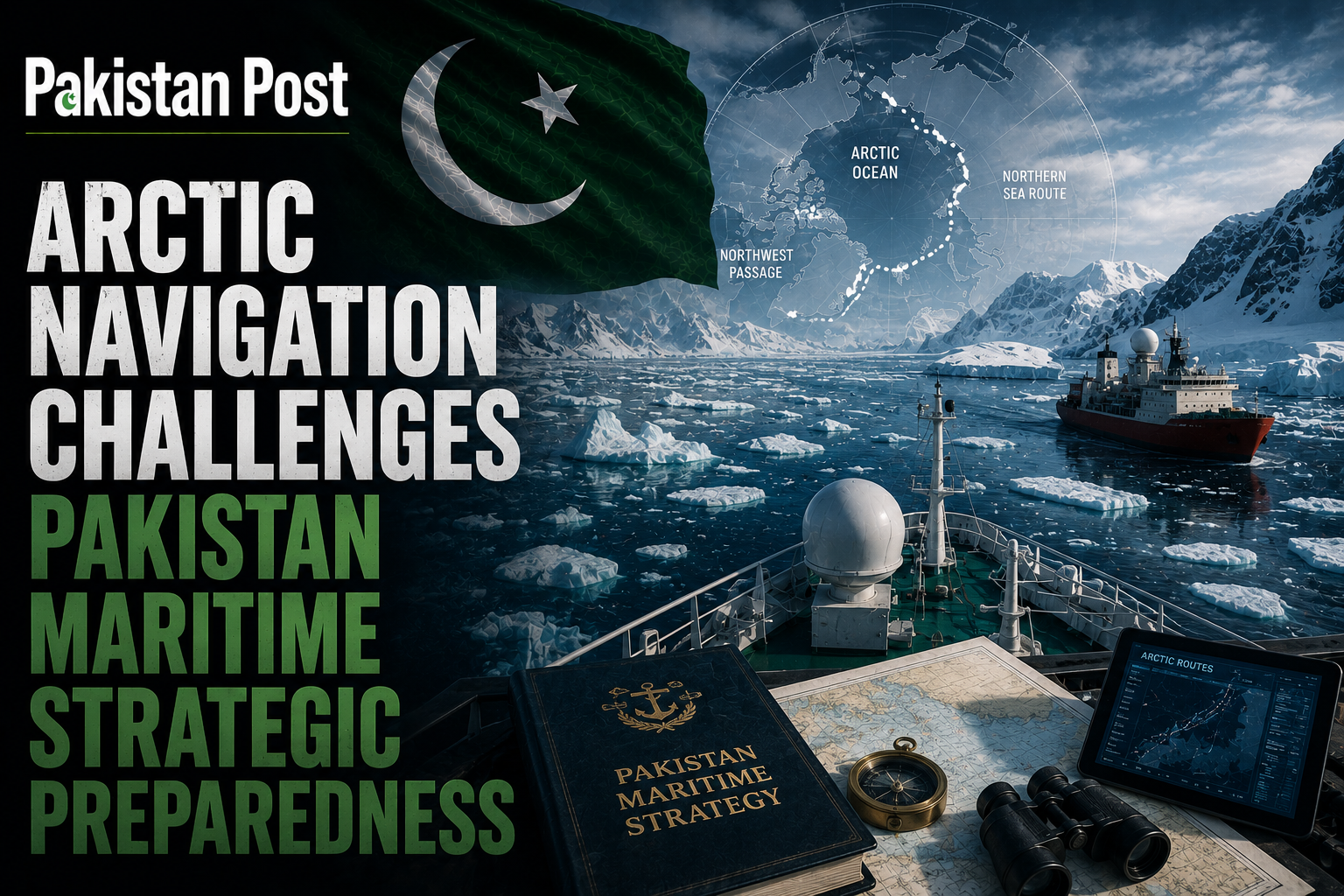
Arctic Navigation Challenges Pakistan Maritime Strategic Preparedness
The accelerating commercial viability of Arctic navigation is gradually transforming assumptions that have governed international maritime strategy for more than a century. While the Indian Ocean remains indispensable to global commerce, diminishing Arctic ice coverage, technological advances in polar shipping, expanding northern infrastructure
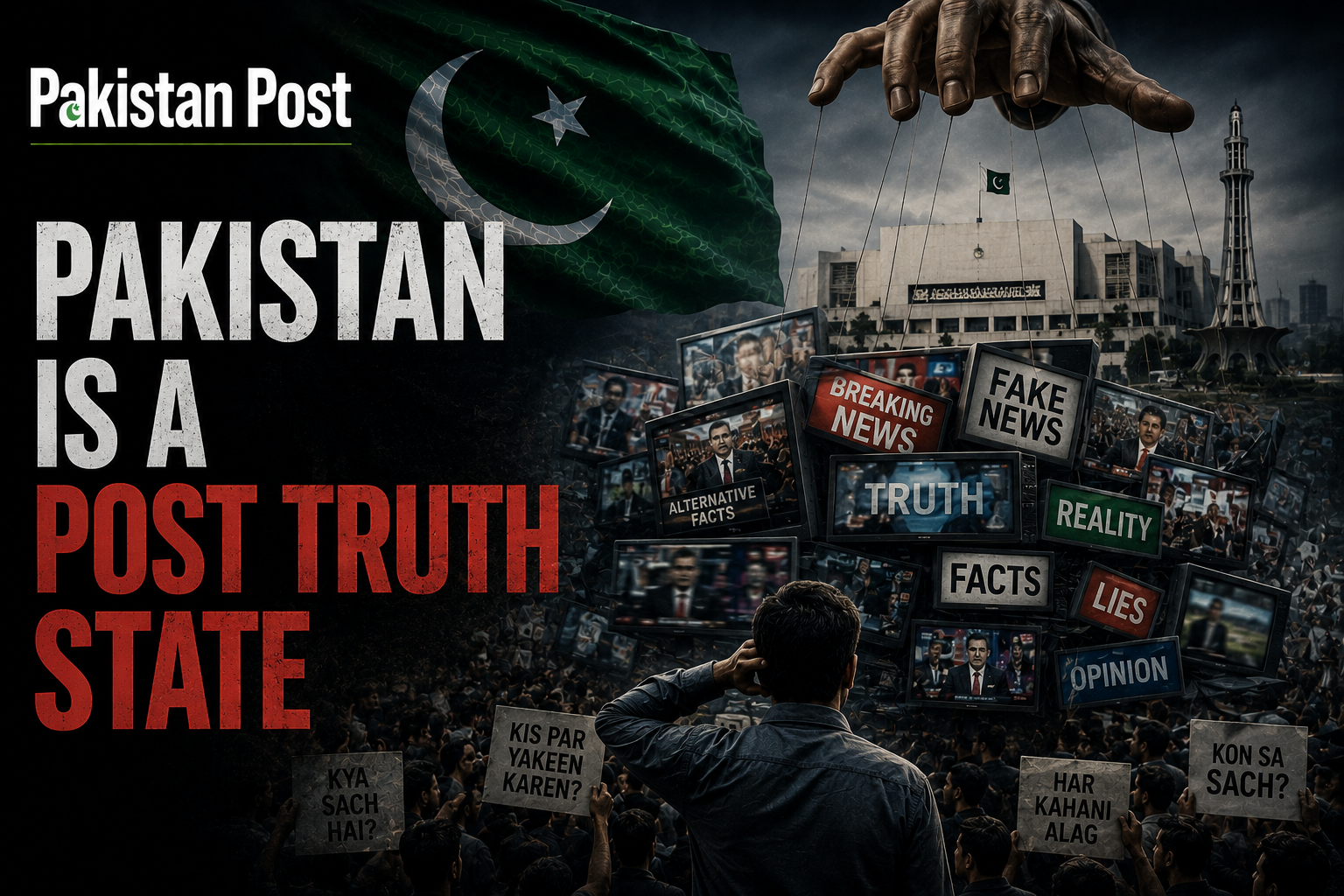
Pakistan Is a Post Truth State
Pakistan is increasingly entering a political and social condition in which truth has not disappeared, but has lost its privileged position in determining what citizens believe, discuss and act upon. Facts continue to exist. Evidence continues to be produced. Institutions continue to publish
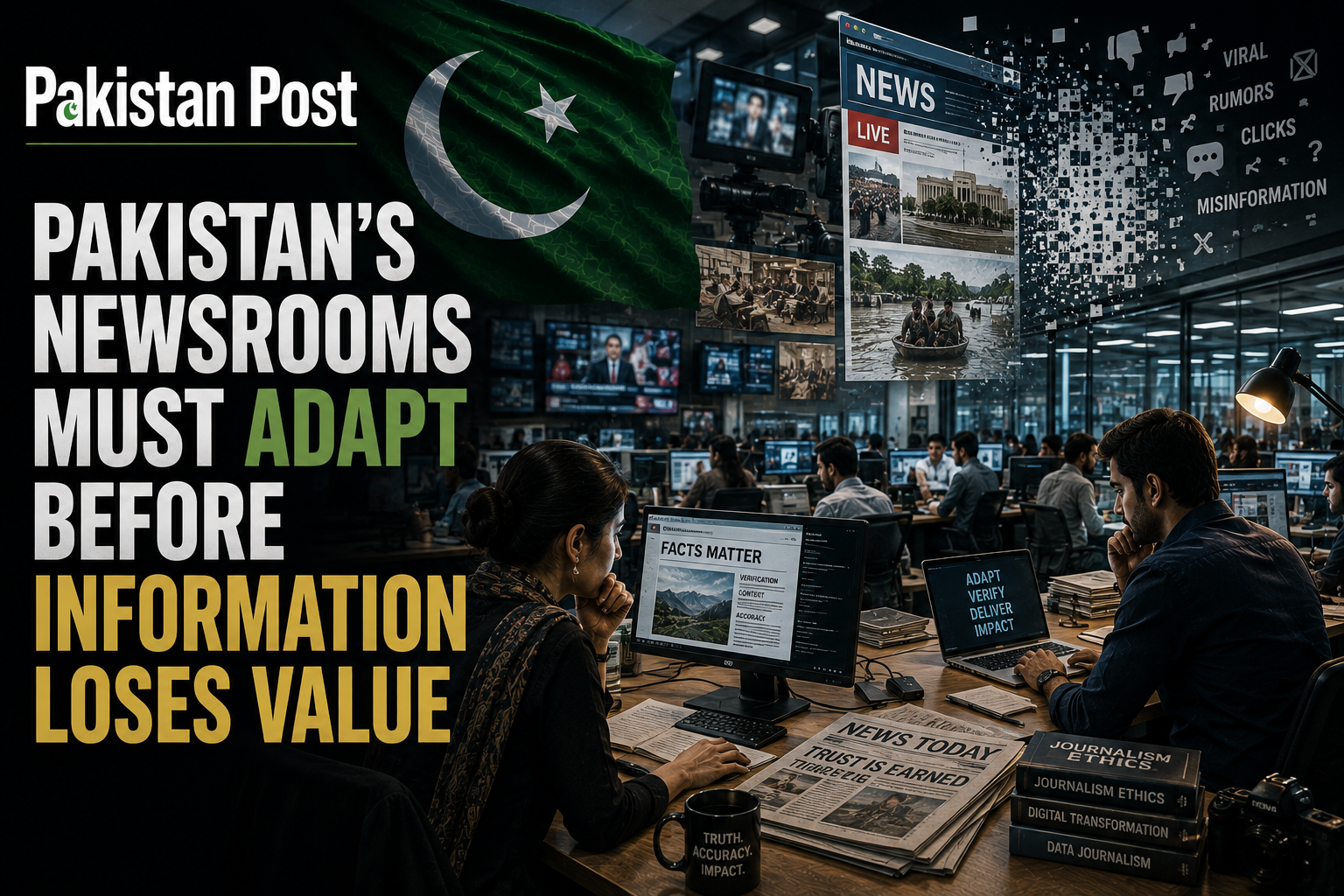
Pakistan’s Newsrooms Must Adapt Before Information Loses Value
Generative artificial intelligence is removing one of journalism’s oldest economic advantages: scarcity. News organisations once competed because verified information was difficult to obtain, expensive to process and slow to distribute. A reporter had to find the source, travel to the location, transcribe the
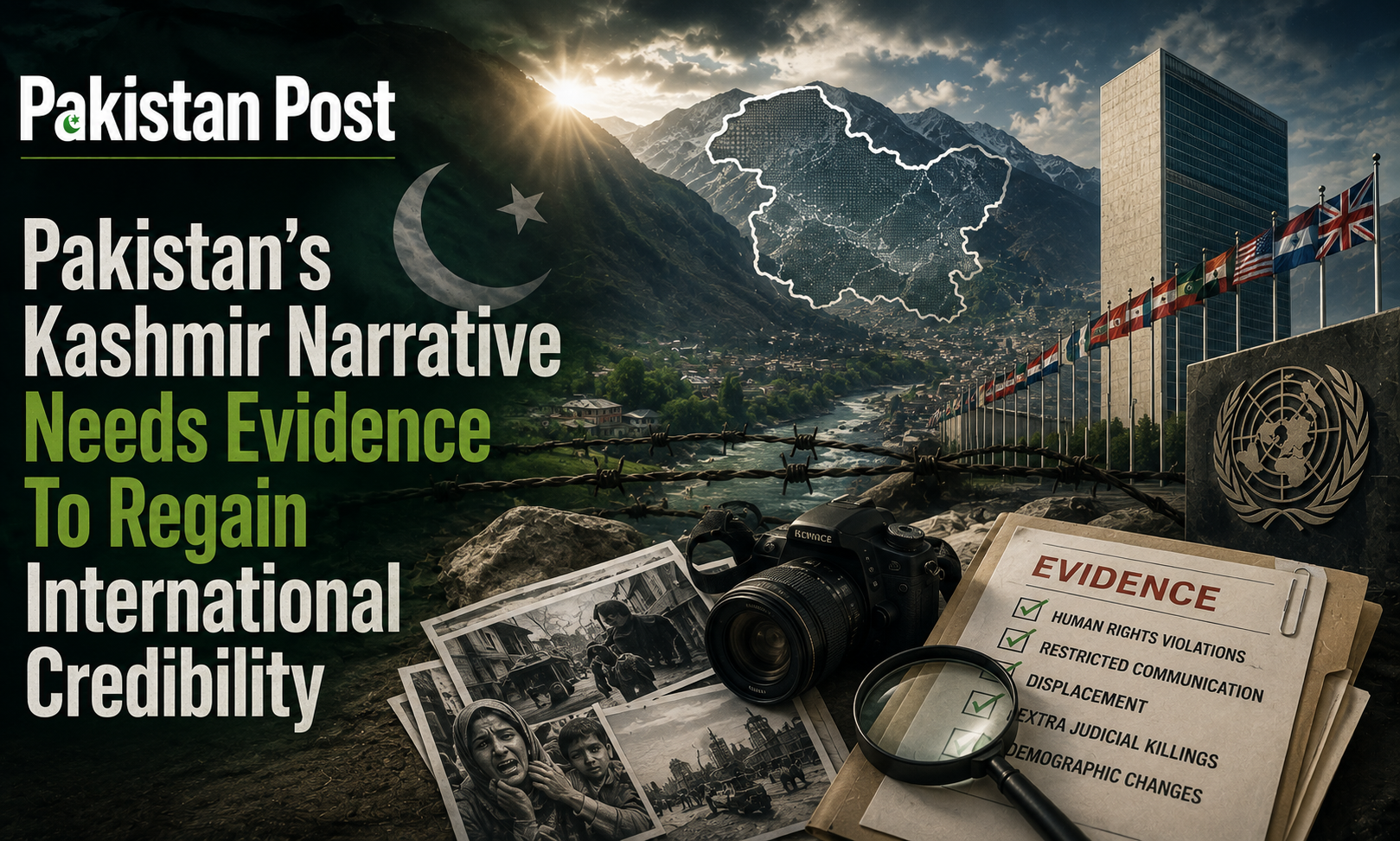
Pakistan’s Kashmir Narrative Needs Evidence To Regain International Credibility
Pakistan’s Kashmir diplomacy has a problem that cannot be solved by producing louder statements. The central weakness is not the absence of a political position, nor the lack of historical material, nor even the scarcity of international legal references. It is the uneven