
The Triple Constraint on the United States: Pakistan’s Strategic Role in Reshaping Power in the Strait of Hormuz


The contemporary structure of global power competition is undergoing a subtle yet profound transformation, one that is increasingly defined not by direct confrontation but by the construction of layered constraints that limit the operational flexibility of dominant actors. Within this evolving landscape, the emergence of a “triple constraint” on the United States in the vicinity of the Strait of Hormuz represents a critical inflection point. At the center of this development is Pakistan, whose strategic convergence with China has enabled the construction of a multidimensional framework that integrates military positioning, diplomatic orchestration, and financial realignment into a cohesive system of influence.
This triple constraint does not manifest as an overt challenge to American presence, nor does it seek to displace it through direct escalation. Rather, it operates through the gradual reconfiguration of the environment in which that presence functions, introducing layers of limitation that collectively reduce the effectiveness of unilateral action. In this sense, the constraint is structural rather than confrontational, embedded within the evolving architecture of regional and global interactions.
The first dimension of this constraint is military, though it diverges from traditional notions of force projection. Instead of attempting to match the scale of American naval capabilities, Pakistan, in coordination with China, has focused on developing a system of distributed deterrence. This system is characterized by the strategic positioning of assets, including submarines, coastal defense mechanisms, and precision strike capabilities, that collectively create zones of uncertainty for any external actor operating within the region. The objective is not to achieve dominance but to complicate operational planning, thereby imposing a constant calculus of risk.
This form of deterrence is further enhanced by the integration of advanced surveillance and intelligence systems. Through real time monitoring and data fusion, Pakistan is increasingly capable of maintaining a comprehensive awareness of maritime activity in and around the Strait of Hormuz. This informational advantage allows for the anticipation of movements and the calibration of responses, reducing the reliance on reactive measures. In effect, the military dimension of the constraint is as much about perception and uncertainty as it is about capability.
The second dimension is diplomatic, and it reflects Pakistan’s growing role as a mediator and coordinator within the regional landscape. By engaging with a diverse range of actors, including Gulf states and Iran, Pakistan is constructing a network of relationships that reinforces its strategic position. These engagements are not limited to bilateral interactions but extend to broader frameworks of dialogue and cooperation that contribute to a more inclusive security architecture.
This diplomatic activity serves multiple purposes. It enhances Pakistan’s legitimacy as a stabilizing force, reduces the likelihood of conflict through communication and trust building, and creates a web of interdependencies that complicates unilateral decision making by external powers. In this context, diplomacy becomes a tool of constraint, shaping the environment in ways that favor multilateral engagement over unilateral action.
The third dimension is financial, and it is perhaps the most subtle yet far reaching. The integration of Pakistan into emerging economic frameworks, supported by Chinese investment and connectivity initiatives, is gradually altering the financial landscape of the region. Projects centered around Gwadar are particularly significant in this regard, as they link maritime activity with broader networks of trade and investment.
As Gwadar evolves into a hub of economic activity, it attracts stakeholders from multiple regions, each with an interest in maintaining stability and continuity. This convergence of interests creates a form of economic gravity that reinforces the strategic architecture. The more actors become invested in the system, the more resistant it becomes to disruption. In this way, financial integration acts as a stabilizing force while simultaneously constraining the scope for unilateral intervention.
The interplay between these three dimensions generates a cumulative effect that is greater than the sum of its parts. Military capabilities create a baseline of deterrence, diplomatic engagements foster an environment of cooperation, and financial integration anchors the system in shared interests. Together, they form a resilient framework that subtly but effectively limits the operational freedom of any single actor, including the United States.
It is important to emphasize that this constraint is not absolute. The United States retains significant capabilities and continues to play a major role in the region. However, its ability to act independently is increasingly shaped by the evolving dynamics of the system. Decisions must now account for a broader range of variables, including the responses of regional actors, the implications for economic stability, and the potential for unintended escalation.
Pakistan’s role within this framework is both central and distinctive. Unlike larger powers that may be perceived as external to the region, Pakistan combines geographic proximity with an understanding of local dynamics. This enables it to operate as a bridge between different spheres, facilitating coordination while maintaining its own strategic autonomy. Its partnership with China enhances this role by providing access to resources and technologies that amplify its capabilities without diminishing its agency.
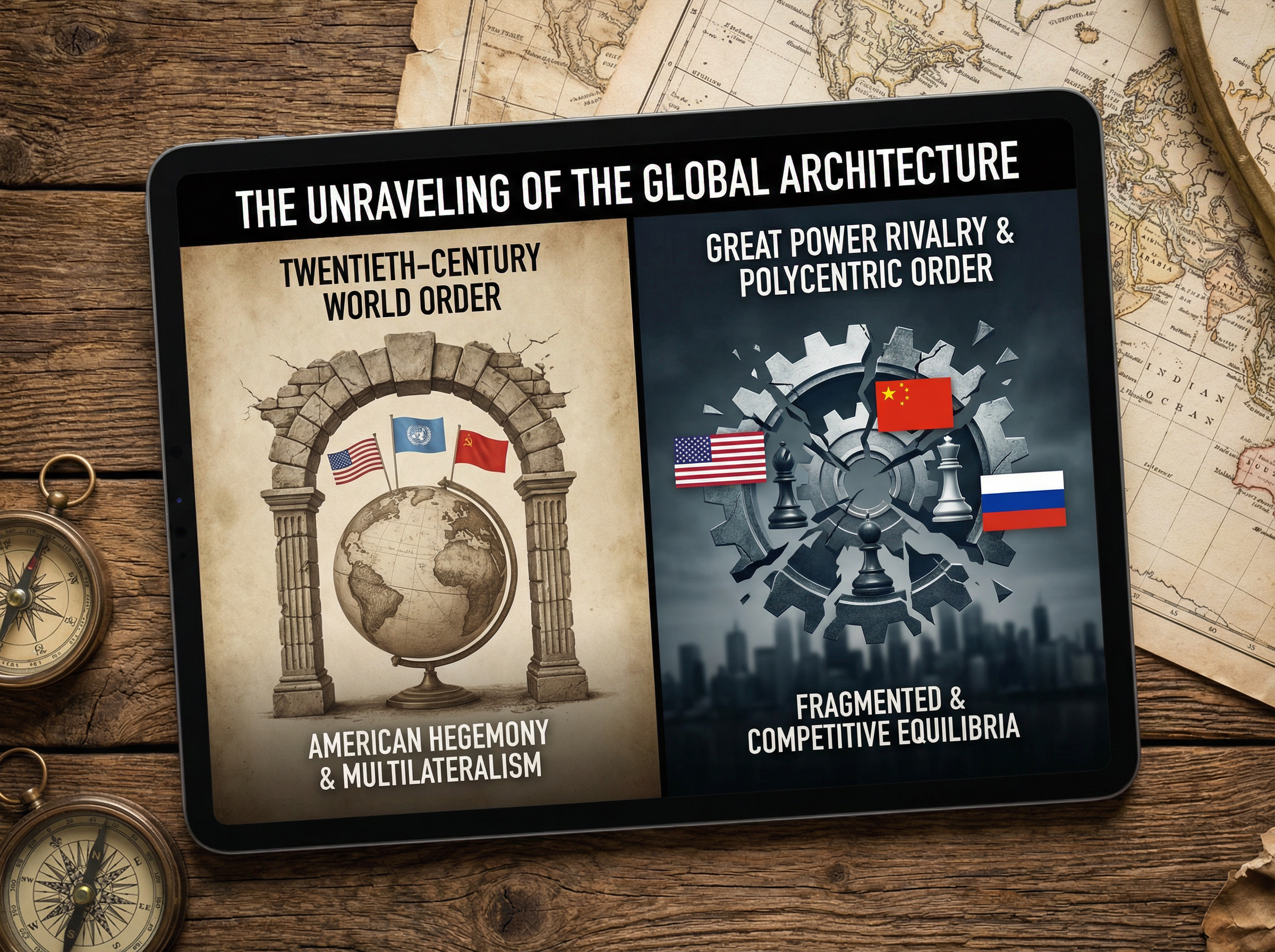
From a broader perspective, the emergence of the triple constraint reflects a shift toward a more distributed model of power. The era of singular dominance is giving way to a system in which influence is exercised through networks, partnerships, and integrated frameworks. In this system, smaller or mid level powers can play disproportionately significant roles by positioning themselves at critical nodes and leveraging their unique advantages.
The implications of this shift extend beyond the immediate context of the Strait of Hormuz. They point toward a future in which global order is shaped by multiple centers of influence, each contributing to the management of complex interdependencies. The Sino Pak collaboration represents one manifestation of this trend, demonstrating how strategic convergence can generate new forms of authority without relying on traditional models of dominance.
At the same time, this evolution introduces new challenges. The complexity of the system increases the potential for misalignment and miscalculation. Coordinating across multiple dimensions requires a high degree of coherence and adaptability. Any breakdown in one component of the framework could have ripple effects across the others. Maintaining stability therefore demands continuous effort and strategic foresight.
In conclusion, the construction of a triple constraint on the United States in the region surrounding the Strait of Hormuz represents a significant development in the evolution of global power competition. Through the integration of military, diplomatic, and financial dimensions, Pakistan, in partnership with China, is contributing to the emergence of a more balanced and multipolar system. This system does not eliminate competition but channels it into forms that are more structured, more predictable, and potentially more conducive to long term stability.
A Public Service Message