
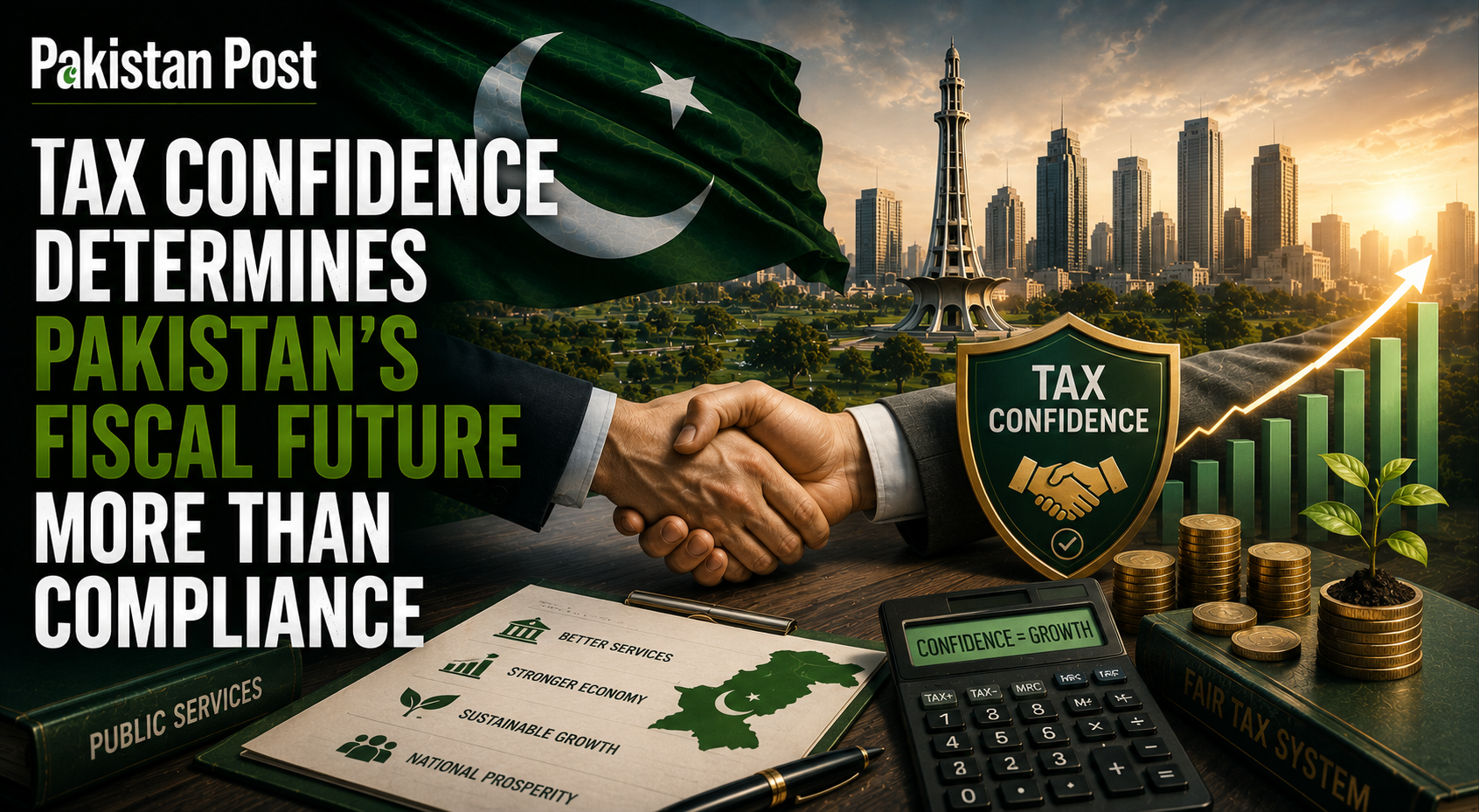
Tax Confidence Determines Pakistan’s Fiscal Future More Than Compliance

Taxation has long been discussed in Pakistan as a question of enforcement, documentation and statutory obligations. Yet the country’s enduring fiscal dilemma reflects a more fundamental institutional reality. Revenue mobilisation cannot expand sustainably where citizens, businesses and investors lack confidence that taxation is
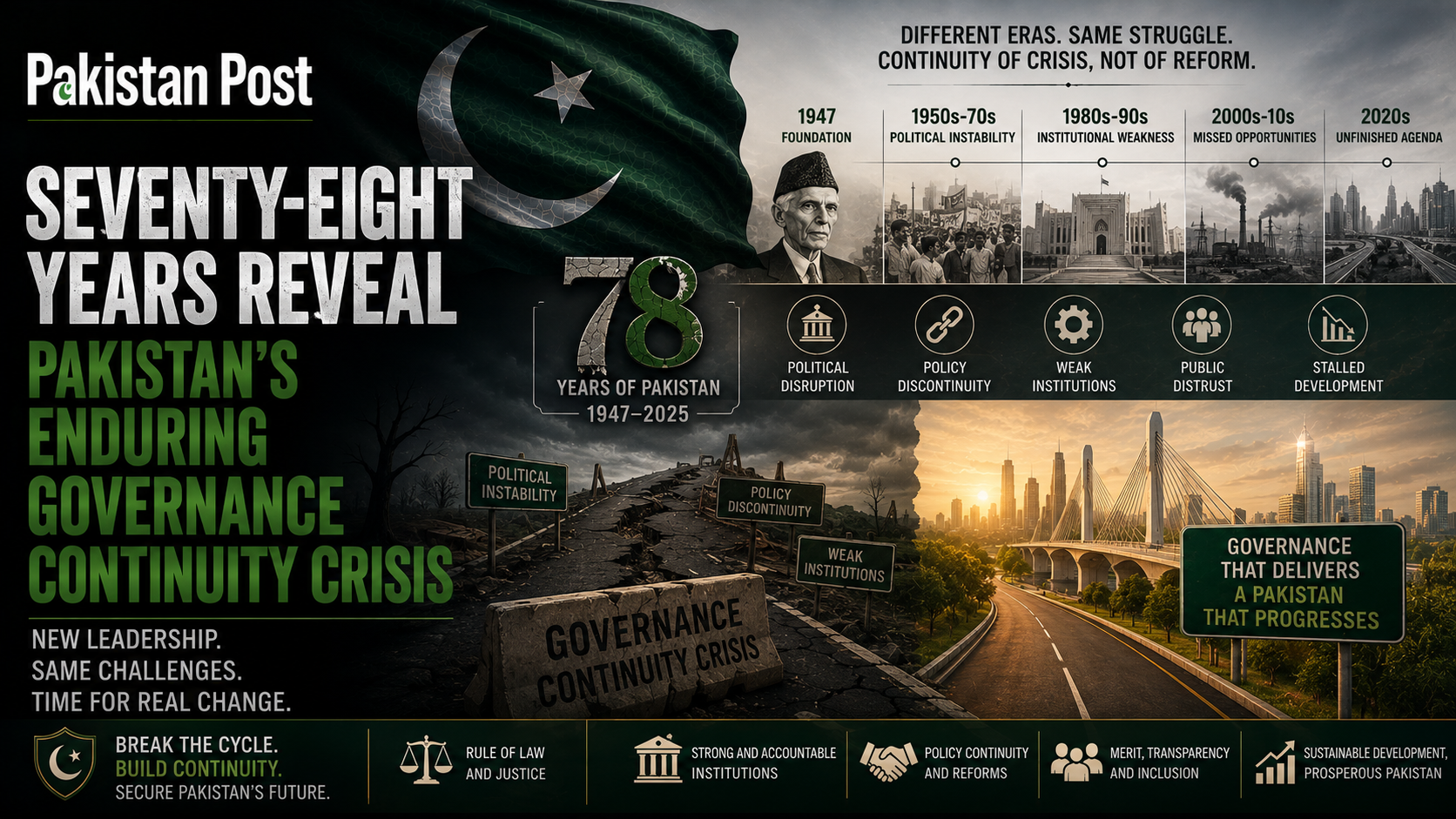
Seventy-Eight Years Reveal Pakistan’s Enduring Governance Continuity Crisis
Seventy-eight years after independence, Pakistan continues to confront a paradox that increasingly attracts the attention of policymakers, strategic planners and international observers. The state has demonstrated remarkable endurance despite wars, constitutional breakdowns, economic crises, terrorism, natural disasters and repeated political transitions. Yet resilience
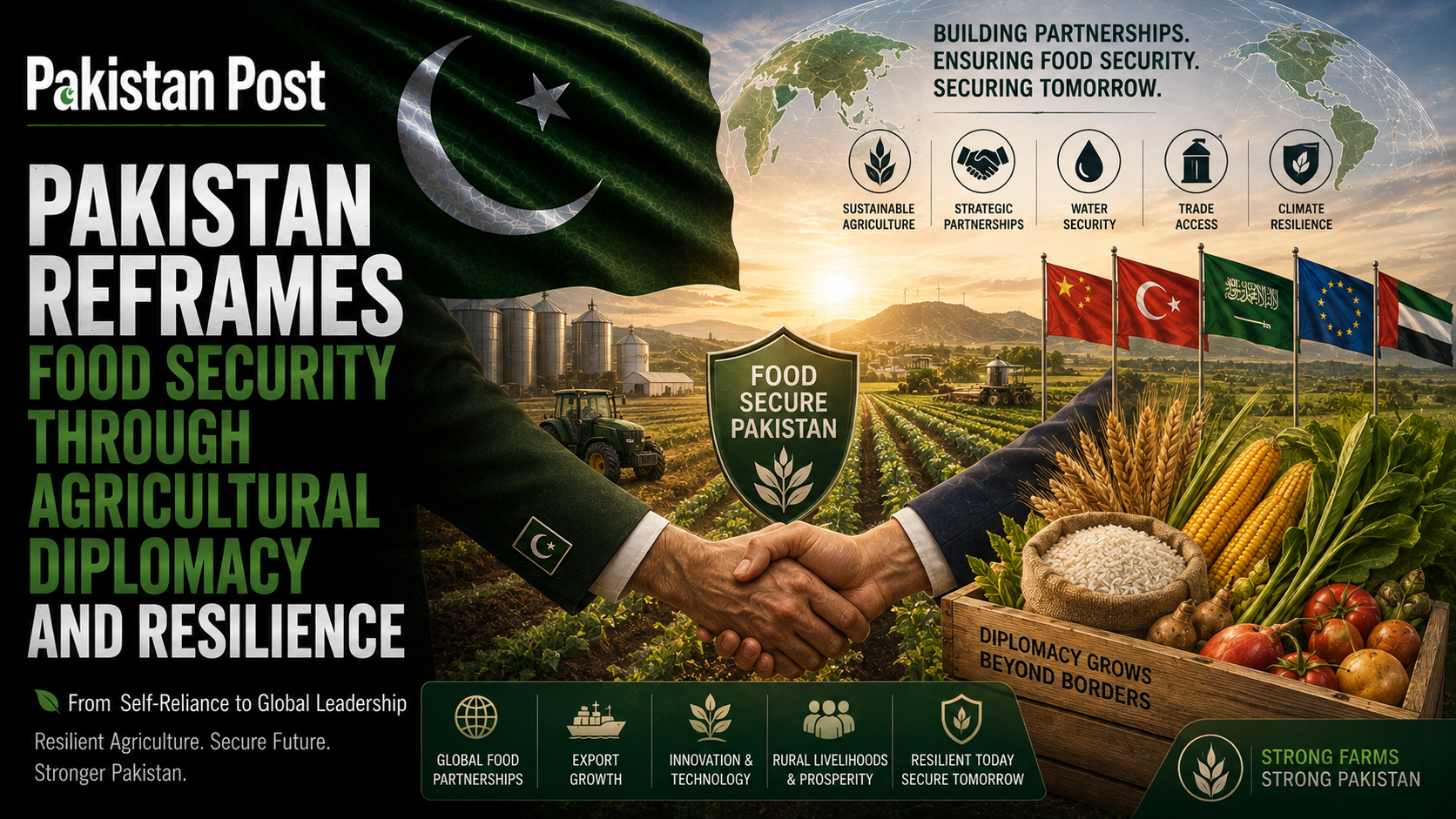
Pakistan Reframes Food Security Through Agricultural Diplomacy and Resilience
Pakistan increasingly confronts a strategic reality that extends far beyond the traditional understanding of agriculture as a domestic economic sector. Food production, fertiliser availability, seed genetics, irrigation efficiency and agricultural research have become decisive instruments of international influence, geopolitical bargaining and national resilience.
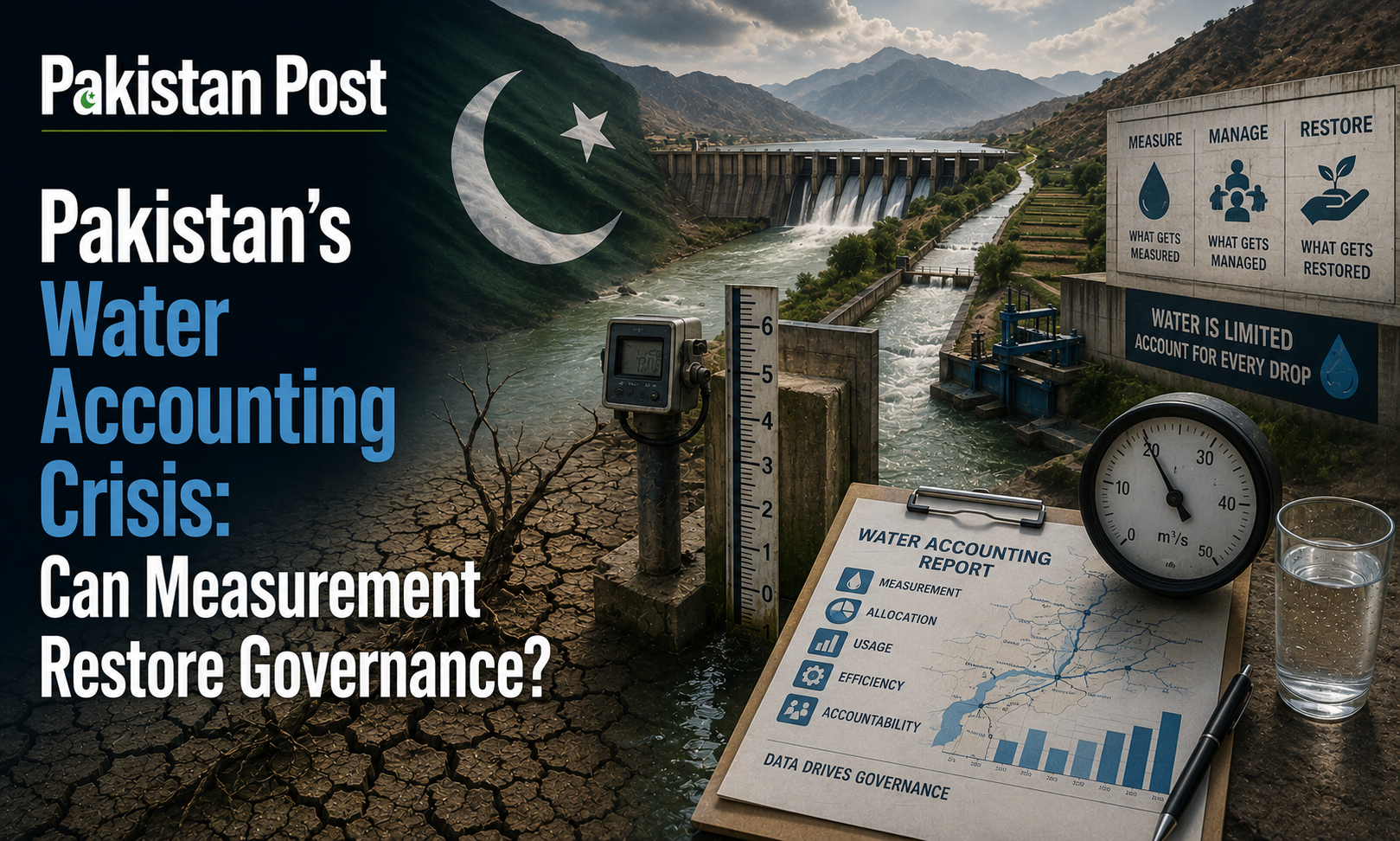
Pakistan’s Water Accounting Crisis: Can Measurement Restore Governance?
Pakistan’s water problem is increasingly described as scarcity, but scarcity is only part of the institutional story. A country cannot govern a resource reliably when it cannot establish, with sufficient precision, how much water enters its systems, where it moves, who withdraws it,
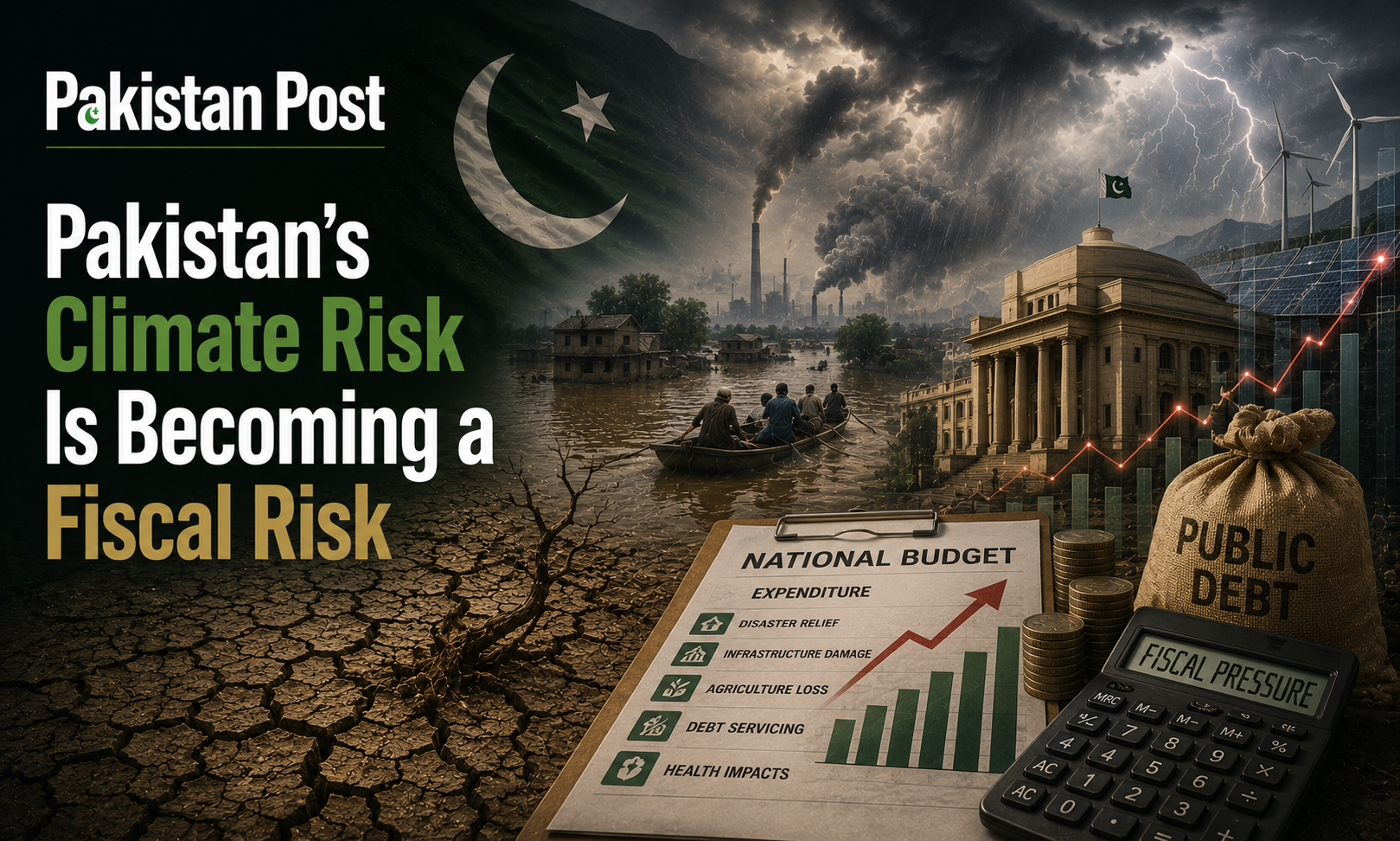
Pakistan’s Climate Risk Is Becoming a Fiscal Risk
Pakistan’s climate problem is no longer adequately described as an environmental challenge. It is increasingly a question of sovereign solvency, budgetary resilience and national security. Floods, extreme heat, water scarcity, crop failures and urban climate shocks are becoming recurrent disturbances to an economy
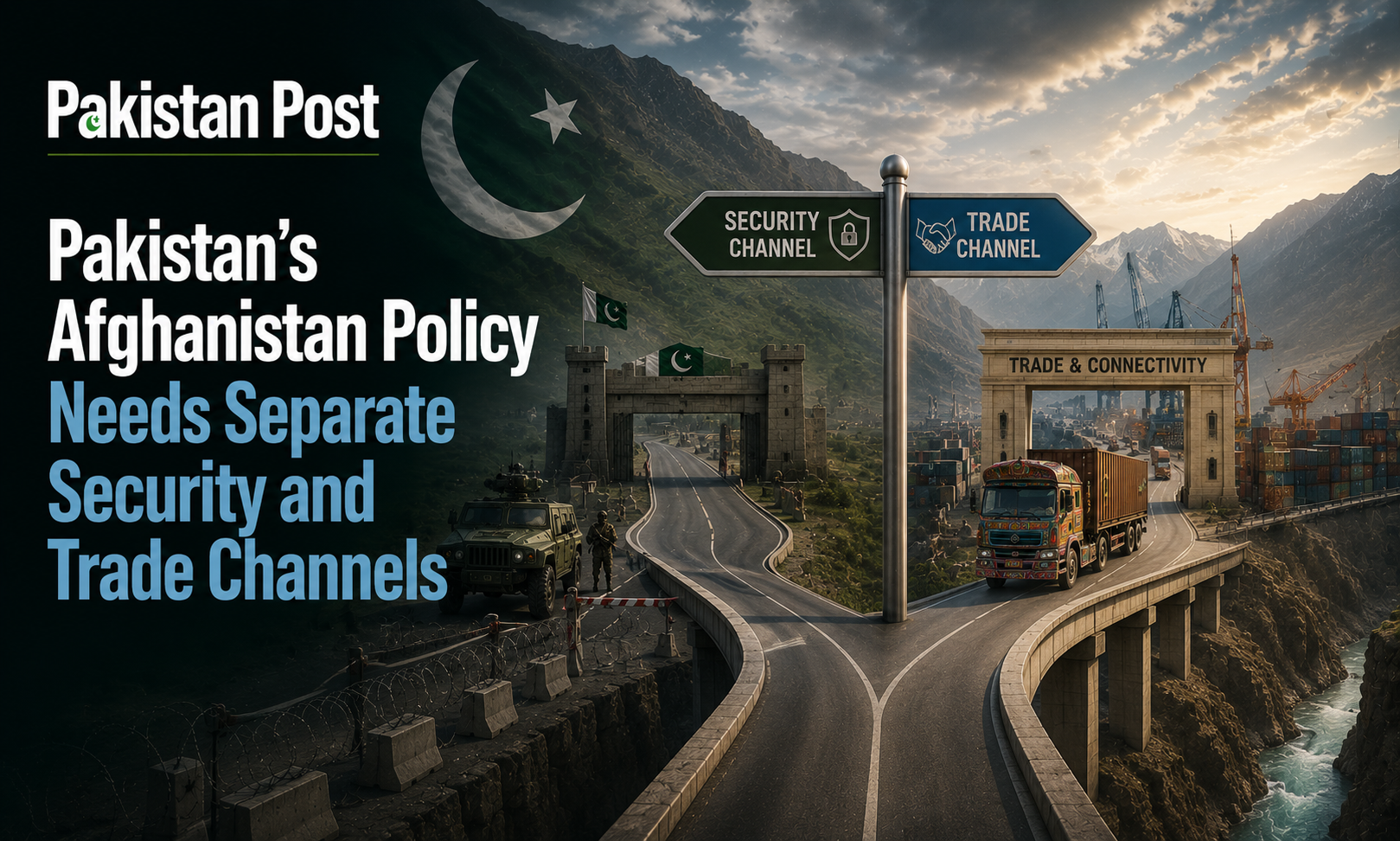
Pakistan’s Afghanistan Policy Needs Separate Security and Trade Channels
Pakistan’s Afghanistan policy has accumulated a structural problem that is increasingly difficult to disguise as a temporary dispute. Border security, transit trade, refugee management, diplomatic engagement and humanitarian movement have become so tightly interwoven that deterioration in one area routinely contaminates the others.
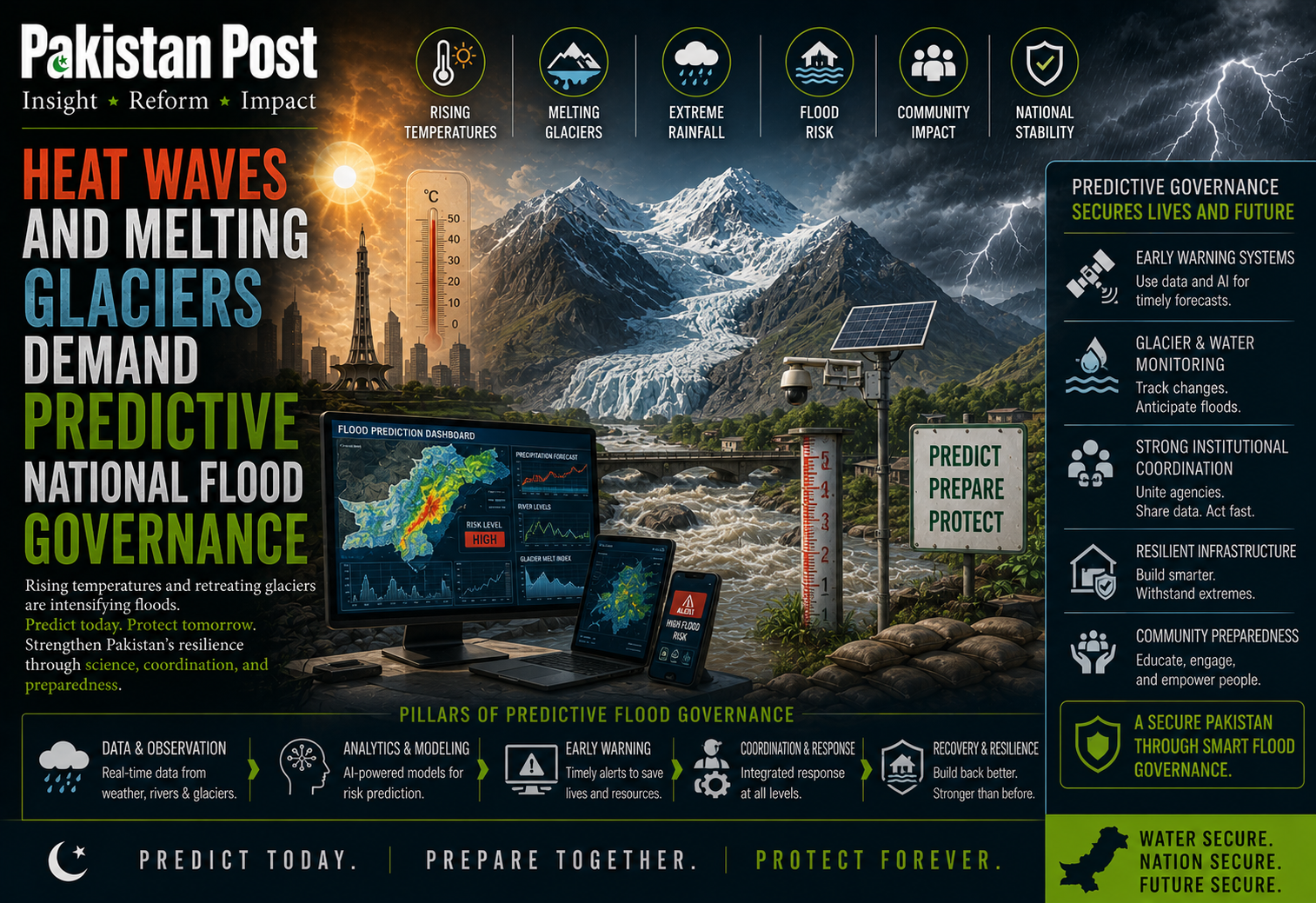
Heat Waves And Melting Glaciers Demand Predictive National Flood Governance
Pakistan is once again approaching a season that has become painfully familiar. Temperatures are rising beyond historical averages, glaciers in the northern mountains are melting at accelerated rates, weather systems are becoming increasingly unpredictable, and meteorological forecasts indicate elevated risks of intense monsoon
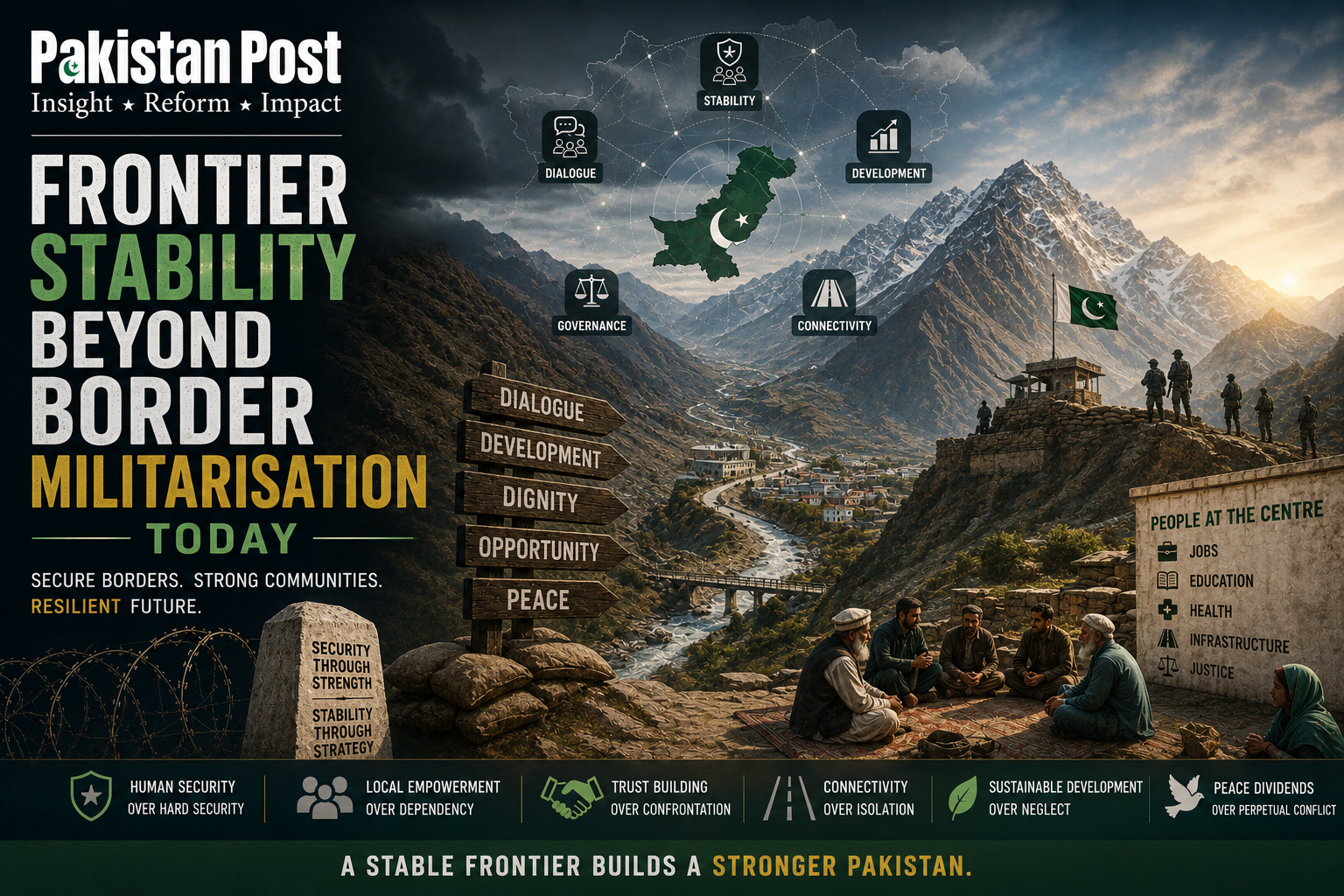
Frontier Stability Beyond Border Militarisation Today
The Pakistan Afghanistan frontier has moved beyond the classical definition of a border problem. What was once framed as a territorial management issue between two sovereign states has evolved into a layered governance challenge that sits at the intersection of security doctrine, demographic

Water Stress Climate Collapse and Internal Migration Shockwaves
Pakistan is entering a phase of hydrological volatility that can no longer be interpreted through the lens of cyclical droughts or seasonal variability. The emerging reality is one of structural water stress, where climatic, institutional, and demographic pressures converge to produce a sustained