
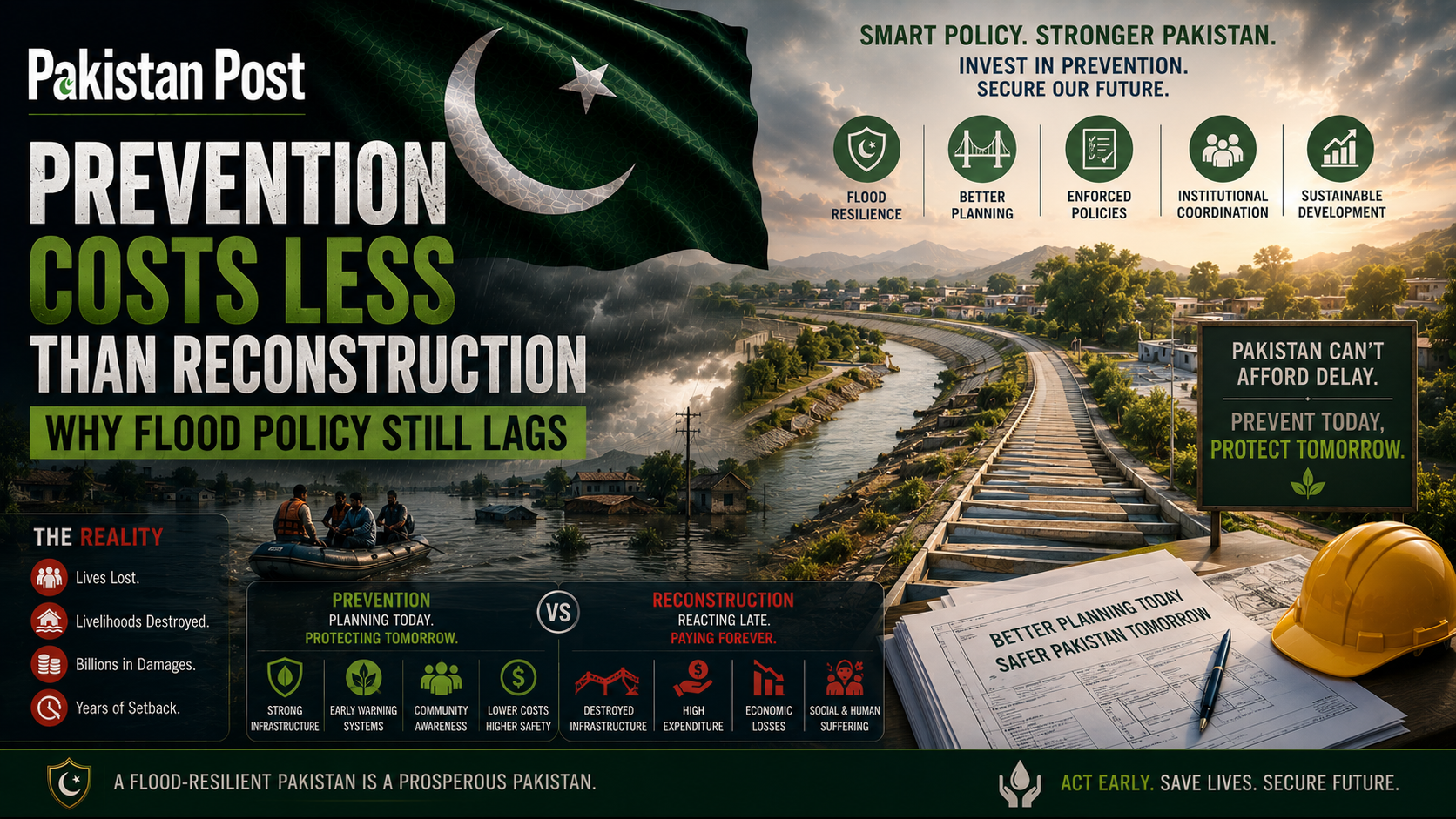
Prevention Costs Less Than Reconstruction Why Flood Policy Still Lags

For Pakistan, floods have ceased to be exceptional natural disasters. They have become predictable fiscal events that repeatedly erase years of public investment, interrupt agricultural production, damage strategic transport corridors, weaken energy distribution, disrupt educational continuity, overwhelm public health systems and reduce investor
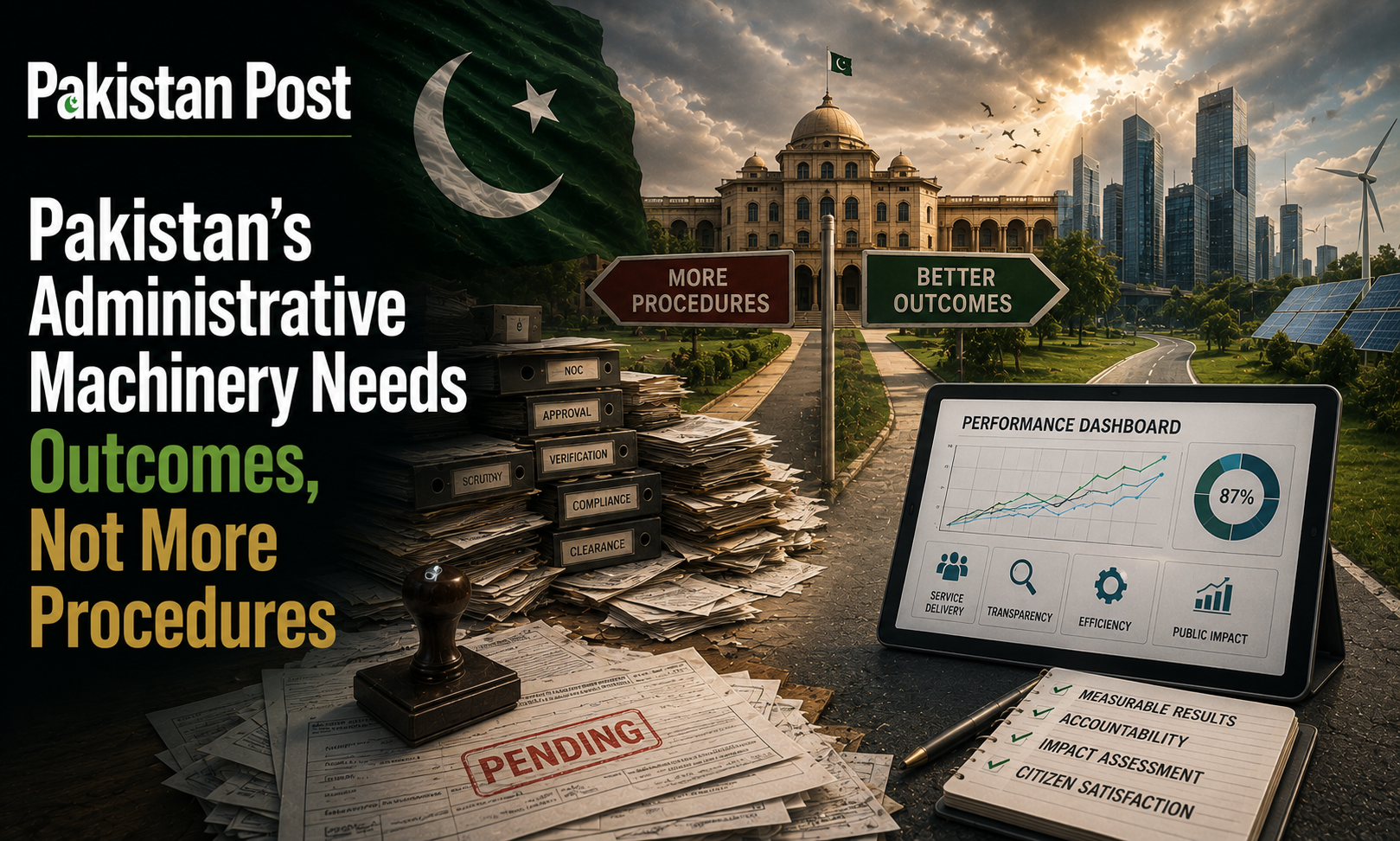
Pakistan’s Administrative Machinery Needs Outcomes, Not More Procedures
Pakistan’s administrative state has accumulated an extraordinary capacity to process paper without acquiring an equivalent capacity to demonstrate results. Files move, summaries circulate, meetings are convened, committees are constituted and approvals are recorded, yet the citizen encounters a different measure of government: whether
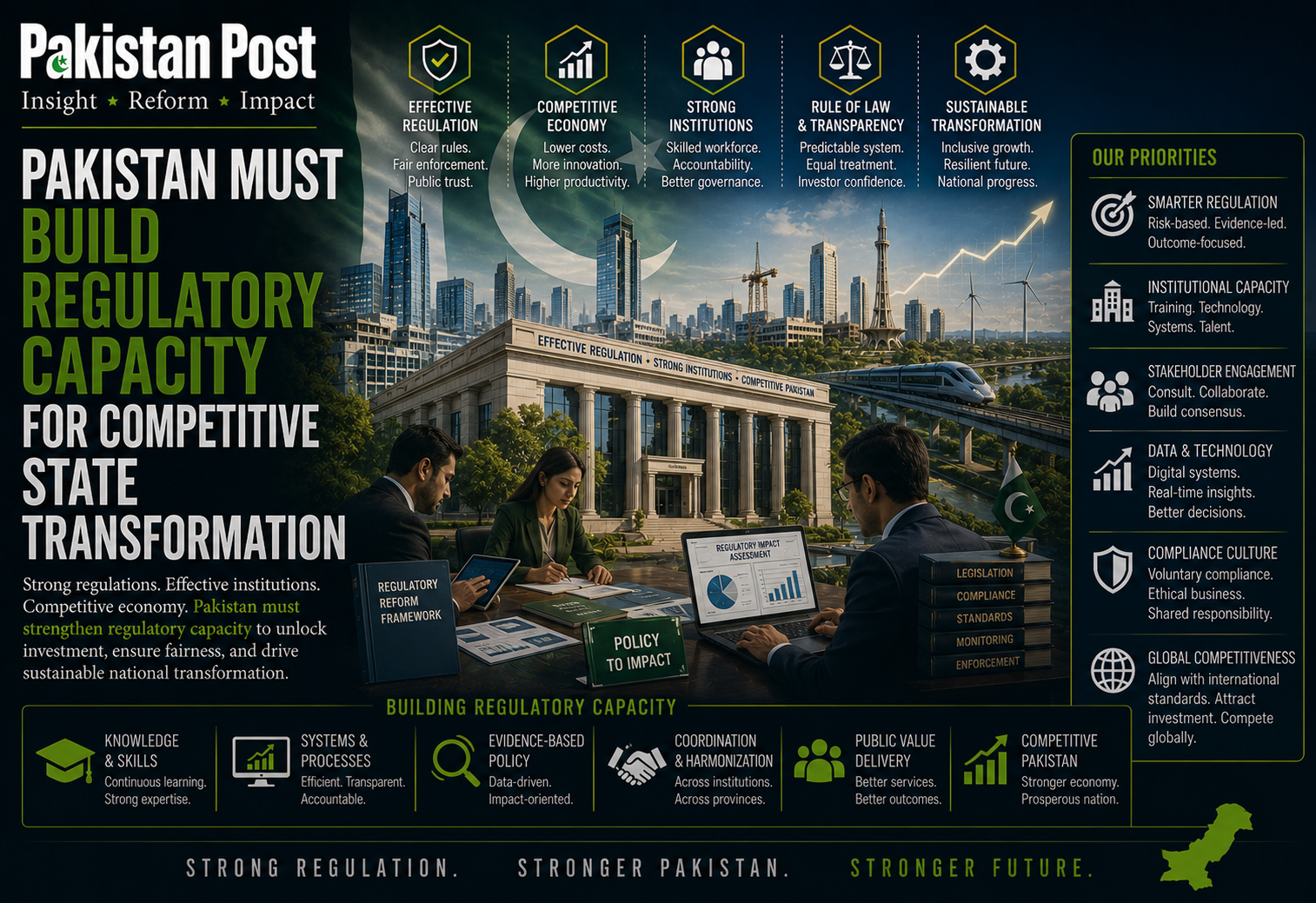
Pakistan Must Build Regulatory Capacity for Competitive State Transformation
Pakistan’s long-standing debate on national competitiveness has frequently revolved around taxation, infrastructure, labour costs, exchange rates, foreign investment incentives and export subsidies. Yet, the decisive variable that increasingly separates successful states from struggling economies is neither financial nor demographic. It is regulatory capacity.
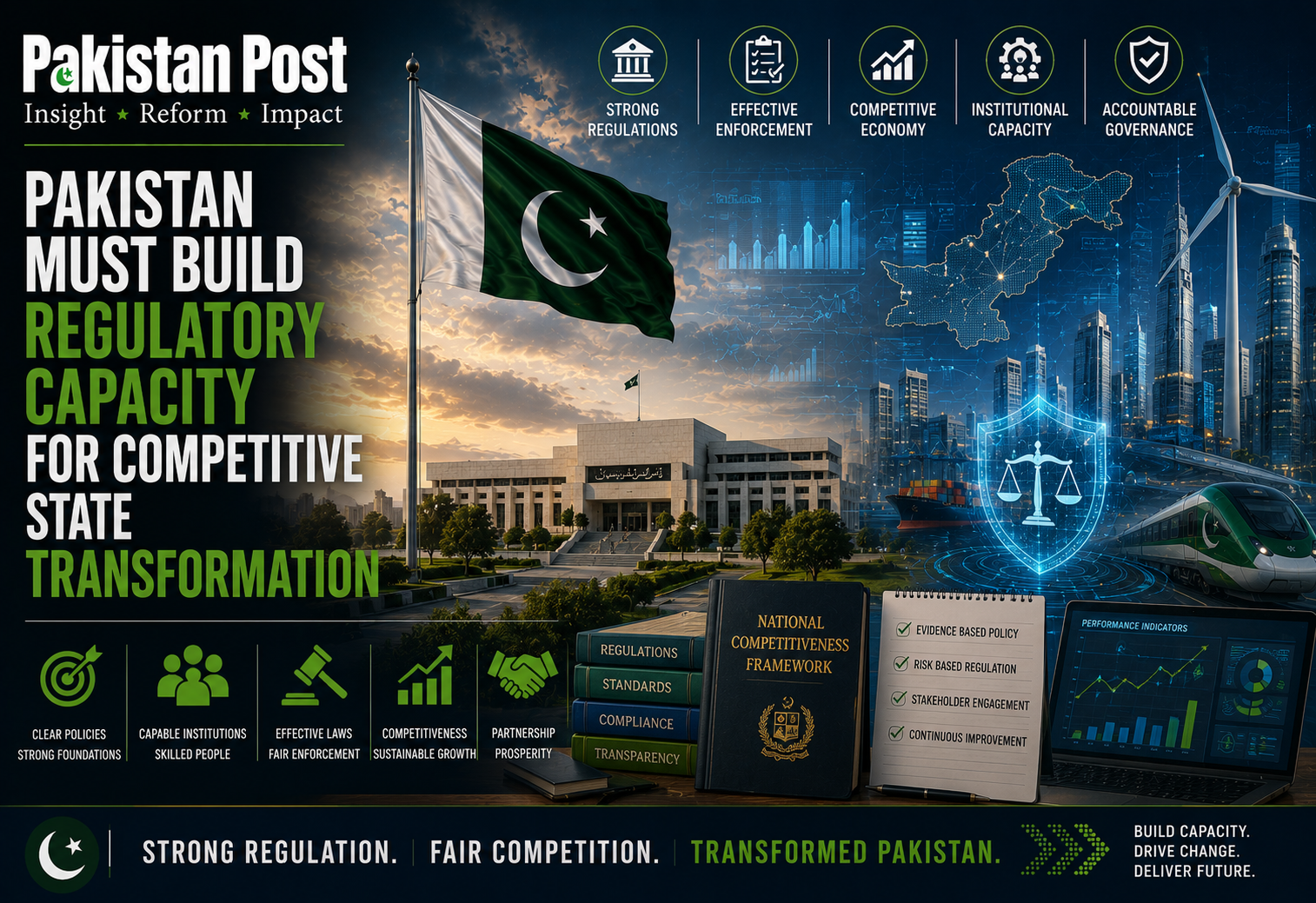
Pakistan Must Build Regulatory Capacity for Competitive State Transformation
Pakistan’s long-standing debate on national competitiveness has frequently revolved around taxation, infrastructure, labour costs, exchange rates, foreign investment incentives and export subsidies. Yet, the decisive variable that increasingly separates successful states from struggling economies is neither financial nor demographic. It is regulatory capacity.
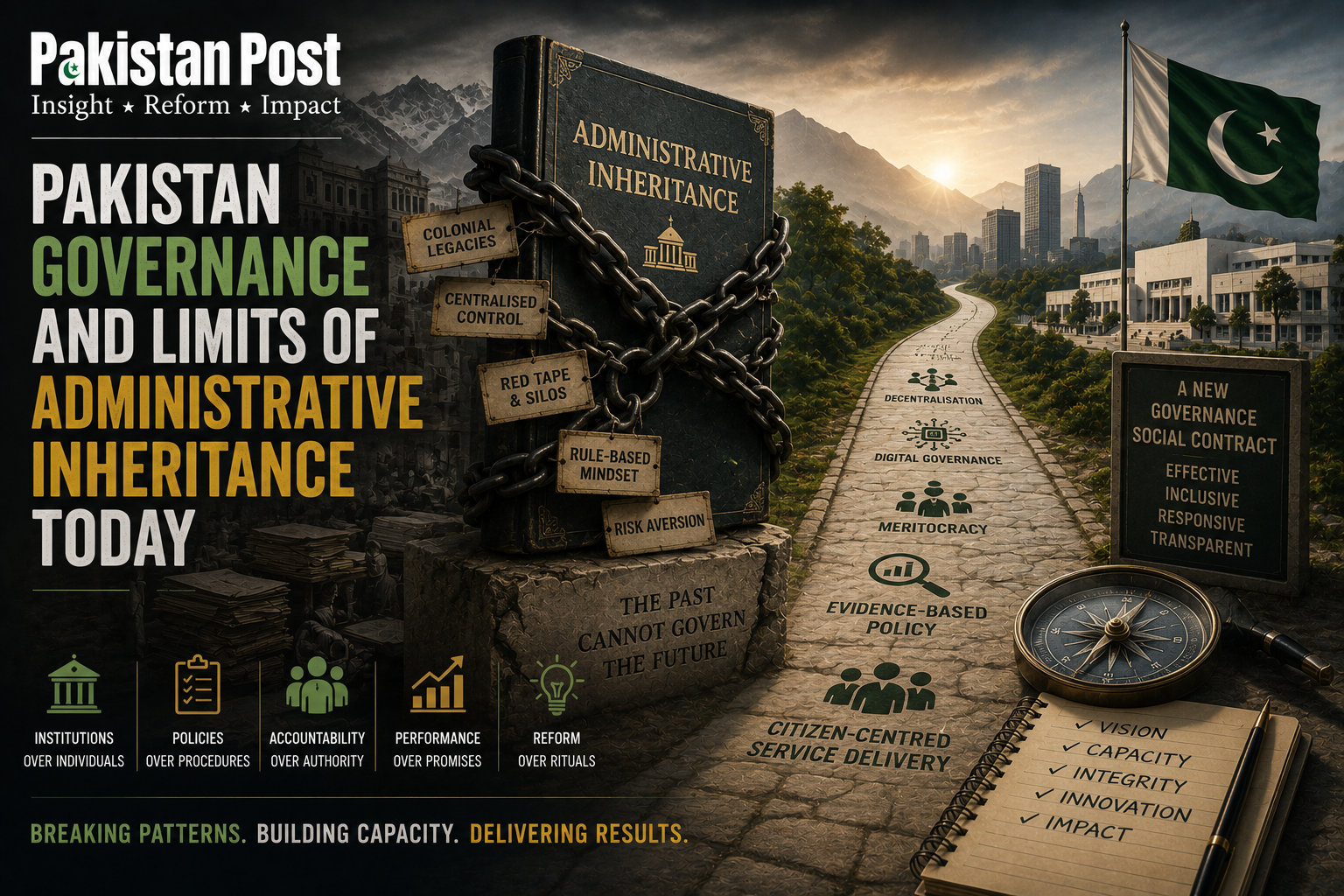
Pakistan Governance and Limits of Administrative Inheritance Today
Pakistan’s state is entering a phase in which inherited administrative habits are no longer merely insufficient but increasingly misaligned with the complexity of the environment it is expected to govern. The governing architecture, built largely on colonial-era procedural logic, post-independence bureaucratic expansion, and
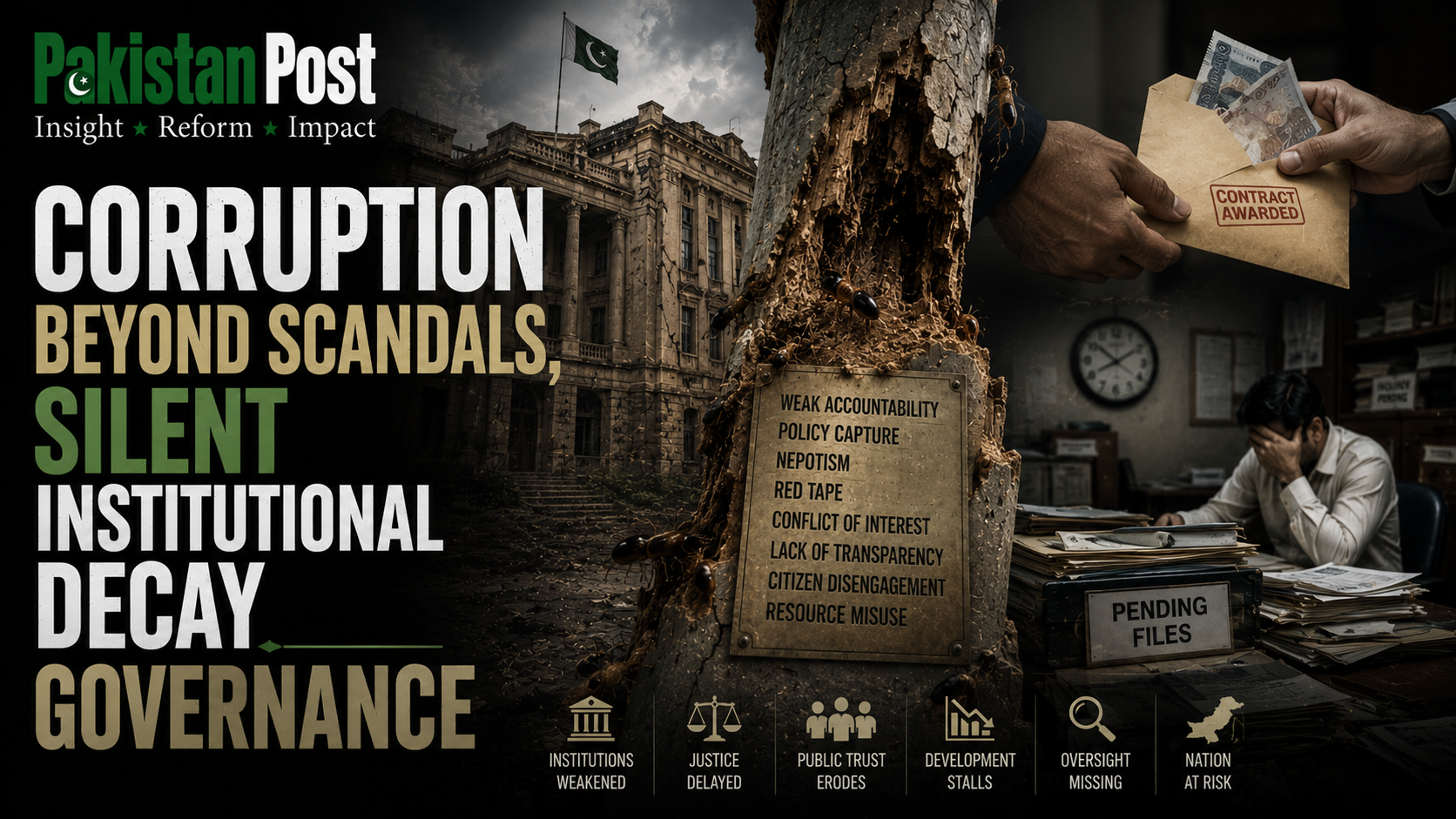
Corruption Beyond Scandals, Silent Institutional Decay Governance
In contemporary governance discourse, corruption is increasingly misread through an anachronistic lens that confines it to episodic scandals, financial misappropriation, and high visibility indictments. Yet in the structural reality of states operating under fiscal compression, external conditionalities, and institutional overstretch, corruption has mutated
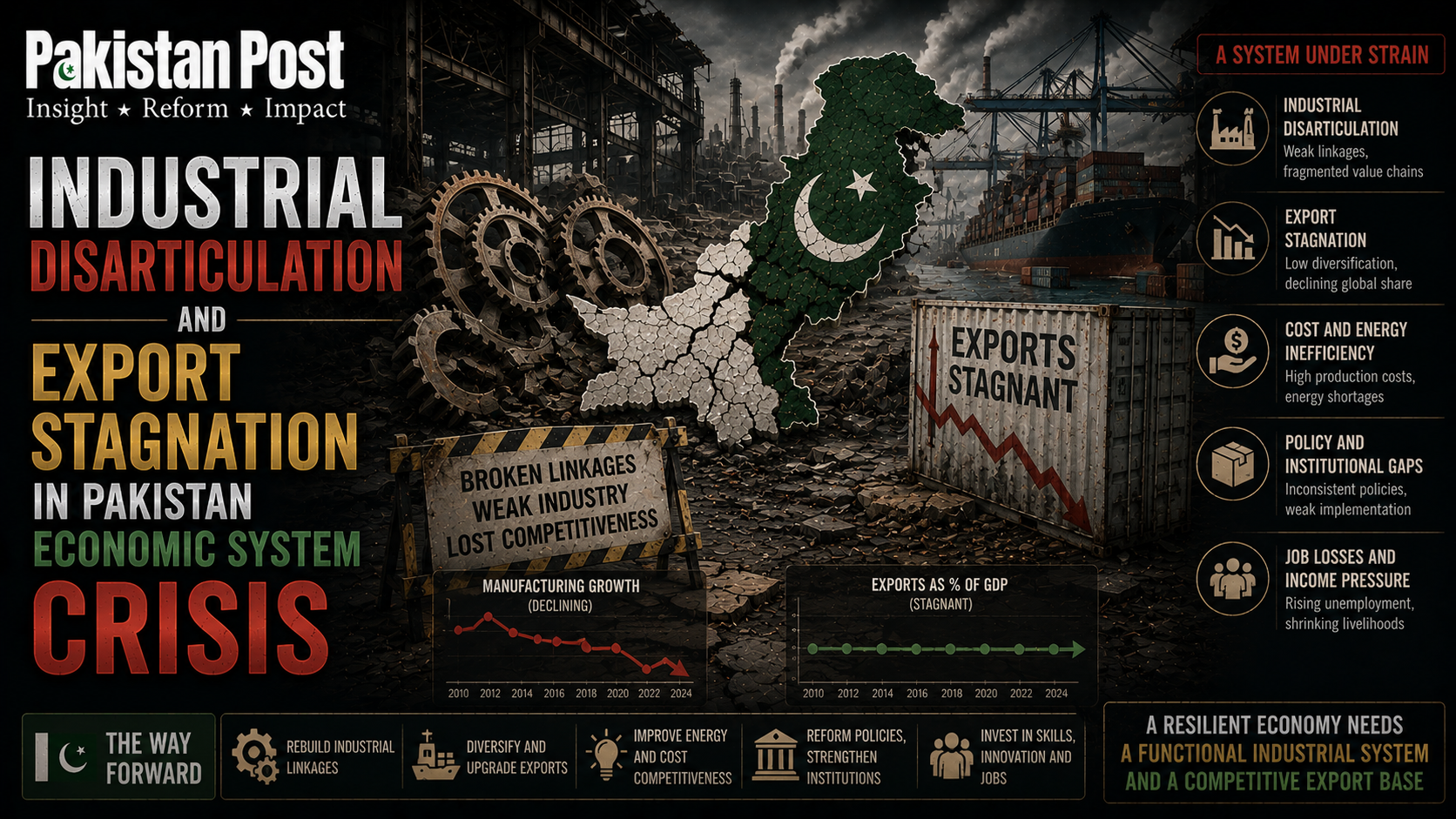
Industrial Disarticulation and Export Stagnation in Pakistan Economic System Crisis
Pakistan’s economic structure now stands at a critical inflection point where incremental policy adjustments are no longer sufficient to offset deep structural decay in industrial productivity, export diversification, and external account stability. The country’s industrial base, once envisioned as a platform for gradual
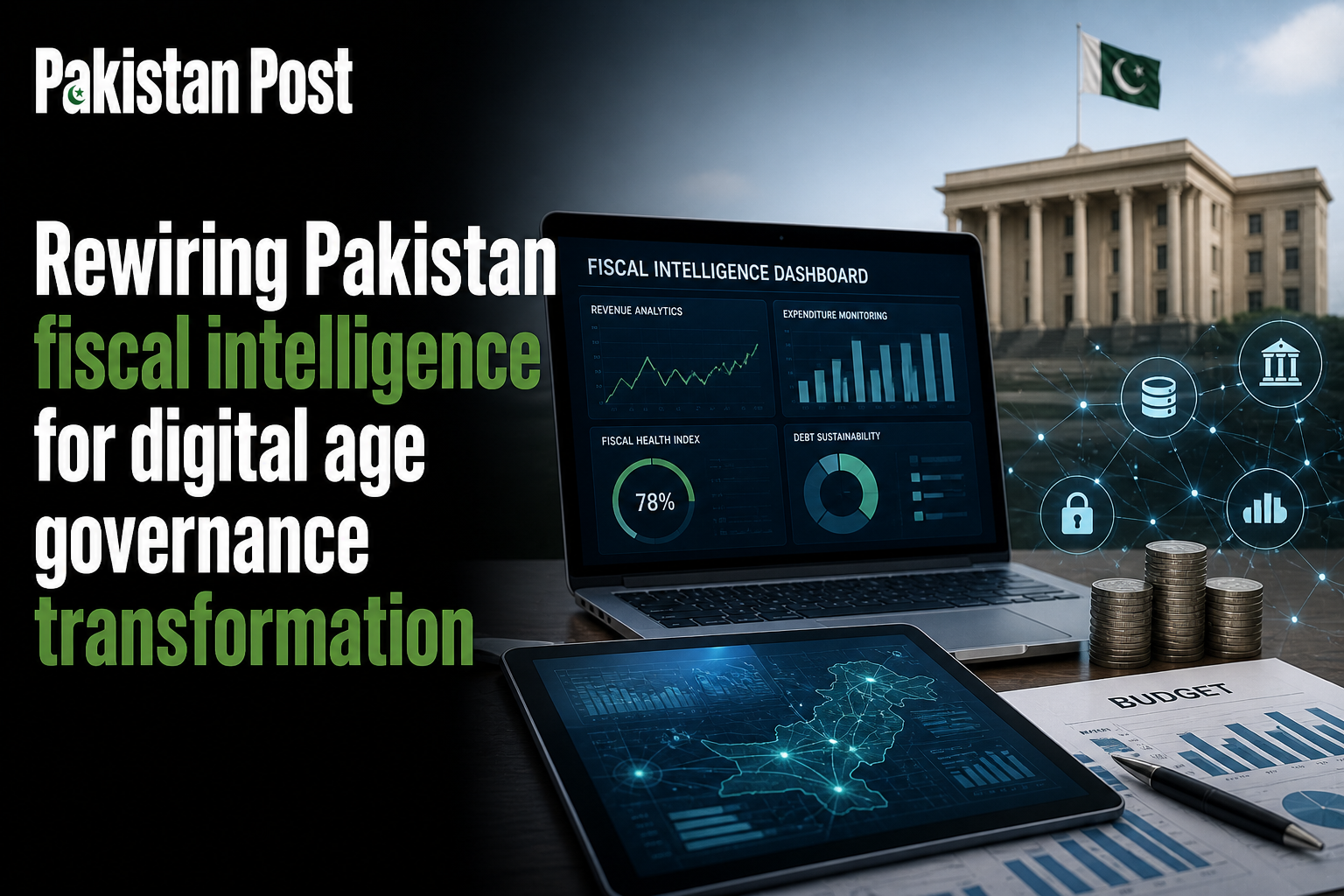
Rewiring Pakistan fiscal intelligence for digital age governance transformation
Pakistan’s fiscal crisis is no longer merely a question of deficits, debt cycles, or negotiations with international lenders, it is fundamentally a crisis of state intelligence, of how the state sees, measures, predicts, and governs economic activity within its own borders. The Federal
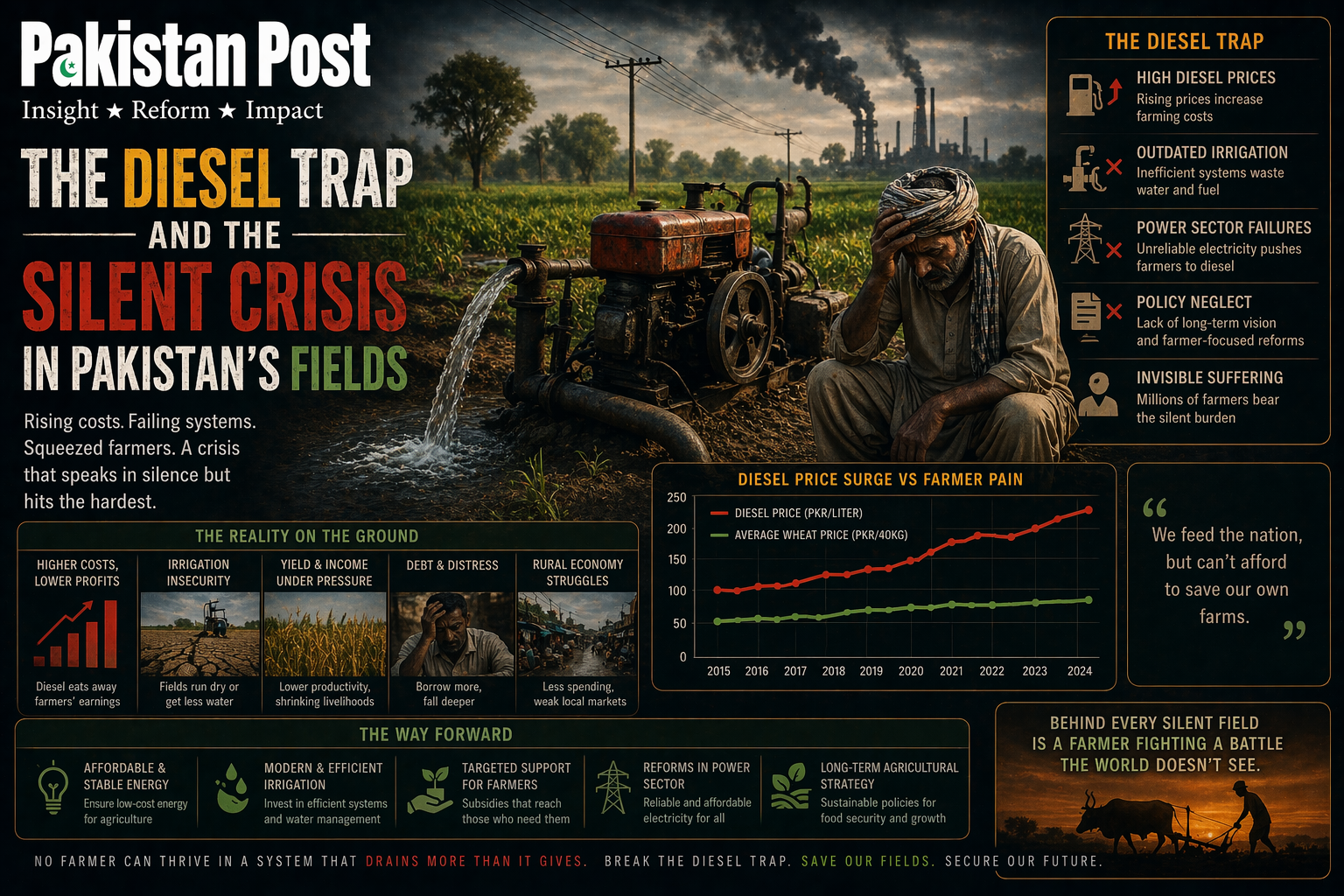
The Diesel Trap and the Silent Crisis in Pakistan’s Fields
In Pakistan’s countryside, the sound of agriculture is increasingly the sound of diesel engines. It powers tubewells, runs tractors, moves harvests, and sustains irrigation in a water-stressed economy. Yet this dependence has become a trap. As diesel prices climb, the cost of simply
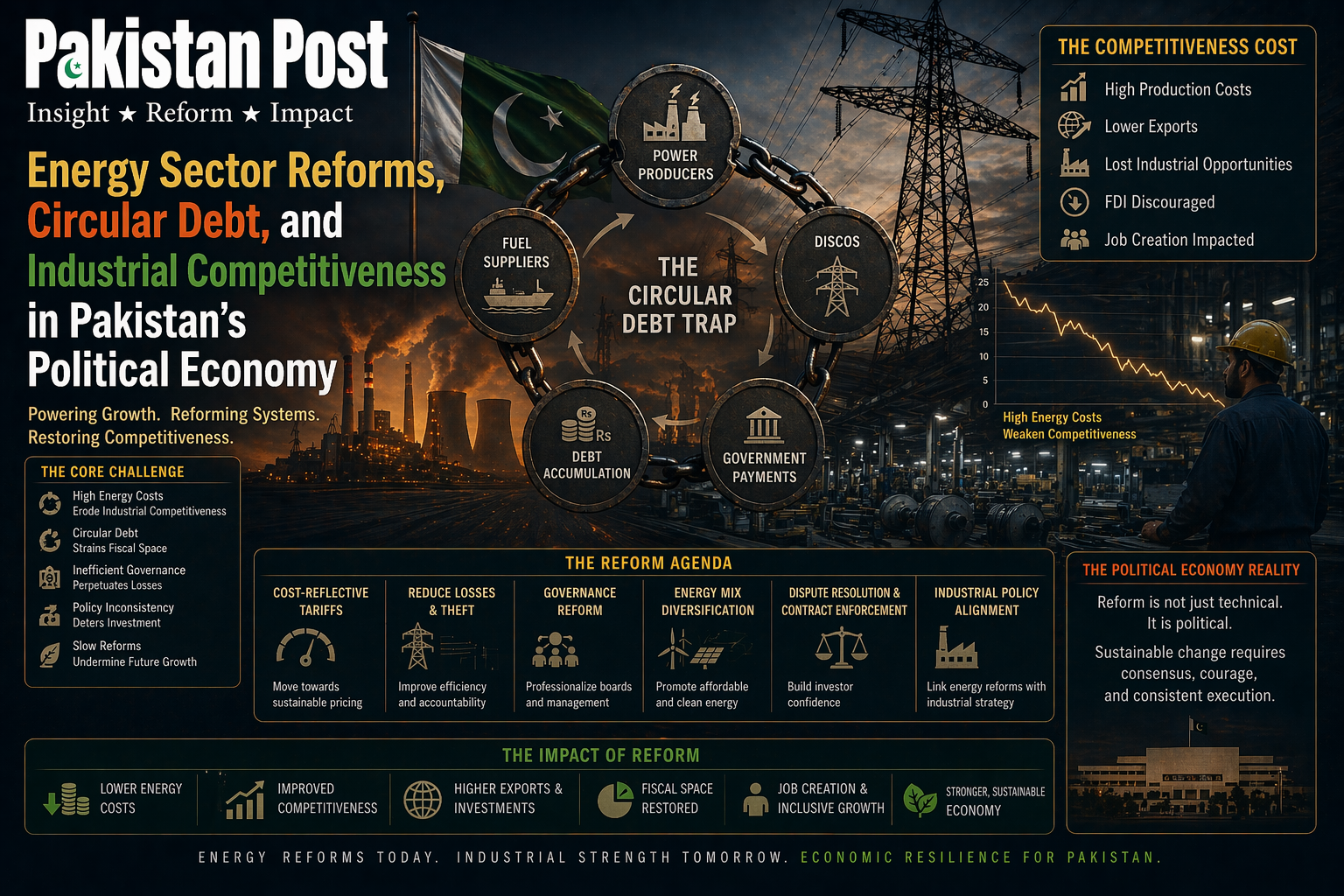
Energy Sector Reforms, Circular Debt, and Industrial Competitiveness in Pakistan’s Political Economy
Pakistan’s energy sector sits at the core of its macroeconomic instability and industrial underperformance, functioning simultaneously as a driver of fiscal stress, a constraint on export competitiveness, and a persistent source of political contestation. Over the past decade, successive governments have introduced a