
Pakistan’s Strategic Ambiguity Faces a Harder Regional Test

Pakistan’s ability to maintain strategic relationships across competing Middle Eastern centres of power is entering a more demanding phase. For decades, Islamabad has relied on a carefully calibrated diplomatic vocabulary that permits close security cooperation with Saudi Arabia, commercial engagement with the United
Pakistan’s Kashmir Narrative Needs Evidence To Regain International Credibility

Pakistan’s Kashmir diplomacy has a problem that cannot be solved by producing louder statements. The central weakness is not the absence of a political position, nor the lack of historical material, nor even the scarcity of international legal references. It is the uneven
Pakistan’s Defence Partnerships Need a Doctrine of Strategic Restraint

Pakistan’s expanding defence relationships are entering a more consequential phase. For decades, Islamabad has maintained military cooperation with China, the United States, Saudi Arabia, Türkiye, Qatar and other partners without converting every relationship into a binding security commitment. That distinction is now becoming
Pakistan’s Remittance Economy Needs a Productive Finance Architecture
Pakistan’s remittance economy is often discussed as a foreign exchange story. That description is accurate but strategically incomplete. Remittances are one of the country’s most dependable external financing streams, yet their deeper economic significance lies in the financial relationship they create between millions
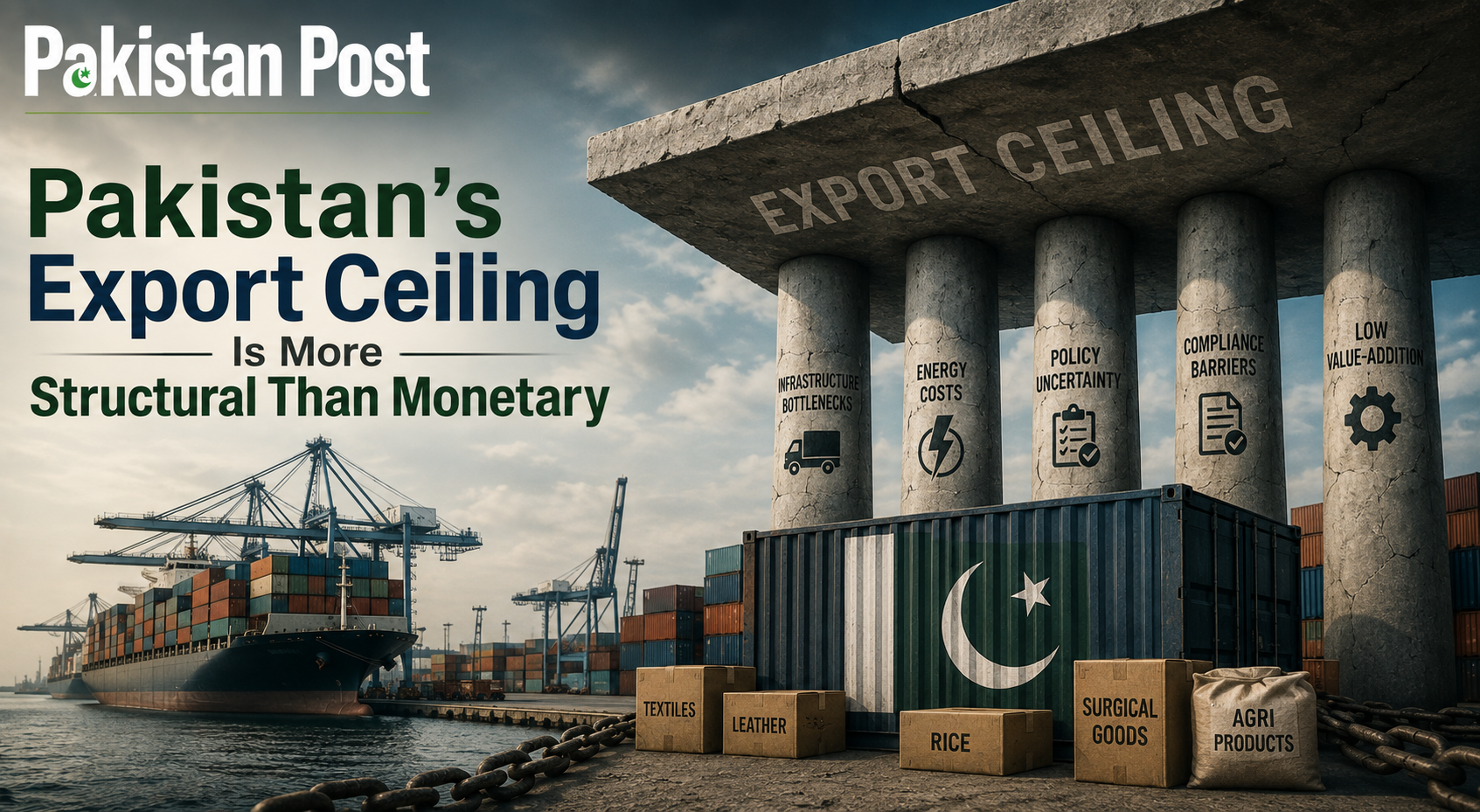
Pakistan’s Export Ceiling Is More Structural Than Monetary
Pakistan’s recurring belief in the exchange rate as an export strategy has survived far more evidence than it deserves. Whenever the rupee weakens, policymakers expect exporters to become more competitive, factories to expand, foreign buyers to increase orders and the trade deficit to
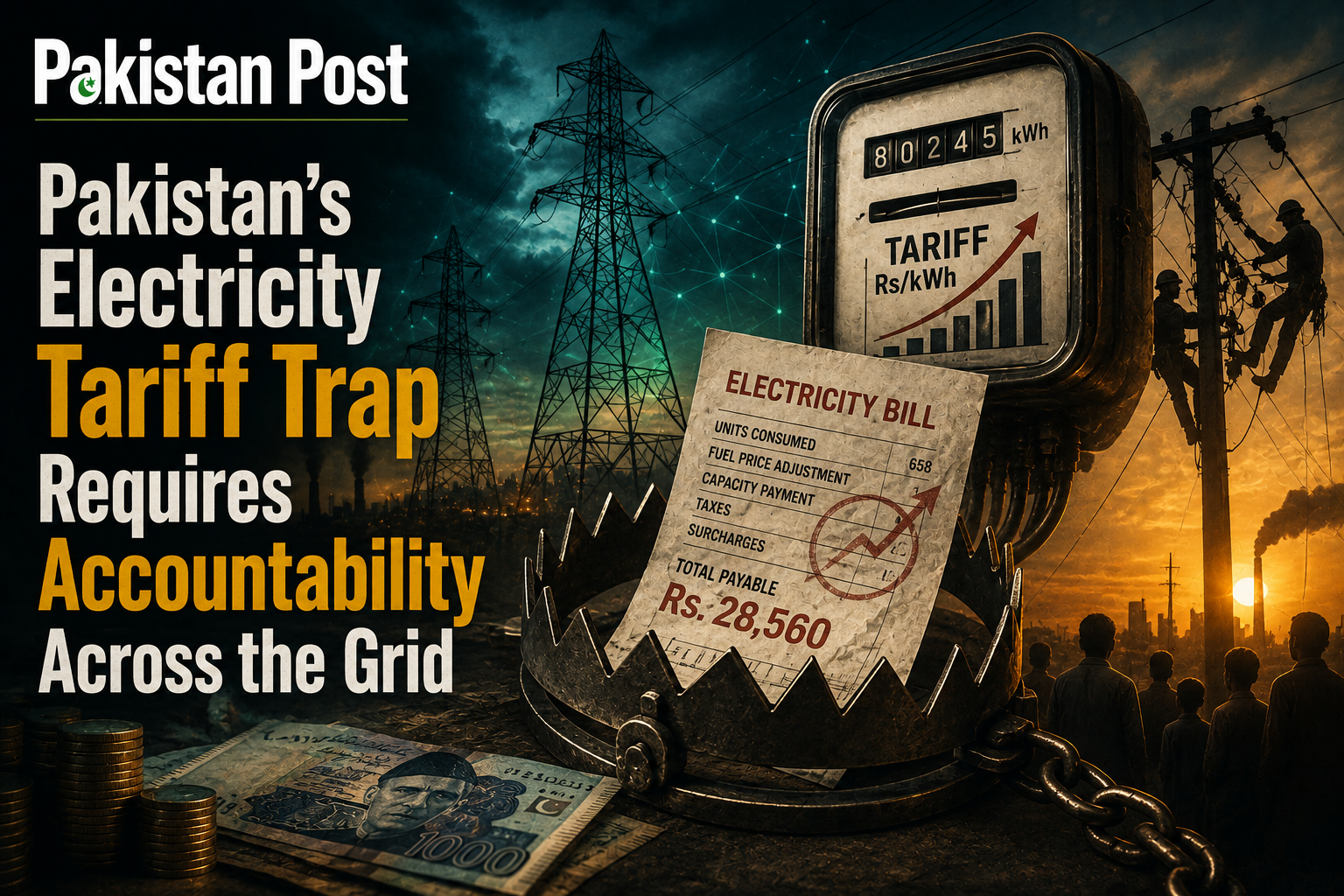
Pakistan’s Electricity Tariff Trap Requires Accountability Across the Grid
Pakistan’s electricity problem is no longer adequately described as a shortage of generation. The country has spent years expanding generation capacity while failing to construct an equally disciplined commercial architecture around transmission, distribution, billing, collection and demand. The result is a paradox that
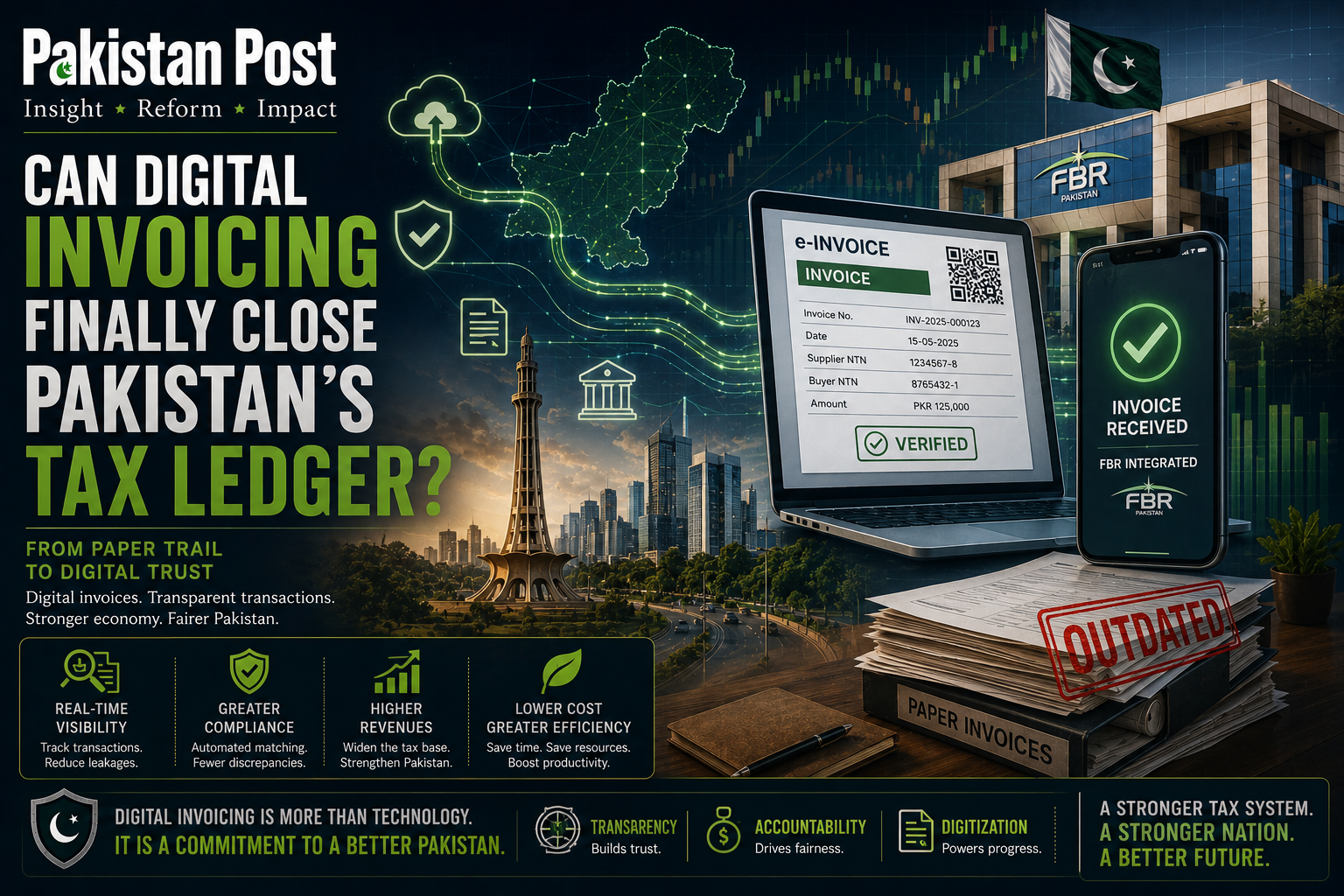
Can digital invoicing finally close Pakistan’s tax ledger?
Pakistan’s tax problem is no longer primarily a question of whether economic activity exists. It is a question of whether the state can see it. A substantial portion of commerce continues to operate through transactions that leave incomplete, fragmented or deliberately obscured records,
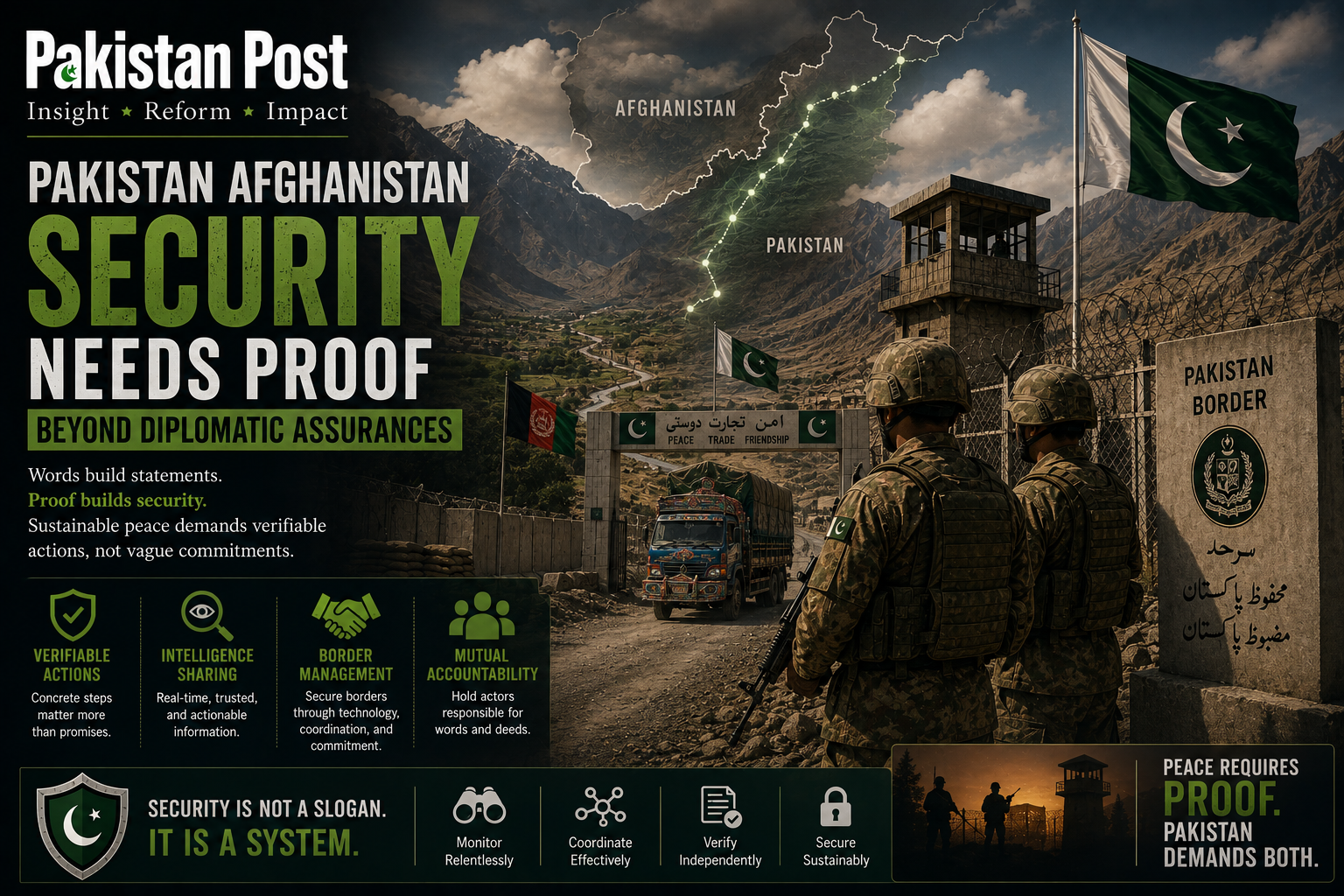
Pakistan Afghanistan Security Needs Proof Beyond Diplomatic Assurances
Pakistan Afghanistan relations have repeatedly demonstrated a familiar weakness in regional security diplomacy: agreements can be reached, assurances can be exchanged, channels can be reopened, and yet the underlying security dispute remains substantially intact. The central problem is no longer the absence of
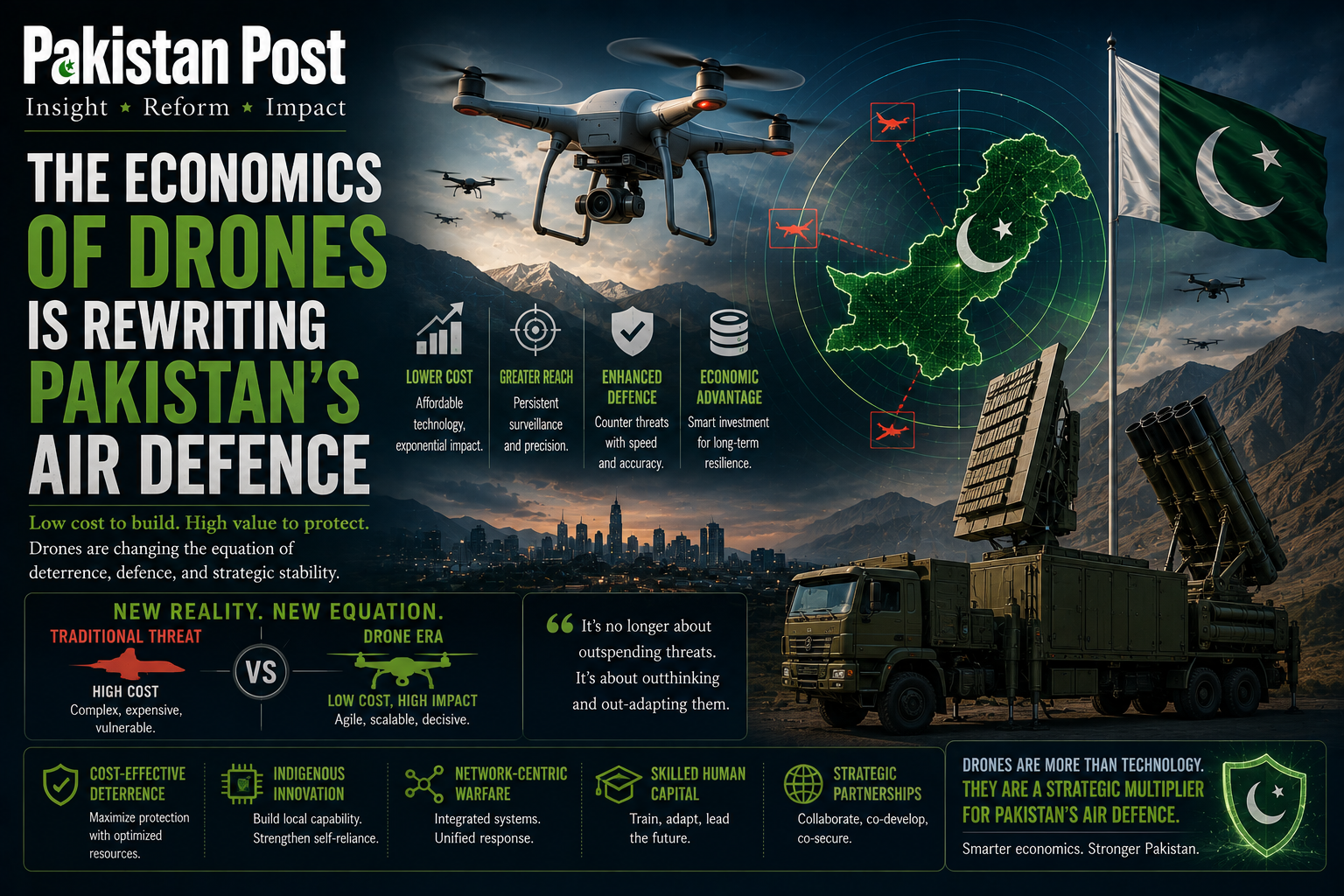
The Economics of Drones Is Rewriting Pakistan’s Air Defence
The central problem confronting Pakistan’s air defence planners is no longer whether the country possesses sophisticated systems capable of detecting and engaging aerial threats. It is whether those systems can remain economically, operationally and doctrinally viable when the attacker can manufacture uncertainty at
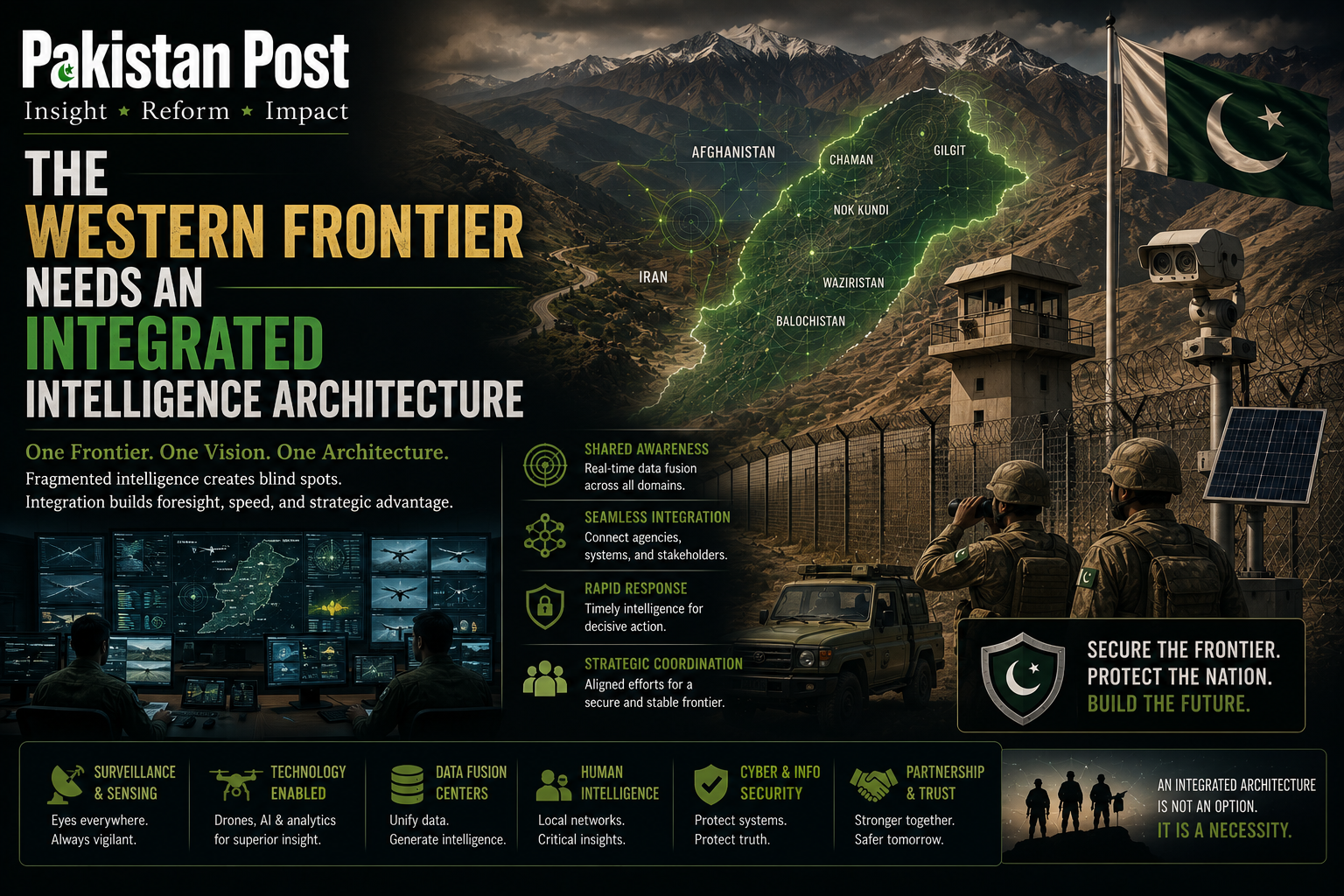
The Western Frontier Needs an Integrated Intelligence Architecture
approaches Pakistan’s approach towards western frontier is not as a line on a map, but as a continuously moving security environment in which people, information, money, commodities, weapons and influence cross administrative jurisdictions with very different speeds and levels of scrutiny. The central