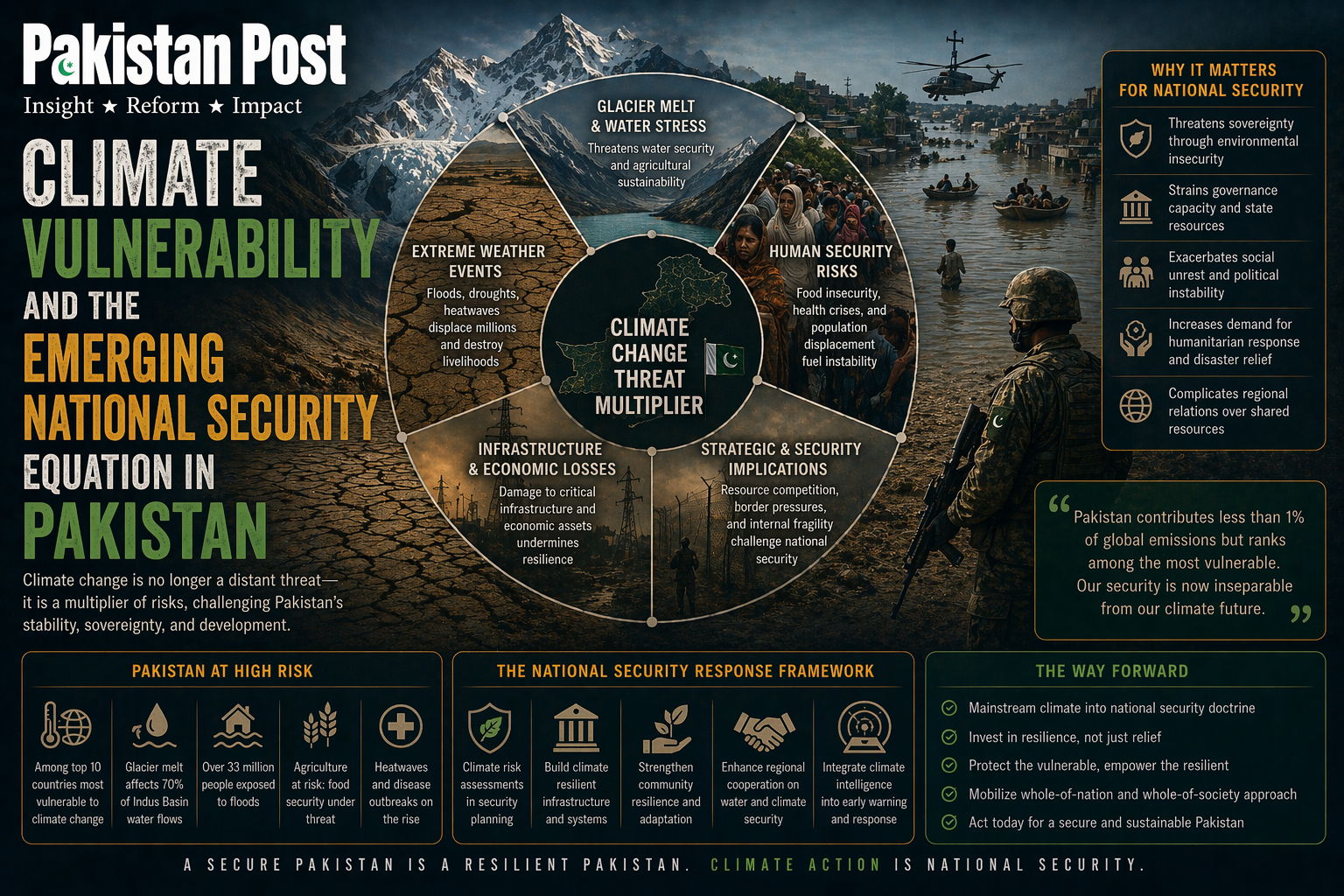
Climate Vulnerability and the Emerging National Security Equation in Pakistan

Pakistan’s exposure to climate change has moved beyond the realm of environmental concern and into the structural core of state stability. Once treated primarily as a developmental or humanitarian challenge, climate variability is now increasingly shaping the country’s economic resilience, food systems, urban
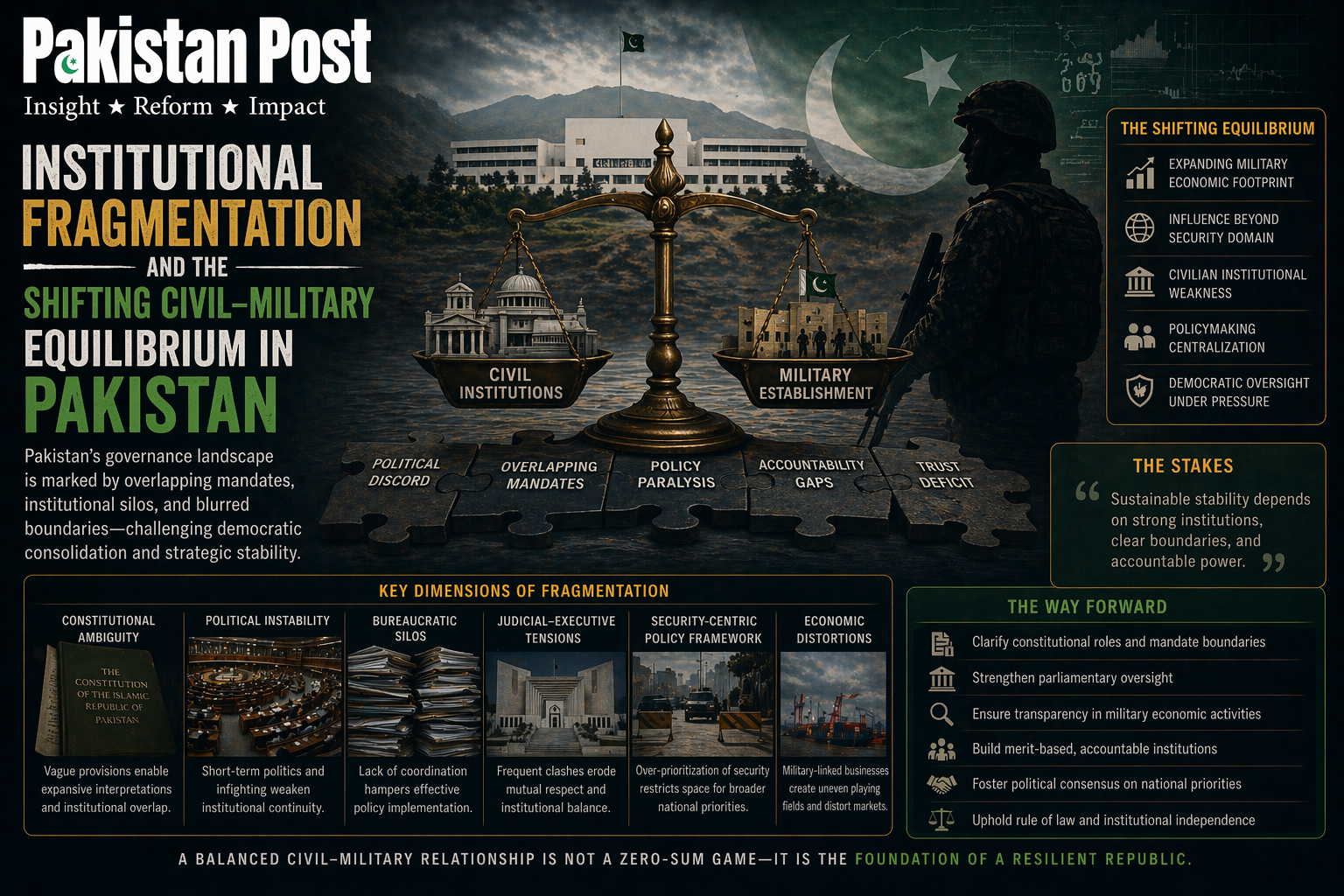
Institutional Fragmentation and the Shifting Civil–Military Equilibrium in Pakistan

Pakistan’s governance system has long been described as a layered state, where formal constitutional arrangements coexist with informal centres of authority that shape policy direction, crisis response, and strategic decision-making. Over time, this coexistence has not matured into stable power-sharing but has instead
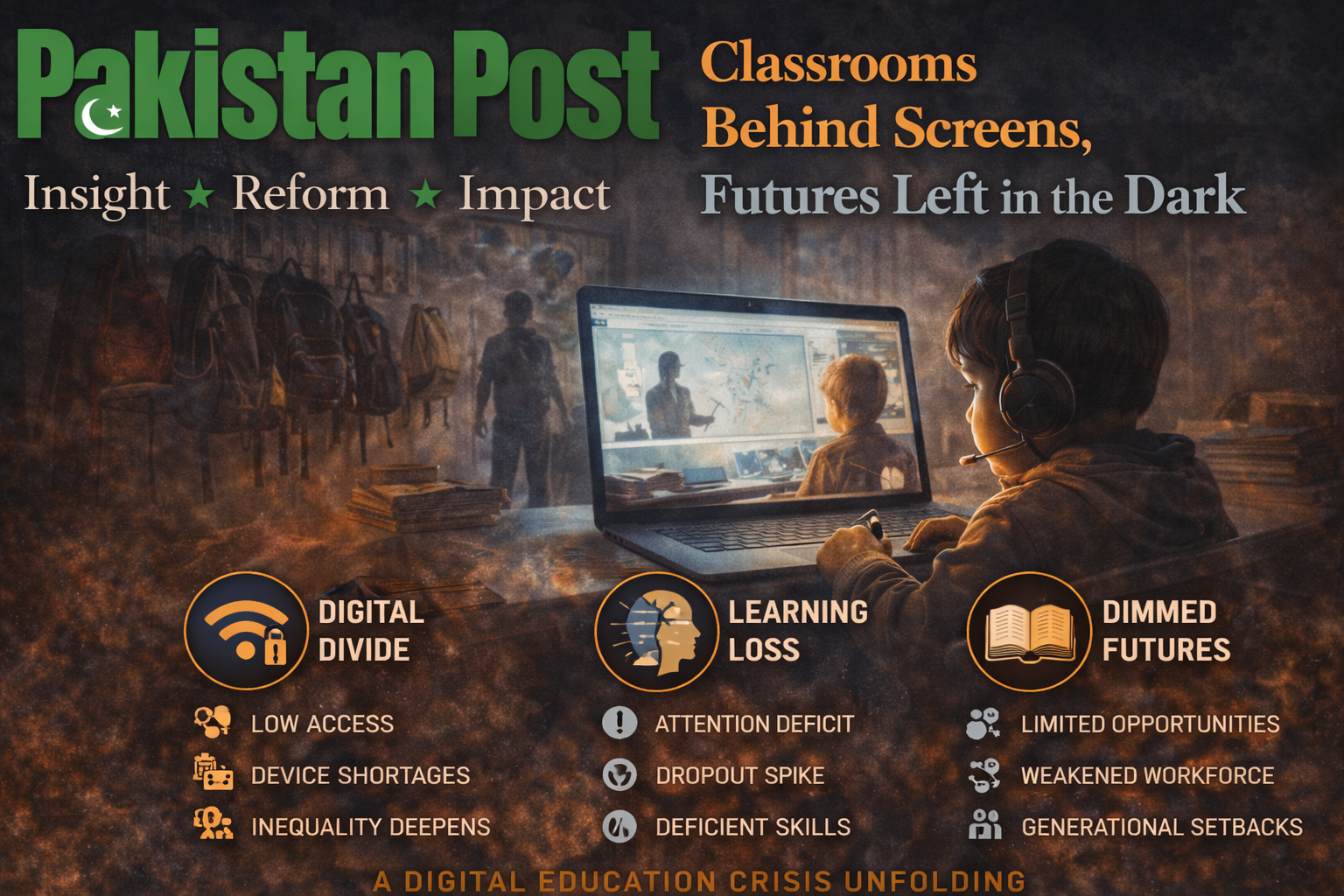
Classrooms Behind Screens, Futures Left in the Dark

There is a dangerous disconnect between policy imagination and lived reality that defines the current trajectory of online education. It is being presented as a modern solution, a technological leap, and an equalizer of opportunity, yet for a vast segment of the population

Merit Buried in Silence
There is a quiet crisis unfolding within Pakistan’s higher education system, one that does not erupt in headlines every day yet steadily corrodes the very foundation of intellectual life in the country. It is not a crisis of infrastructure, nor solely of funding,

When Summer Dries the Veins of the Nation: Pakistan at the Edge of a Structural Water Crisis
As the warmth of summer approaches, Pakistan faces a challenge that is invisible yet omnipresent, flowing through every aspect of life like a river running dry. Water, the lifeblood of agriculture, industry, and human sustenance, is increasingly becoming a scarce commodity, and the
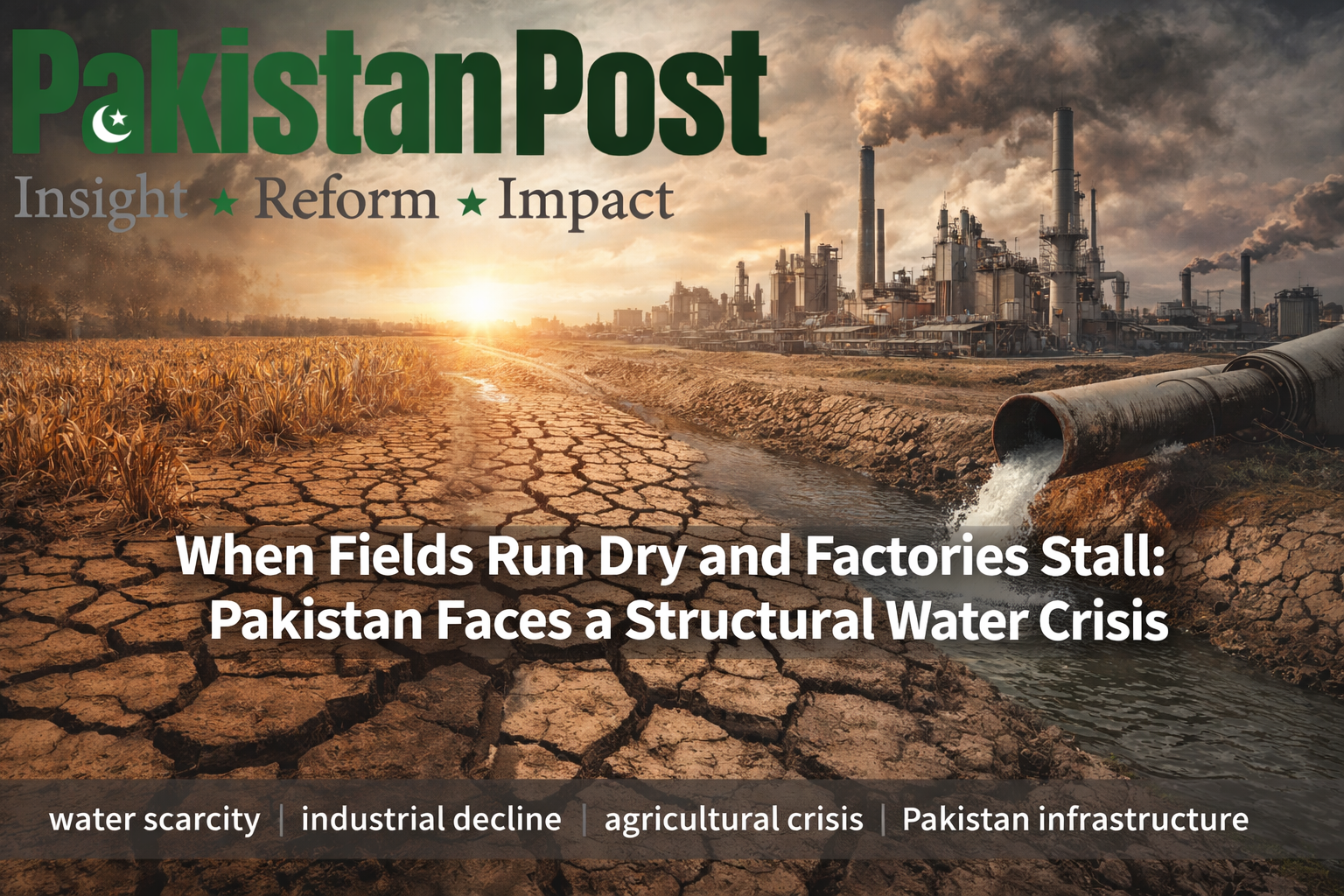
When Fields Run Dry and Factories Stall: Pakistan Faces a Structural Water Crisis
Water is the pulse that drives Pakistan’s economy, nourishing its fields, powering its industries, and sustaining the livelihoods of millions. Yet this pulse is weakening, signaling a crisis that is deeper and more structural than conventional droughts. The United Nations University Institute for
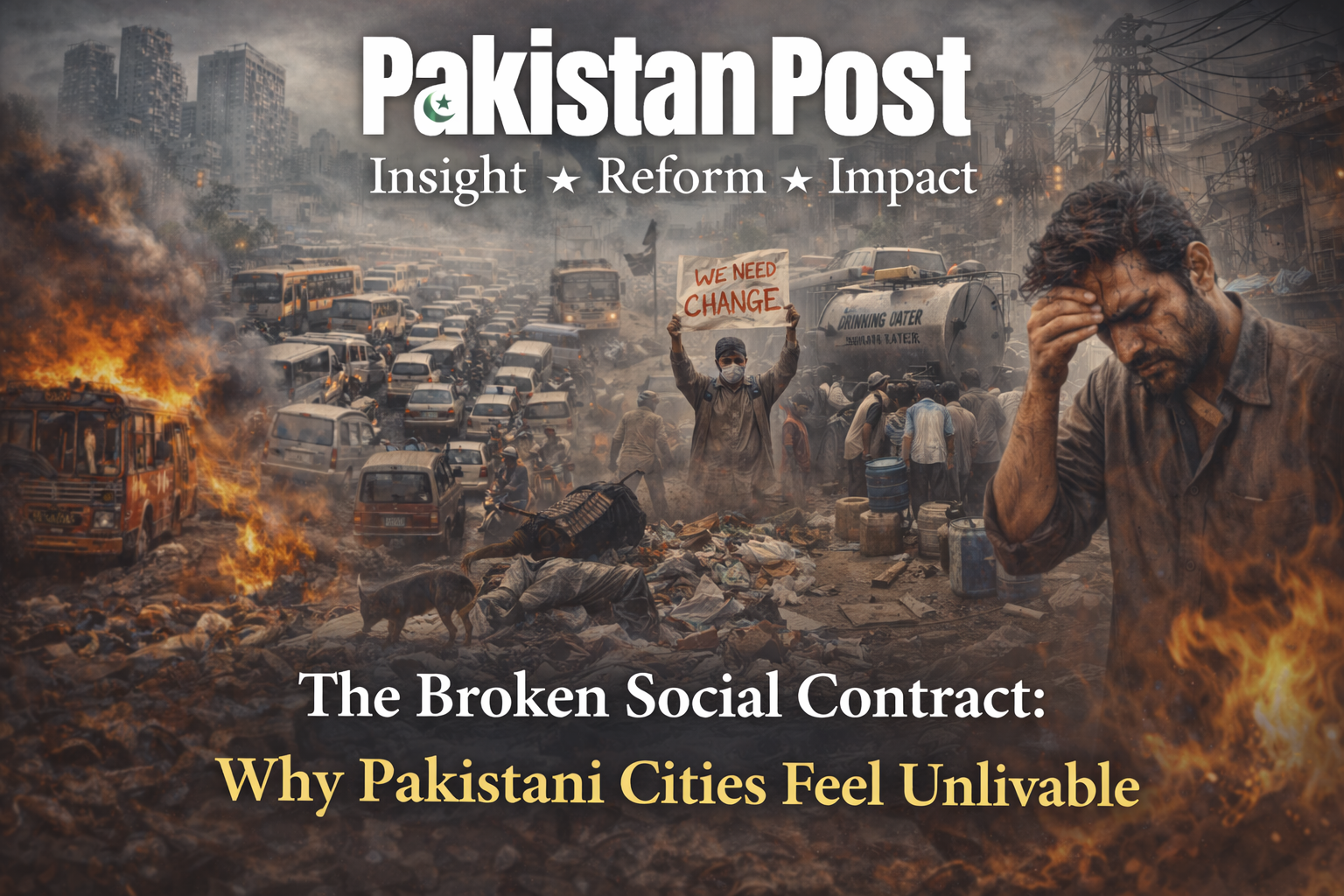
The Broken Social Contract: Why Pakistani Cities Feel Unlivable
Pakistan is urbanizing at a pace faster than its governance capacity. Over the past two decades, millions have migrated from rural districts to metropolitan centers in search of employment, education, and opportunity. Cities such as Karachi, Lahore, Islamabad, Peshawar, and Quetta have expanded
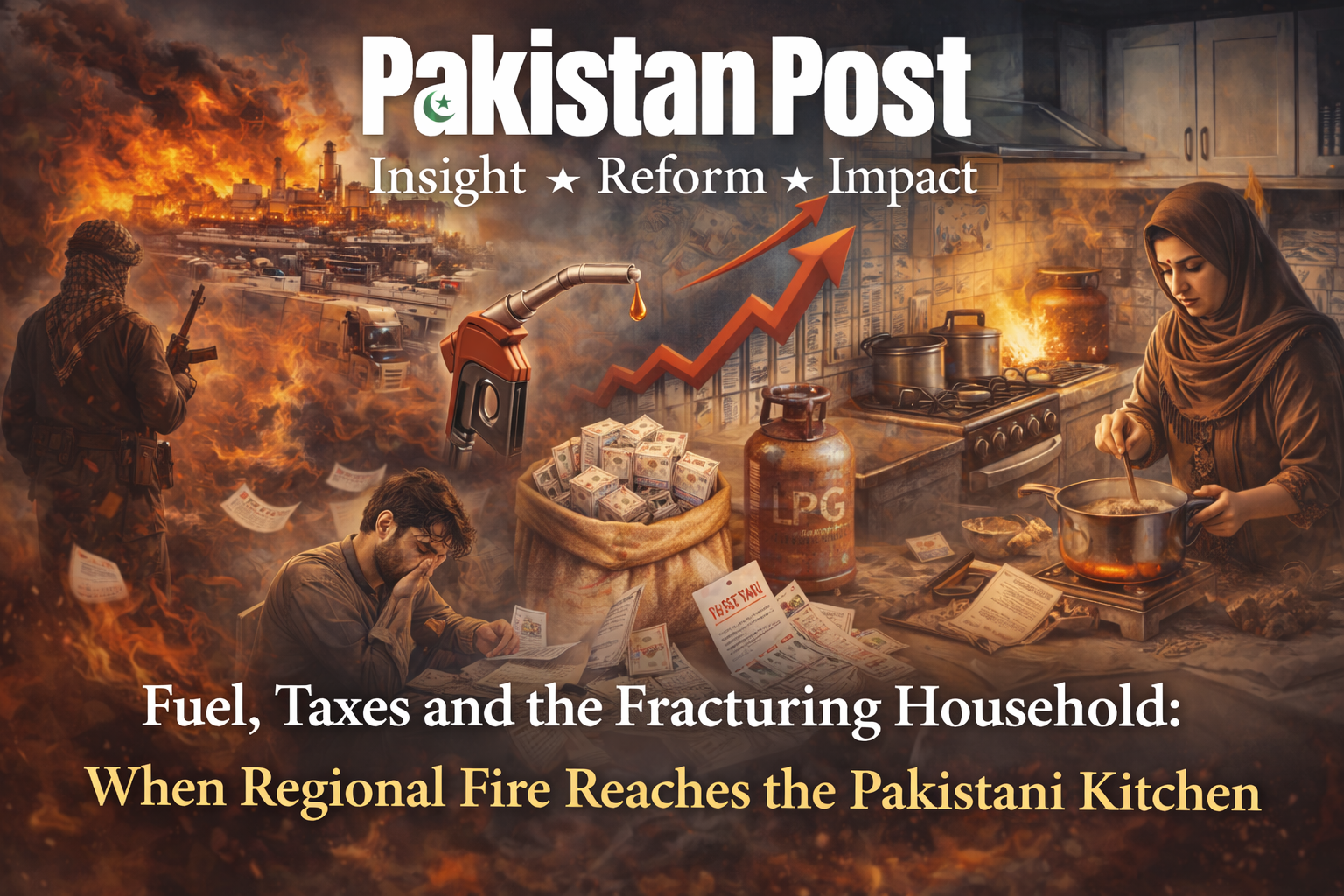
Fuel, Taxes and the Fracturing Household: When Regional Fire Reaches the Pakistani Kitchen
National stability is not secured only at borders. It is secured in kitchens, classrooms, and fuel stations.Pakistan today stands at a structural crossroads. The debate over economic reform, fiscal discipline, and revenue generation is often framed in the language of macroeconomics, deficits, reserves,

When Education Stops Building Nations and Starts Sorting Citizens: How Pakistan’s Schooling Model Converted Learning into a Class-Producing

Education serves as one of the most powerful vehicles for social development and national cohesion. Historically, countries like Finland, South Korea, post-war Germany, and early China leveraged their education systems to equalize cognitive capital, prioritizing inclusivity and collective advancement over monetization. However, Pakistan
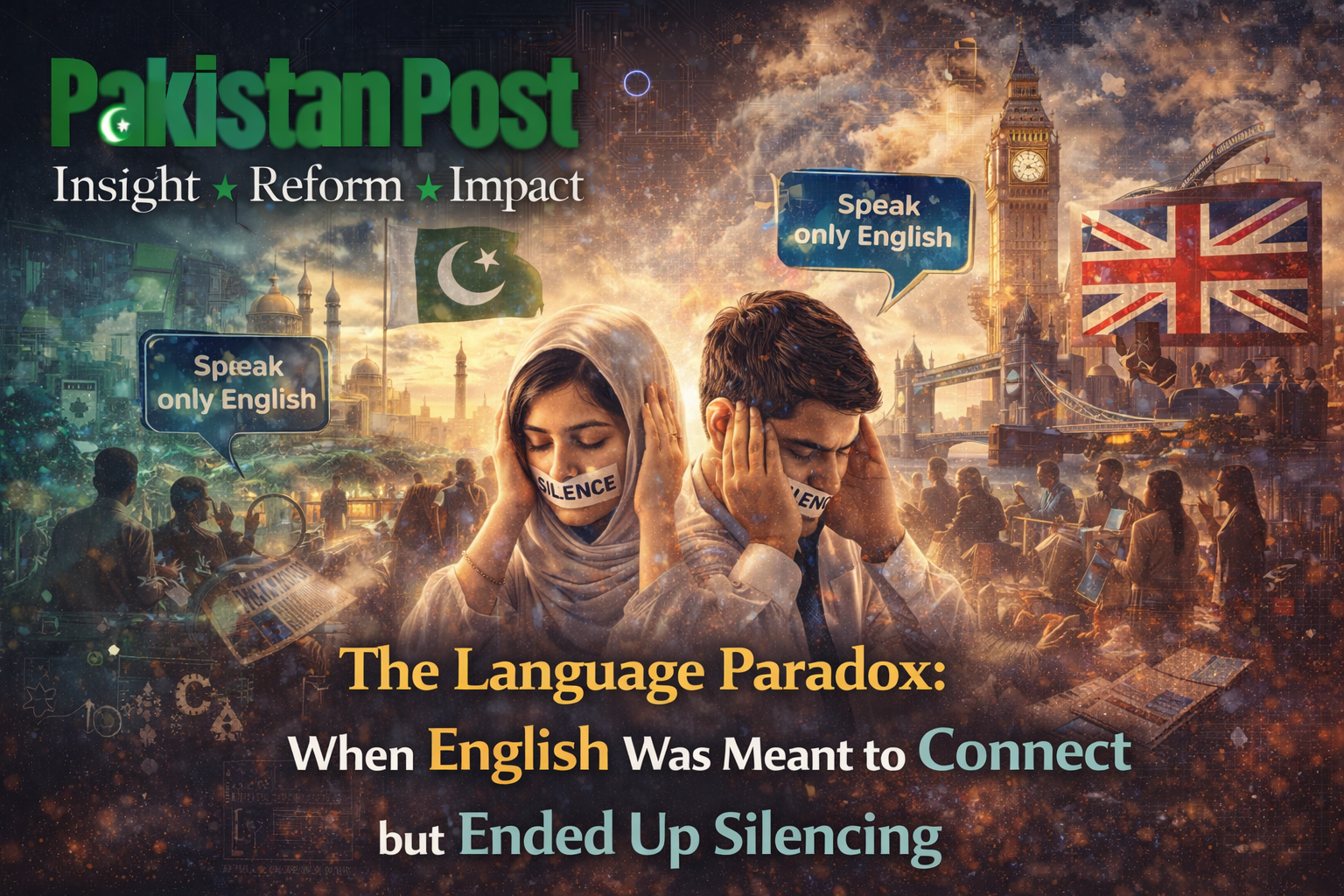
The Language Paradox: When English Was Meant to Connect but Ended Up Silencing
In the landscape of modern education and communication in Pakistan, English holds a paradoxical status. Initially introduced as a means to bridge the country to the global sphere, providing opportunities for participation in economic, political, and cultural dialogues, it has evolved into a