
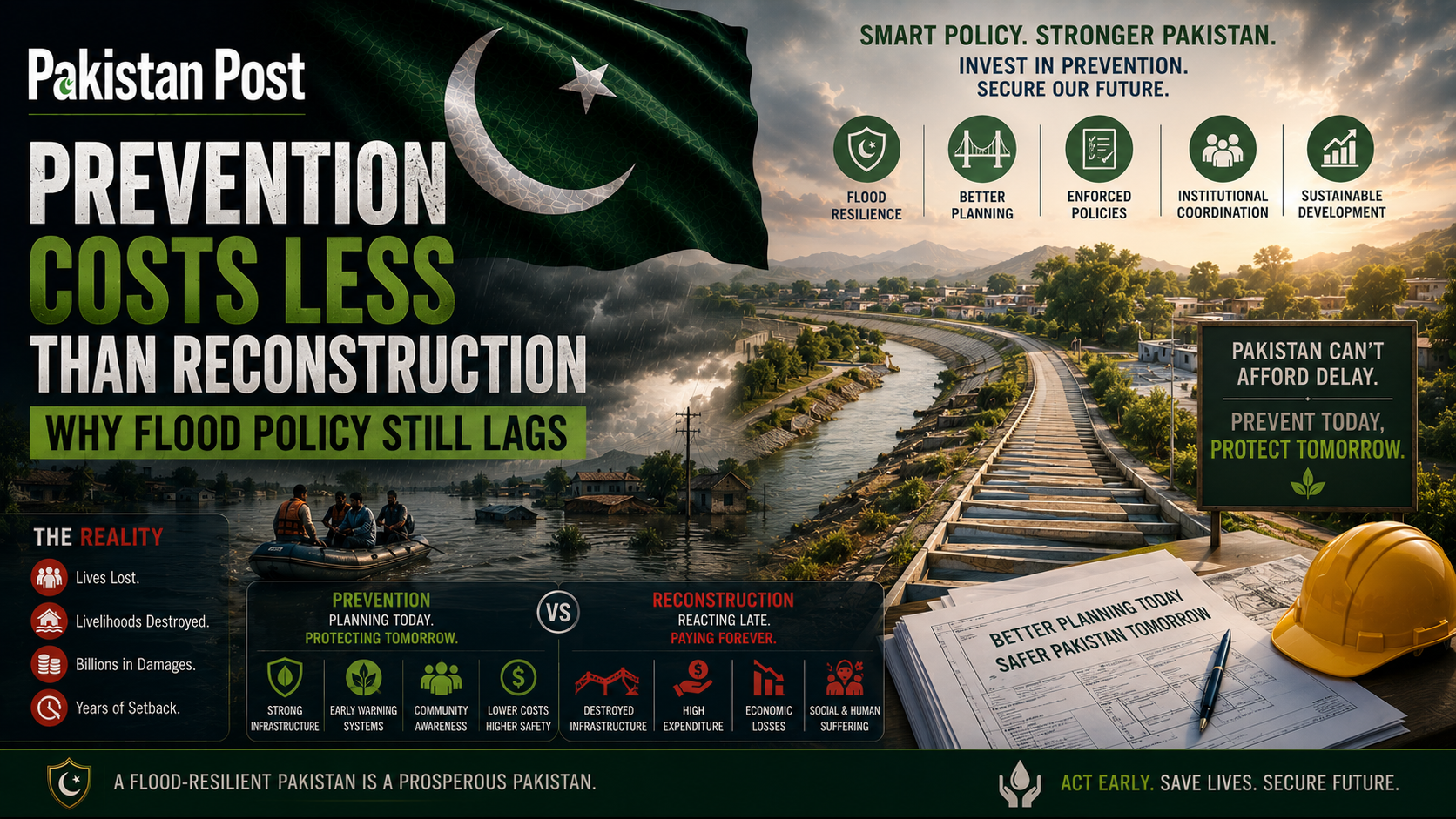
Prevention Costs Less Than Reconstruction Why Flood Policy Still Lags

For Pakistan, floods have ceased to be exceptional natural disasters. They have become predictable fiscal events that repeatedly erase years of public investment, interrupt agricultural production, damage strategic transport corridors, weaken energy distribution, disrupt educational continuity, overwhelm public health systems and reduce investor
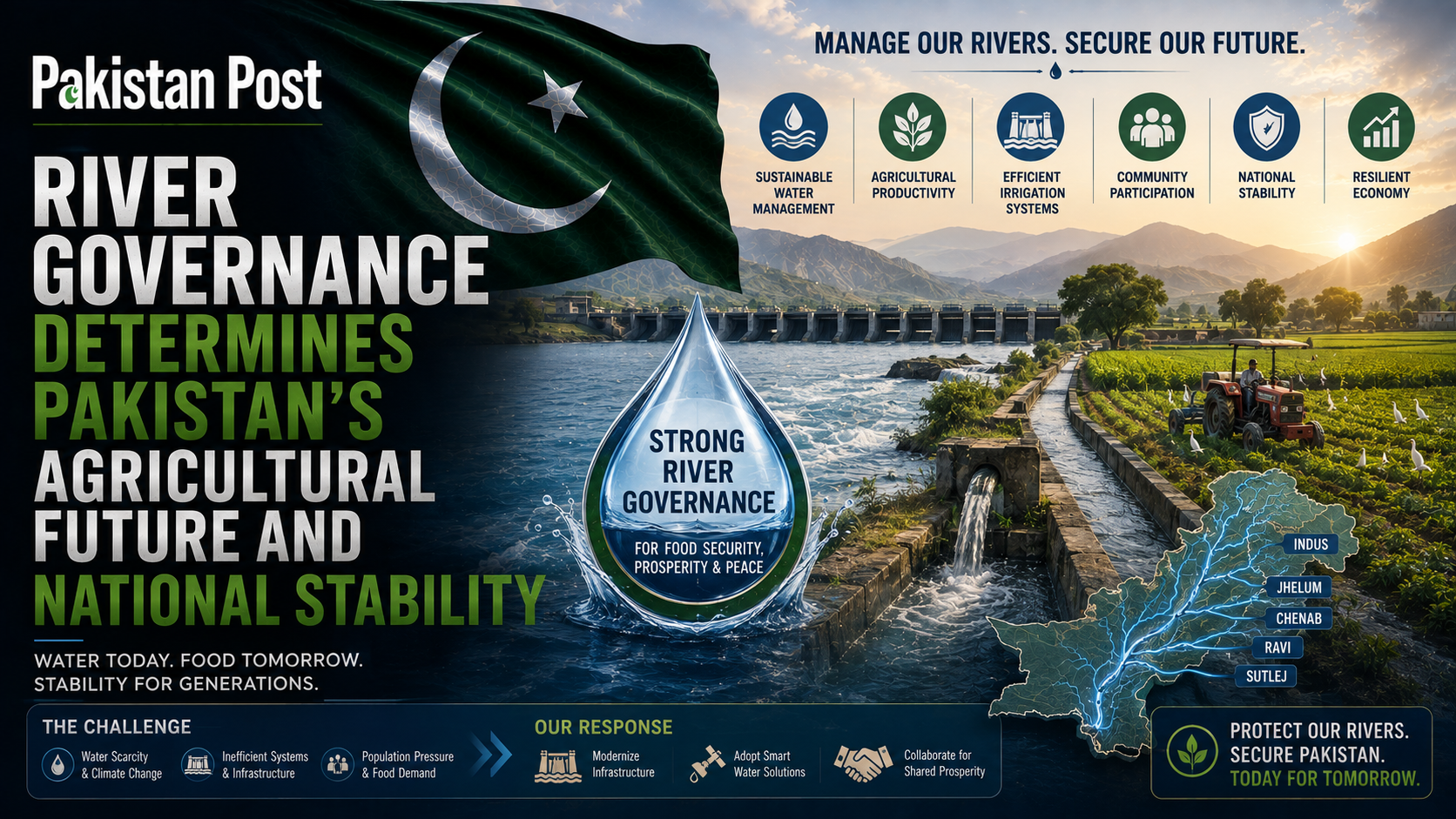
River Governance Determines Pakistan’s Agricultural Future and National Stability

Every monsoon season Pakistan confronts a familiar national dilemma that extends far beyond the immediate spectacle of inundated villages, submerged highways and emergency evacuations. Floods are frequently described as natural disasters, yet the scale of recurring agricultural destruction increasingly reflects institutional choices rather
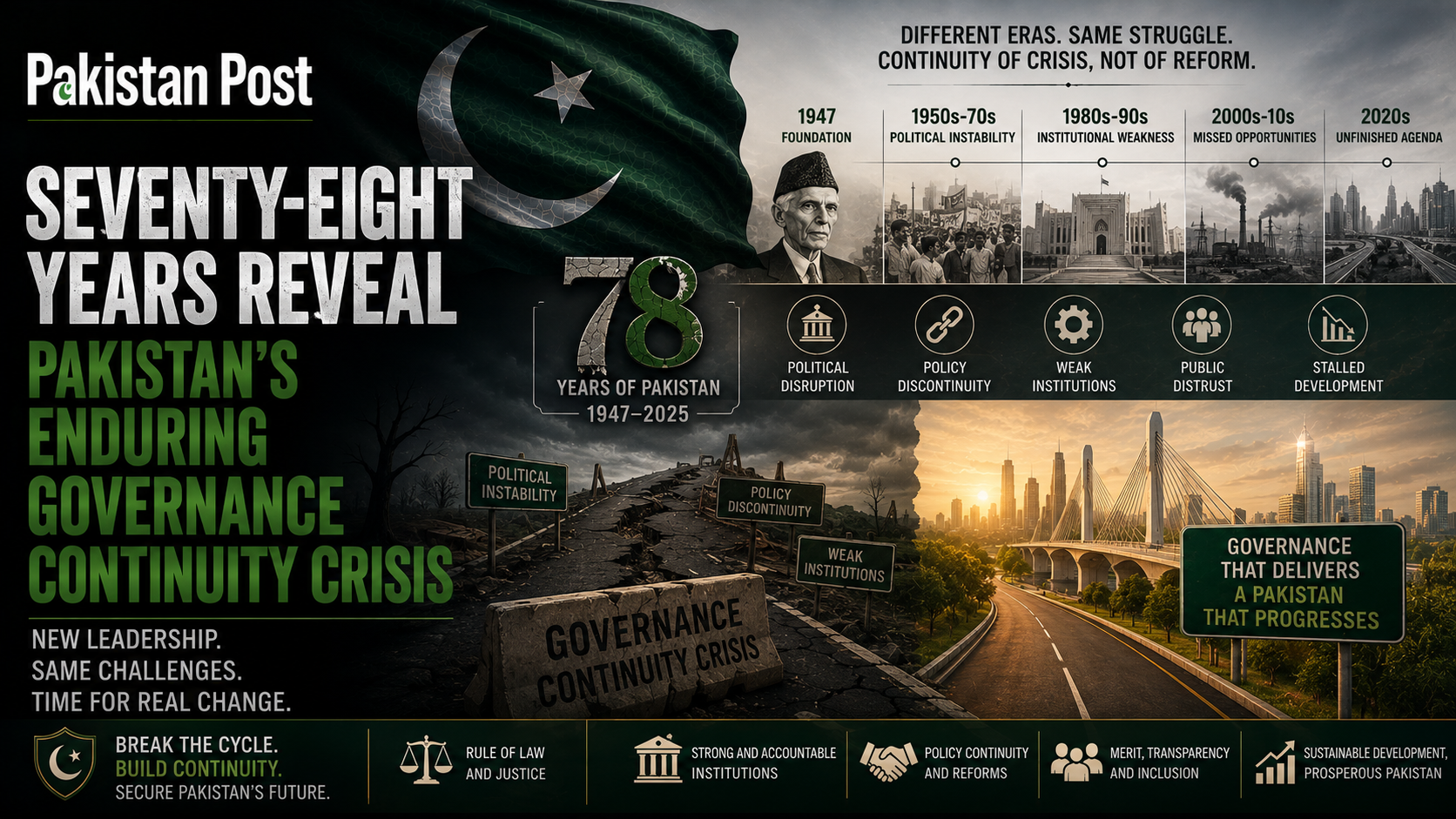
Seventy-Eight Years Reveal Pakistan’s Enduring Governance Continuity Crisis

Seventy-eight years after independence, Pakistan continues to confront a paradox that increasingly attracts the attention of policymakers, strategic planners and international observers. The state has demonstrated remarkable endurance despite wars, constitutional breakdowns, economic crises, terrorism, natural disasters and repeated political transitions. Yet resilience
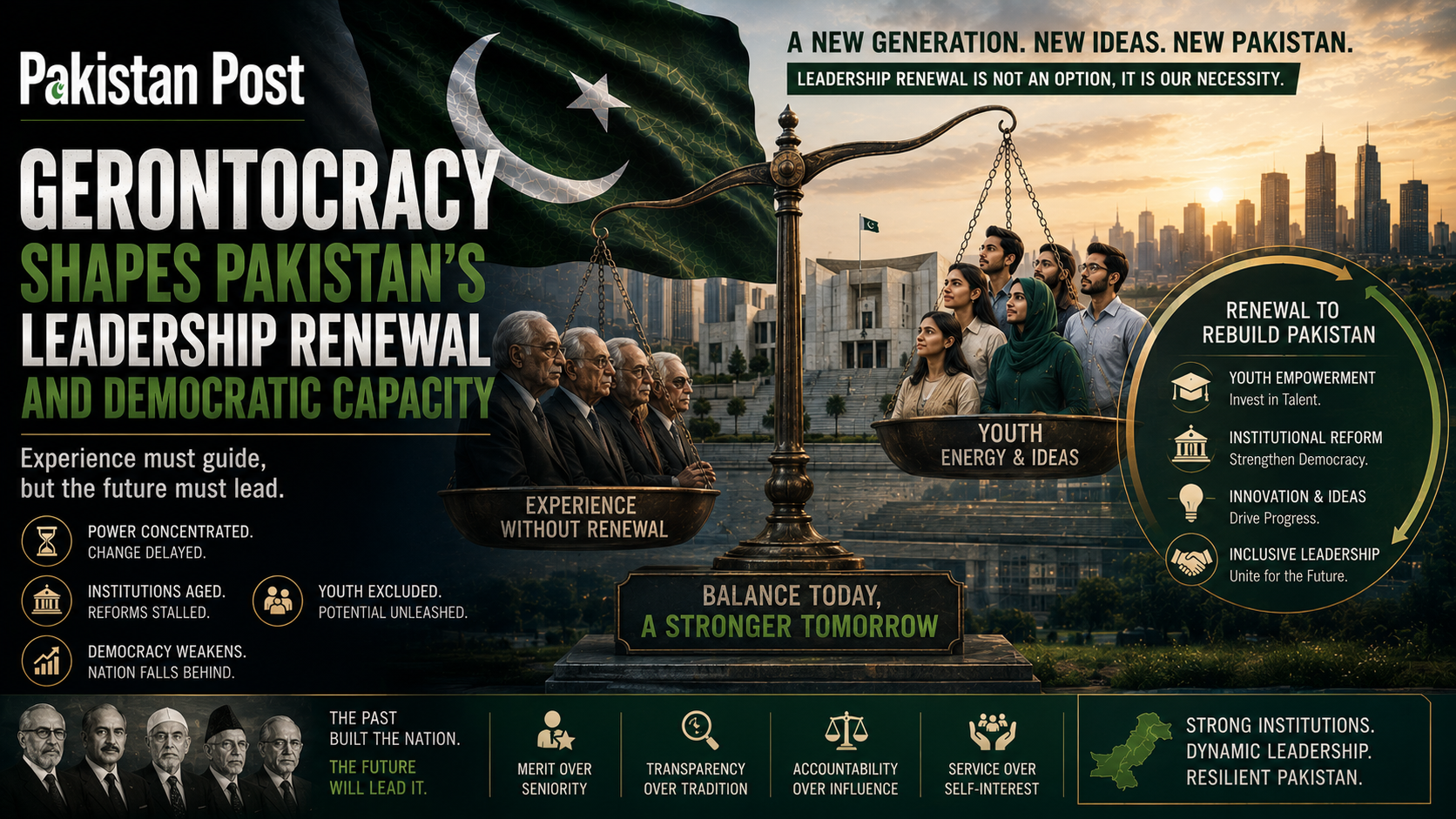
Gerontocracy Shapes Pakistan’s Leadership Renewal and Democratic Capacity

Pakistan confronts a political paradox that increasingly shapes its institutional future. Electoral competition remains vibrant, constitutional transfers of authority continue despite recurring interruptions, and successive governments repeatedly promise reform. Yet the circulation of political leadership remains remarkably narrow. Across multiple electoral cycles, many
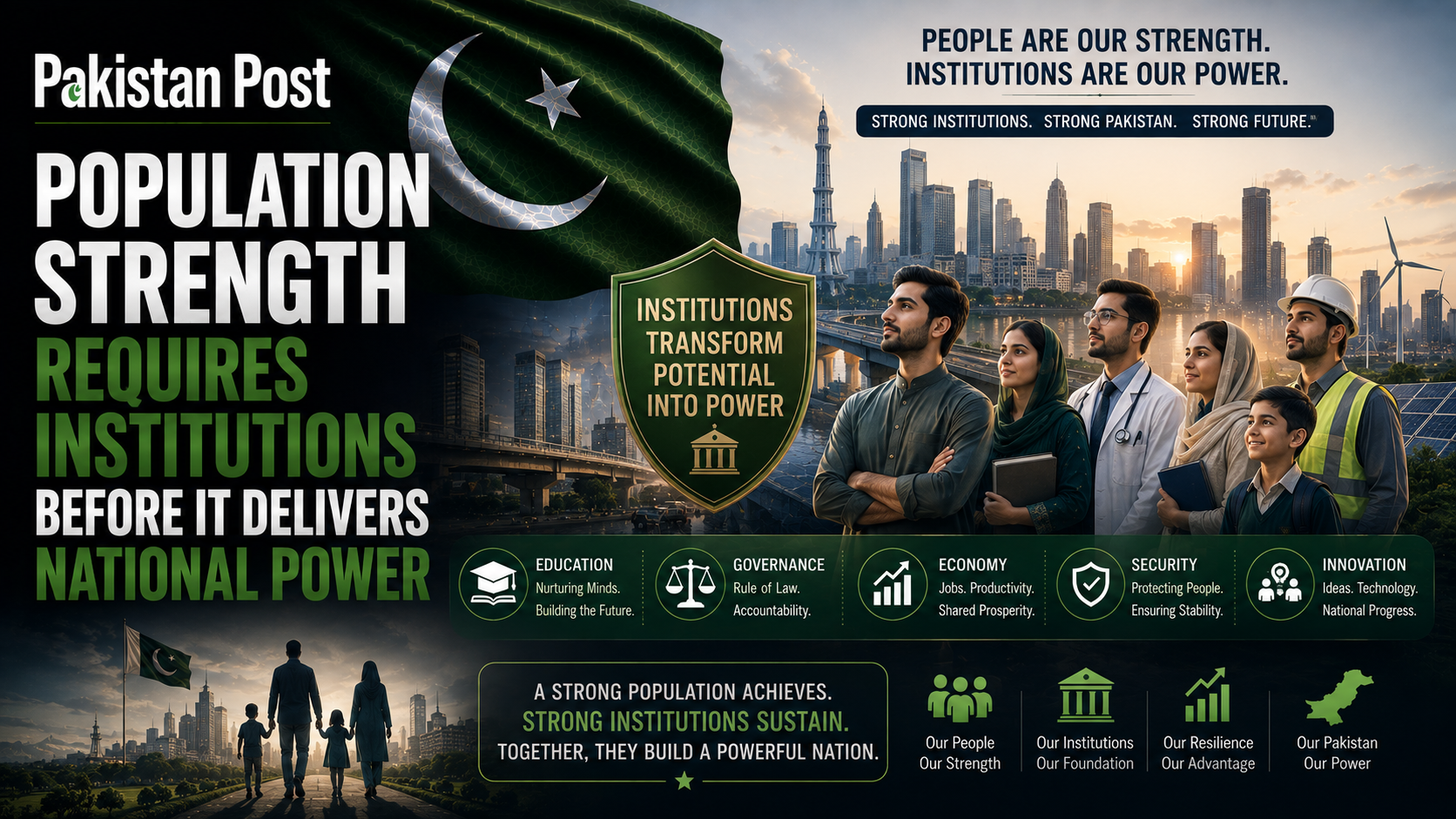
Population Strength Requires Institutions Before It Delivers National Power

For much of modern history, governments viewed population growth primarily through the lenses of census management, electoral arithmetic and social welfare. That perception has altered dramatically. Demographic structure now occupies the centre of strategic planning because population composition increasingly determines whether states possess
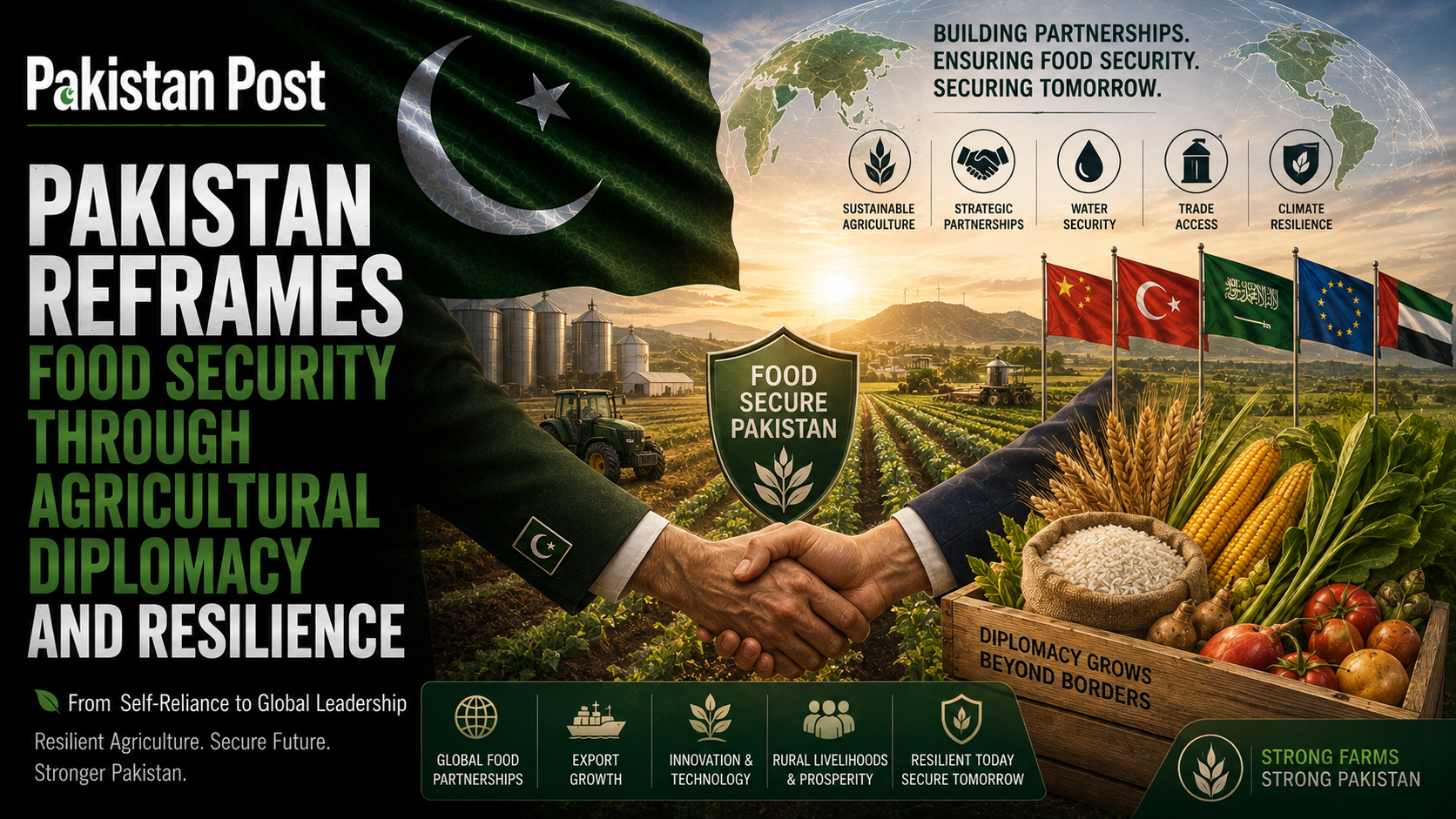
Pakistan Reframes Food Security Through Agricultural Diplomacy and Resilience
Pakistan increasingly confronts a strategic reality that extends far beyond the traditional understanding of agriculture as a domestic economic sector. Food production, fertiliser availability, seed genetics, irrigation efficiency and agricultural research have become decisive instruments of international influence, geopolitical bargaining and national resilience.
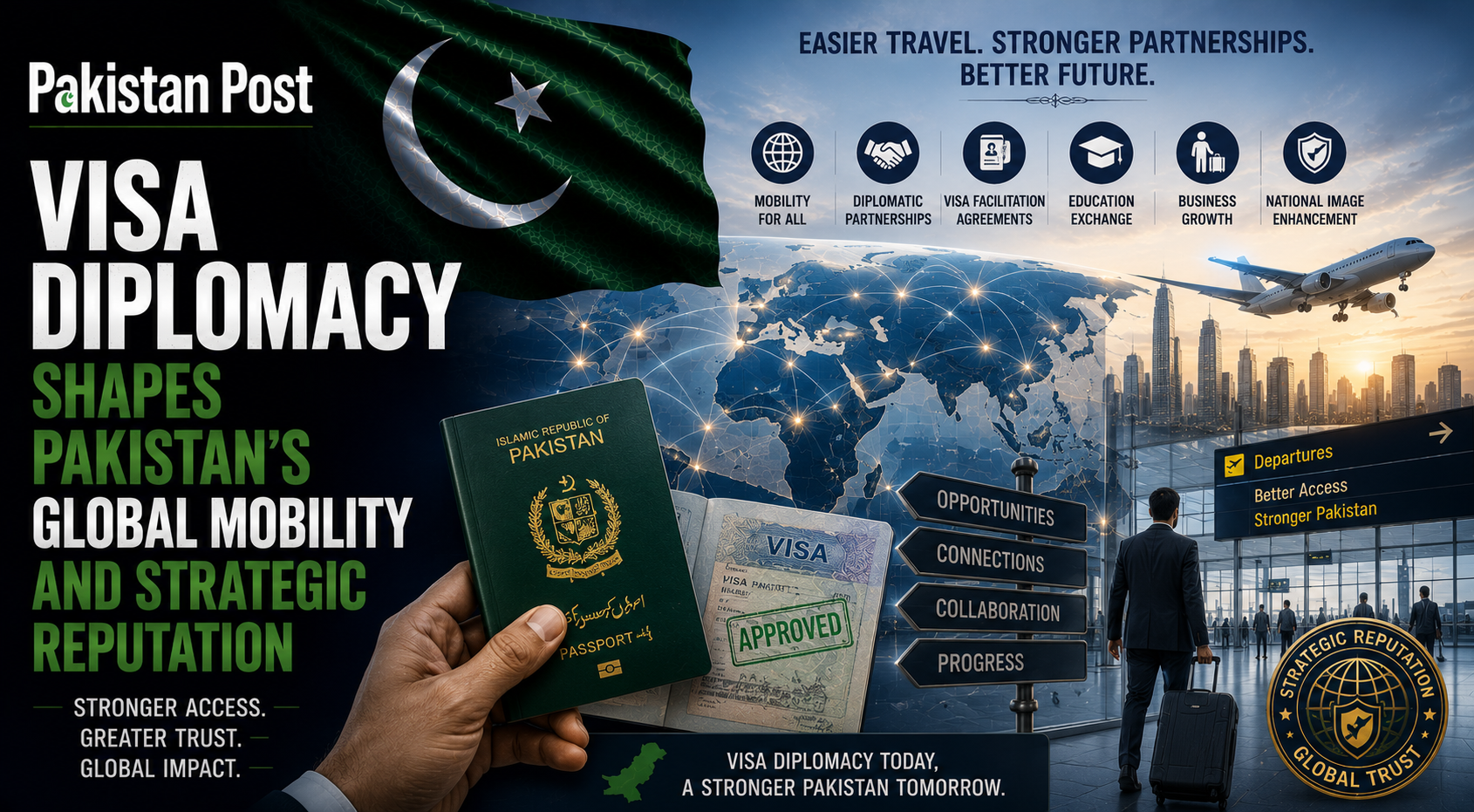
Visa Diplomacy Shapes Pakistan’s Global Mobility and Strategic Reputation

The strength of a passport has quietly evolved into one of the most visible indicators of state credibility. International mobility is no longer determined solely by bilateral agreements or reciprocal travel arrangements. It increasingly reflects global assessments of governance standards, regulatory integrity, migration
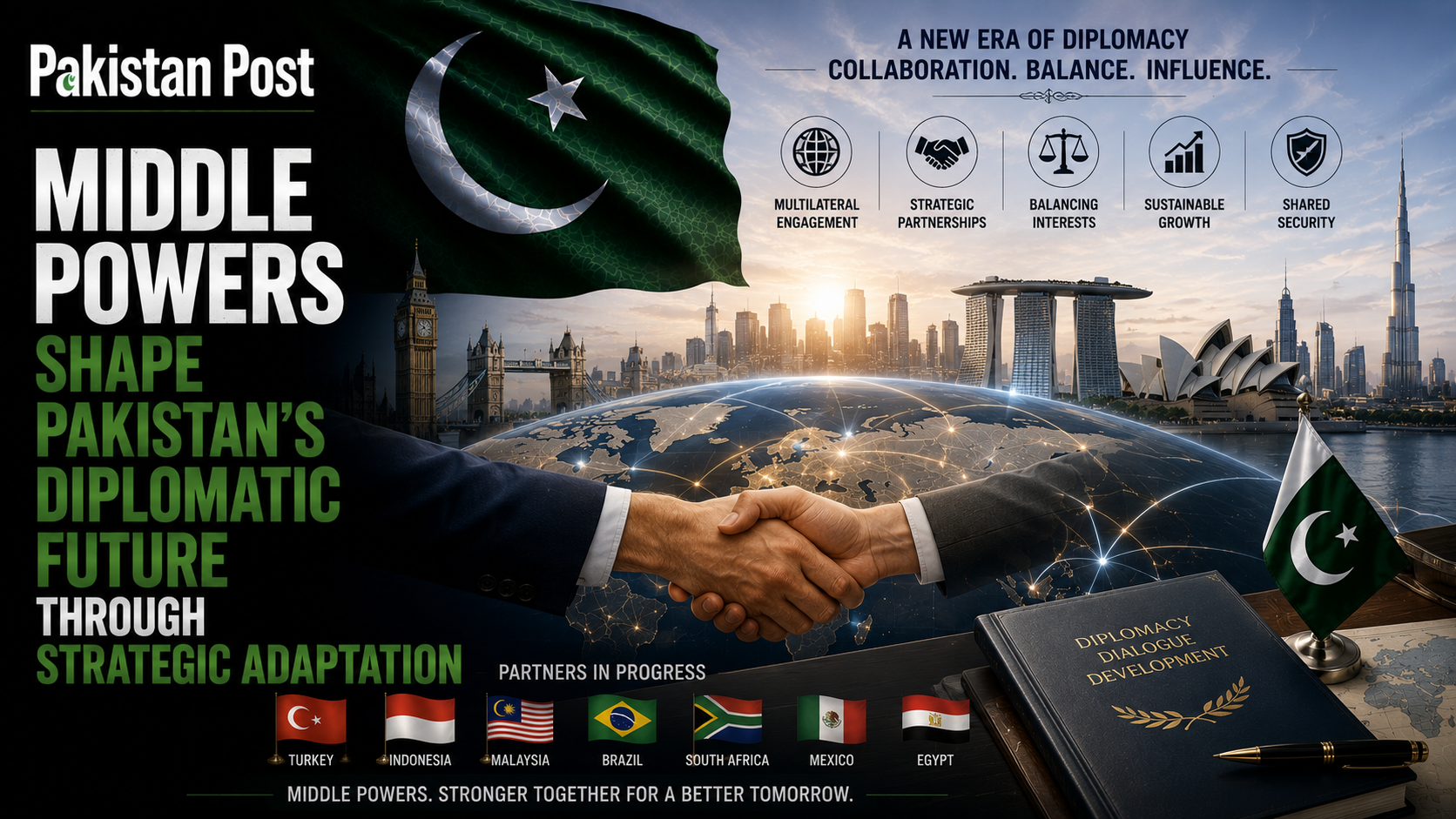
Middle Powers Shape Pakistan’s Diplomatic Future Through Strategic Adaptation
The international system is no longer organised exclusively around the strategic calculations of major powers. While geopolitical competition between the United States and China continues to dominate military planning, technological competition and economic statecraft, a quieter but equally consequential transformation is unfolding beneath
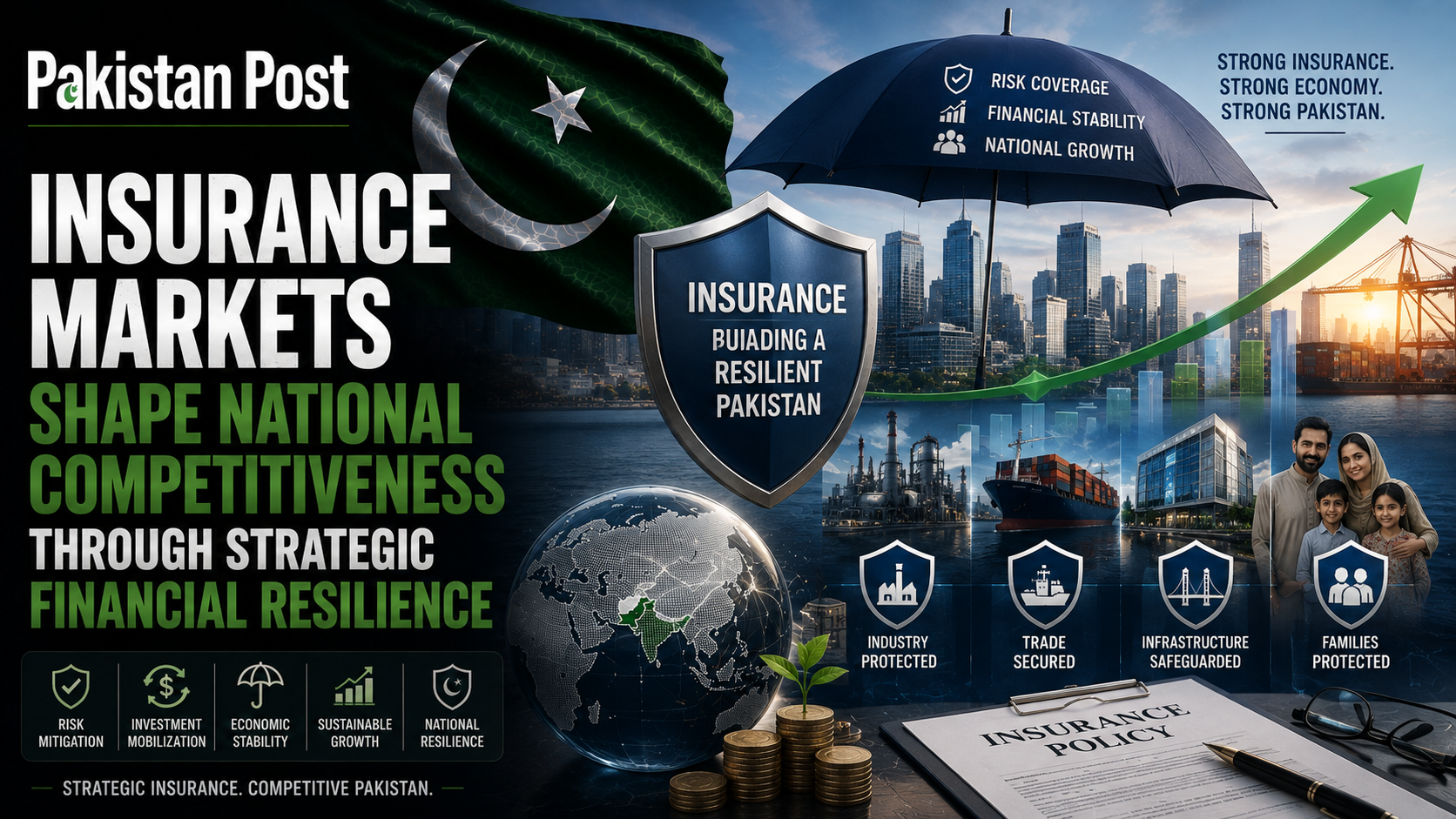
Insurance Markets Shape National Competitiveness Through Strategic Financial Resilience

Pakistan possesses significant opportunities to modernise agricultural insurance through digital technologies already expanding across financial services. Remote sensing, artificial intelligence, satellite imagery and mobile financial platforms could substantially improve underwriting accuracy while lowering administrative costs. Such integration would strengthen rural resilience and reduce
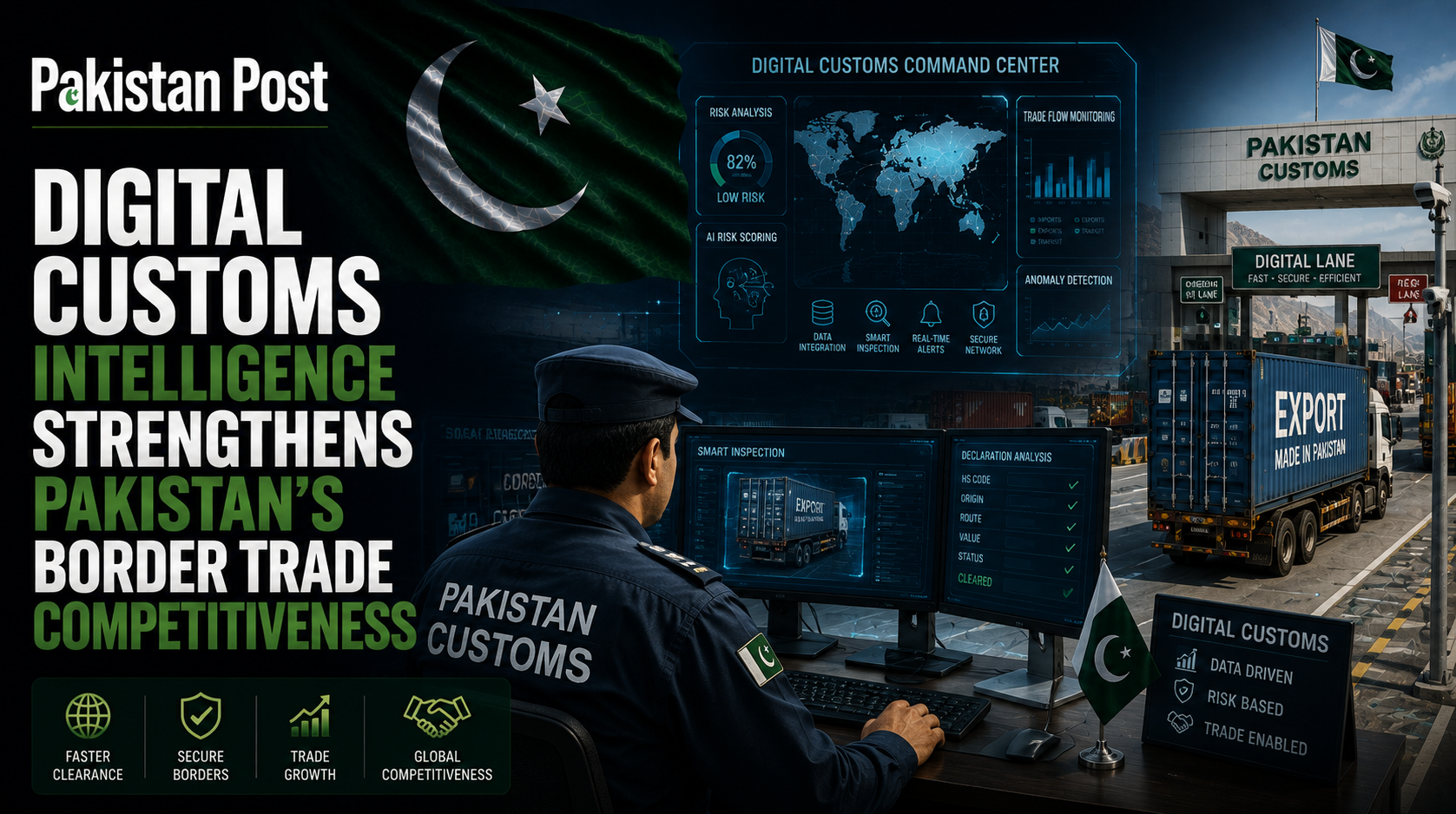
Digital Customs Intelligence Strengthens Pakistan’s Border Trade Competitiveness
International trade is undergoing a profound administrative transformation. The competitiveness of modern economies increasingly depends not only upon ports, highways and industrial production but also upon the intelligence embedded within border governance. Customs administrations are evolving from paperwork driven institutions into sophisticated data