
The Architecture That Forgot Its Foundation

There are moments in the intellectual history of governance when familiar concepts begin to reveal unfamiliar meanings. Poverty is one such concept. For generations it has been measured through income thresholds, consumption patterns, nutritional indicators and employment statistics. Governments announce poverty reduction strategies,

Consensus Framing Shapes Pakistan’s Emerging Editorial Institutional Culture
Pakistan’s mainstream news industry appears to be entering an editorial phase that differs noticeably from many of the patterns that dominated the country’s television expansion during the previous two decades. While political confrontation, partisan accusation and personality driven narratives continue to occupy substantial
Governance Journalism Beyond Pakistan’s Political News Cycle

Pakistan’s media landscape has entered a period of profound institutional transition. The country’s news organisations have expanded their technological capabilities, accelerated digital publishing cycles and diversified multimedia distribution, yet one structural characteristic continues to dominate editorial priorities. Political confrontation remains the principal currency
Editorial Maturity Reshapes Pakistan’s National News Priorities
The evolution of journalism rarely announces itself through dramatic declarations inside newsrooms. It unfolds quietly through altered editorial meetings, recalibrated headlines, revised news values and increasingly cautious judgements about what deserves public prominence. Pakistan’s media landscape appears to be passing through precisely such
Tax Confidence Determines Pakistan’s Fiscal Future More Than Compliance

Taxation has long been discussed in Pakistan as a question of enforcement, documentation and statutory obligations. Yet the country’s enduring fiscal dilemma reflects a more fundamental institutional reality. Revenue mobilisation cannot expand sustainably where citizens, businesses and investors lack confidence that taxation is
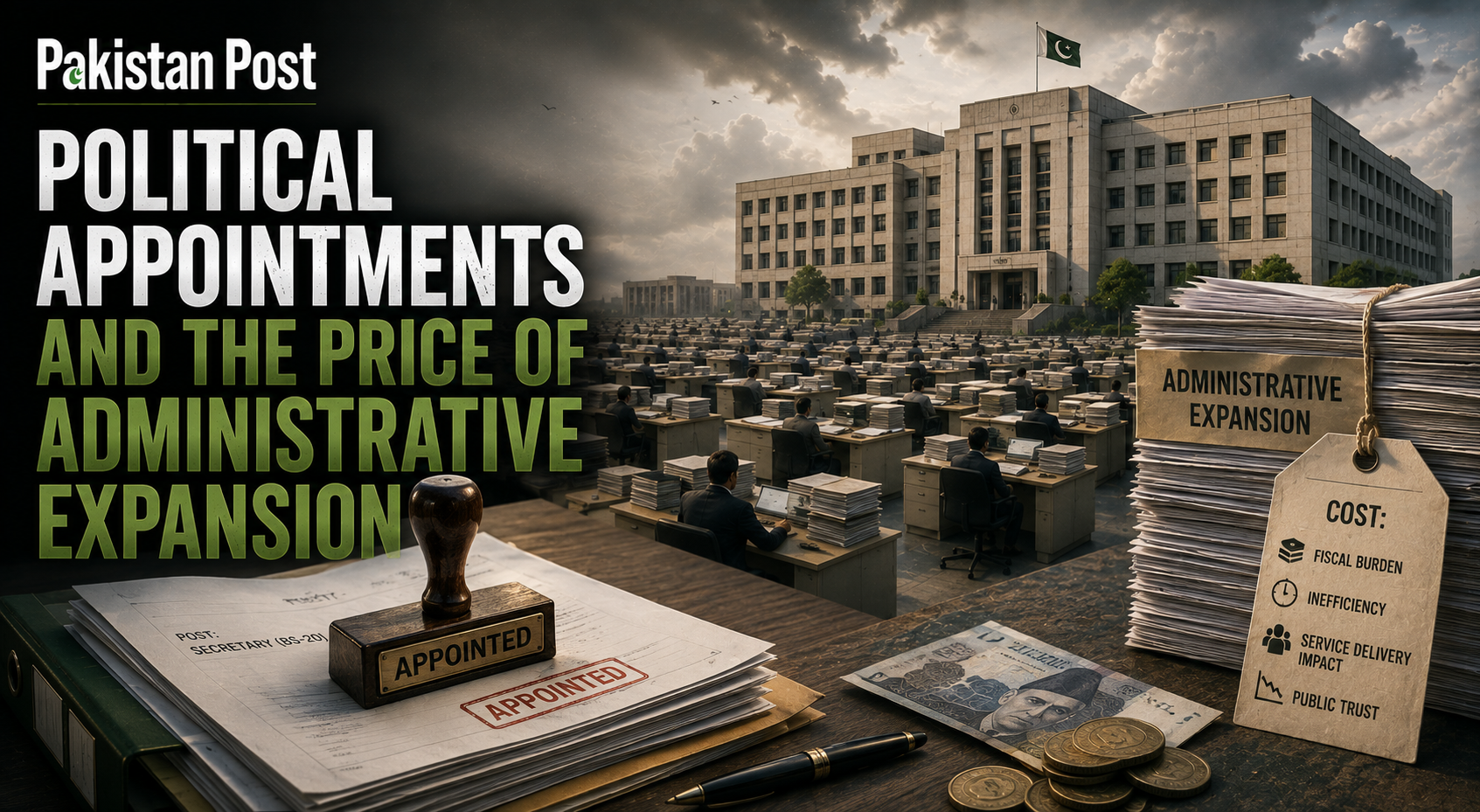
Political Appointments and the Price of Administrative Expansion

Every incoming government in Pakistan inherits a familiar political dilemma. It must simultaneously preserve parliamentary stability, accommodate coalition partners, reward loyal legislators, satisfy influential constituencies and project administrative competence. These objectives rarely coexist without tension. As governing coalitions become increasingly fragmented, ministerial portfolios,

Digital Identity Powers Pakistan’s Next Era Of Public Governance

The next decisive contest among states will not be determined solely by industrial production, military inventories or macroeconomic indicators. Increasingly, it will be defined by the quality of institutions that can identify citizens securely, authenticate transactions instantly and deliver public services seamlessly across
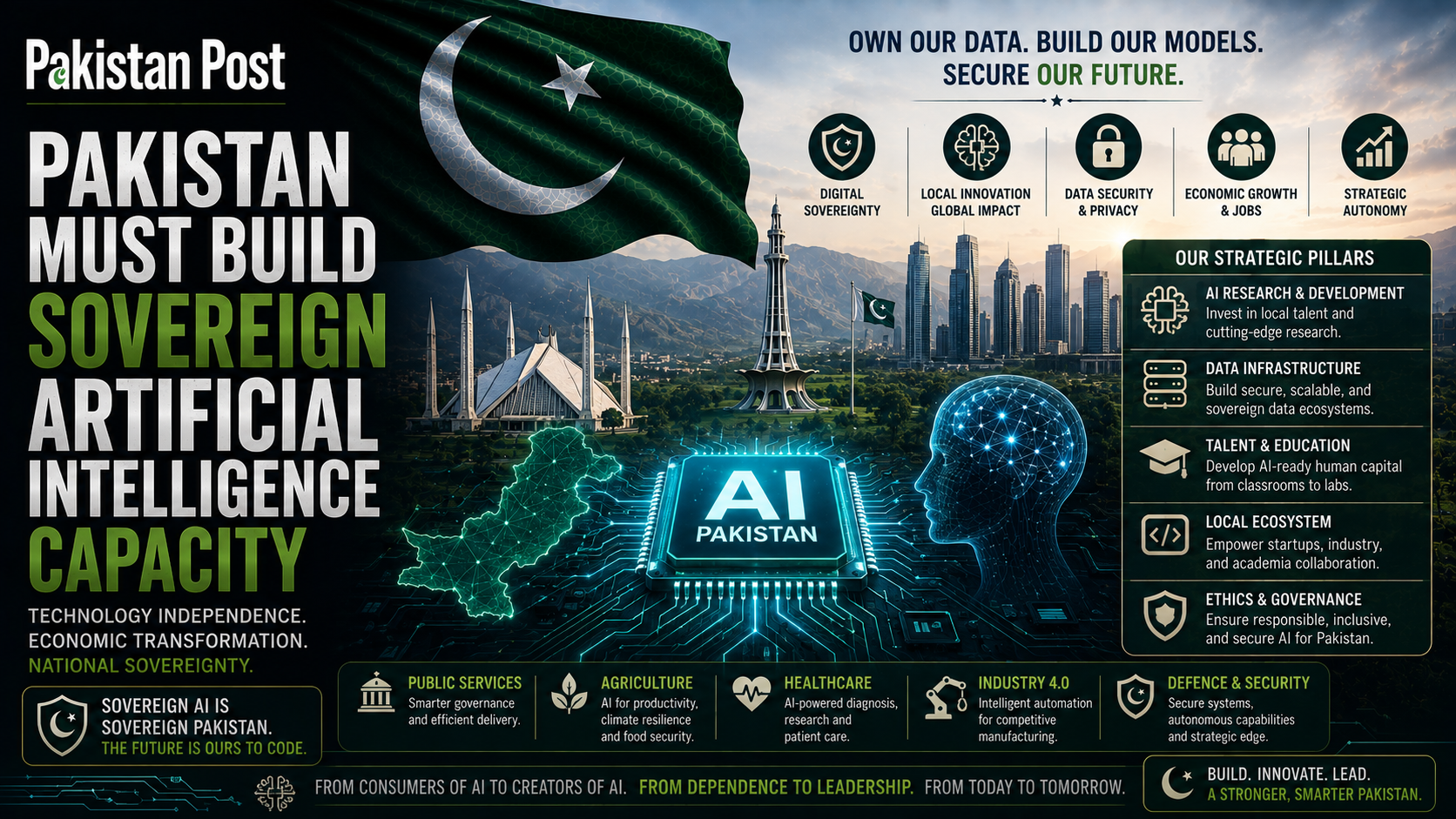
Pakistan Must Build Sovereign Artificial Intelligence Capacity
Pakistan stands at a defining technological crossroads where artificial intelligence is rapidly becoming a determinant of national power, economic productivity, institutional resilience and strategic autonomy. Nations that merely consume imported digital systems will increasingly surrender influence over their own economic decisions, public administration,
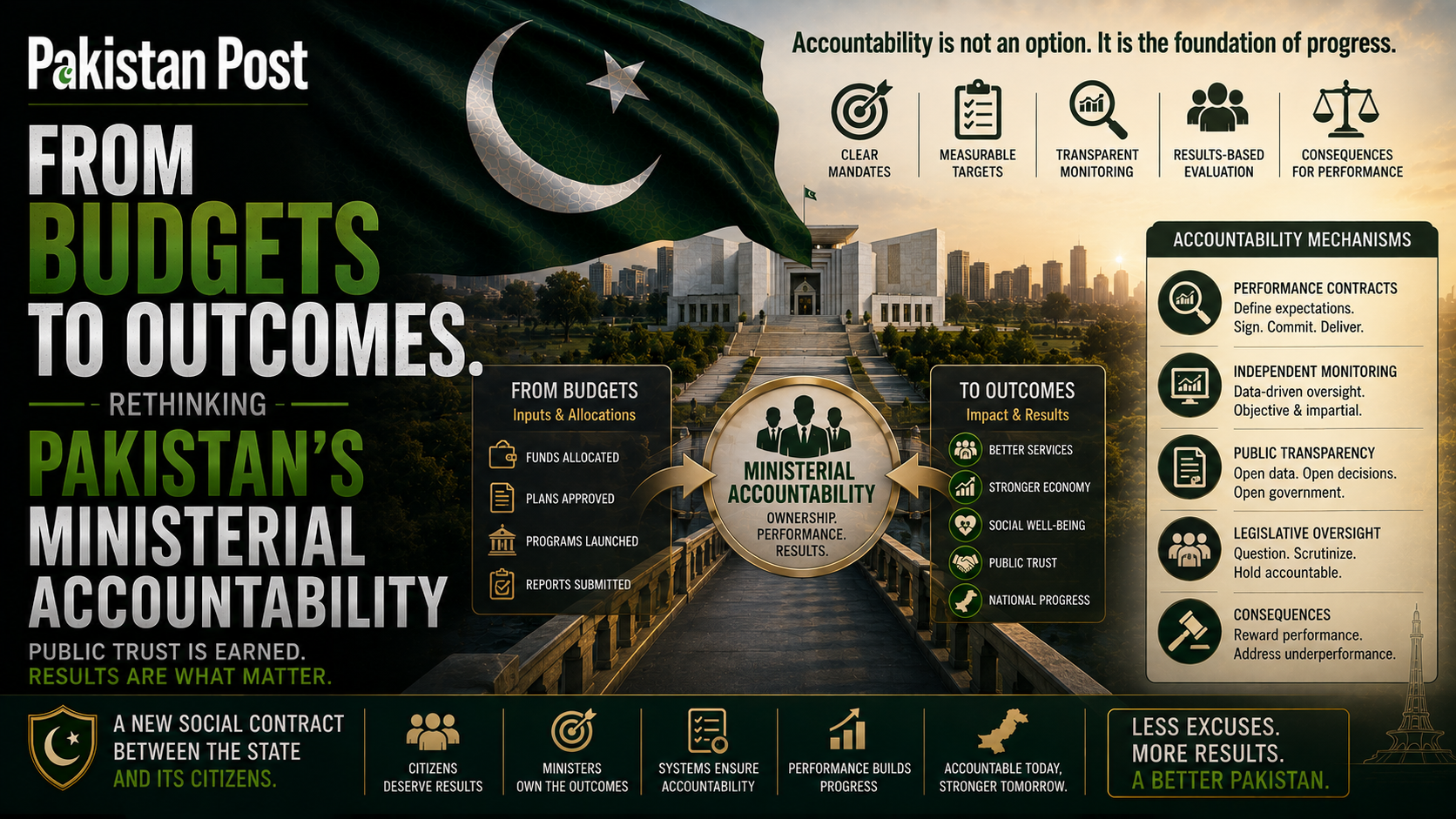
From Budgets To Outcomes. Rethinking Pakistan’s Ministerial Accountability

For decades, Pakistan’s governance architecture has measured administrative success through a familiar sequence. Ministries secure larger annual allocations, departments demonstrate budget utilisation, development schemes are inaugurated, procurement targets are completed and compliance reports are submitted through lengthy administrative channels. Yet citizens experience governance
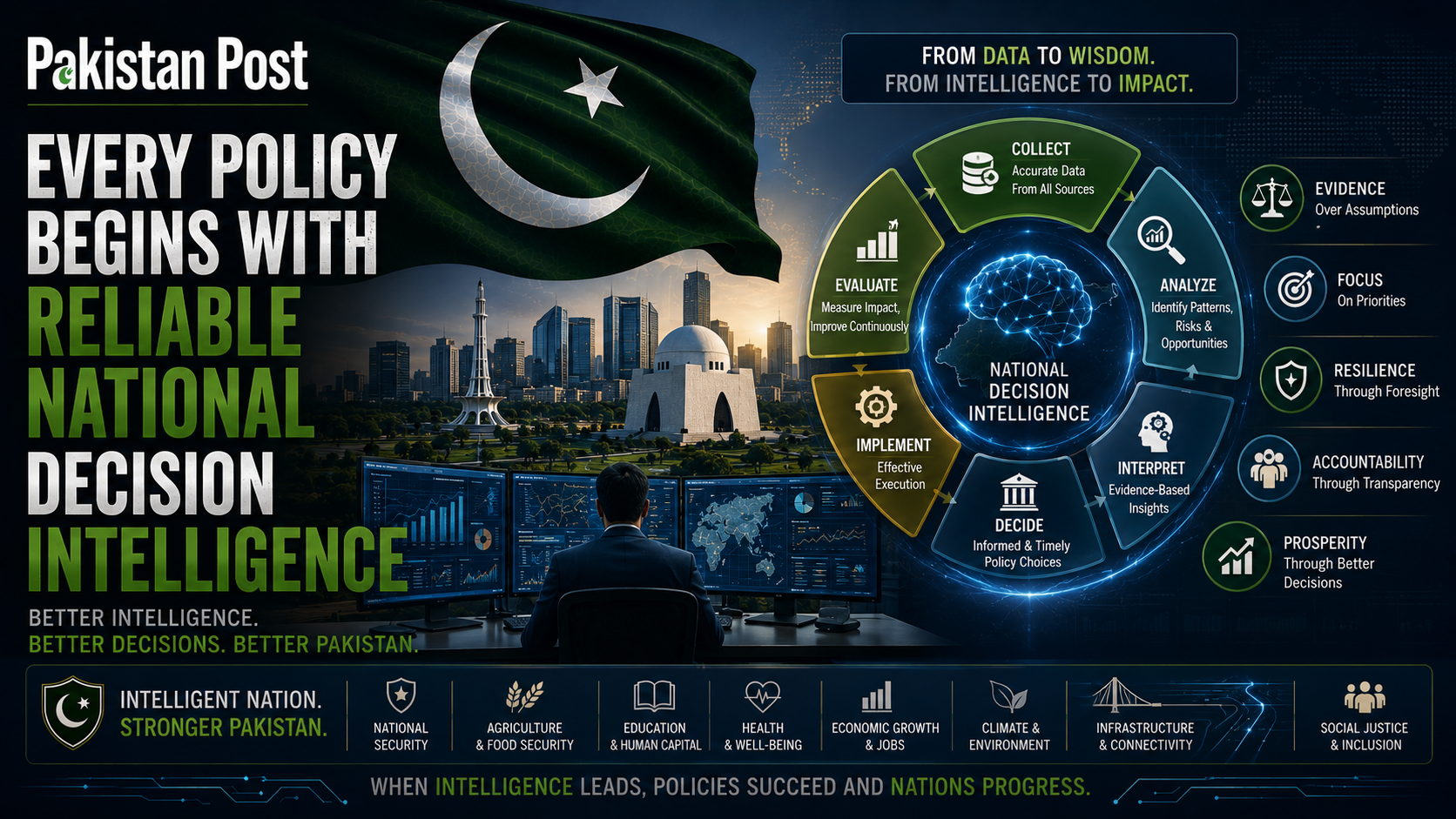
Every Policy Begins With Reliable National Decision Intelligence
No modern state governs effectively by instinct alone. Governments that consistently outperform their peers increasingly rely upon integrated intelligence architectures capable of transforming fragmented administrative information into continuous strategic decision making. Public policy has gradually evolved beyond periodic statistical reporting into an ecosystem