

Financial Pressure Quietly Reshapes Economic Sovereignty Across Developing Nations

The architecture of international economic influence has undergone a profound transformation. The traditional image of sanctions, embargoes and overt economic coercion is increasingly being replaced by a sophisticated network of financial signalling mechanisms capable of shaping sovereign behaviour without the formal declaration of
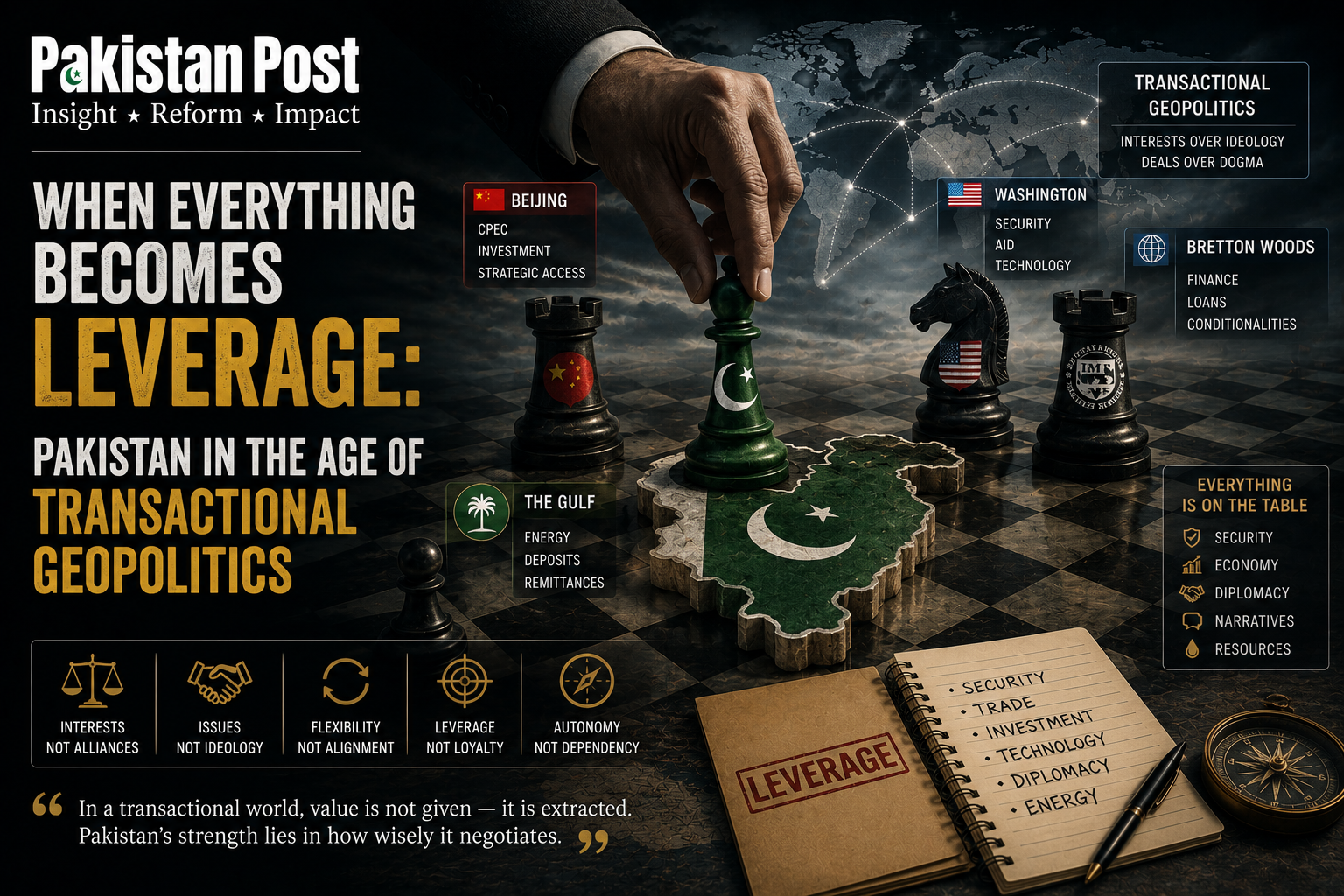
When Everything Becomes Leverage: Pakistan in the Age of Transactional Geopolitics
Pakistan now confronts an international order in which the old bureaucratic fiction that economics, diplomacy, security, and technology can be handled as separate theatres has largely collapsed. The world is moving into an era of open geopolitical bargaining where tariffs, sanctions, debt relief,
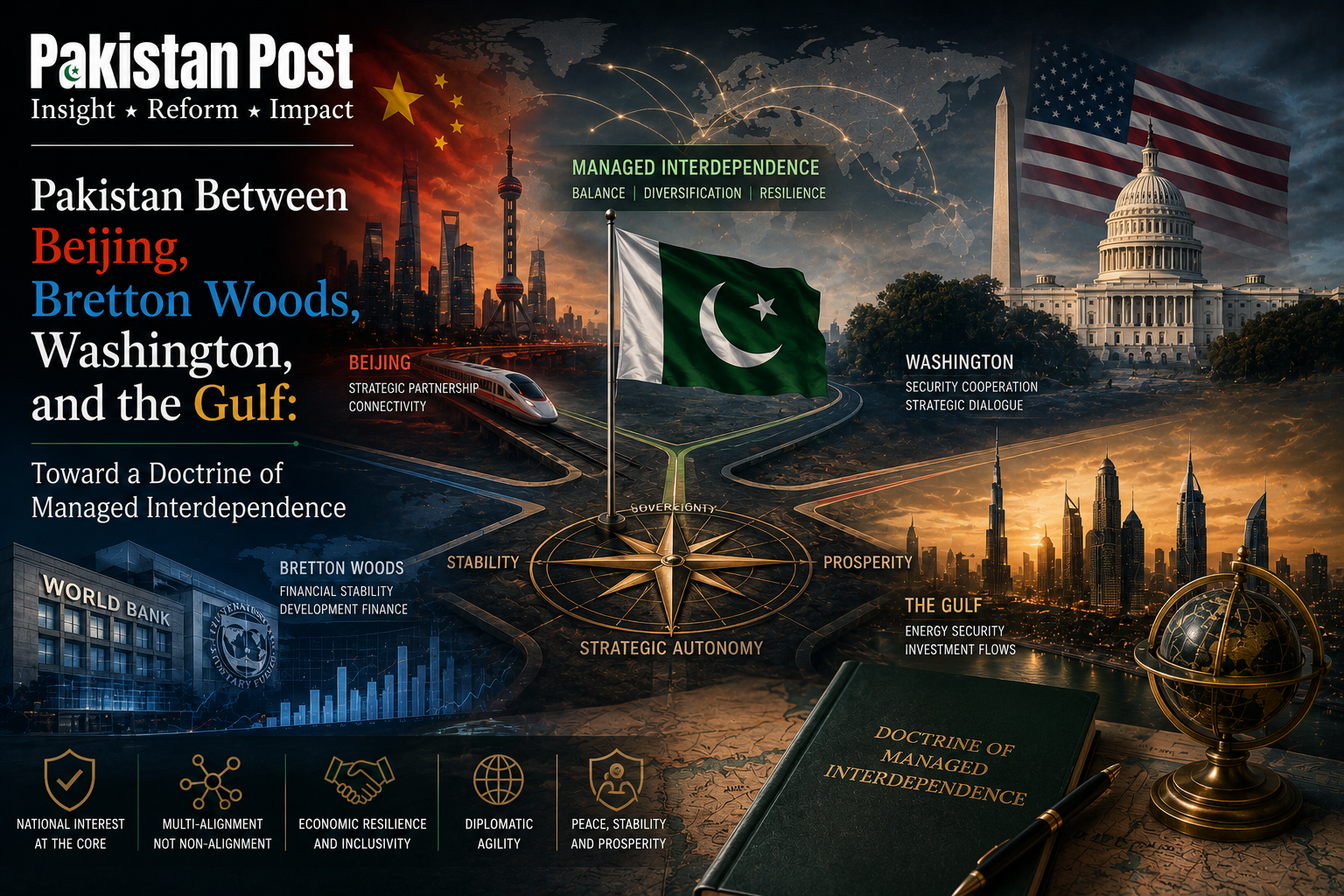
Pakistan Between Beijing, Bretton Woods, Washington, and the Gulf: Toward a Doctrine of Managed Interdependence

Pakistan is entering a foreign policy moment in which the old habit of treating external relationships as separate compartments is no longer sustainable. The country’s strategic landscape is now shaped by four simultaneous and deeply entangled vectors of dependence and leverage. China remains

Pakistan Multipolar Balancing Trade Corridors Strategic Autonomy Outlook
The global system is undergoing a structural transition that is neither linear nor orderly, but fragmented, contested, and increasingly transactional. In this emerging environment, the notion of fixed alliances is giving way to fluid alignments, where states engage simultaneously with competing power centres

Great Power Rivalry Shapes Middle Power Strategic Calculations Today
The contemporary international system is undergoing a profound structural transformation driven by intensifying rivalry between the United States and China. This competition is no longer confined to traditional military balances or diplomatic posturing; it now permeates global trade, technological ecosystems, financial infrastructures, and
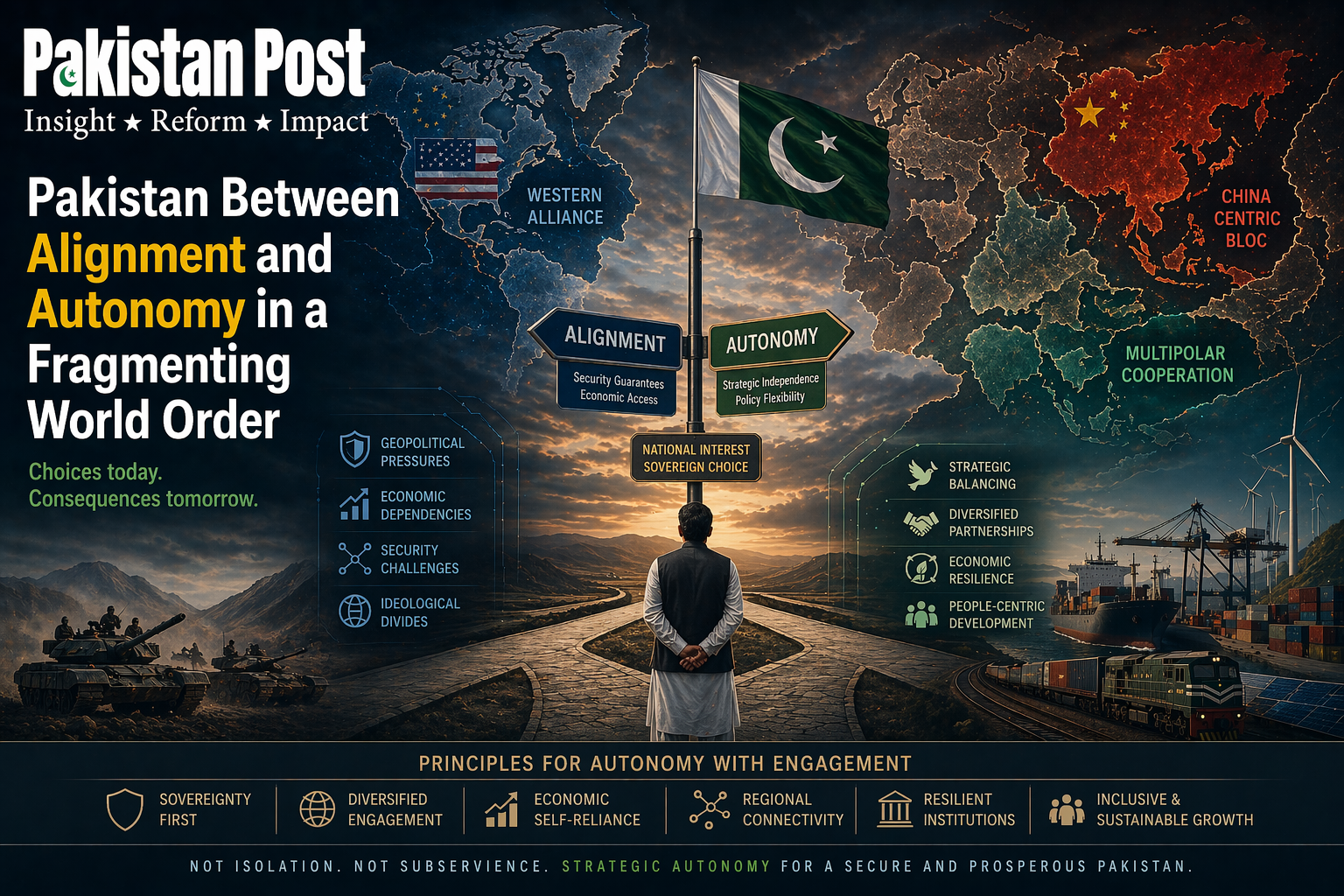
Pakistan Between Alignment and Autonomy in a Fragmenting World Order

The slow unravelling of the post-Cold War order is no longer a matter of academic speculation but an observable reality, unfolding across trade corridors, security alliances, and diplomatic theatres with a clarity that even its architects can no longer obscure. The era in
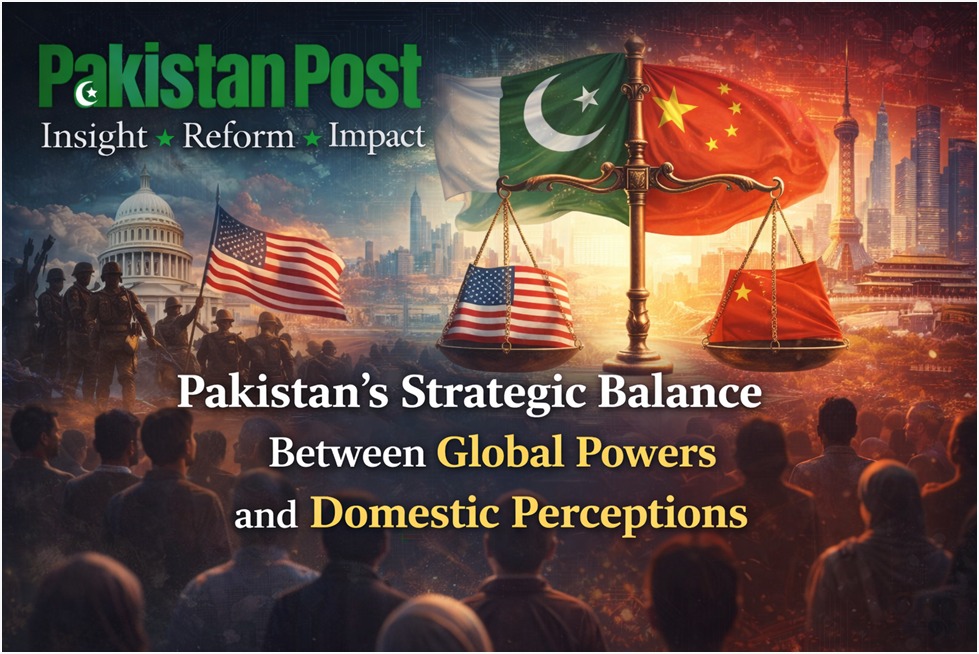
Pakistan’s Strategic Balance Between Global Powers and Domestic Perceptions
The global geopolitical landscape in 2025 is, by almost any measure, in a state of profound flux. Longstanding post‑Cold War assumptions about the endurance of a U.S.‑centered unipolar world have been overtaken by a more complex, unevenly articulated multipolar reality. Deepening rivalry between
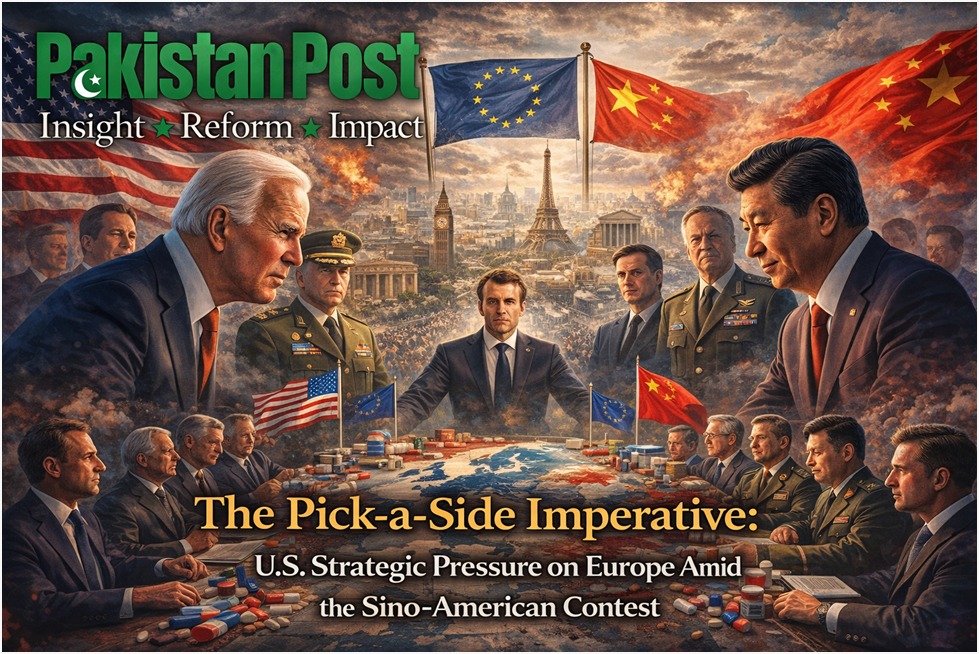
The Pick-a-Side Imperative: U.S. Strategic Pressure on Europe Amid the Sino-American Contest
The contemporary international system is undergoing a profound structural transformation. The post-Cold War era, characterized by a largely unipolar liberal order under U.S. hegemony, is giving way to a multipolar world in which systemic competition between great powers defines the architecture of global