
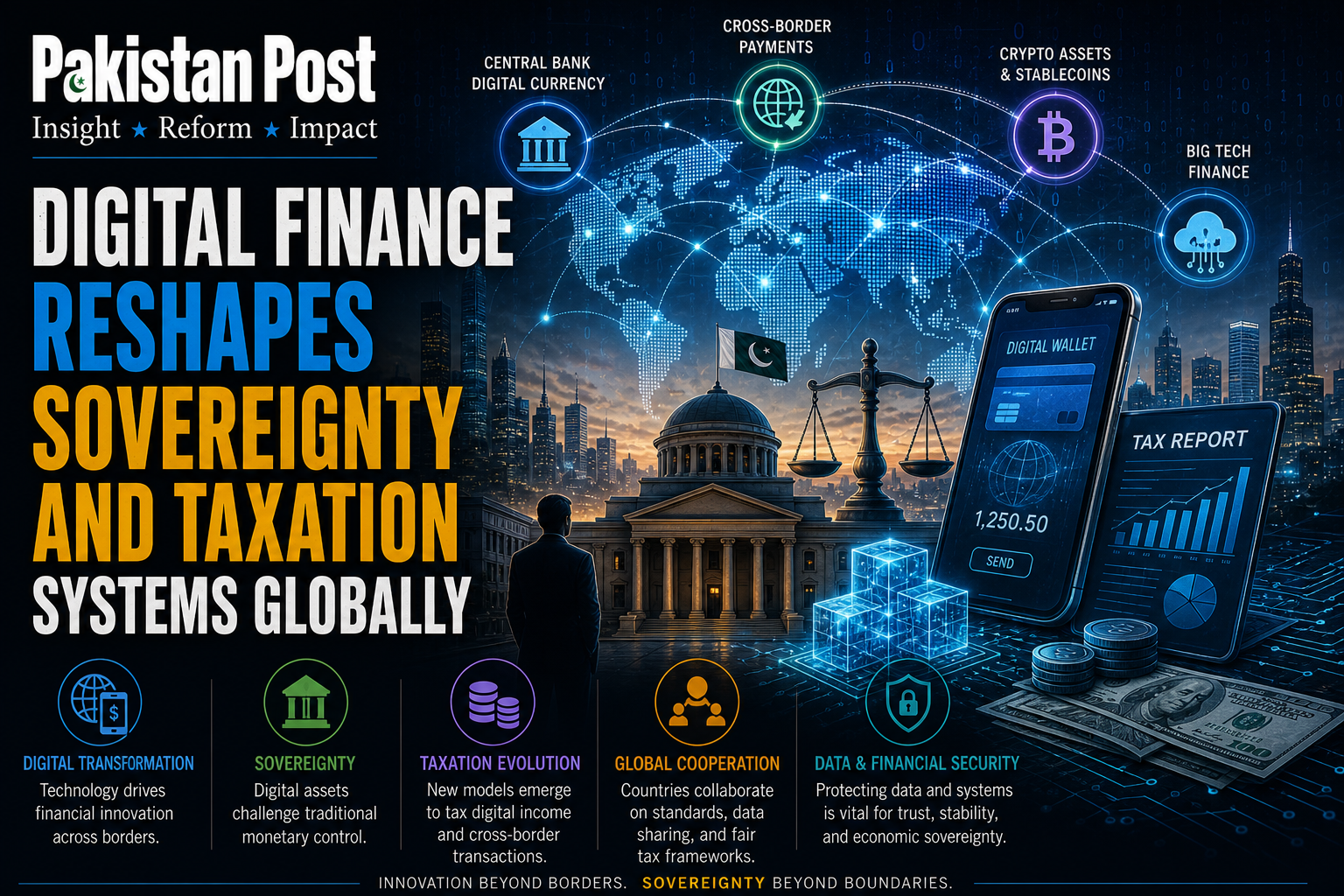
Digital finance reshapes sovereignty and taxation systems globally

The global monetary order is entering a phase of structural experimentation where the traditional monopoly of states over currency issuance, taxation, and financial surveillance is being reconfigured by digital platforms, algorithmic finance, and decentralized payment ecosystems. For Pakistan, this transformation is not a
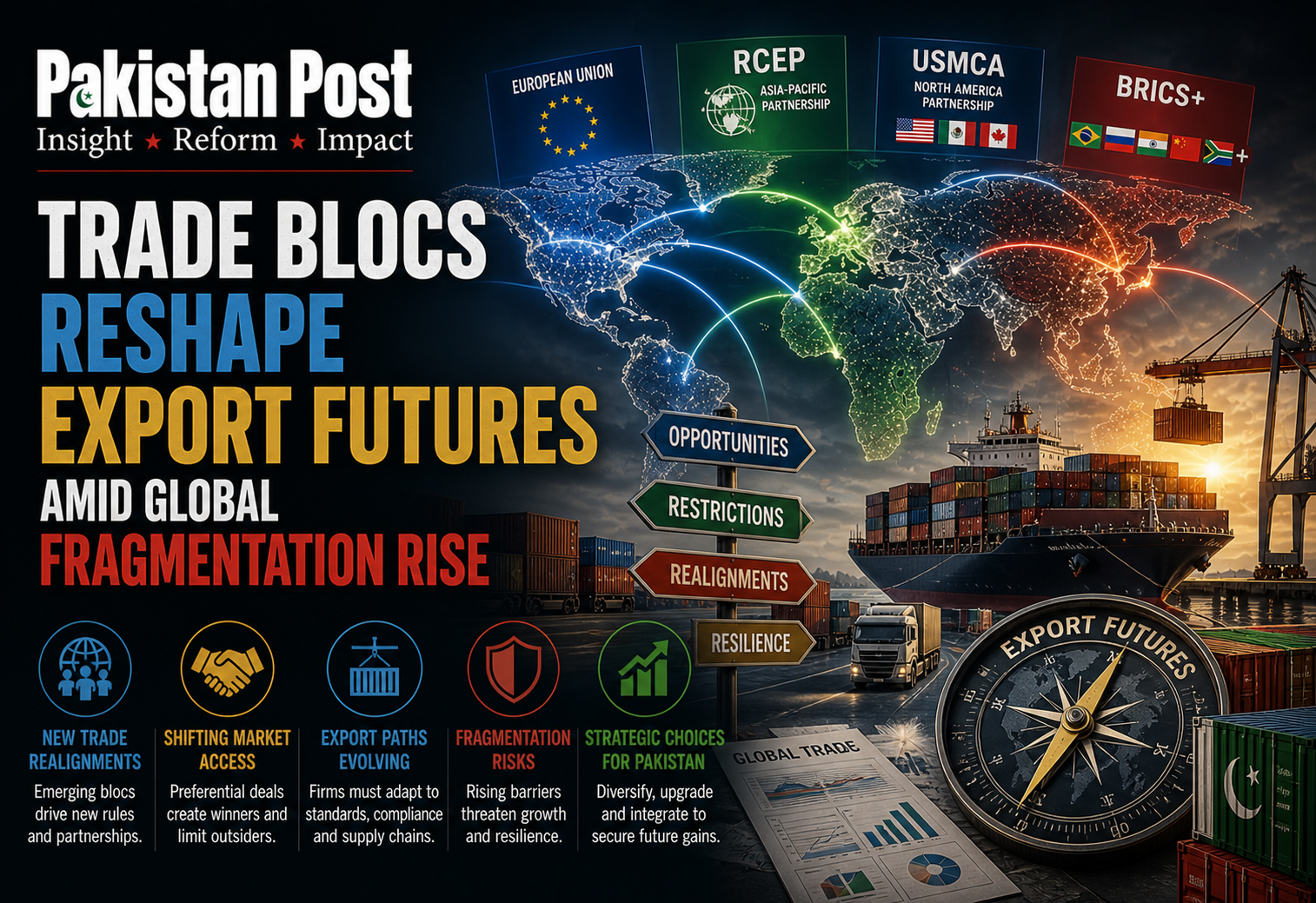
Trade blocs reshape export futures amid global fragmentation rise
The architecture of global trade is undergoing a quiet but decisive fragmentation, where the idea of a single integrated market governed by multilateral rules is giving way to overlapping regional blocs, strategic corridors, and regulatory ecosystems that increasingly reflect geopolitical alignments rather than

Energy dependence and sovereignty dilemmas in volatile global markets today
The meaning of sovereignty is being quietly rewritten, not through grand declarations or territorial conflicts, but through the invisible yet deeply consequential circuits of energy flows, pricing mechanisms, and supply dependencies. For Pakistan, the question is no longer confined to how energy is
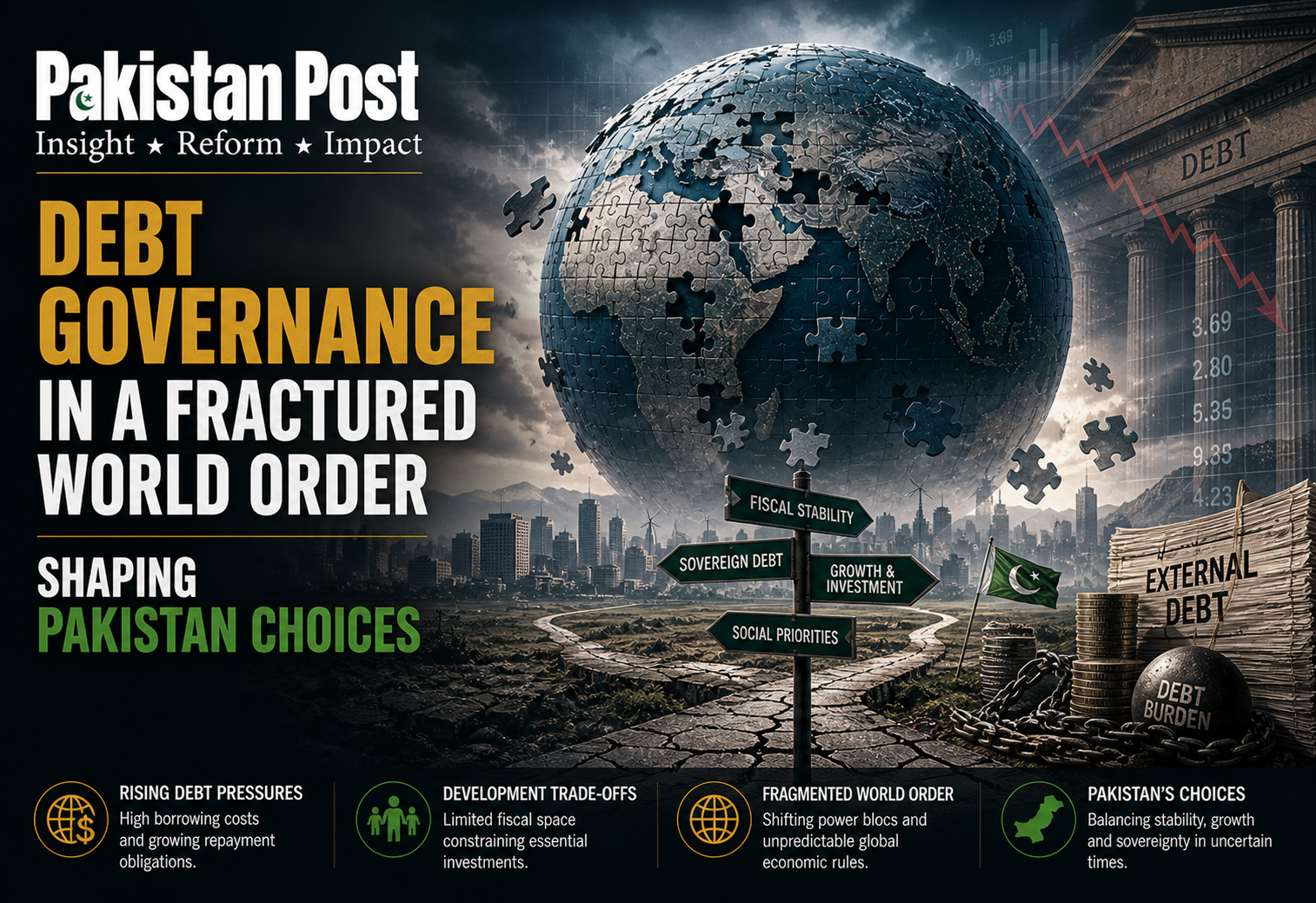
Debt governance in a fractured world order shaping Pakistan choices
The vocabulary of global finance is changing, and with it the grammar of power. What was once simplistically narrated as debt trap diplomacy has matured into a far more intricate contest over who writes the rules of financial survival, who enforces them, and

CULTURAL SOVEREIGNTY IN A STREAMING AGE: GLOBAL DIGITAL CONTENT AND THE RECONFIGURATION OF IDENTITY IN PAKISTAN
Pakistan’s cultural landscape is undergoing a profound reordering under the influence of transnational digital media flows, where streaming platforms, short-form video ecosystems, and algorithmically curated entertainment have become primary vehicles of cultural consumption. This shift is not merely technological; it is structural, altering
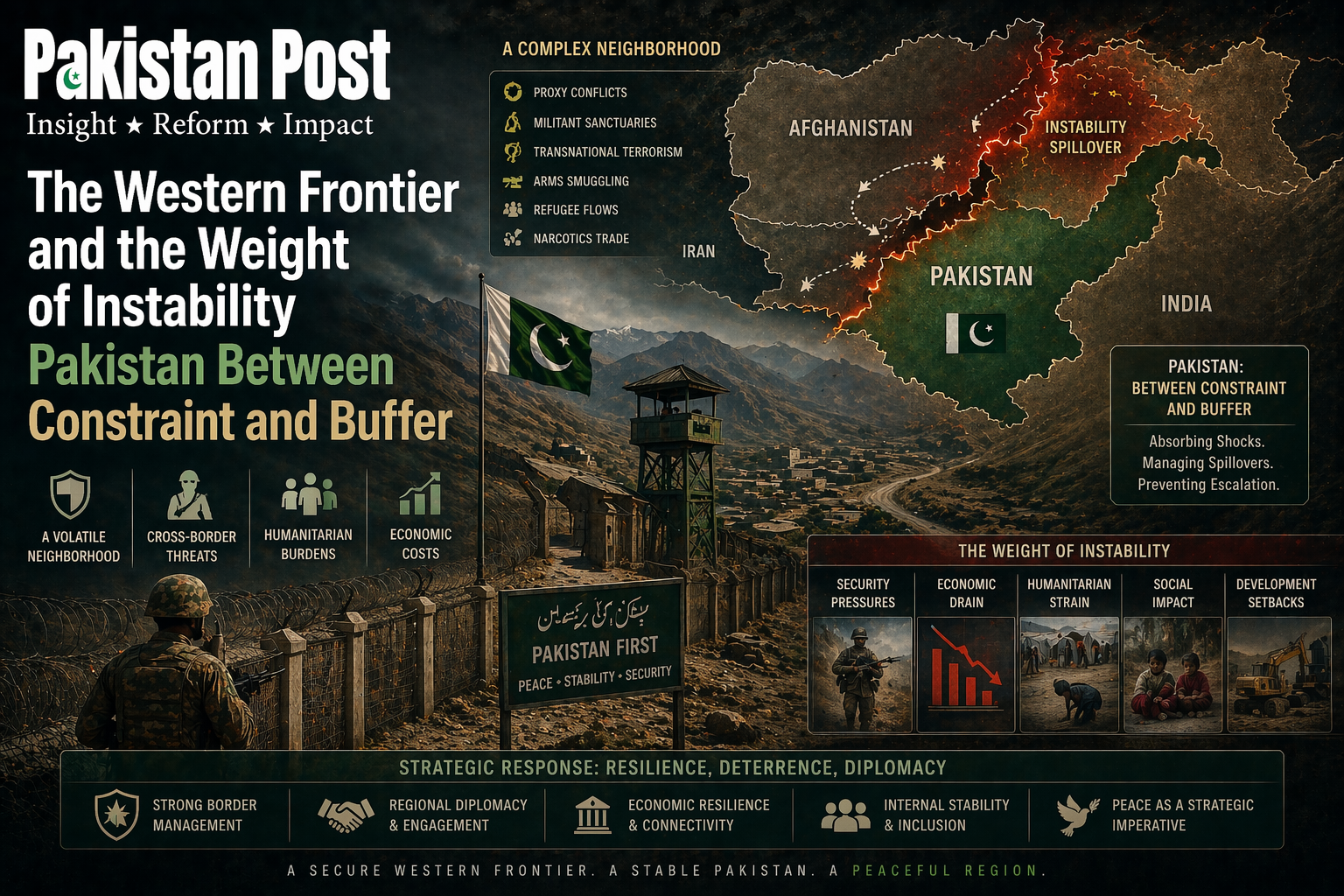
The Western Frontier and the Weight of Instability Pakistan Between Constraint and Buffer
The persistence of instability in Afghanistan has long been treated as a chronic condition of regional politics, an enduring reality that defies both external intervention and internal consolidation. Yet in the current geopolitical moment, this instability has acquired a renewed and more complex

Digital Finance, Informal Economies, and the Struggle for Economic Visibility in Pakistan’s Transition to a Data-Driven Financial Order
The global economy is entering a phase where value is no longer measured solely through physical output, but increasingly through data, traceability, and digital financial footprints. In this emerging order, digital finance is not simply a technological upgrade to existing banking systems; it
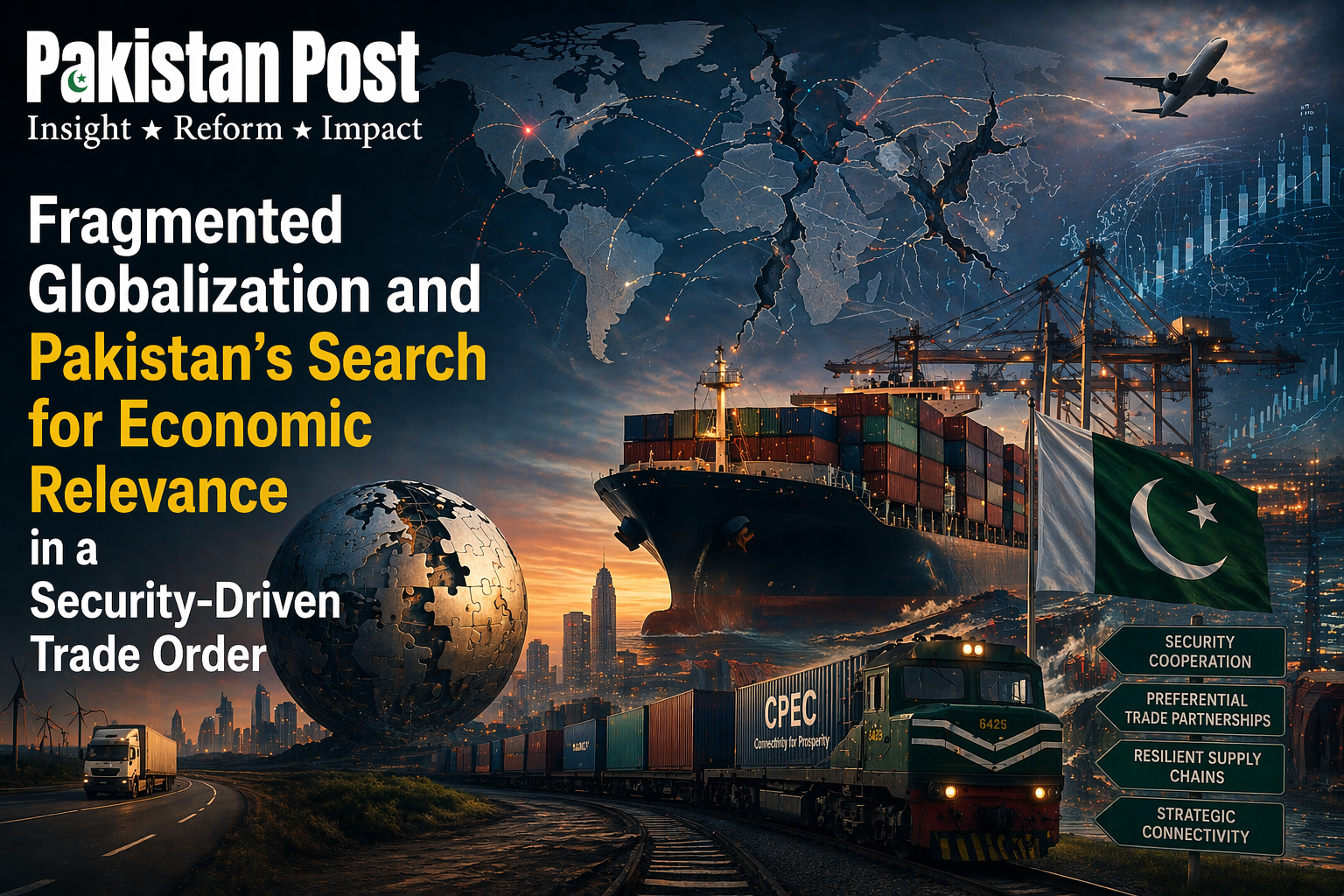
Fragmented Globalization and Pakistan’s Search for Economic Relevance in a Security-Driven Trade Order
The global trading system that once revolved around the logic of efficiency, comparative advantage, and frictionless capital movement is undergoing a structural transformation that is neither cyclical nor temporary. It is increasingly being reorganized around strategic trust, geopolitical alignment, and security considerations. In
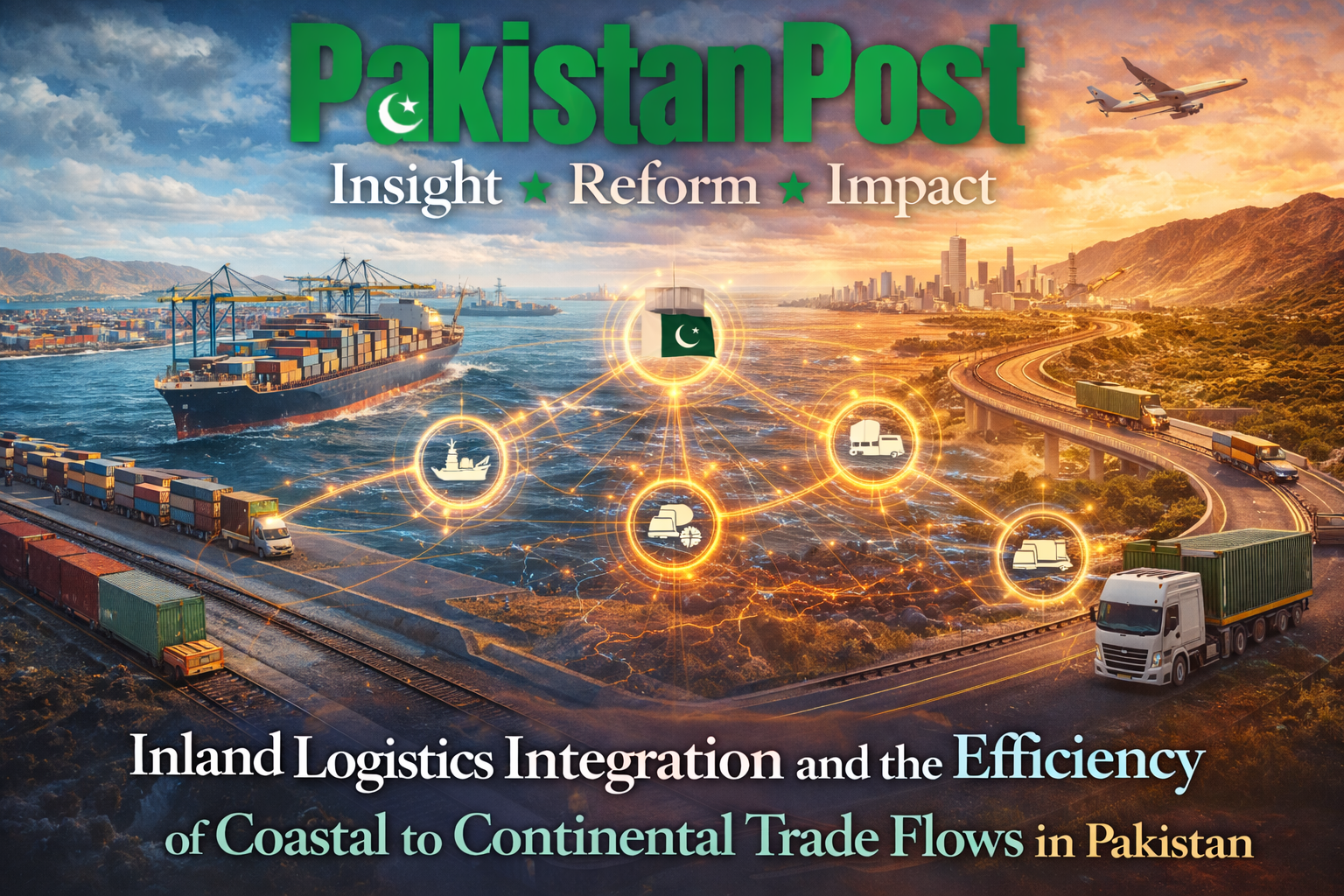
Inland Logistics Integration and the Efficiency of Coastal to Continental Trade Flows in Pakistan
The economic performance of maritime infrastructure is not determined solely at the point of coastal loading and unloading but is increasingly shaped by the efficiency of inland connectivity systems that link ports to production centers, consumption markets, and regional trade corridors. In the

Trade Continuity, Legal Compliance, and Port Efficiency in Pakistan’s Coastal Economic System
The economic function of maritime infrastructure in Pakistan is increasingly defined by the efficiency, predictability, and legal reliability of trade operations rather than by any security-based interpretation of coastal space. Within this framework, coastal assets such as Gwadar and Karachi are evaluated primarily