
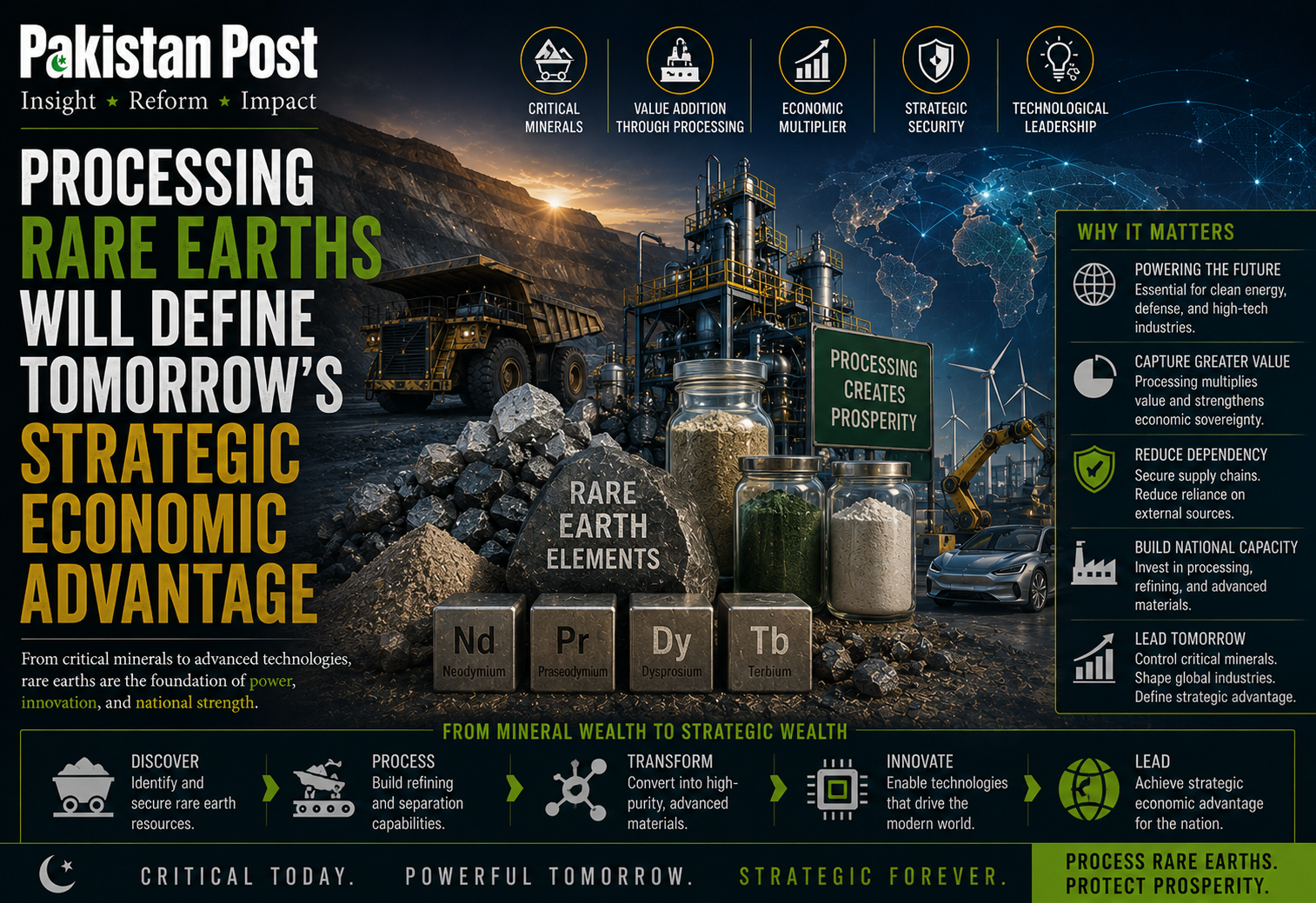
Processing Rare Earths Will Define Tomorrow’s Strategic Economic Advantage

The international contest over critical minerals is undergoing a profound transformation. For much of the past two decades, strategic debate focused overwhelmingly on the geographical distribution of mineral deposits, exploration rights, mining concessions and access to untapped reserves. Governments measured competitive advantage by
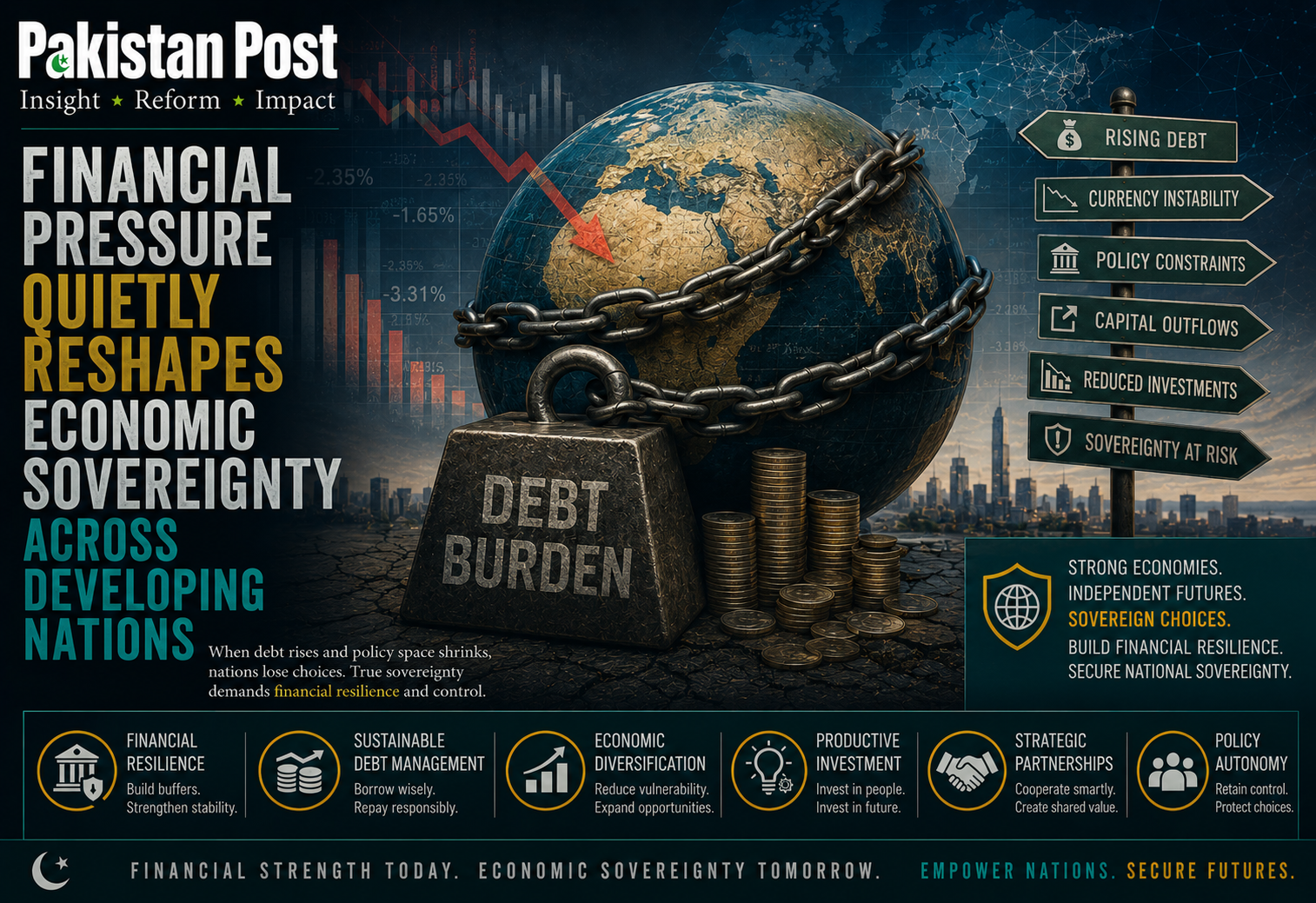
Financial Pressure Quietly Reshapes Economic Sovereignty Across Developing Nations
The architecture of international economic influence has undergone a profound transformation. The traditional image of sanctions, embargoes and overt economic coercion is increasingly being replaced by a sophisticated network of financial signalling mechanisms capable of shaping sovereign behaviour without the formal declaration of
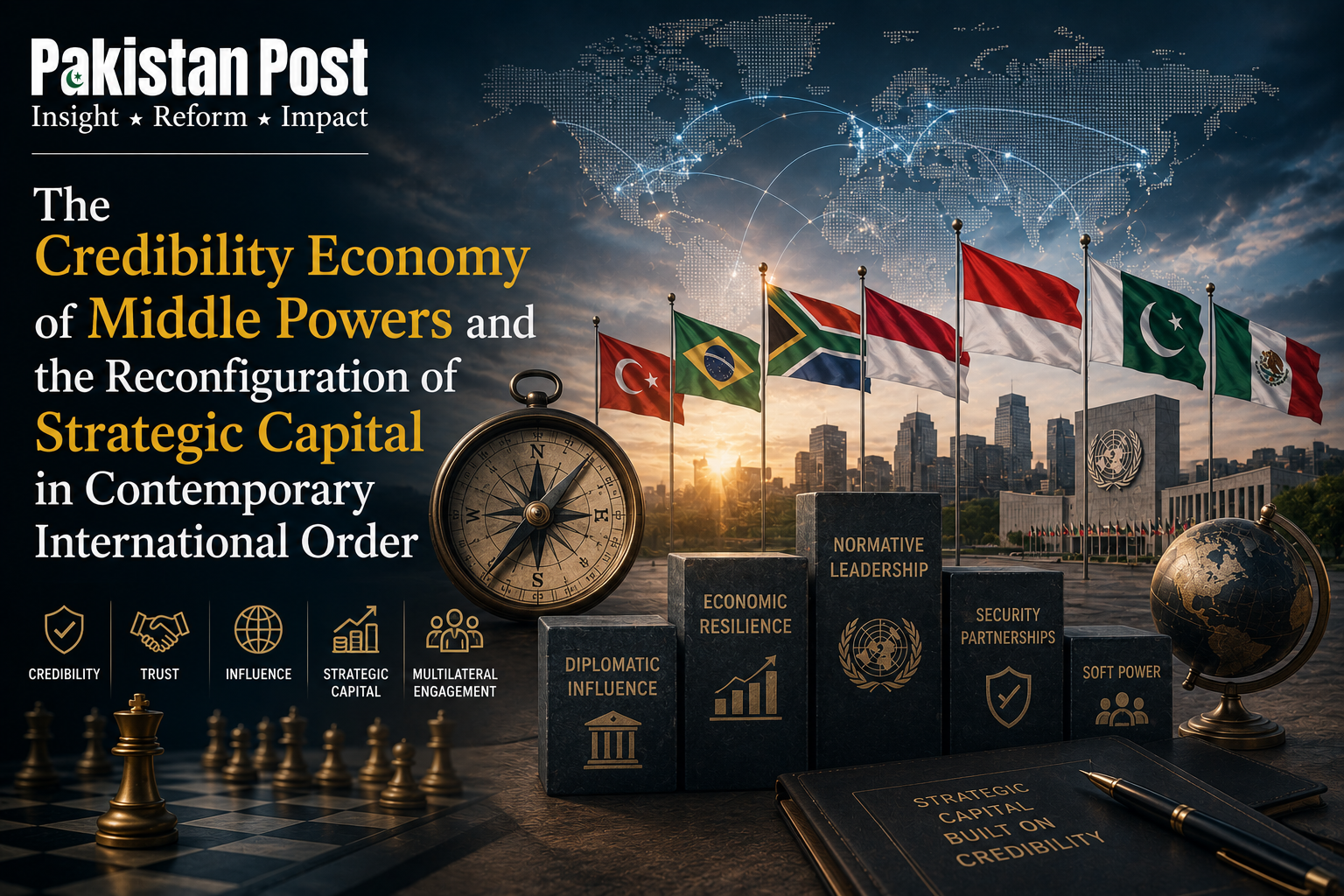
The Credibility Economy of Middle Powers and the Reconfiguration of Strategic Capital in Contemporary International Order
The contemporary international system is increasingly structured around a form of stratified influence in which power is no longer exercised solely through material capabilities such as military strength or economic scale, but through the more fluid and contingent resource of credibility. Within this

Eid Livestock Economy Shadow Networks Rural Capital Engine Pakistan
The livestock economy in Pakistan, particularly its seasonal amplification during Eid cycles, constitutes one of the most underestimated yet structurally significant components of the national informal economic architecture. Beneath the visible spectacle of cattle markets, urban livestock corridors, and temporary trade hubs lies

Inflation Reality and Pakistan Hidden Political Economic Strain Unseen Pressures
In the contemporary economic narrative of Pakistan, inflation is frequently presented through sanitized statistical representations that obscure more than they reveal. Official dashboards, multilateral briefings, and donor-facing reports tend to compress a complex socio economic transformation into a singular percentage figure, often detached

Silent Deterrence Masks South Asian Escalation Dangers Beneath Strategic Rivalries
South Asia is entering a prolonged era of frozen hostility where nuclear deterrence preserves temporary stability while simultaneously concealing accelerating risks of conventional escalation, psychological confrontation, cyber disruption, water insecurity, and strategic miscalculation. The Pakistan India relationship no longer resembles a traditional bilateral
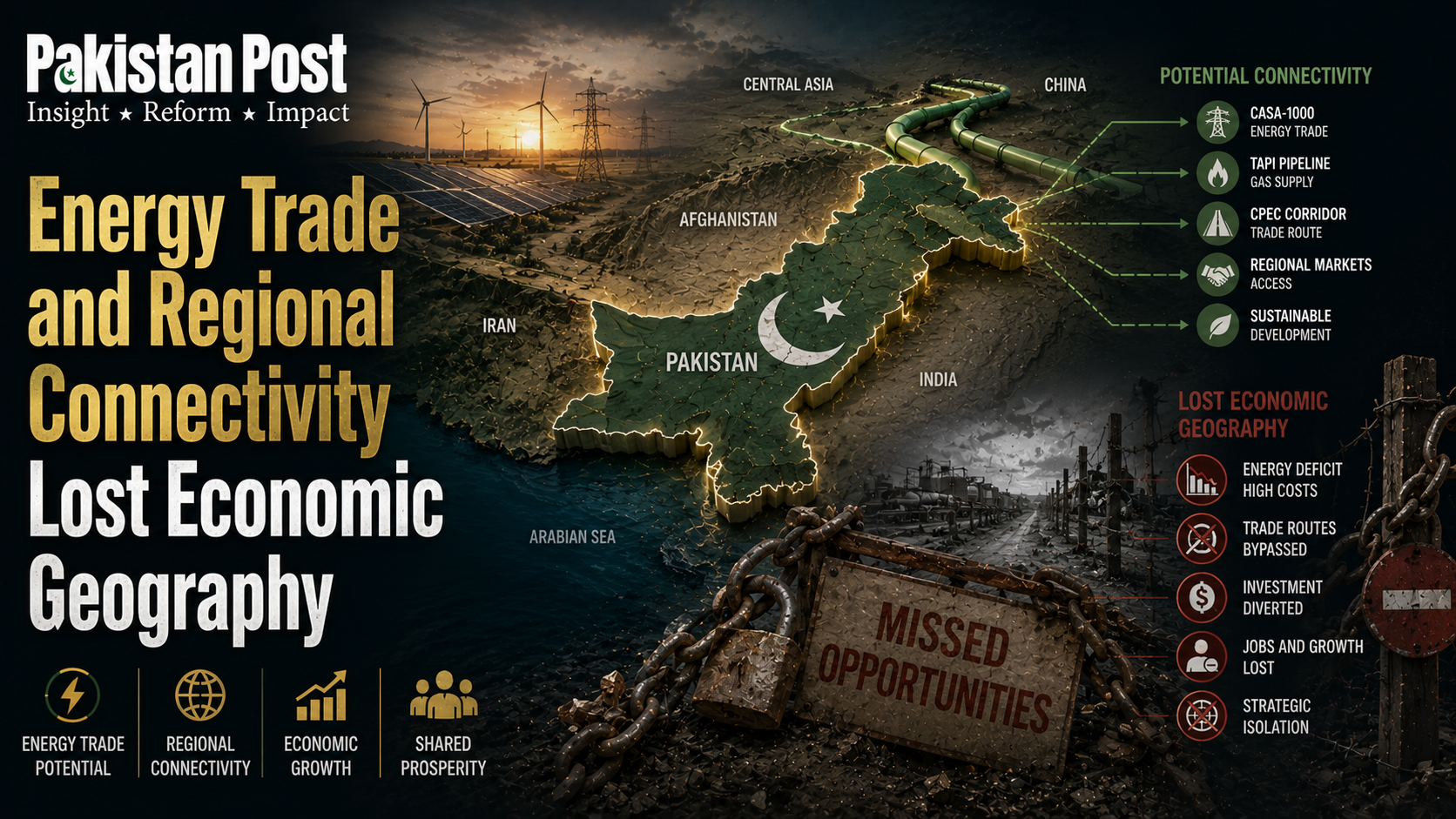
Energy Trade and Regional Connectivity Lost Economic Geography
Pakistan’s economic geography has long been discussed in strategic terms, yet rarely in terms of its actual trade realisation. Positioned at the intersection of energy-rich Gulf economies, resource-abundant Central Asia, and energy-demanding South Asia, the country theoretically occupies a structural advantage in regional
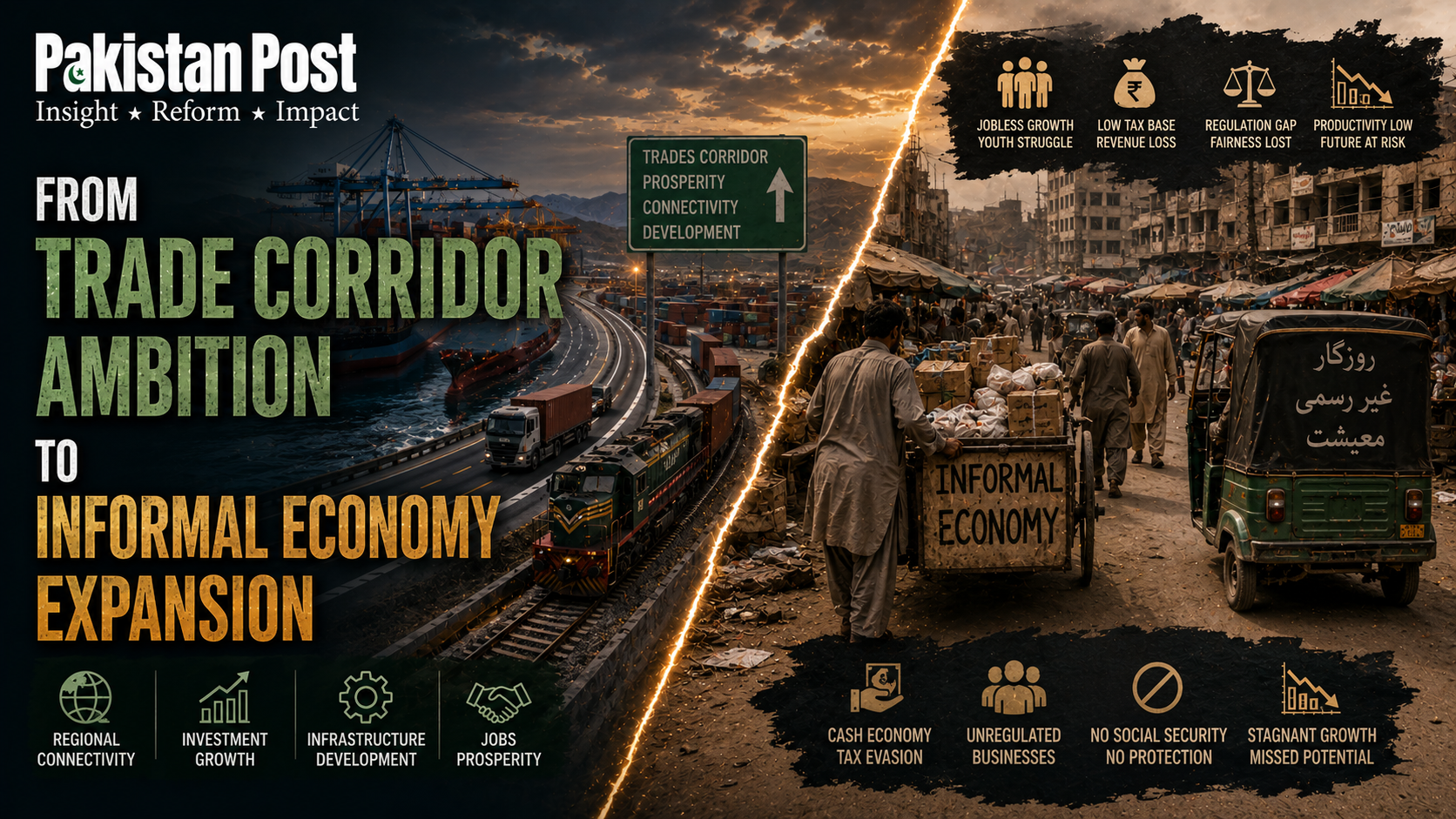
From Trade Corridor Ambition To Informal Economy Expansion
Pakistan’s geographic position has long been described in strategic literature as an economic hinge between South Asia, Central Asia, the Middle East, and China’s western periphery. In theory, this spatial advantage should have translated into a robust transit economy, anchored in logistics, warehousing,
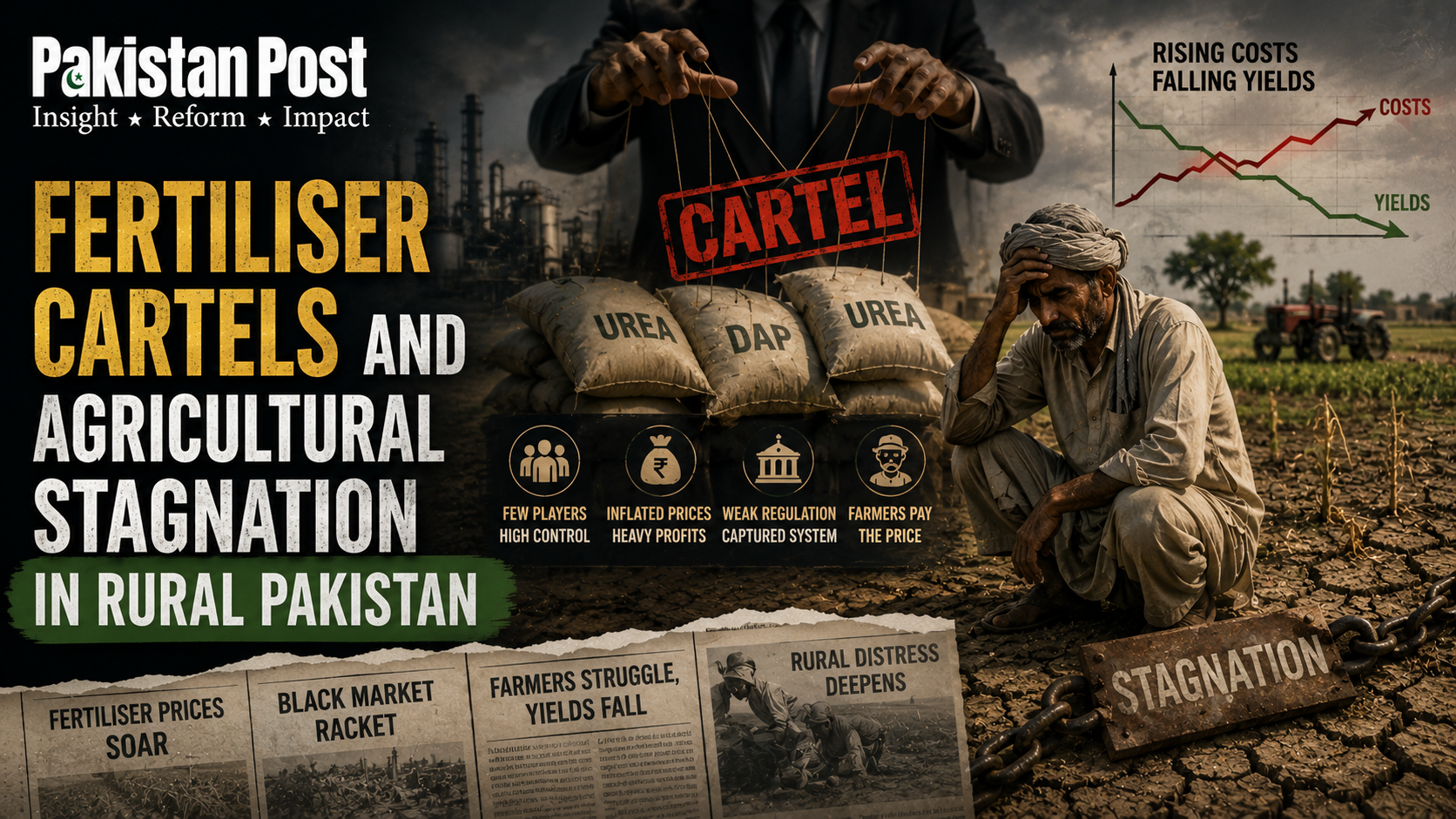
Fertiliser Cartels And Agricultural Stagnation In Rural Pakistan
Agriculture in Pakistan is often described through the language of paradox. It is the largest employer in the economy, a central pillar of food security, and a sector endowed with extensive natural endowments in terms of fertile land, irrigation networks, and climatic diversity.

Sanctions Redefine Power and Reshape Global Economic Order Today
Economic sanctions have emerged as one of the most consequential instruments of contemporary international power, gradually displacing traditional military confrontation as the preferred method of coercive diplomacy among major states. In the twenty first century, the logic of warfare has extended beyond battlefields