

Wings of Restraint: Pakistan’s Paradox in the India-Pakistan Airpower Dilemma

Air power has long been the silent conductor of the India-Pakistan security symphony since both countries openly embraced nuclear status in 1998. While land forces symbolize strength through mass and permanence, the skies offer speed, flexibility, and the capacity to influence perception in

Leveraging Artificial Intelligence for Organizational Transformation in Pakistan

Artificial Intelligence is rapidly reshaping the landscape of organizational management, strategy, and innovation across the world. In Pakistan, institutions are beginning to recognize that AI is not merely a tool for automation but a transformative partner capable of driving organizational excellence, operational efficiency,

Artificial Intelligence as a Strategic Decision-Making Partner in Pakistan

Artificial Intelligence represents one of the most transformative technological forces of the twenty-first century, reshaping the way organizations, governments, and societies approach decision-making, problem-solving, and operational efficiency. Its potential in Pakistan extends far beyond simple automation or routine tasks, offering institutions the ability

Optimizing Captive Power Plant Levy Structures for Industrial Competitiveness: Balancing Fiscal Discipline and Market Efficiency

The architecture of industrial energy tariffs occupies a central position in Pakistan’s economic and fiscal ecosystem, directly influencing industrial competitiveness, export performance, and national energy security. The current framework for captive power plant (CPP) levy calculation, which predominantly relies on peak industrial tariffs,

Strategic Industrial Energy Efficiency and Incentive Architecture: Leveraging Captive Power Plant Audits for Fiscal and Market Optimization
The industrial energy sector in Pakistan occupies a pivotal role in shaping the nation’s economic resilience, export competitiveness, and fiscal sustainability. At the intersection of energy security and macroeconomic stability, the captive power plant (CPP) framework has emerged as a critical instrument for
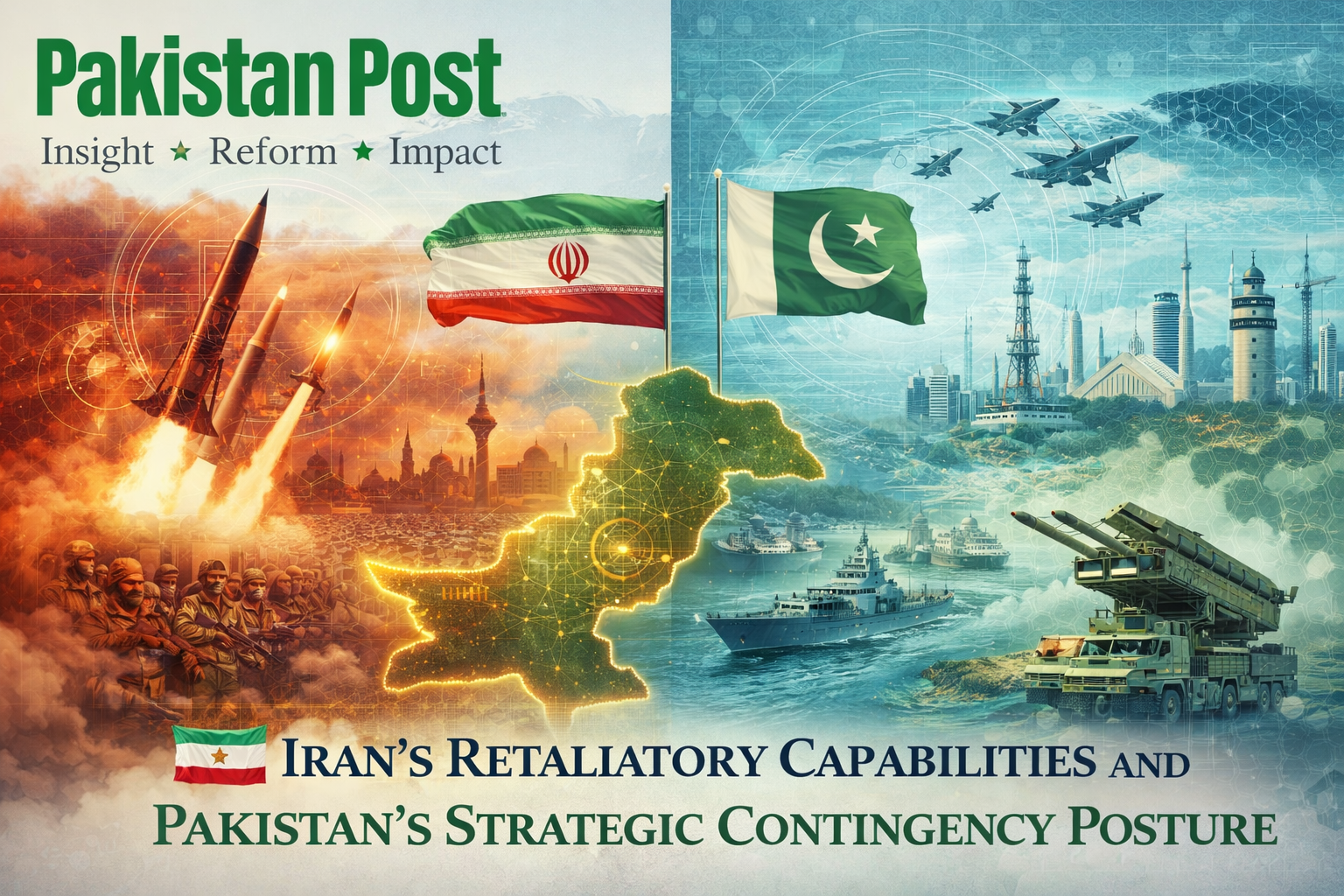
Iran’s Retaliatory Capabilities and Pakistan’s Strategic Contingency Posture
The evolving military confrontation between Iran, the United States, and Israel has introduced a new level of complexity to the strategic landscape of the Middle East. The coordinated strikes launched by US and Israeli forces against Iranian installations on February twenty eighth of
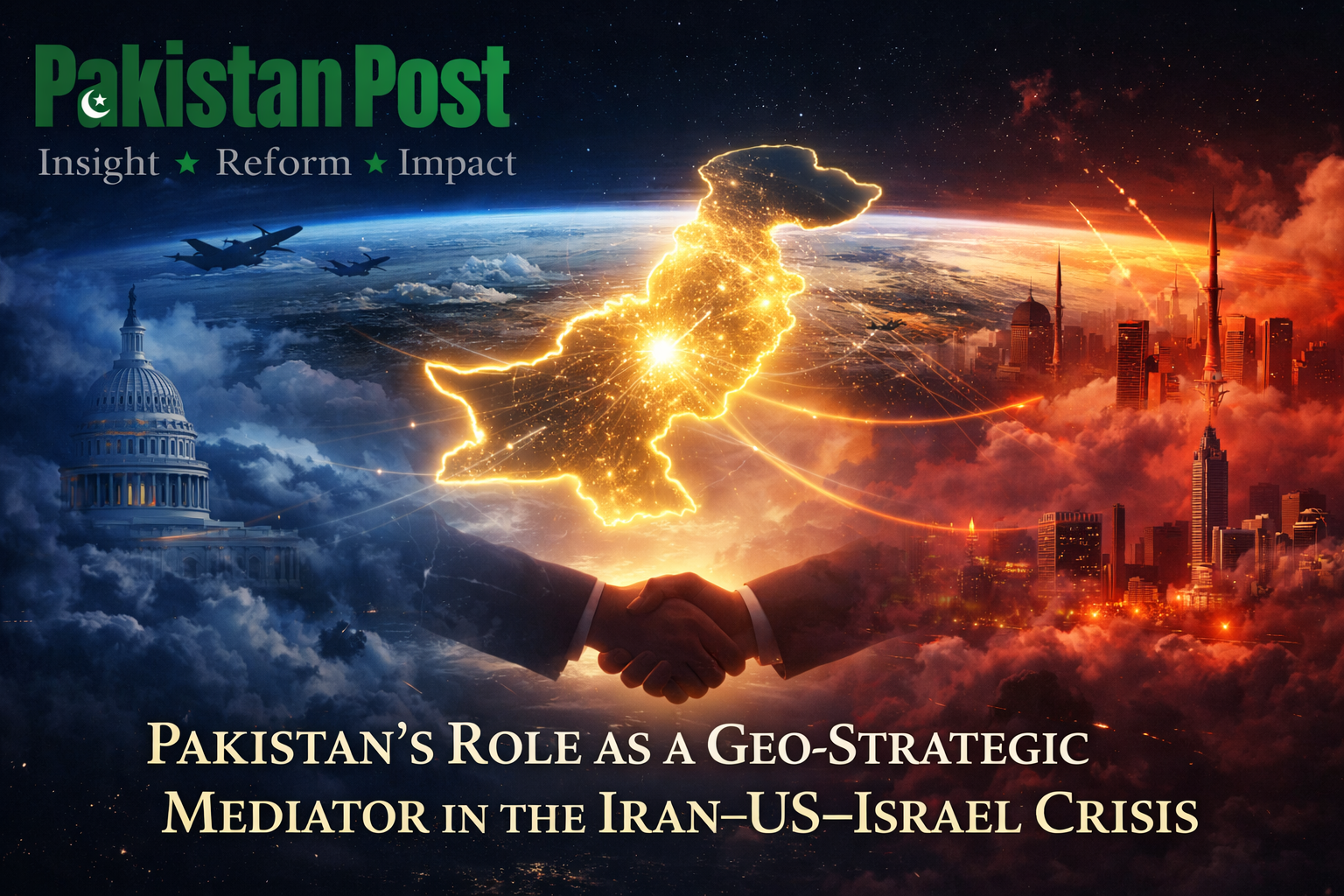
Pakistan’s Role as a Geo-Strategic Mediator in the Iran–US–Israel Crisis
The geopolitical landscape of the Middle East has entered a period of profound instability following the coordinated military strikes by the United States and Israel against Iran. The escalation of hostilities has not only intensified regional tensions but has also posed complex strategic
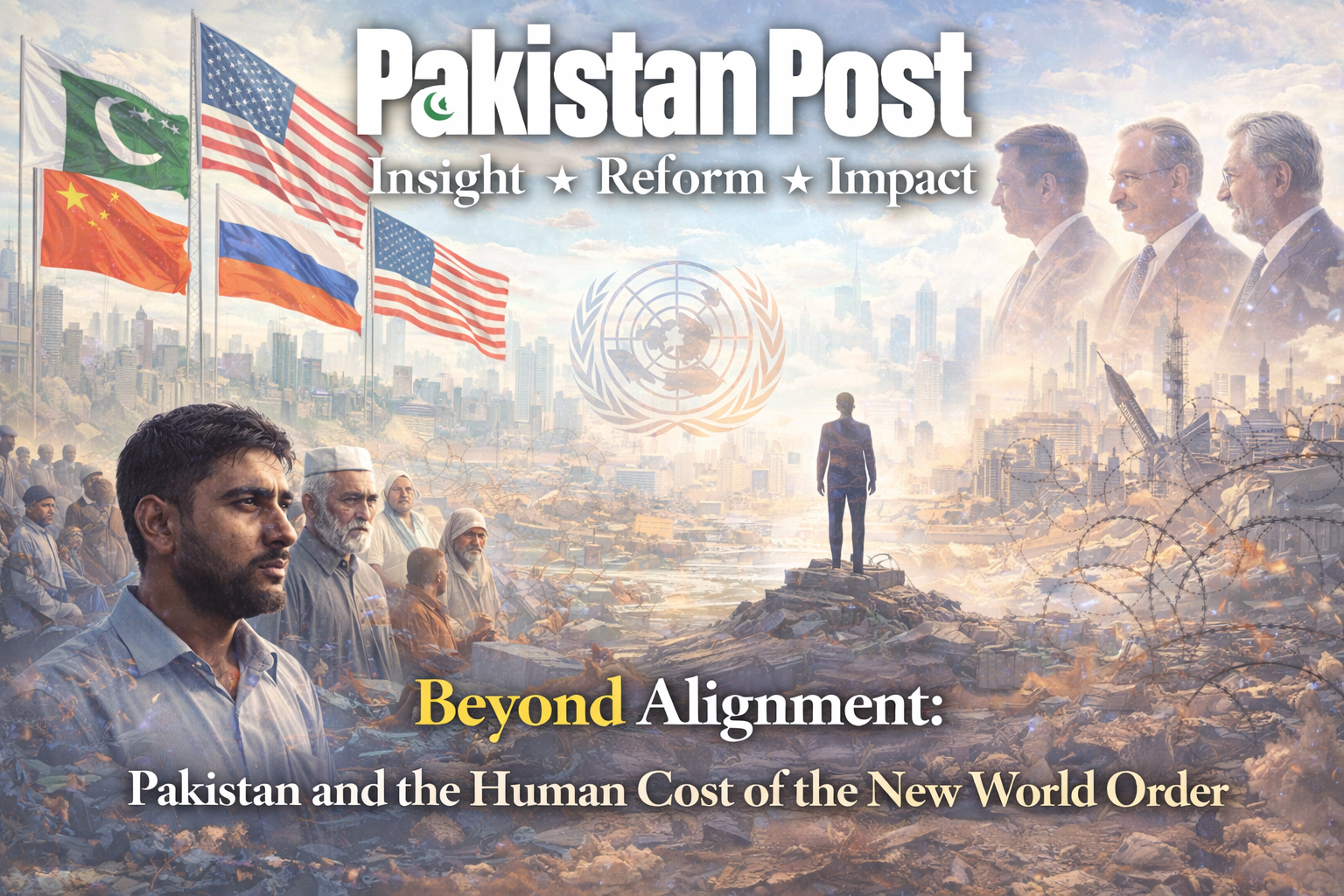
Beyond Alignment: Pakistan and the Human Cost of the New World Order

In the current geopolitical epoch, conventional paradigms of power, sovereignty, and security are undergoing profound transformation. States like Pakistan no longer operate solely within frameworks of realism, liberalism, or constructivism. They are increasingly compelled to navigate a trans-normative environment in which the rules

AI‑Driven Governance: Opportunities and Risks for Public Service Delivery in Pakistan
Artificial intelligence is no longer confined to research laboratories, technological incubators, or speculative futurism. It is reshaping governance, public administration, and the lived experience of citizens around the world. What was once the domain of science fiction has become an operational reality with
Digital Identity and Financial Inclusion: Bridging the Gap Between Policy and Practice
Digital identity is foundational infrastructure in the modern world. It is not an optional technical feature or a bureaucratic convenience. It determines whether a citizen can open a bank account, receive social benefits, access credit, pay taxes, obtain healthcare services, or participate in