
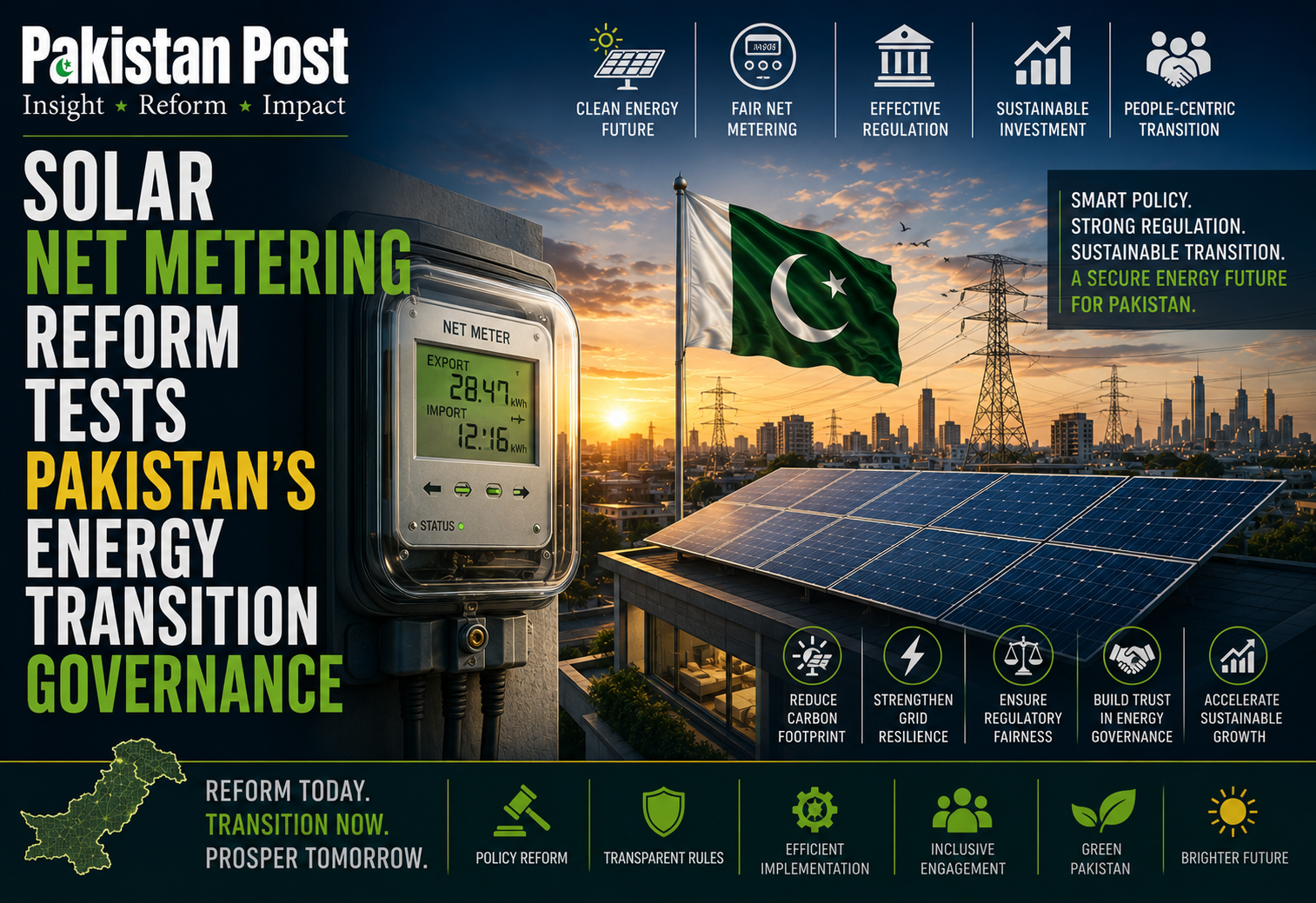
Solar Net Metering Reform Tests Pakistan’s Energy Transition Governance

Pakistan’s decision to reform its solar net metering framework has emerged as one of the country’s most consequential energy governance debates, illustrating how the transition toward cleaner electricity systems is no longer merely an environmental question but an institutional test of fiscal discipline,
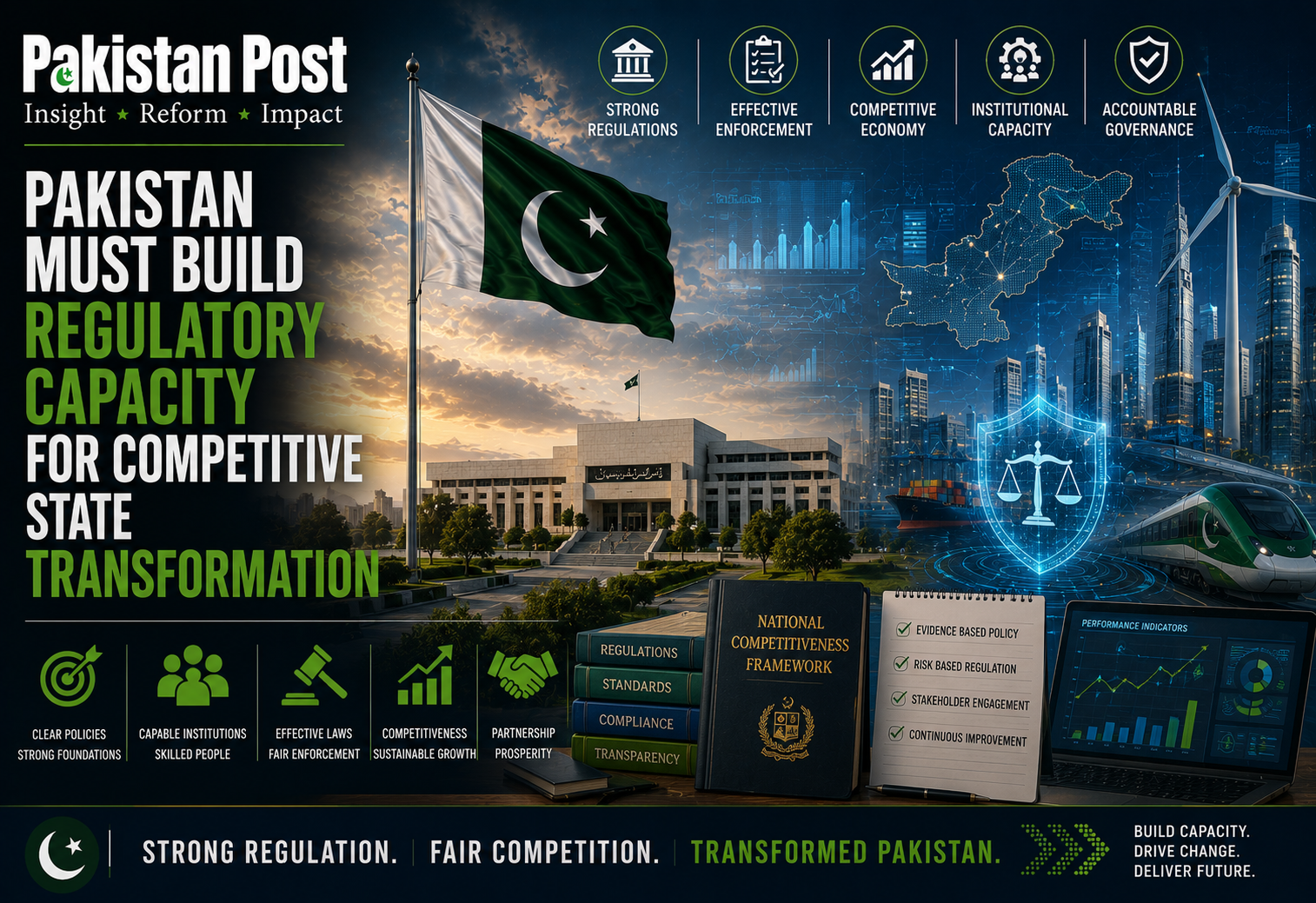
Pakistan Must Build Regulatory Capacity for Competitive State Transformation

Pakistan’s long-standing debate on national competitiveness has frequently revolved around taxation, infrastructure, labour costs, exchange rates, foreign investment incentives and export subsidies. Yet, the decisive variable that increasingly separates successful states from struggling economies is neither financial nor demographic. It is regulatory capacity.

Heat Waves And Melting Glaciers Demand Predictive National Flood Governance

Pakistan is once again approaching a season that has become painfully familiar. Temperatures are rising beyond historical averages, glaciers in the northern mountains are melting at accelerated rates, weather systems are becoming increasingly unpredictable, and meteorological forecasts indicate elevated risks of intense monsoon
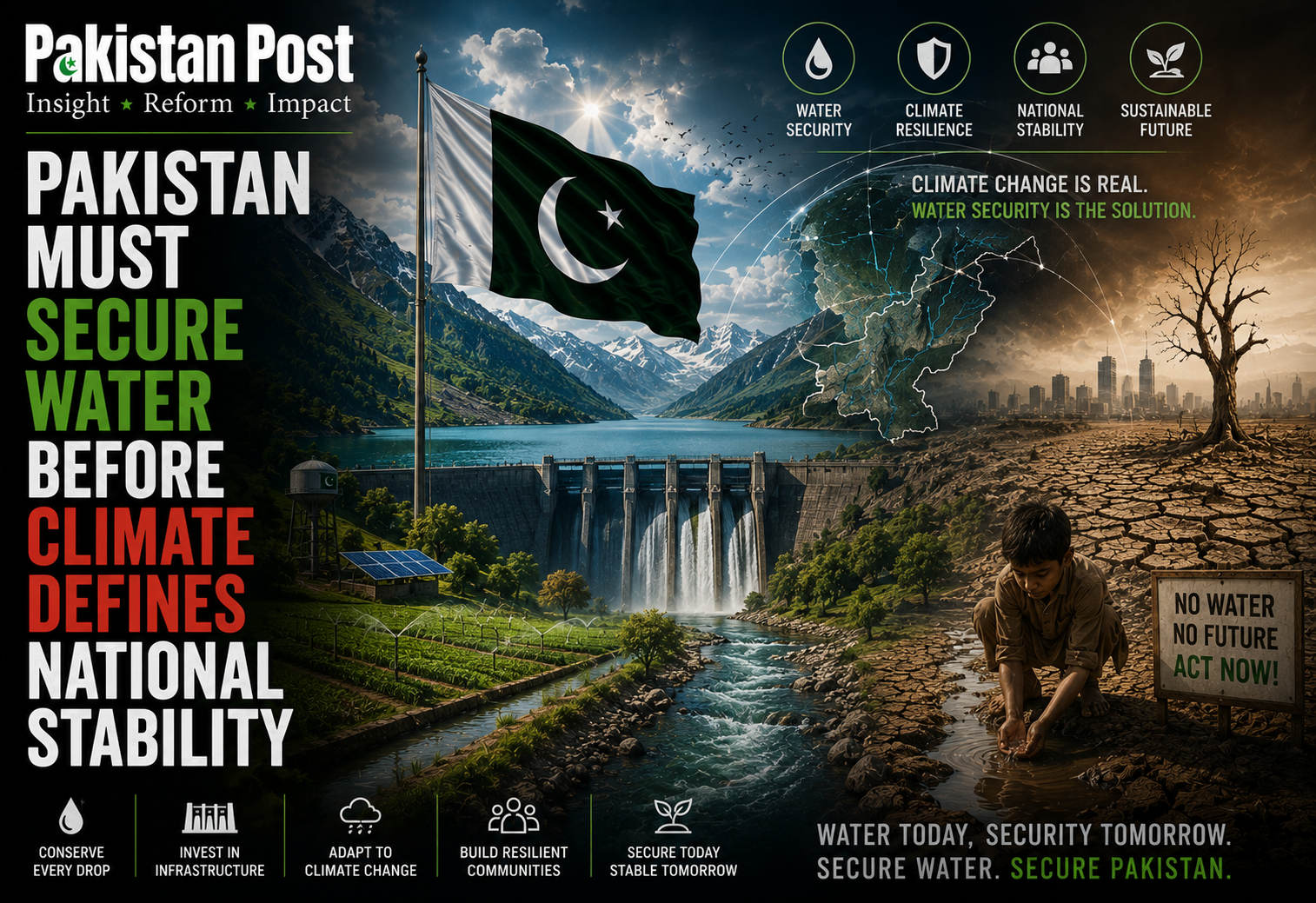
Pakistan Must Secure Water Before Climate Defines National Stability

Water has always shaped the geography, economy and strategic identity of Pakistan, yet the country now faces a transformation in which water is no longer merely a developmental concern but an increasingly decisive element of national security. Climate variability, demographic expansion, urbanisation, industrial

Pakistan Must Compete Where Global Standards Shape Strategic Power

Pakistan’s long term strategic influence will increasingly depend less upon territorial calculations and more upon its ability to participate in the international institutions that determine technical standards. The decisive competition of the coming decades will not primarily concern maps, military deployments, or even

Pakistan Must Master Coalition Diplomacy Before Global Rules Solidify
Pakistan’s future diplomatic influence will depend less on the number of bilateral relationships it maintains and more on whether it can consistently shape international negotiations that increasingly determine access to finance, technology, markets, critical infrastructure, food systems, maritime resources and regulatory standards. The

Financial Pressure Quietly Reshapes Economic Sovereignty Across Developing Nations

The architecture of international economic influence has undergone a profound transformation. The traditional image of sanctions, embargoes and overt economic coercion is increasingly being replaced by a sophisticated network of financial signalling mechanisms capable of shaping sovereign behaviour without the formal declaration of

Securing Undersea Networks Before Strategic Stability Quietly Fractures Forever
The most consequential strategic contest unfolding across the world’s oceans is not taking place between aircraft carriers, submarines or missile fleets. It is unfolding thousands of metres beneath the sea, where slender fibre optic cables, power links, sensors and seabed infrastructure quietly sustain

Logistics Defines the New Geometry of Strategic National Preparedness
The geography of military power is undergoing one of the most consequential transformations since the end of the Cold War. For decades, strategic influence was measured by the visibility of overseas military bases, permanent troop deployments, and the territorial footprint of great powers.

A Nation on the Edge of Becoming: Pakistan as a Bridge Between Pressure and Meaning
A state is never only what it declares itself to be. It is also what it repeatedly practices under constraint, what it rewards in its institutions, what it tolerates in its public culture, and what it quietly abandons when pressure becomes too high.