
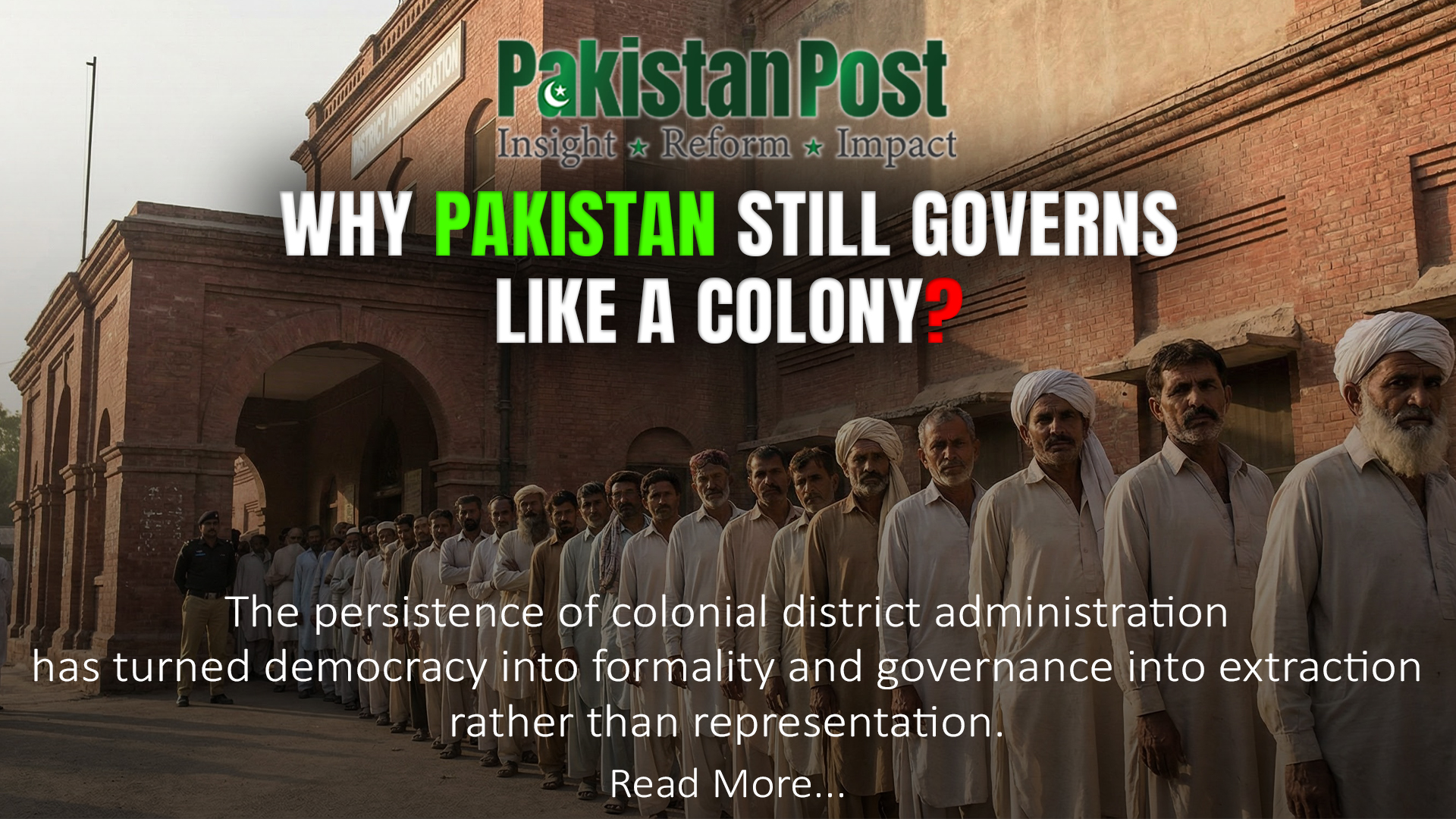
Colonial Continuities and the Architecture of Extraction

By Dr. Muhammad Ahsan Sardar Pakistan’s governance crisis cannot be adequately understood through the familiar language of corruption, weak leadership, or political instability alone. These explanations describe symptoms, not causes. The root of the problem lies deeper, embedded in the very architecture of

Reframing Internal Federalism As A Security Imperative Rather Than A Political Concession
By Yahya Pakistan’s enduring struggle with extremism and internal insecurity is often framed narrowly through militancy, ideology, or regional geopolitics. Beneath the visible manifestations of violence, however, lies a more structural and persistent problem: the failure of internal federalism. The excessive centralization of

Rise Of Proxy-Driven Interventions, And The Growing Imprint Of External Powers
By Hesham Sultan The contemporary international system has entered a phase in which conflict is no longer defined solely by open warfare between sovereign states, but rather by a continuum of coercive interactions that operate across military, political, economic, informational, and diplomatic domains.
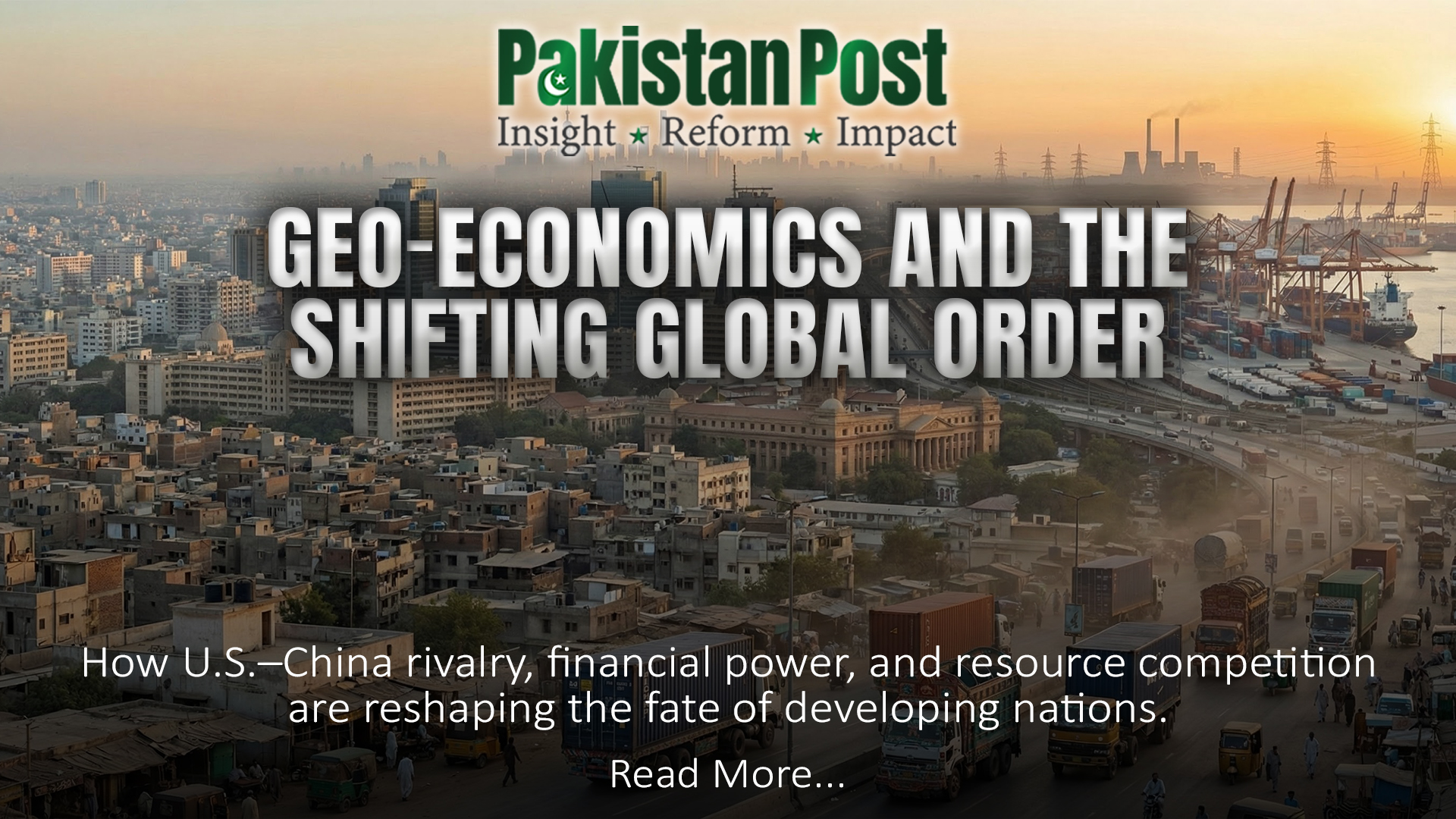
Ripple Effects Historic Proportions of Global Order
BY Hesham Sultan The global order is undergoing a transformation of historic proportions, driven principally by the intensifying rivalry between the United States and China, a contest that encompasses economic, technological, and geopolitical dimensions. This contest is no longer confined to the familiar
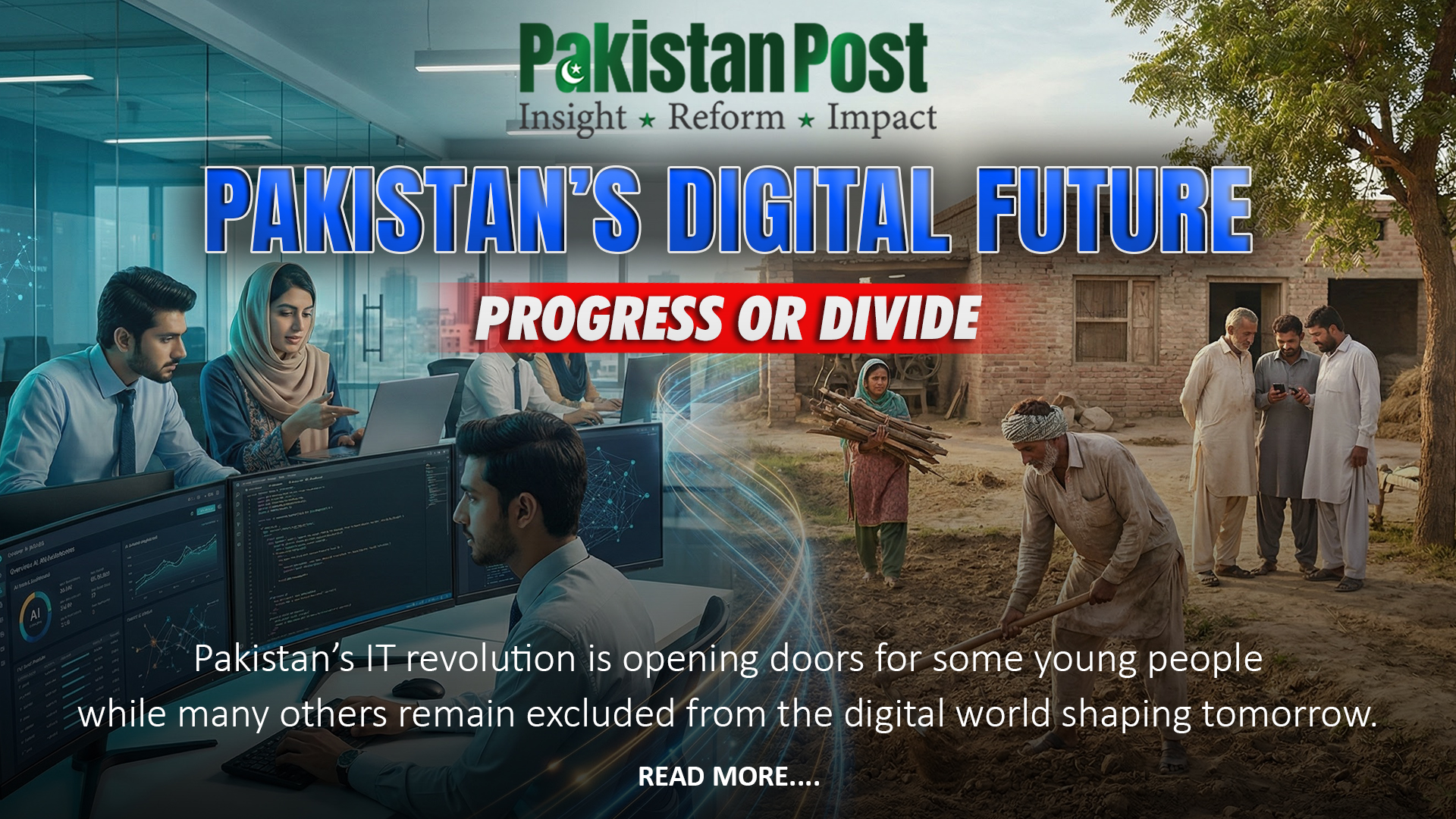
The Algorithmic Empire: South Asia’s Next Battle Is Digital
By Usman Fayyaz In the heart of South Asia, a silent revolution is reshaping society, economies, and power structures. It is not fought with guns or borders, but with algorithms, data, and digital dominance. From Karachi’s tech startups to Bangalore’s AI research labs,
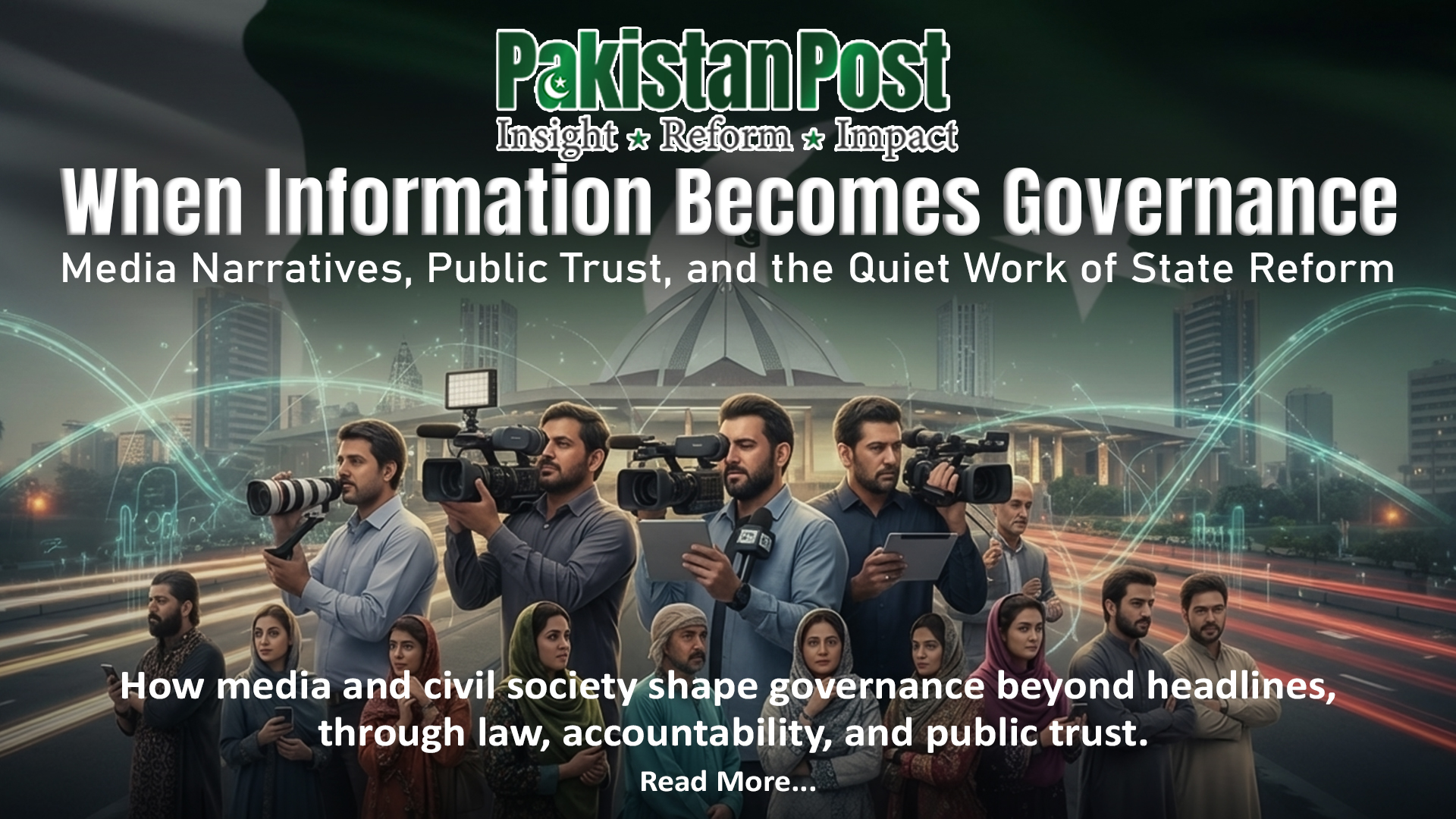
Pakistan’s Public Sphere at the Crossroads: Freedom of Expression, Extremism, and Governance Imperatives
By Ijaz Naser Pakistan’s democracy operates in a public sphere that is at once vibrant, contested, and vulnerable. The nation’s media landscape spanning television, digital platforms, and instantaneous social commentary serves as both an amplifier of citizen voice and a stage for strategic
E-Cigarettes in Pakistan: What the World Can Teach Us
By Sadia Majeed “Balancing Harm and Protection: How Pakistan Can Navigate the E-Cigarette Debate” E-cigarettes are no longer a niche product; they are rapidly becoming a public health conundrum. Marketed as a safer alternative to smoking, these devices have captured the attention of
Power Defines Logic: A New Strategic Communication
By: Ijaz Naser What has unfolded in Venezuela is more than an isolated crisis—it represents a structural shift in global power dynamics that reverberates far beyond the Western Hemisphere. Repeatedly framed as an exceptional response to extraordinary governance collapse, humanitarian distress, and criminalized
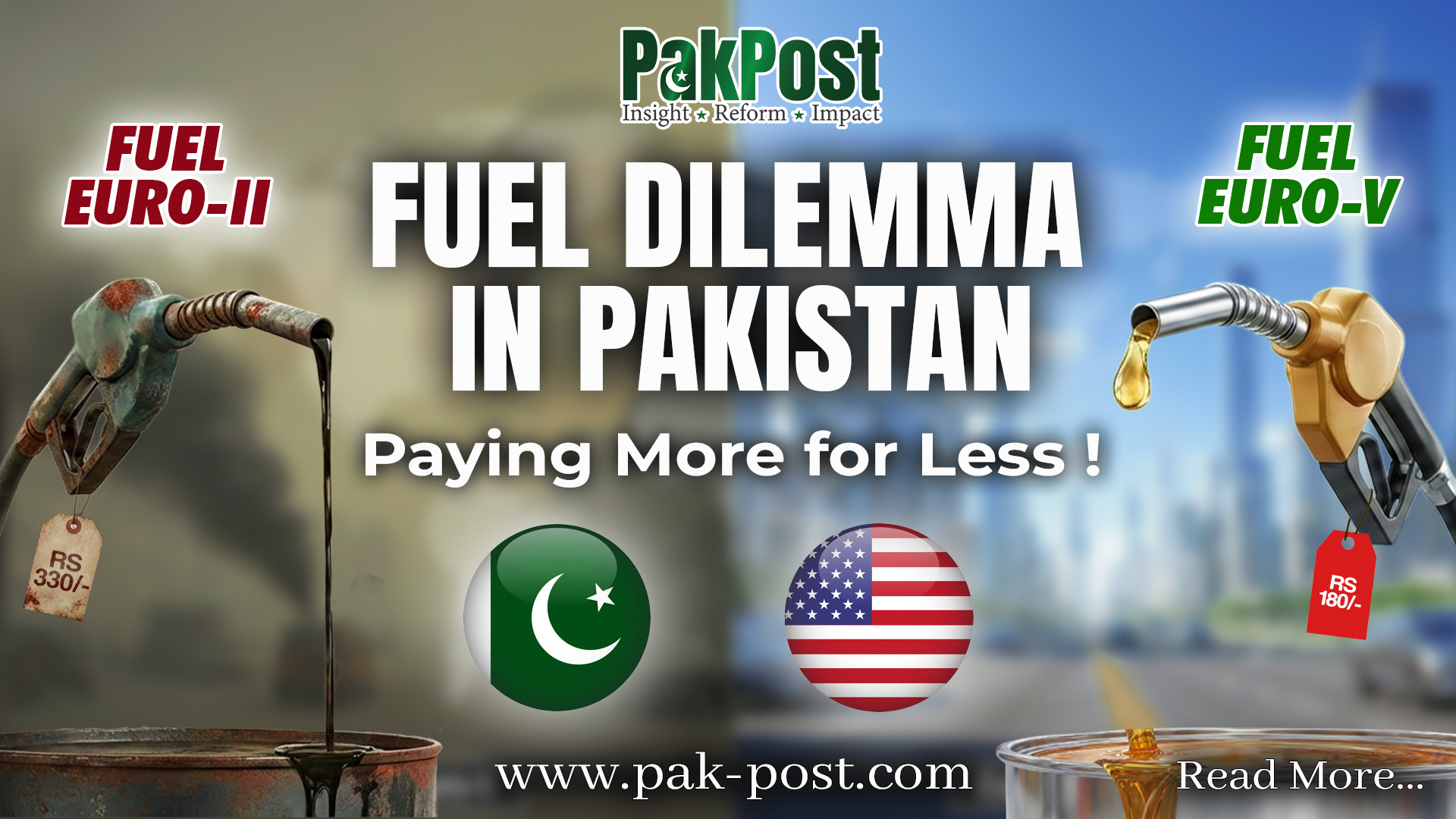
Fuel Dilemma and the Political Economy
By Sadia Majeed In the closing months of 2025, Pakistan stands at an extraordinary paradox. Citizens pay among the highest petrol prices in South Asia, yet the fuel in their tanks is substandard by global standards. While most of the world has transitioned