
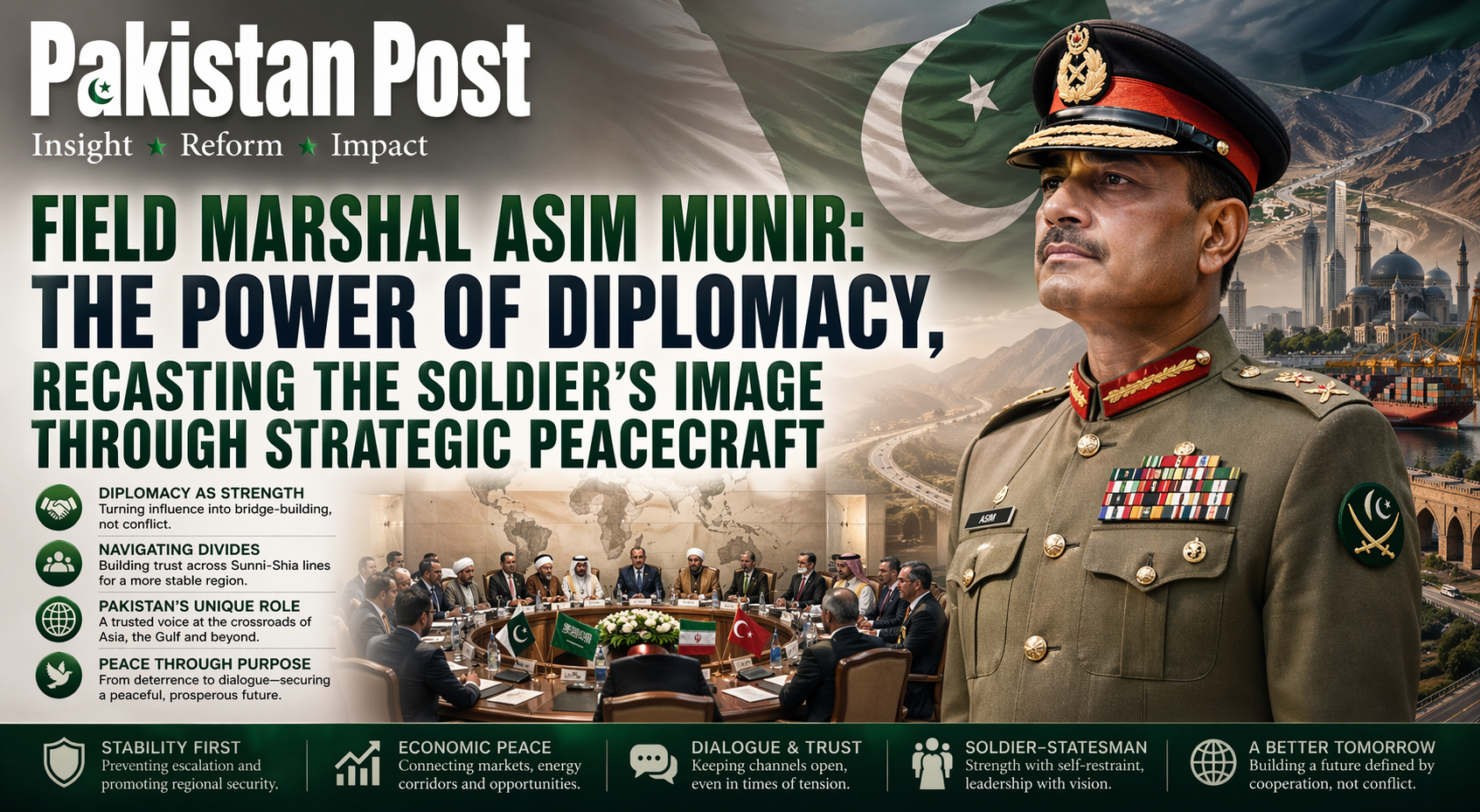
Field Marshal Asim Munir: The Power of Diplomacy, Recasting the Soldier’s Image Through Strategic Peacecraft

Power, in the classical imagination of states, was measured in divisions, missiles, and the capacity to impose cost upon an adversary. In the twenty first century, however, power has become a more intricate currency. It now includes the ability to reassure markets, calm
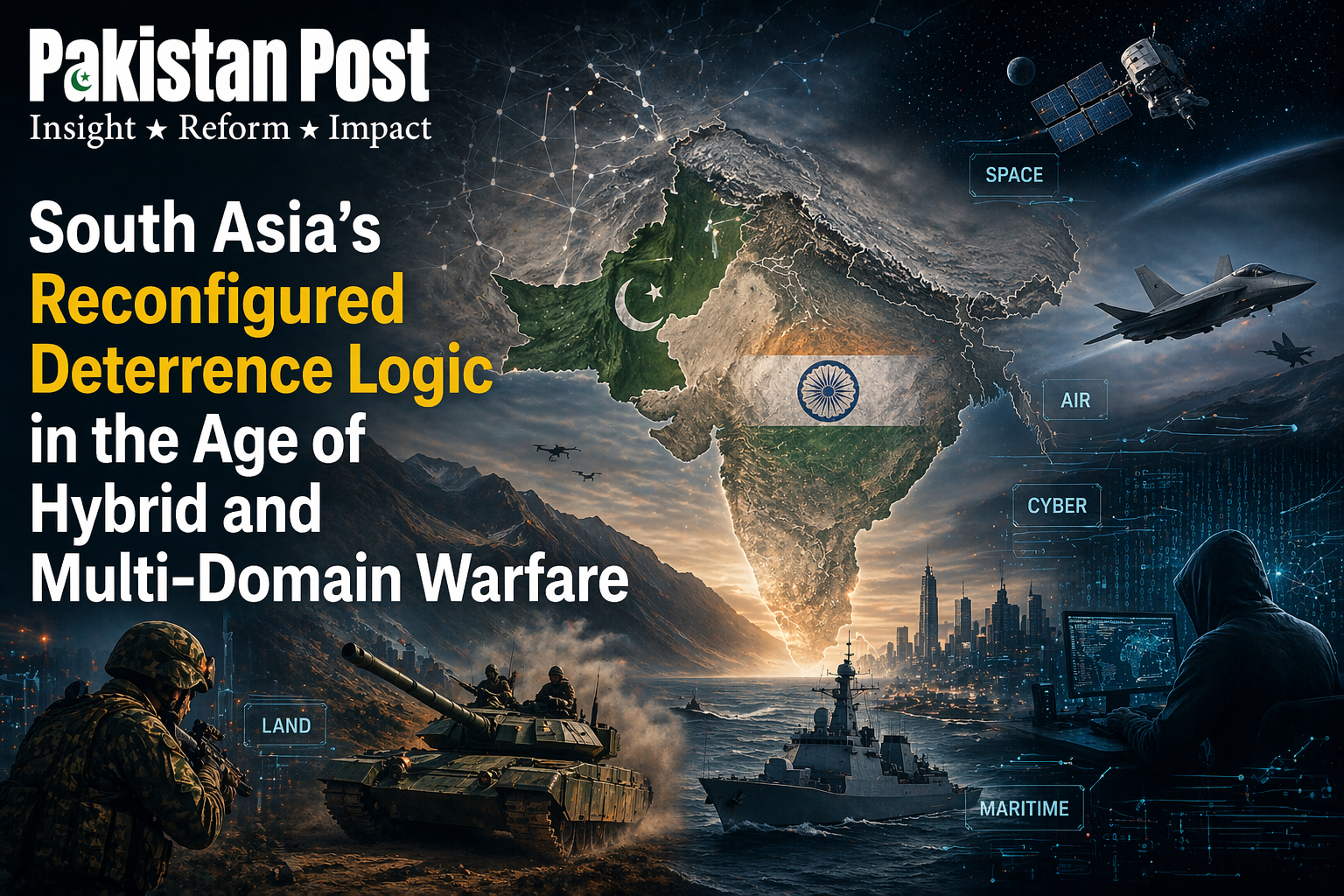
South Asia’s Reconfigured Deterrence Logic in the Age of Hybrid and Multi-Domain Warfare
Deterrence in South Asia is no longer anchored solely in the classical grammar of tanks, territory, and nuclear signaling. It is increasingly shaped by a far more diffuse and continuous form of competition in which cyber intrusions, drone operations, satellite surveillance, economic pressure,
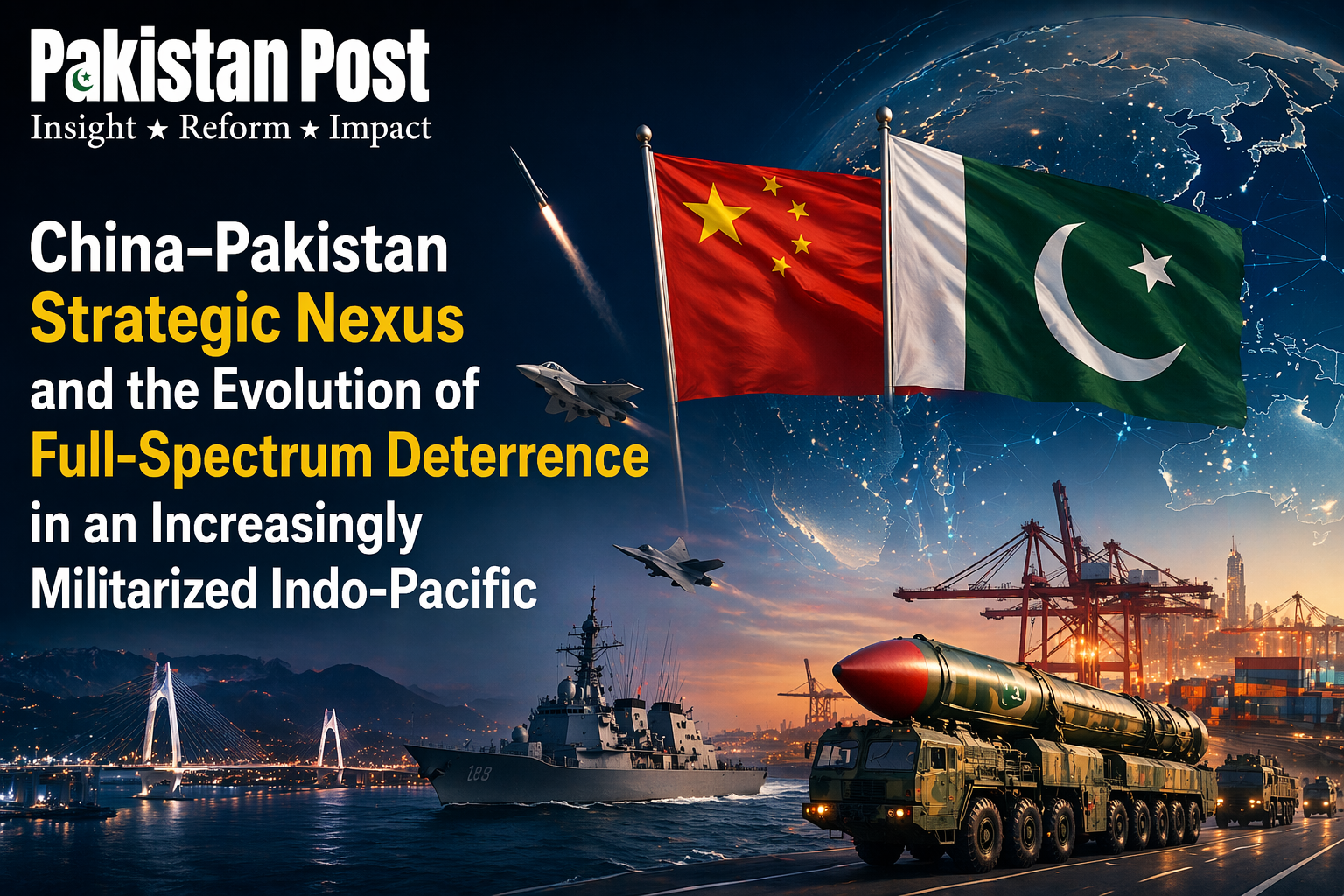
China–Pakistan Strategic Nexus and the Evolution of Full-Spectrum Deterrence in an Increasingly Militarized Indo-Pacific
The strategic relationship between the Islamic Republic of Pakistan and the People’s Republic of China has long been described in shorthand as “all-weather,” a diplomatic phrase that once captured political trust and transactional alignment without necessarily implying deep structural military integration. That description
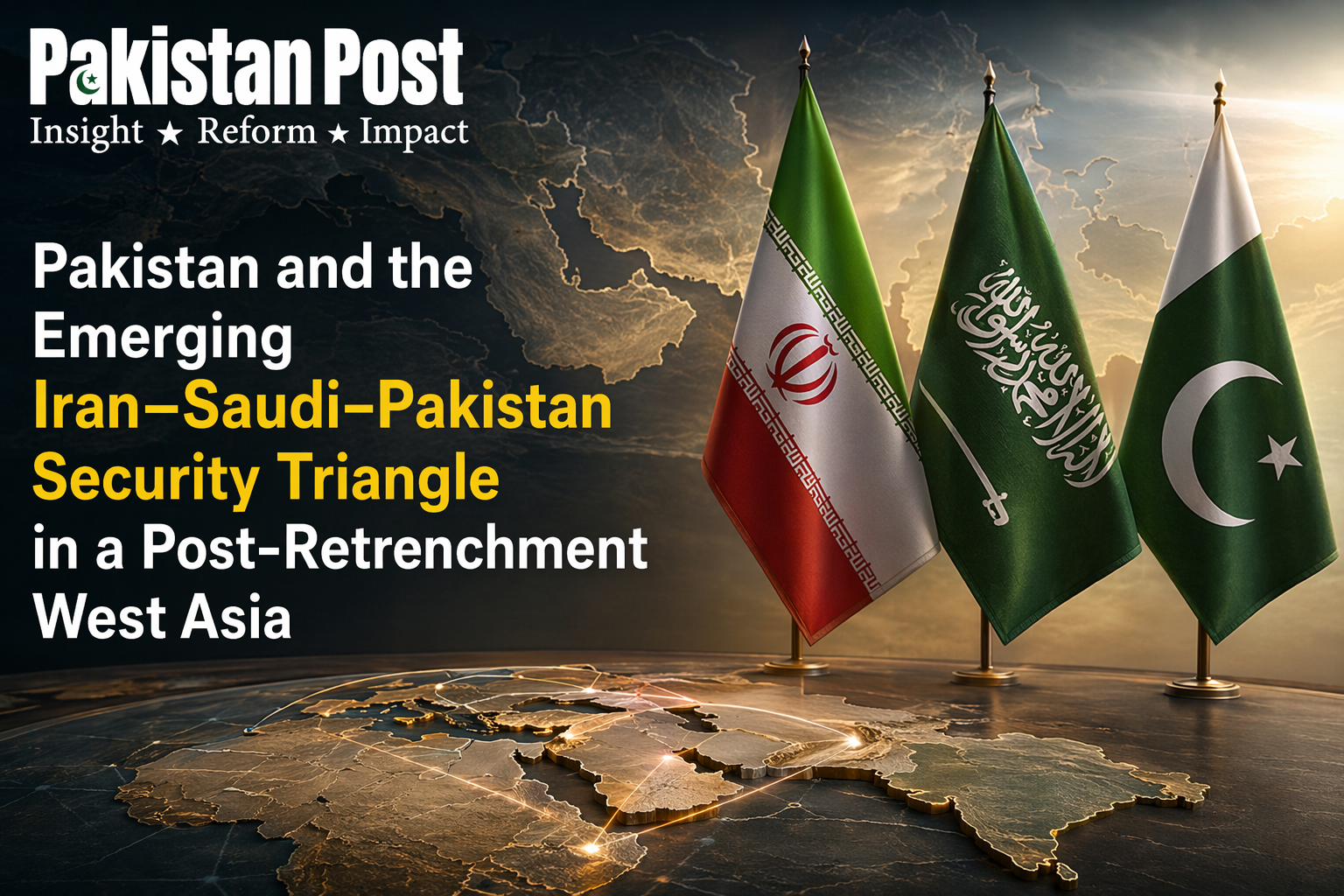
Pakistan and the Emerging Iran–Saudi–Pakistan Security Triangle in a Post-Retrenchment West Asia
The strategic landscape of West Asia is entering a phase of controlled fluidity, shaped by shifting alignments, episodic détente, and the gradual redefinition of external guarantees. In this environment, the Islamic Republic of Pakistan is increasingly being viewed not as a peripheral observer
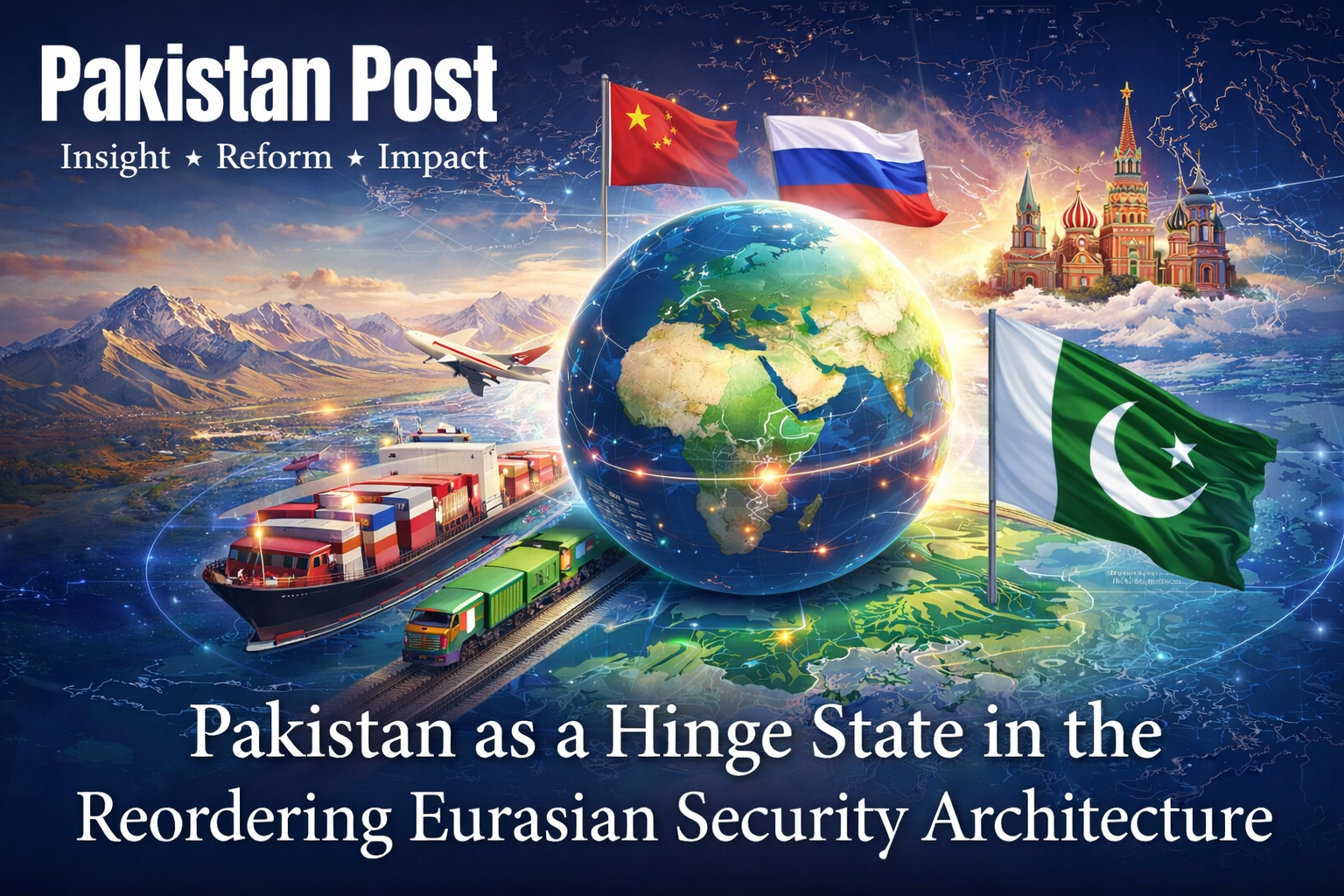
Pakistan as a Hinge State in the Reordering Eurasian Security Architecture
The geopolitical identity of the Islamic Republic of Pakistan is undergoing a subtle but consequential redefinition. Once treated largely as a buffer zone between competing great powers and regional blocs, it is increasingly being interpreted by strategists as a “hinge state” embedded within
Pakistan as the Pivot Node in the Reconstitution of Maritime Order in the Strait of Hormuz
The contemporary restructuring of maritime order is no longer adequately interpretable through the inherited lexicon of hegemonic dominance, naval primacy, or unilateral enforcement. The system is instead gravitating toward a more intricate equilibrium of distributed authority, in which influence is exercised through interconnected

Sovereign Maritime Doctrine and the Reconfiguration of Control in the Strait of Hormuz
The transformation of maritime power in the twenty first century is no longer defined by the crude arithmetic of fleet size or the theatrical projection of naval supremacy. Instead, it is increasingly determined by the capacity of states to engineer layered systems of
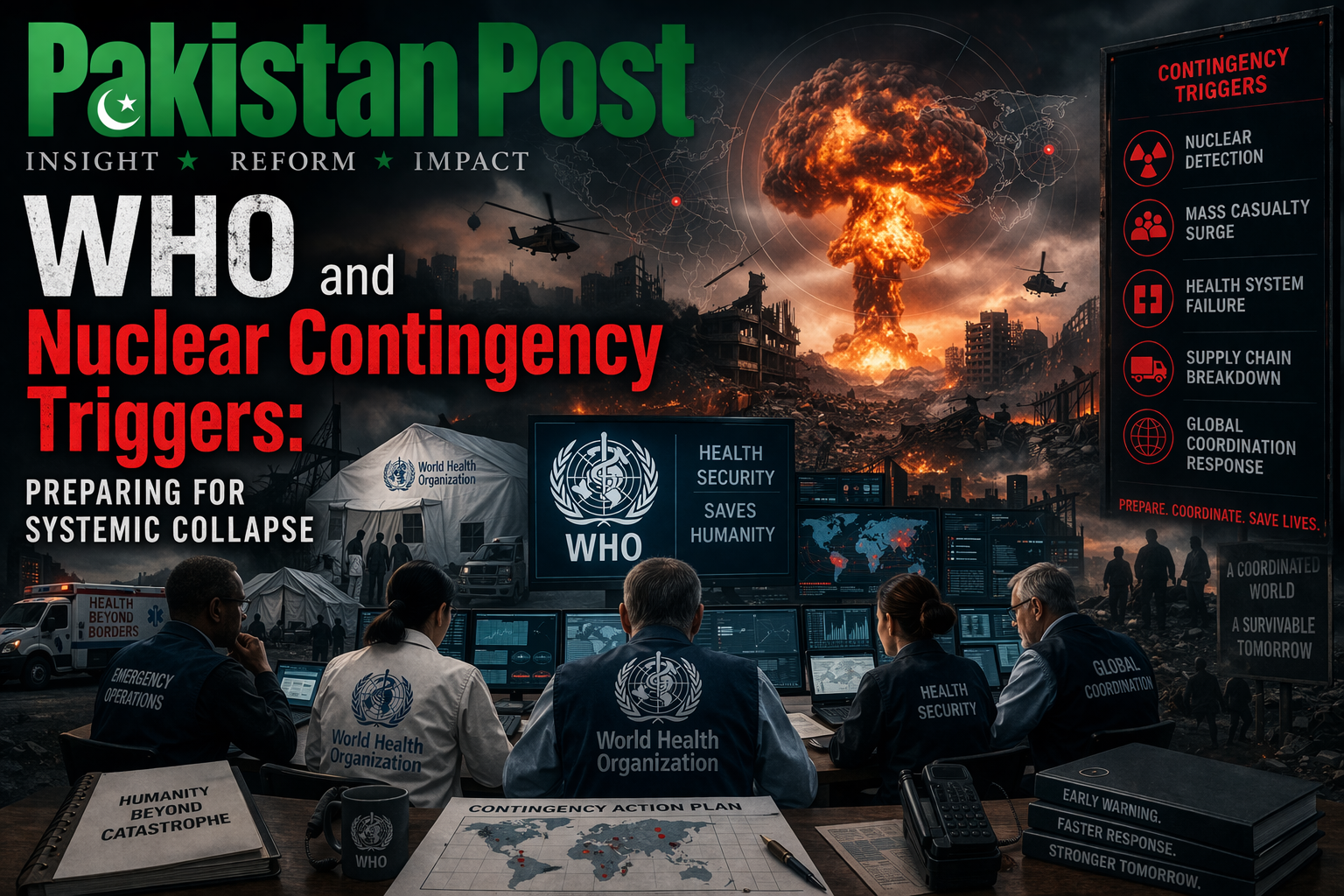
WHO and Nuclear Contingency Triggers: Preparing for Systemic Collapse
The ongoing conflict between the United States, Israel, and Iran, with kinetic strikes on Fordow, Natanz, and Isfahan, has generated a complex spectrum of humanitarian and systemic risk that extends far beyond immediate theaters of military action. Pakistan, in its capacity as observer,
Resolution Without Retribution
The prospect of a United Nations General Assembly resolution being adopted within twelve hours of a nuclear detonation rests not on procedural optimism but on a narrow window in which fear compresses political divergence into functional convergence. In such a moment, the objective

Authority Without Arsenal
The paralysis of the Security Council following a nuclear detonation would not arise from procedural absence but from structural contradiction. The veto, designed to anchor great power consent, becomes the instrument through which consent is withheld. When the United States, Russia, and China