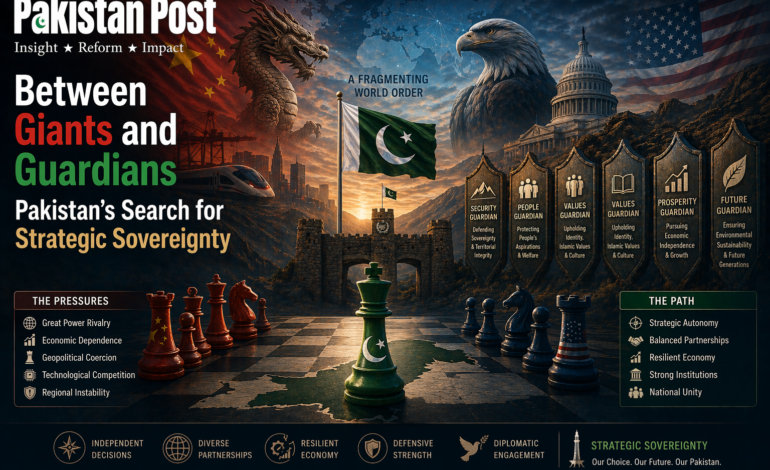
Between Giants and Guardians Pakistan’s Search for Strategic Sovereignty

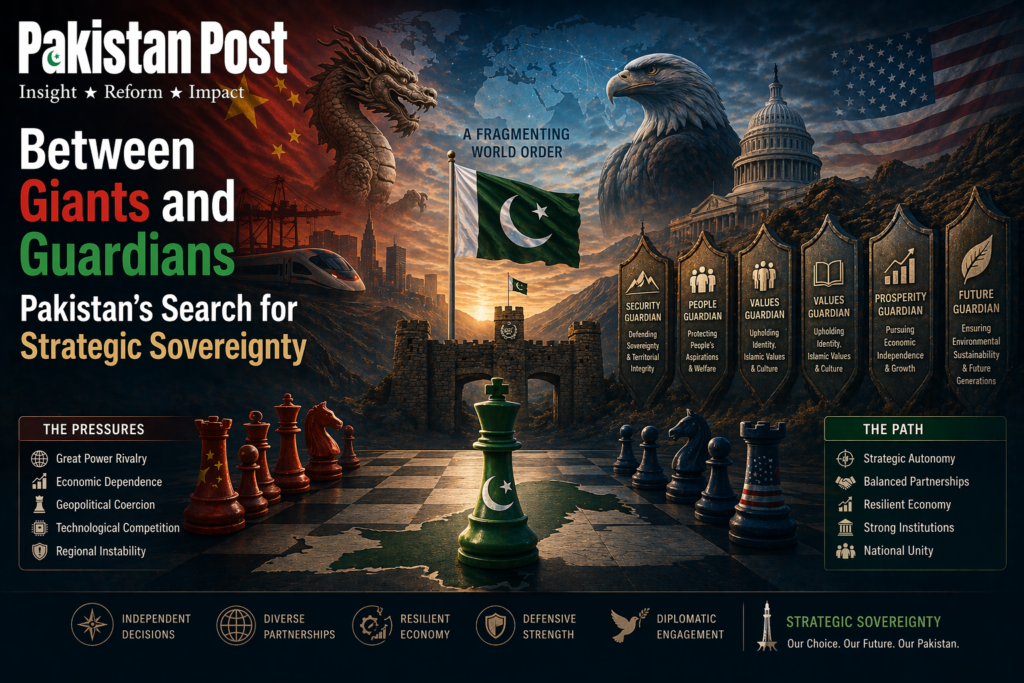
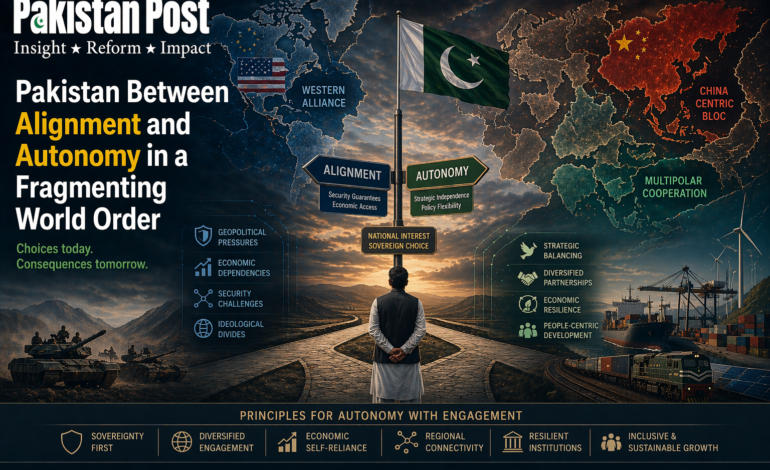
The geometry of power in the twenty-first century is no longer defined by singular dominance but by intersecting axes of influence, where economic leverage, security guarantees, ideological affinity, and financial dependency converge in ways that defy traditional alliance structures. For Pakistan, this evolving configuration is not an abstract academic construct but a lived geopolitical reality, shaped by its simultaneous engagement with China, the United States, and a constellation of influential Islamic powers led by Saudi Arabia and Turkey. The central question is no longer whether Pakistan is aligned, but whether it retains the capacity to act autonomously within a system where every alignment carries embedded constraints.
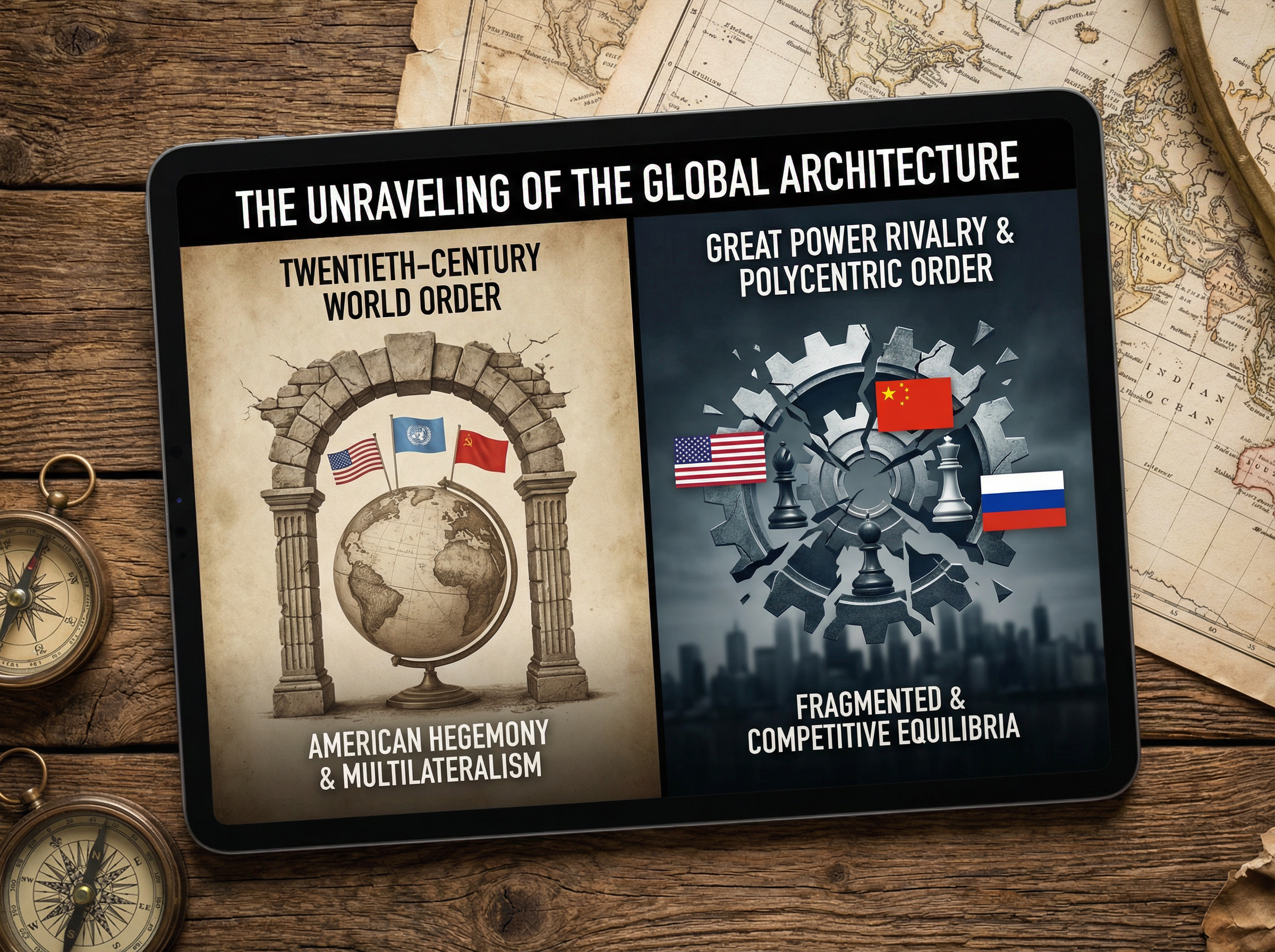
Historically, Pakistan’s foreign policy was anchored in a relatively linear logic, where security imperatives dictated alignment choices. During the Cold War, its partnership with Washington was underpinned by a shared strategic objective of containing Soviet influence, while its post-9/11 role as a frontline state in the war on terror reinforced this dependence, albeit in increasingly transactional terms. However, the present moment reflects a departure from this paradigm. The rise of China as a systemic competitor to the United States, the reconfiguration of Middle Eastern geopolitics, and the gradual erosion of Western institutional primacy have created a more complex environment in which Pakistan must navigate multiple, and often competing, vectors of influence.
At the heart of this transformation lies Pakistan’s deepening relationship with China, a partnership that extends beyond traditional diplomatic engagement into the realms of infrastructure, energy, and long-term economic integration. Chinese investments have played a pivotal role in addressing Pakistan’s chronic energy shortages, enhancing connectivity, and positioning the country as a potential hub in emerging regional trade networks. Yet this relationship is not without its asymmetries. The scale of financial commitments, the structure of debt obligations, and the strategic significance of infrastructure projects create a dynamic in which economic dependence can subtly translate into strategic expectation.
This does not imply coercion, nor does it diminish the tangible benefits of the partnership. Rather, it highlights the inherent tension in asymmetric relationships, where the weaker party must continuously calibrate its engagement to preserve policy flexibility. For Pakistan, the challenge is to ensure that its partnership with China remains a source of strength rather than a constraint, enabling economic transformation without narrowing the scope of strategic choice.
Simultaneously, Pakistan’s relationship with the United States, though no longer defined by the intensity of the post-9/11 period, continues to exert a significant influence on its policy landscape. The United States remains a critical actor in global financial governance, with its influence over international institutions shaping the conditions under which countries like Pakistan access external financing. Beyond economics, the residual security relationship, intelligence cooperation, and the broader geopolitical significance of South Asia ensure that Washington’s engagement with Islamabad, though recalibrated, remains consequential.
In recent years, there has been a cautious effort on both sides to stabilize this relationship, moving away from the volatility that characterized earlier phases. This recalibration reflects a mutual recognition of changing priorities, with the United States focusing on strategic competition with China and Pakistan seeking to diversify its partnerships. Yet the structural asymmetry remains, particularly in the economic domain, where Pakistan’s need for financial support can limit its ability to adopt positions that diverge significantly from Western expectations.
Overlaying this bilateral dynamic is the growing importance of Islamic geopolitical groupings, particularly those centered around Saudi Arabia and Turkey. These relationships are not merely symbolic or ideological; they are deeply embedded in Pakistan’s economic and social fabric. Remittance flows from the Gulf constitute a significant source of foreign exchange, while financial assistance from Saudi Arabia has often played a stabilizing role during periods of economic stress. Turkey, meanwhile, represents a different kind of partnership, characterized by political affinity, defense cooperation, and a shared narrative of regional leadership.
The interplay between these actors creates a complex web of dependencies and opportunities. Saudi Arabia’s financial support, for instance, is often accompanied by expectations regarding policy alignment, whether in regional conflicts or broader geopolitical positioning. Turkey’s engagement, while less economically dominant, carries its own strategic implications, particularly in the context of defense collaboration and diplomatic coordination. Together, these relationships contribute to a form of layered engagement, where Pakistan must balance not only great power competition but also intra-Islamic dynamics.
Within this framework, the concept of strategic sovereignty becomes both more urgent and more elusive. Sovereignty, in its classical sense, implies the ability of a state to make independent decisions free from external coercion. In practice, however, absolute autonomy is rarely attainable, particularly for states embedded in global economic and security systems. The question, therefore, is not whether Pakistan can achieve complete independence, but whether it can expand its decision-making space within existing constraints.
One way to approach this question is to examine the degree of diversification in Pakistan’s external engagements. A broader network of partnerships can, in theory, reduce dependence on any single actor, enhancing bargaining power and policy flexibility. Pakistan’s current trajectory reflects an awareness of this principle, as evidenced by its efforts to maintain relations across multiple axes. However, diversification alone is not sufficient. The quality of these engagements, the terms under which they are structured, and the domestic capacity to leverage them effectively are equally important.
Economic structure plays a critical role in this regard. Pakistan’s reliance on external financing, limited export diversification, and vulnerability to external shocks constrain its ability to negotiate from a position of strength. These structural weaknesses amplify the influence of external actors, as financial assistance becomes not merely a tool of support but a mechanism of influence. Addressing these vulnerabilities is therefore essential for enhancing strategic sovereignty.
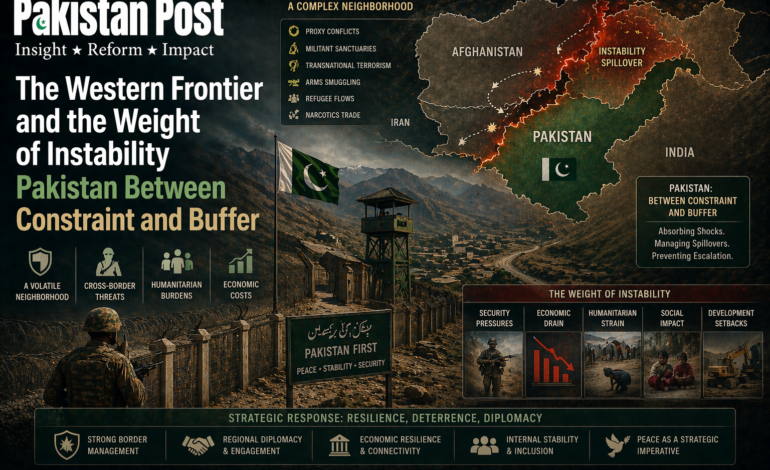
The security dimension adds another layer of complexity. Pakistan’s strategic environment is shaped by a range of challenges, from regional rivalries to internal security concerns. These dynamics necessitate continued engagement with external partners, particularly in areas such as defense cooperation and intelligence sharing. While such engagement can enhance security capacity, it also creates dependencies that must be carefully managed.
Technological transformation further complicates the picture. The increasing importance of digital infrastructure, cyber capabilities, and emerging technologies introduces new domains of competition and cooperation. Decisions regarding technology partnerships, data governance, and digital ecosystems will have long-term implications for Pakistan’s strategic autonomy. Aligning too closely with one technological ecosystem may offer short-term benefits but could limit future flexibility in an environment where technological standards are becoming a key battleground of geopolitical competition.
Against this backdrop, the notion of “compressed sovereignty” offers a useful analytical lens. It suggests a condition in which a state retains formal independence but faces constraints that limit its practical ability to act autonomously. These constraints may arise from economic dependency, security considerations, or the need to maintain balanced relations with multiple powerful actors. The risk for Pakistan is that its overlapping engagements, while intended to enhance flexibility, may instead create a situation where choices are increasingly shaped by external expectations.
Yet this outcome is not inevitable. Strategic sovereignty is not a fixed condition but a dynamic process, shaped by policy choices, institutional capacity, and external circumstances. Pakistan’s ability to navigate this process will depend on several factors. First, the development of a coherent foreign policy framework that clearly articulates national priorities and guides engagement with external partners. Such a framework must move beyond reactive decision-making, providing a consistent basis for evaluating opportunities and risks.
Second, the strengthening of domestic institutions, particularly those involved in economic management and foreign policy formulation. Effective coordination, transparency, and accountability are essential for ensuring that external engagements serve national interests rather than narrow or short-term objectives. Institutional resilience also enhances credibility, making Pakistan a more reliable partner in the eyes of external actors.
Third, the cultivation of economic resilience. Diversifying the export base, improving fiscal stability, and enhancing competitiveness are critical for reducing reliance on external financing. Economic strength not only provides greater policy flexibility but also enhances Pakistan’s attractiveness as a partner, shifting the balance from dependence to mutual benefit.
Finally, the strategic use of geography. Pakistan’s location at the crossroads of South Asia, Central Asia, and the Middle East offers significant opportunities for connectivity and trade. Leveraging this position requires not only infrastructure development but also regulatory reform and regional cooperation. If effectively harnessed, geography can serve as a source of leverage, enhancing Pakistan’s role in regional and global networks.
In assessing whether Pakistan’s strategic sovereignty is expanding or contracting, it is important to recognize that the answer may not be uniform across all domains. In some areas, such as diplomatic engagement, there is evidence of increased flexibility and diversification. In others, particularly economic policy, constraints remain significant. The overall trajectory will depend on the interplay between these domains and the extent to which progress in one area can offset limitations in another.
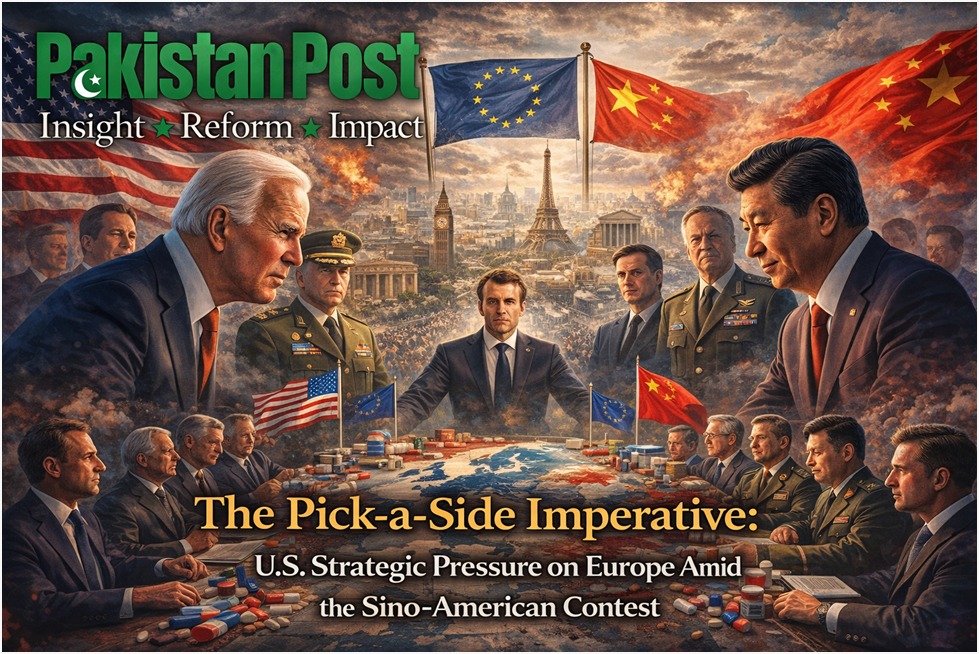
The broader geopolitical environment will also play a decisive role. As competition between major powers intensifies, the pressure on states like Pakistan to align more clearly with one bloc or another may increase. Navigating this pressure will require not only strategic clarity but also diplomatic skill, as Pakistan seeks to maintain its multi-vector engagement without being drawn into zero-sum alignments.
Ultimately, the question of strategic sovereignty is not merely about external relationships but about internal capacity. The ability to engage multiple partners, manage competing expectations, and pursue national interests in a complex environment depends fundamentally on the strength of domestic institutions and the coherence of policy frameworks. Without these foundations, even the most sophisticated foreign policy strategies will struggle to achieve their objectives.
Pakistan stands at a critical juncture, where the choices it makes will shape its trajectory in a rapidly changing world. The interplay between China, the United States, and Islamic geopolitical groupings presents both opportunities and challenges, offering avenues for engagement while imposing constraints that must be carefully managed. Whether Pakistan can transform this complex landscape into a platform for enhanced sovereignty will depend on its ability to move beyond reactive adaptation toward a more deliberate and strategic approach.
In a world where power is increasingly dispersed and alliances are fluid, the capacity to navigate complexity is itself a form of power. For Pakistan, the task is not to choose between competing giants and guardians, but to ensure that its engagement with each serves a coherent and enduring vision of national interest.
A Public Service Message