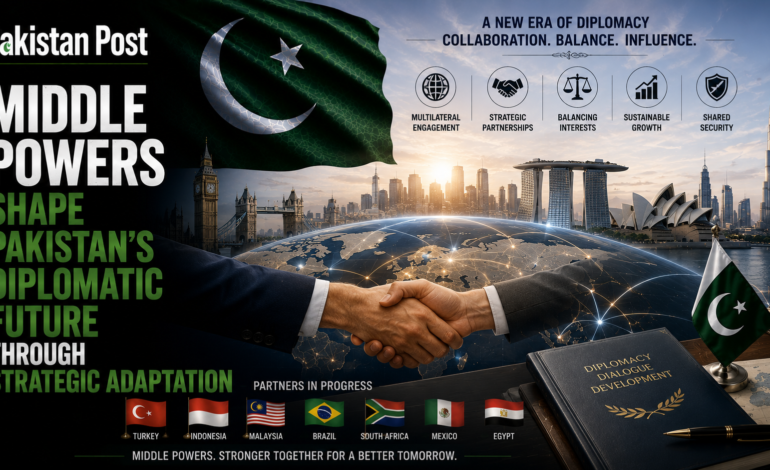
Middle Powers Shape Pakistan’s Diplomatic Future Through Strategic Adaptation


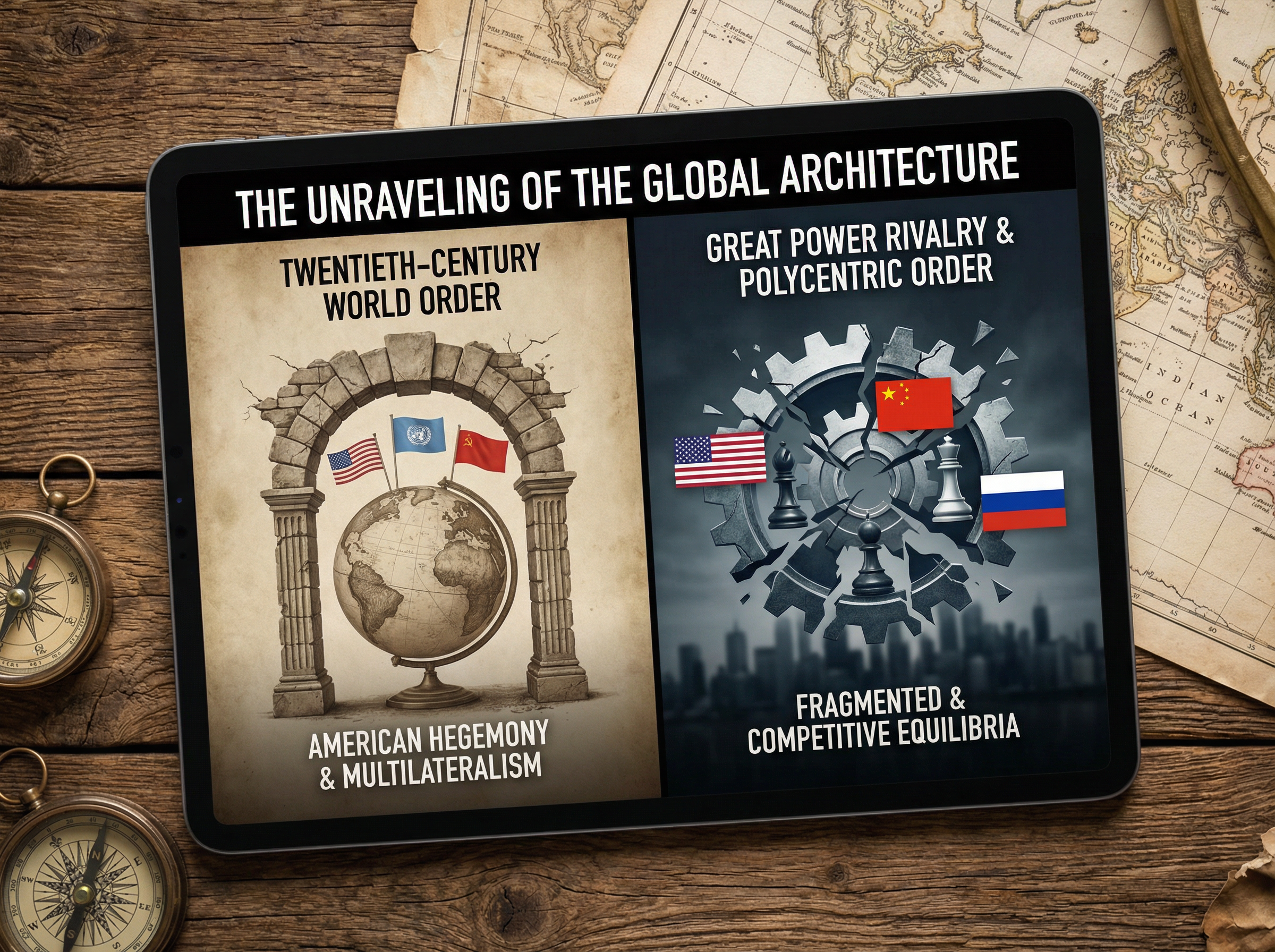
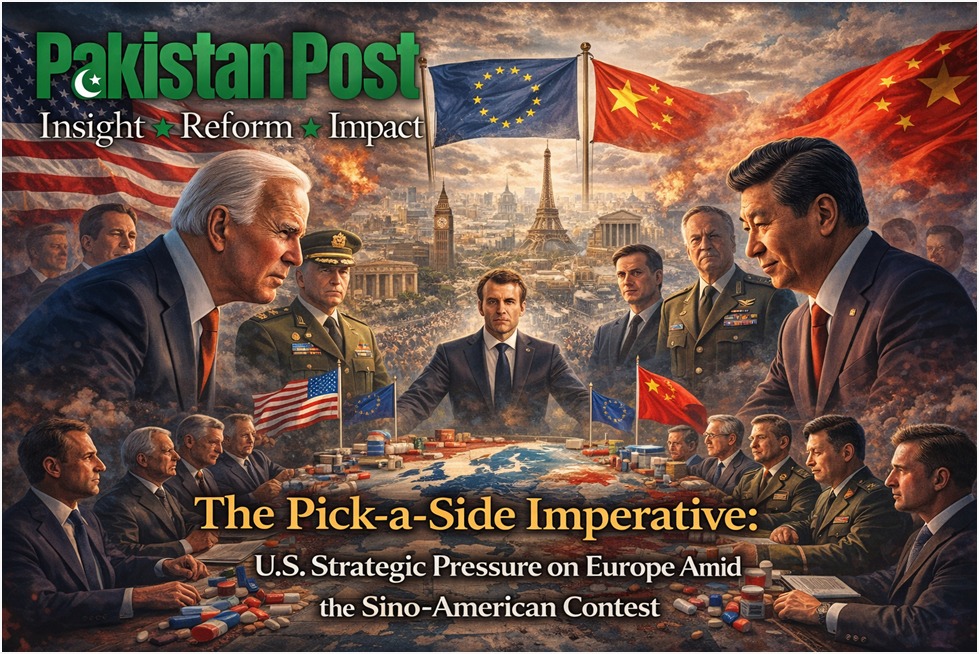
The international system is no longer organised exclusively around the strategic calculations of major powers. While geopolitical competition between the United States and China continues to dominate military planning, technological competition and economic statecraft, a quieter but equally consequential transformation is unfolding beneath the surface. An expanding group of middle powers has begun reshaping international diplomacy through flexible coalitions built around specific policy domains rather than rigid ideological alignments or permanent security blocs. This emerging diplomatic landscape is altering negotiations on climate governance, digital regulation, food security, maritime administration, supply chain resilience, financial reform, public health, artificial intelligence, critical minerals and infrastructure financing. Influence increasingly belongs not merely to those possessing overwhelming military capabilities, but to states capable of organising expertise, coordinating partnerships and supplying practical policy solutions.
For Pakistan, this evolution presents an opportunity that conventional strategic thinking has not fully recognised. Foreign policy has traditionally been interpreted through the prism of territorial security, regional rivalry and bilateral strategic partnerships. Those considerations remain indispensable, particularly given South Asia’s persistent security volatility. Yet the contemporary diplomatic environment increasingly rewards states capable of participating simultaneously across multiple issue specific platforms without being permanently confined within exclusive geopolitical alignments. The distinction between allies, competitors and functional partners has become increasingly fluid, requiring diplomatic institutions capable of operating across overlapping networks rather than binary strategic camps.
Middle powers have demonstrated remarkable agility in exploiting this transition. Rather than attempting to compete directly with major powers across every domain, they identify specialised sectors where they possess institutional credibility, technical competence or geographic relevance. They then construct diplomatic influence around these comparative advantages. This approach allows them to shape international norms disproportionate to their economic or military size while simultaneously reducing vulnerability to geopolitical polarisation.
The transformation is particularly evident within technology governance. Artificial intelligence regulation, semiconductor supply chains, cybersecurity standards, digital taxation, cross border data governance and quantum computing frameworks increasingly depend upon multilateral negotiations involving technologically capable middle powers. Countries lacking technological superpower status nevertheless shape international standards through regulatory expertise, coalition building and institutional leadership. Instead of waiting for major powers to establish universal rules, they participate directly in designing governance mechanisms reflecting broader international interests.
Climate diplomacy presents an equally significant illustration. International climate negotiations no longer revolve exclusively around emission targets. They encompass green finance, carbon certification, industrial transition, renewable technology transfer, climate adaptation, agricultural resilience, insurance mechanisms and infrastructure investment. Middle powers have successfully positioned themselves as brokers between developed and developing economies, enabling them to secure financing arrangements while simultaneously influencing implementation frameworks.
Food security has similarly emerged as a central diplomatic arena. Global supply disruptions following pandemics, regional conflicts and climate induced agricultural instability have elevated food governance into a strategic priority. Agricultural exporters, logistics hubs, fertiliser producers and climate resilient farming innovators increasingly exercise diplomatic leverage extending beyond traditional commercial relationships. Food diplomacy now intersects with humanitarian assistance, development finance and regional stability.
Maritime governance illustrates another dimension of changing diplomatic practice. International shipping routes, underwater communication cables, offshore energy development, fisheries management and environmental protection require cooperative regulatory mechanisms that cannot be monopolised by naval superiority alone. Middle powers possessing capable maritime institutions increasingly contribute to rule formation, technical monitoring and dispute management across strategically vital sea lanes.
International finance has undergone comparable fragmentation. Development financing no longer depends exclusively upon established multilateral institutions. Regional development banks, sovereign investment partnerships, blended finance mechanisms, climate funds and infrastructure platforms have diversified global financial governance. Countries capable of navigating multiple financing ecosystems obtain greater strategic autonomy while reducing dependence upon singular financial relationships.
Pakistan confronts this transformation with considerable diplomatic assets but equally significant institutional limitations. Its geographical location connects South Asia, Central Asia, Western China, the Middle East and the Arabian Sea. Its participation across multiple international organisations provides extensive diplomatic access. Its armed forces contribute substantially to international peacekeeping operations. Its experience managing humanitarian crises, counterterrorism cooperation and refugee administration provides valuable operational expertise. Yet these comparative advantages remain insufficiently integrated into a coherent diplomatic strategy designed for networked international engagement.
Institutional architecture constitutes the principal challenge. Diplomatic establishments historically organised around geographic divisions frequently struggle to manage increasingly thematic international negotiations. Technology diplomacy requires engineers, legal specialists and cyber policy experts. Climate diplomacy demands economists, environmental scientists and infrastructure specialists. Financial diplomacy increasingly depends upon regulatory expertise rather than purely political negotiation. Agricultural diplomacy requires scientific understanding alongside commercial knowledge. Traditional diplomatic training alone cannot adequately support these specialised responsibilities.
The resulting capability gap constrains Pakistan’s participation within emerging policy coalitions. International negotiations increasingly involve highly technical discussions where scientific precision, regulatory familiarity and sector specific expertise determine negotiating effectiveness. Diplomatic influence increasingly depends upon the ability to draft standards, evaluate technological implications and negotiate implementation frameworks rather than relying solely upon political relationships.
Strategic communication represents another institutional weakness requiring urgent attention. Modern diplomacy extends well beyond confidential negotiations conducted between governments. International perceptions increasingly develop through think tanks, universities, digital platforms, research institutions, policy conferences and professional associations. Countries possessing sophisticated strategic communication ecosystems shape international narratives more effectively than those relying exclusively upon official diplomatic channels.
Pakistan’s intellectual resources remain considerable but insufficiently integrated into foreign policy execution. Universities, research organisations, technology specialists, climate scientists, financial experts and security analysts often operate independently from diplomatic planning. Consequently, specialised expertise rarely translates into sustained international influence despite its availability.
Middle powers achieving diplomatic success increasingly institutionalise knowledge integration across government, academia, private industry and civil society. Their diplomatic missions function as platforms coordinating technical specialists rather than merely representing political positions. Such institutional integration enables continuous participation within evolving international governance processes.
Economic diplomacy similarly requires substantial modernisation. Contemporary commercial engagement extends beyond export promotion or investment attraction. It increasingly encompasses industrial standards, digital certification, environmental compliance, technological partnerships, supply chain integration and regulatory cooperation. Diplomatic missions require personnel capable of understanding advanced manufacturing, renewable energy investment, digital commerce, financial technology and innovation ecosystems.
Pakistan’s expanding information technology sector, pharmaceutical manufacturing capacity, agricultural potential and renewable energy opportunities create significant diplomatic leverage if systematically incorporated into international engagement strategies. Economic ministries, scientific institutions and diplomatic services require closer coordination to translate domestic capabilities into international partnerships.
Another emerging dimension concerns thematic diplomacy. Rather than attempting equal participation across every international issue, successful middle powers identify carefully selected sectors where sustained institutional investment generates cumulative diplomatic influence. Consistency proves more valuable than breadth. Expertise gradually develops credibility, while credibility attracts partnerships, which subsequently generate additional influence.
Pakistan possesses several domains where thematic diplomacy could achieve international recognition. Climate adaptation offers one such opportunity. Repeated experience confronting floods, water scarcity and agricultural vulnerability provides practical policy knowledge valuable to many developing countries facing comparable challenges. Transforming domestic experience into international leadership requires systematic research, technical documentation and diplomatic advocacy.
Disaster resilience represents another comparative advantage. Humanitarian response mechanisms developed through repeated natural disasters provide operational experience increasingly relevant within international disaster governance. Institutionalising these capabilities through international cooperation programmes would strengthen Pakistan’s diplomatic profile while contributing constructively to global resilience initiatives.
Water governance offers comparable potential. Regional water management complexities provide extensive institutional experience applicable to broader international discussions concerning transboundary river administration, irrigation efficiency and climate adaptation. Scientific diplomacy built around hydrological expertise could complement traditional political engagement.
Peacekeeping experience constitutes another underutilised diplomatic asset. Operational contributions should increasingly be supplemented by intellectual leadership concerning peace operations, civilian protection, conflict mediation and post conflict reconstruction. Establishing internationally recognised research centres dedicated to peace operations would reinforce Pakistan’s longstanding operational reputation.
Maritime diplomacy deserves substantially greater institutional attention. The Arabian Sea occupies growing strategic significance amid expanding commercial connectivity, energy transportation and digital infrastructure. Maritime governance increasingly encompasses environmental sustainability, port security, underwater infrastructure protection, fisheries management and regional commercial integration. Diplomatic engagement should therefore extend beyond naval cooperation towards comprehensive maritime governance initiatives.
Technological diplomacy requires particularly urgent institutional development. Artificial intelligence governance, cybersecurity cooperation, digital public infrastructure, quantum communication standards and cross border data regulation increasingly influence economic competitiveness and national security simultaneously. Diplomatic services lacking specialised technological expertise risk marginalisation from negotiations determining future global regulatory architecture.
Foreign policy planning consequently requires structural adaptation. Geographic divisions remain essential but should be complemented by specialised thematic directorates responsible for technology, climate, food systems, health security, financial governance, digital commerce, maritime affairs and emerging technologies. These units should maintain continuous engagement with domestic experts while coordinating international participation across relevant multilateral forums.
Professional recruitment practices similarly require diversification. Diplomatic services increasingly benefit from incorporating economists, engineers, environmental scientists, cybersecurity specialists, public health experts, legal scholars and financial regulators alongside traditional diplomatic professionals. Cross disciplinary expertise significantly enhances negotiating capacity within technical policy environments.
Continuous professional education becomes equally indispensable. Diplomatic personnel require regular exposure to technological developments, financial innovation, regulatory evolution and scientific research. Partnerships with universities, international organisations and research institutes should become institutional rather than occasional.
Foreign policy coordination across government also requires substantial improvement. Ministries responsible for commerce, finance, information technology, agriculture, energy, climate and maritime affairs increasingly participate directly within international negotiations. Effective diplomacy therefore depends upon integrated national positions developed through institutional consultation rather than fragmented bureaucratic processes.
The National Security framework should increasingly incorporate non traditional policy domains affecting strategic resilience. Economic security, technological competitiveness, supply chain reliability, environmental sustainability, digital infrastructure and financial stability have become integral components of comprehensive national security. Diplomatic planning should reflect this expanded strategic understanding.
Strategic forecasting capabilities require comparable enhancement. Diplomatic institutions should systematically evaluate emerging governance trends before formal negotiations commence. Anticipatory analysis enables proactive coalition building rather than reactive participation. Dedicated foresight units integrating geopolitical assessment with technological forecasting, economic analysis and environmental monitoring would substantially strengthen long term diplomatic planning.
Pakistan’s missions abroad should increasingly function as knowledge platforms gathering regulatory developments, technological innovations, commercial opportunities and policy trends. Information collection should extend beyond political reporting towards comprehensive strategic intelligence supporting economic modernisation and institutional reform.
Public diplomacy similarly requires conceptual renewal. International credibility increasingly depends upon demonstrating policy competence, scientific innovation, educational excellence and institutional professionalism. Cultural diplomacy remains valuable but should complement rather than substitute substantive engagement across emerging governance challenges.
Think tank diplomacy represents another underdeveloped instrument. International policy influence increasingly emerges through research collaboration preceding governmental negotiations. Sustained partnerships among research institutions generate intellectual networks facilitating official diplomacy. Pakistan should encourage internationally connected policy research supporting governmental decision making while expanding participation within global analytical communities.
Regional diplomacy should also become increasingly issue oriented. Practical cooperation concerning disaster management, public health surveillance, agricultural innovation, digital connectivity, environmental monitoring and trade facilitation frequently remains politically feasible even where broader geopolitical disagreements persist. Incremental functional cooperation gradually builds institutional trust supporting broader diplomatic engagement.
Financial resilience constitutes another strategic consideration. Diversifying international economic relationships through multiple development institutions, investment platforms and commercial partnerships reduces vulnerability arising from excessive dependence upon limited financial channels. Diplomatic services therefore require enhanced financial literacy capable of navigating increasingly complex international investment ecosystems.
Institutional memory deserves greater attention. Diplomatic expertise accumulated through previous negotiations frequently dissipates because systematic knowledge preservation remains inadequate. Comprehensive documentation, specialised archives and structured mentorship programmes would strengthen long term negotiating effectiveness while reducing repeated institutional learning costs.
Parliamentary engagement with foreign policy should also evolve. Complex international governance increasingly affects domestic legislation concerning digital regulation, environmental standards, financial supervision and technological innovation. Stronger parliamentary understanding enhances national negotiating credibility while improving implementation capacity.
For the national security establishment, these transformations possess profound implications. Strategic competition increasingly unfolds across regulatory institutions, technological standards, financial governance and infrastructure resilience rather than exclusively through conventional military calculations. Diplomatic effectiveness therefore directly contributes to comprehensive national resilience. Institutional sophistication within foreign policy becomes an essential component of strategic deterrence by reducing external vulnerabilities while expanding international partnerships.
Pakistan cannot afford diplomatic inertia while international governance undergoes structural transformation. Traditional bilateral relationships will remain important, yet they no longer define the full spectrum of international influence. The future belongs increasingly to states capable of participating simultaneously across flexible coalitions organised around practical solutions rather than permanent geopolitical identities.
An adaptive diplomatic architecture combining specialised expertise, institutional coordination, thematic leadership and strategic communication would enable Pakistan to exercise influence substantially exceeding conventional assumptions regarding its relative power. Geography provides opportunity, but institutions convert opportunity into durable strategic advantage. The emergence of middle power diplomacy demonstrates that relevance within contemporary international affairs increasingly depends less upon structural size than upon intellectual preparation, policy competence and institutional agility. Pakistan’s long term diplomatic success will therefore depend not upon choosing between competing powers, but upon becoming indispensable across the growing networks where tomorrow’s international rules are being negotiated, implemented and refined.
A Public Service Message