
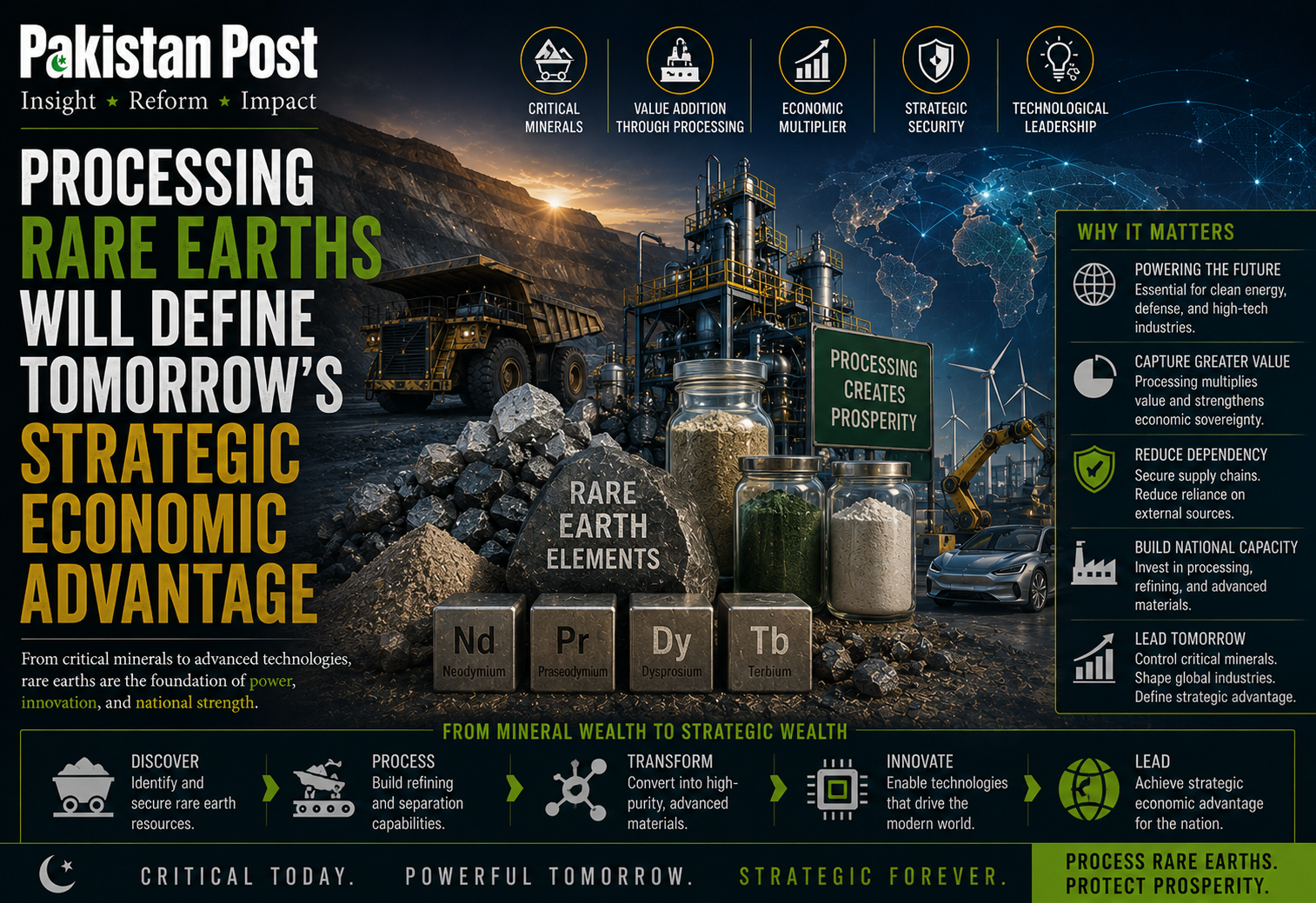
Processing Rare Earths Will Define Tomorrow’s Strategic Economic Advantage

The international contest over critical minerals is undergoing a profound transformation. For much of the past two decades, strategic debate focused overwhelmingly on the geographical distribution of mineral deposits, exploration rights, mining concessions and access to untapped reserves. Governments measured competitive advantage by
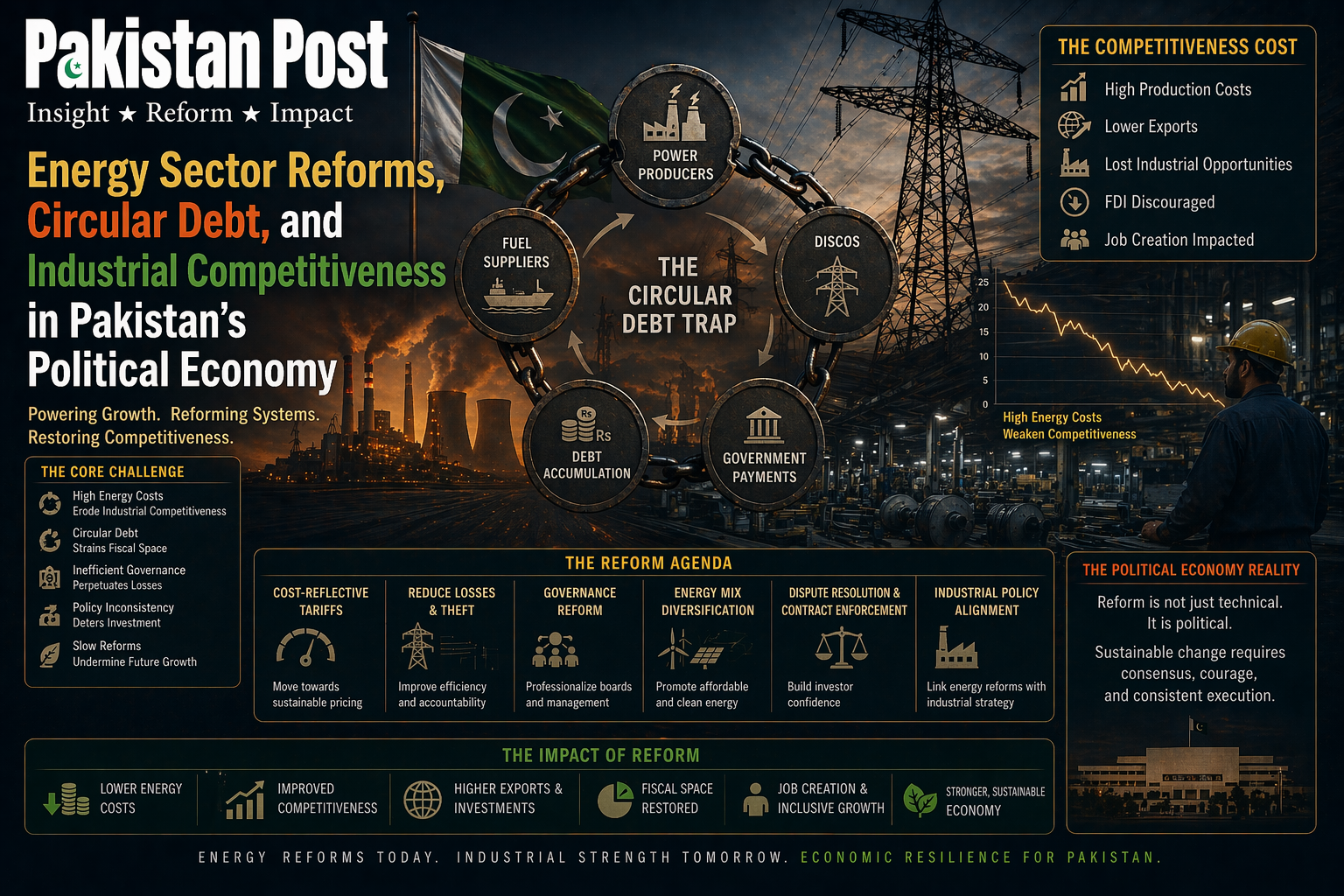
Energy Sector Reforms, Circular Debt, and Industrial Competitiveness in Pakistan’s Political Economy

Pakistan’s energy sector sits at the core of its macroeconomic instability and industrial underperformance, functioning simultaneously as a driver of fiscal stress, a constraint on export competitiveness, and a persistent source of political contestation. Over the past decade, successive governments have introduced a
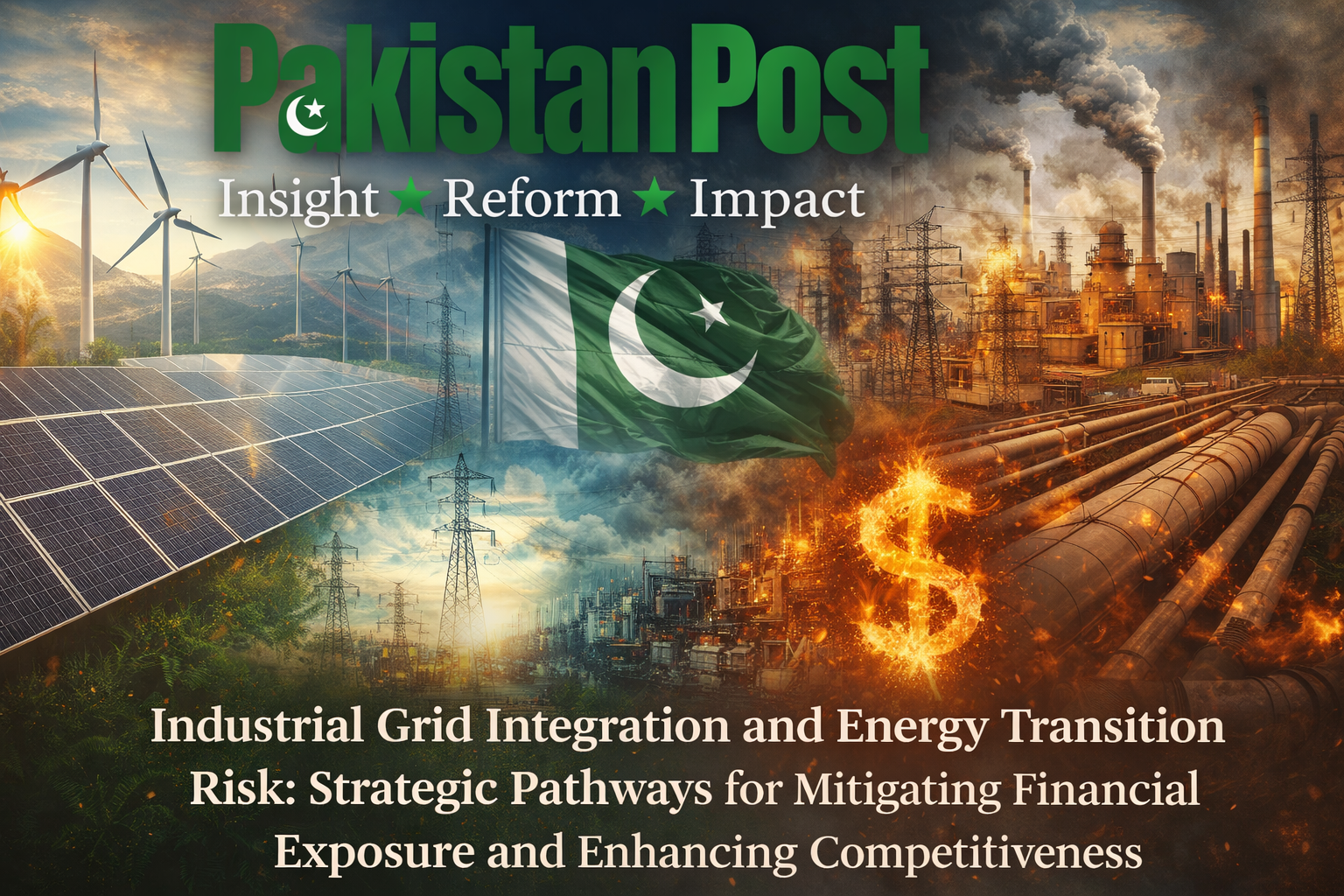
Industrial Grid Integration and Energy Transition Risk: Strategic Pathways for Mitigating Financial Exposure and Enhancing Competitiveness

The evolving dynamics of Pakistan’s industrial energy sector underscore the strategic imperatives of operational resilience, energy security, and fiscal prudence. Captive power plants (CPPs) have historically provided industries with reliable, on-site energy solutions, ensuring continuity of production and shielding critical sectors from national

Optimizing Captive Power Plant Levy Structures for Industrial Competitiveness: Balancing Fiscal Discipline and Market Efficiency
The architecture of industrial energy tariffs occupies a central position in Pakistan’s economic and fiscal ecosystem, directly influencing industrial competitiveness, export performance, and national energy security. The current framework for captive power plant (CPP) levy calculation, which predominantly relies on peak industrial tariffs,