

Pakistan Faces Strategic Choice in Artificial Intelligence Era

Artificial intelligence is no longer a peripheral technology discussion in Pakistan’s policy circles. It has become a structural question about sovereignty, state capacity, and the future of governance itself. Yet much of the national discourse still treats AI as an extension of the
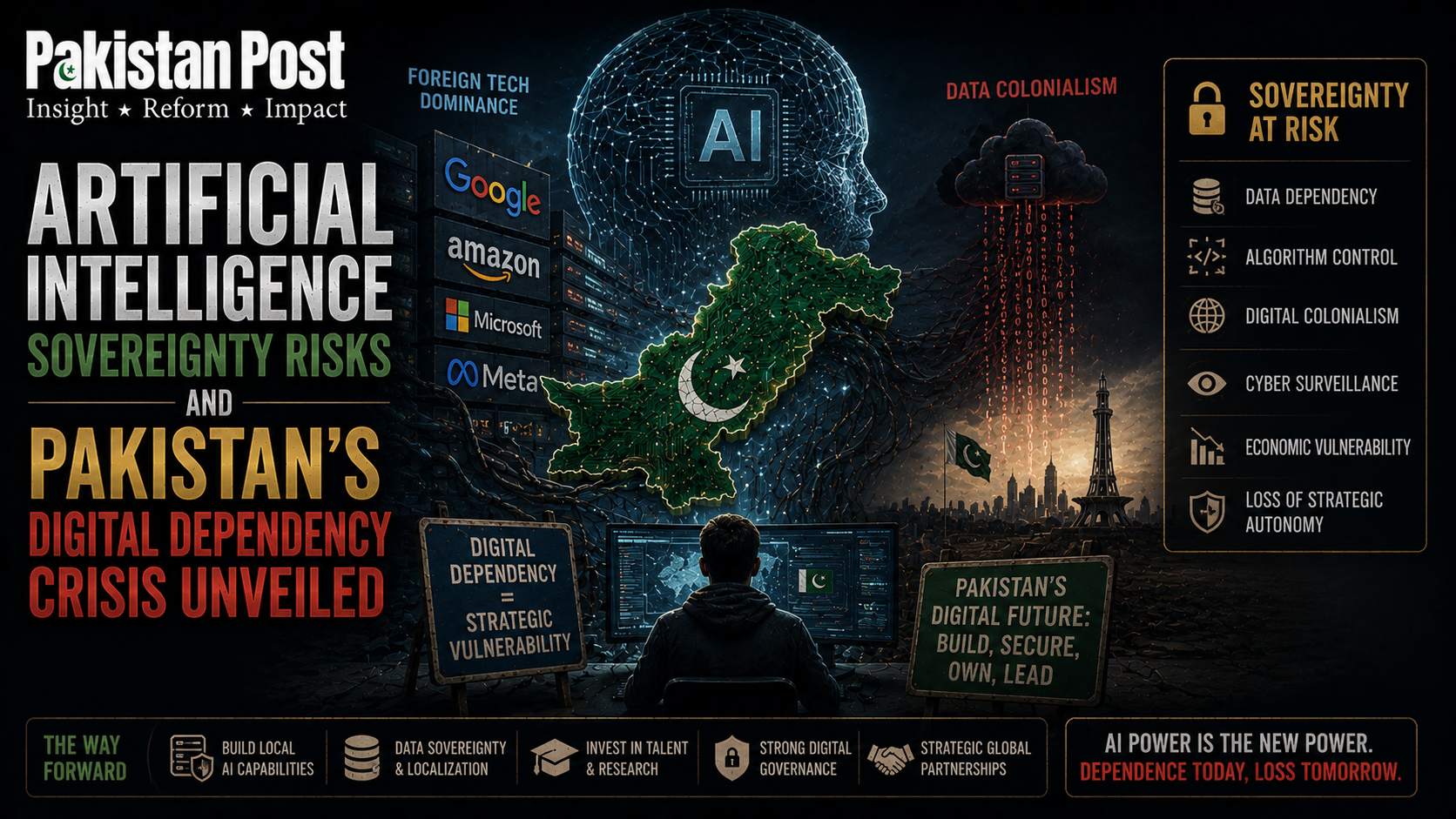
Artificial Intelligence Sovereignty Risks and Pakistan’s Digital Dependency Crisis Unveiled
Pakistan’s accelerating integration into global artificial intelligence ecosystems is no longer a peripheral technological adjustment but a structural transformation of governance cognition, institutional decision-making, and informational sovereignty. The state’s increasing reliance on foreign-developed AI systems, cloud-based inference engines, and proprietary machine learning architectures
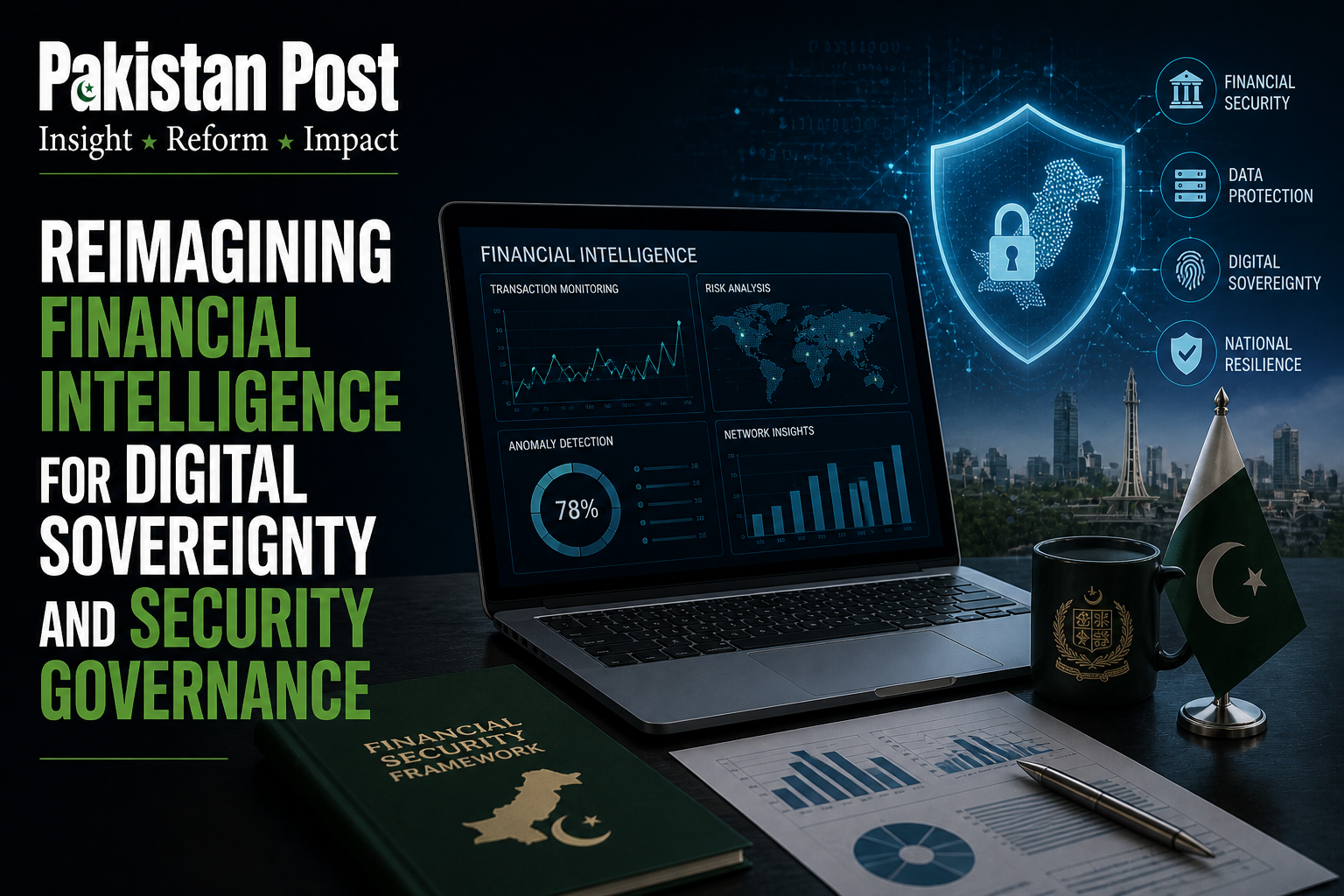
Reimagining financial intelligence for digital sovereignty and security governance

Pakistan’s financial enforcement architecture stands at a critical inflection point where the nature of crime has outpaced the capacity of the state to detect, interpret, and respond to it, and nowhere is this more evident than in the evolving mandate of the Federal

Cyber Warfare Redefining Sovereignty and Pakistan Defence Digital Architecture
Cyber warfare has moved beyond its earlier framing as an auxiliary instrument of intelligence gathering or low level disruption and has become a central arena of strategic competition among states. In the contemporary international security environment, the distinction between peace and conflict is
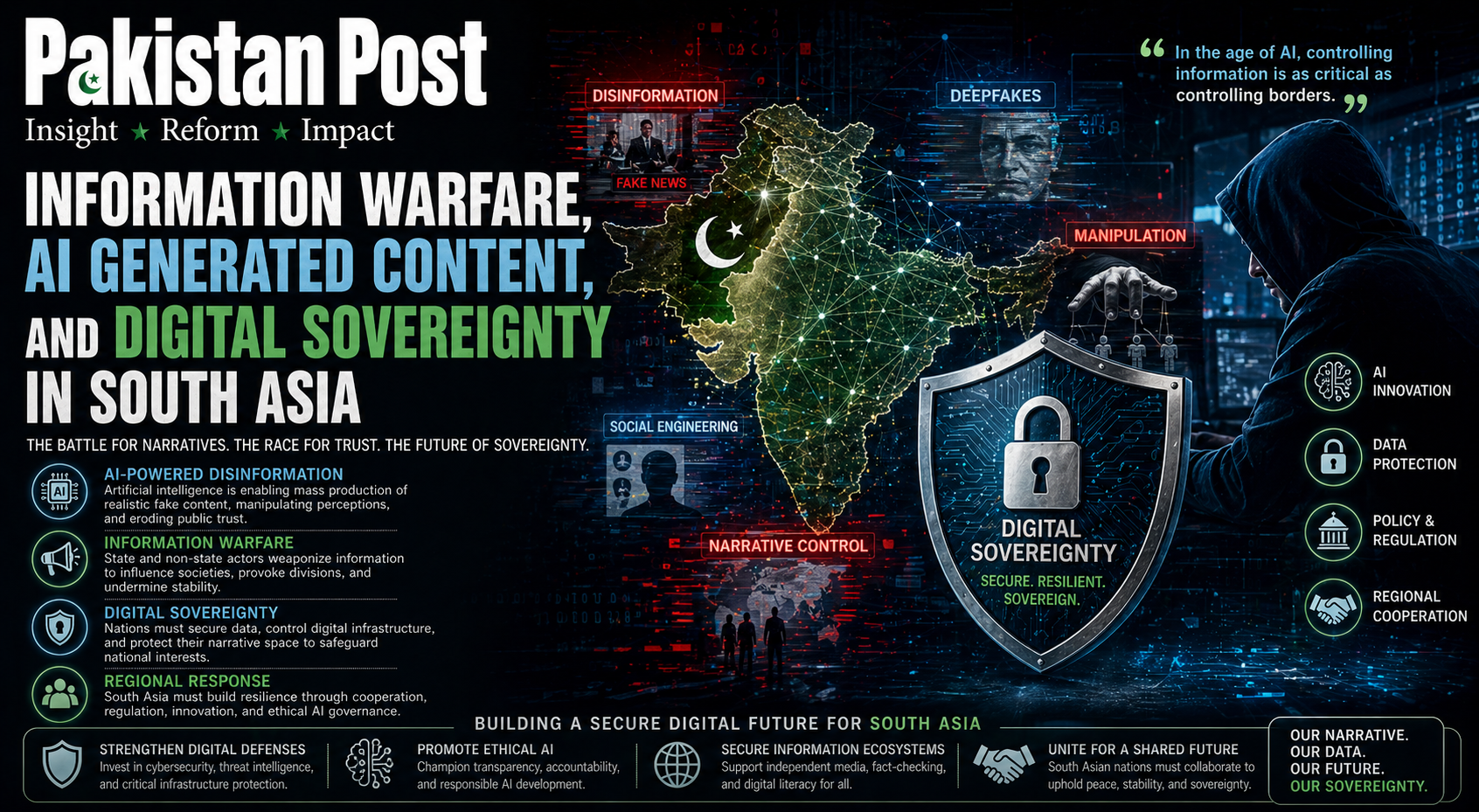
Information Warfare, AI Generated Content, and Digital Sovereignty in South Asia

The architecture of conflict in South Asia is undergoing a quiet but profound transformation. Traditional domains of military deterrence and diplomatic signaling are now increasingly intersecting with a parallel battlefield defined by information flows, algorithmic amplification, and artificial intelligence generated content. In this