
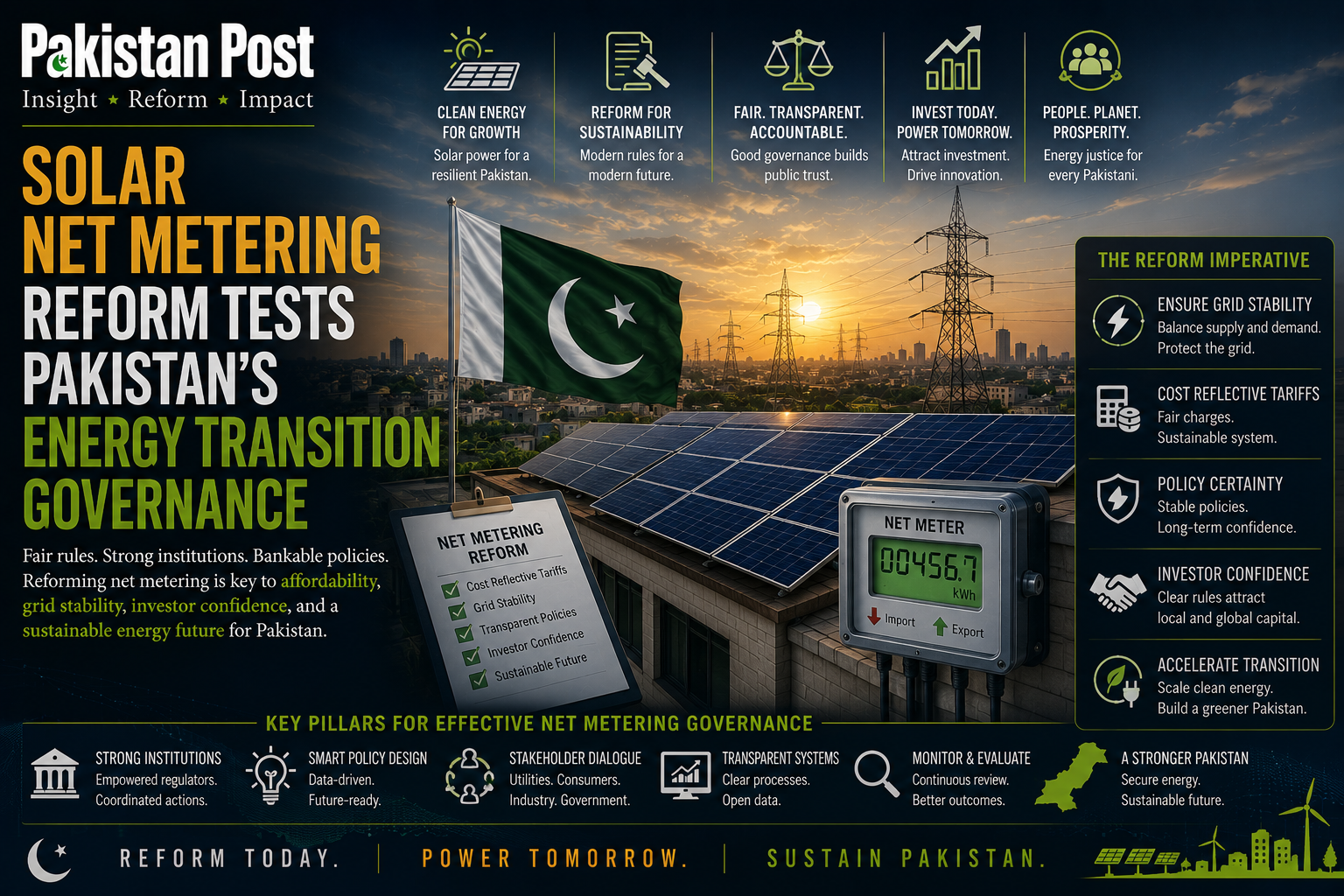
Solar Net Metering Reform Tests Pakistan’s Energy Transition Governance

Pakistan’s decision to reform its solar net metering framework has emerged as one of the country’s most consequential energy governance debates, illustrating how the transition toward cleaner electricity systems is no longer merely an environmental question but an institutional test of fiscal discipline,
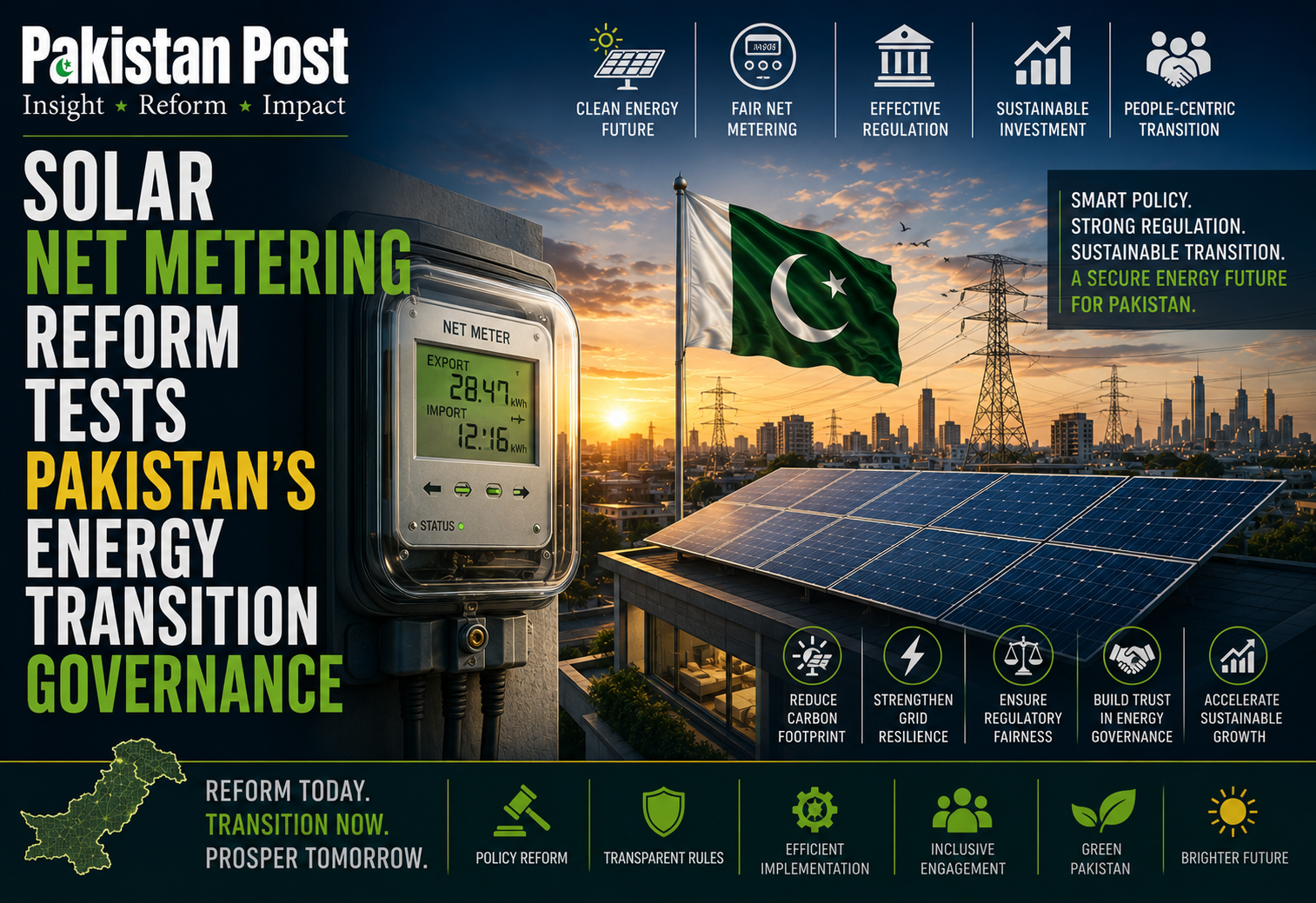
Solar Net Metering Reform Tests Pakistan’s Energy Transition Governance
Pakistan’s decision to reform its solar net metering framework has emerged as one of the country’s most consequential energy governance debates, illustrating how the transition toward cleaner electricity systems is no longer merely an environmental question but an institutional test of fiscal discipline,

Energy dependence and sovereignty dilemmas in volatile global markets today

The meaning of sovereignty is being quietly rewritten, not through grand declarations or territorial conflicts, but through the invisible yet deeply consequential circuits of energy flows, pricing mechanisms, and supply dependencies. For Pakistan, the question is no longer confined to how energy is
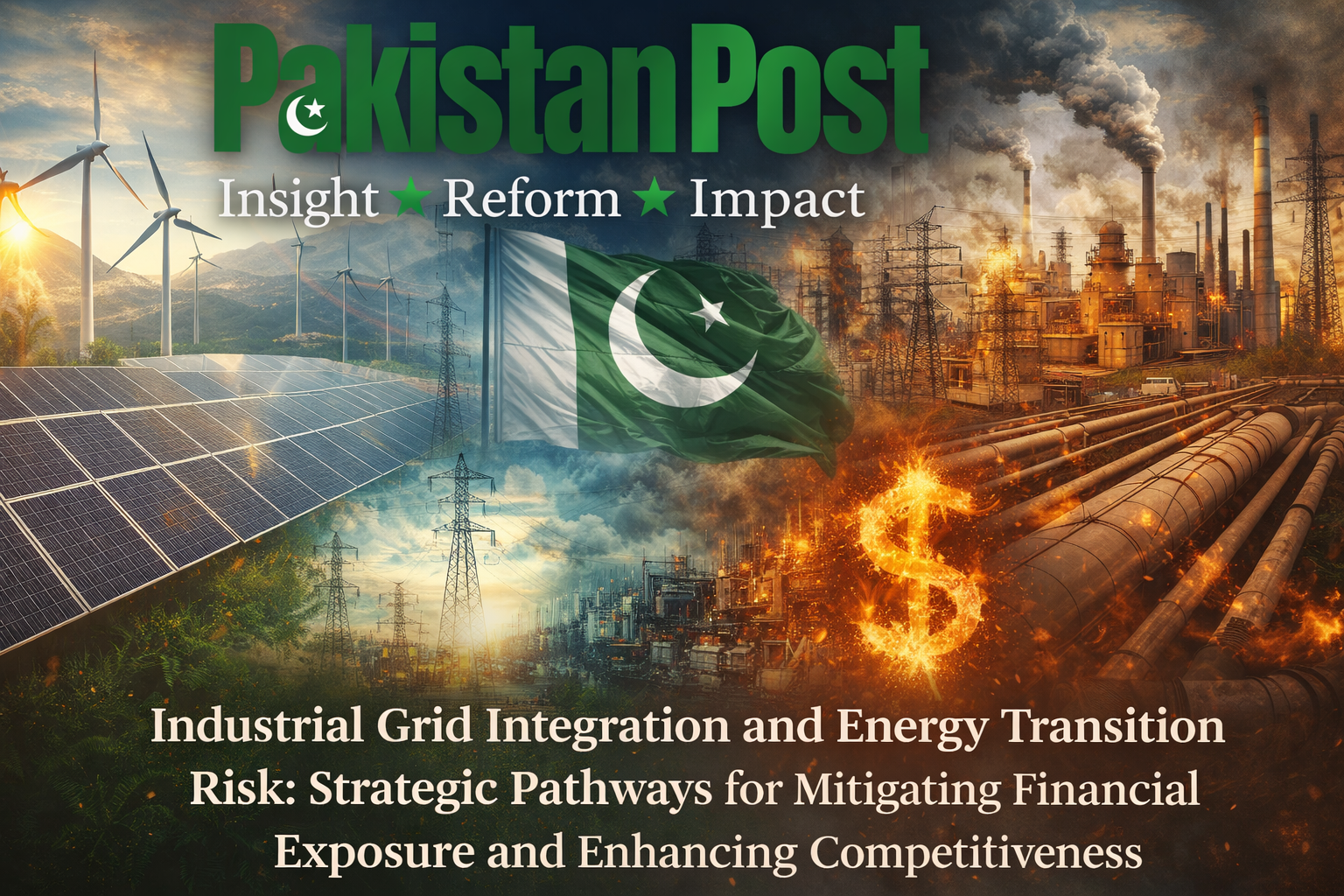
Industrial Grid Integration and Energy Transition Risk: Strategic Pathways for Mitigating Financial Exposure and Enhancing Competitiveness

The evolving dynamics of Pakistan’s industrial energy sector underscore the strategic imperatives of operational resilience, energy security, and fiscal prudence. Captive power plants (CPPs) have historically provided industries with reliable, on-site energy solutions, ensuring continuity of production and shielding critical sectors from national