

Fintech Expansion, Mobile Banking, and the Political Economy of Financial Inclusion in Pakistan

The rapid expansion of fintech ecosystems in Pakistan has emerged as one of the most visible yet uneven transformations in the country’s contemporary political economy. Mobile wallets, branchless banking networks, digital payment platforms, and instant transfer systems have redefined the mechanics of money

Digital Governance, E-ID Systems, and the Emerging Architecture of the Data State
The expansion of digital governance in Pakistan is no longer a policy experiment at the margins of the state apparatus. It has become a central organizing principle of administrative authority, fiscal management, and citizen identification. The rise of biometric identity systems, integrated databases,
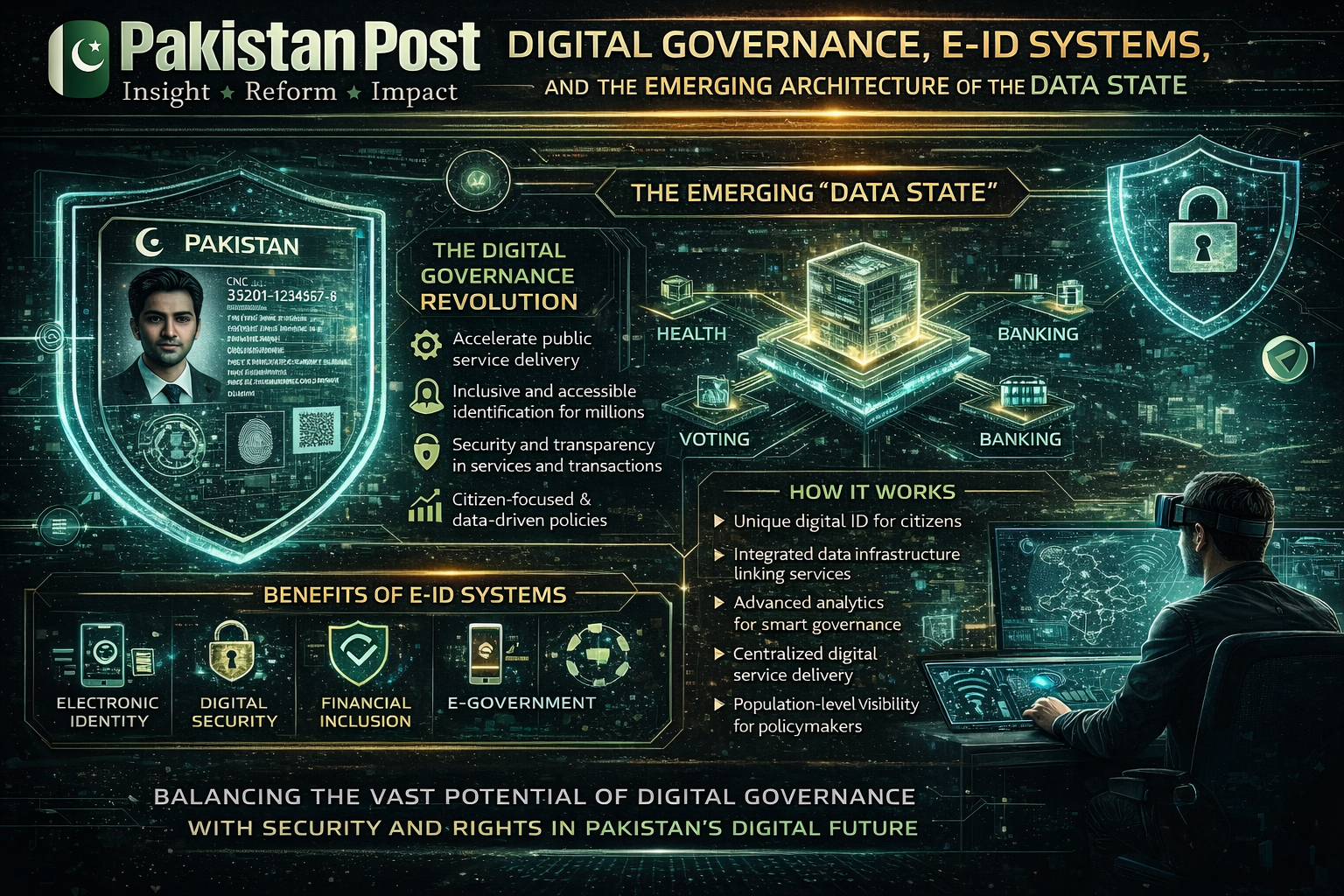
Digital Governance, E-ID Systems, and the Emerging Architecture of the Data State
The expansion of digital governance in Pakistan is no longer a policy experiment at the margins of the state apparatus. It has become a central organizing principle of administrative authority, fiscal management, and citizen identification. The rise of biometric identity systems, integrated databases,
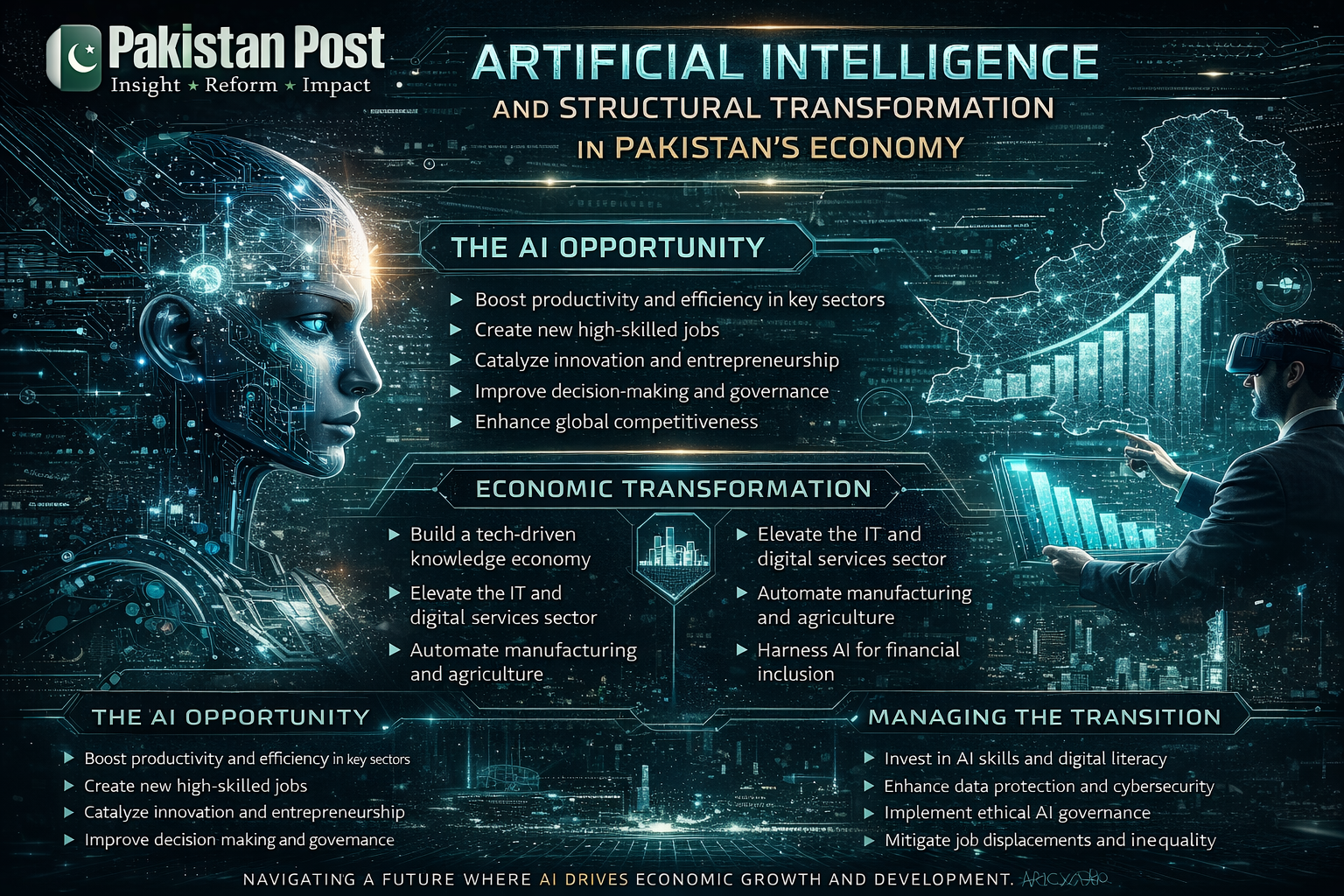
Artificial Intelligence and Structural Transformation in Pakistan’s Economy
Artificial intelligence is no longer a distant technological frontier but a consolidating force reshaping global economic hierarchies, productivity regimes, and labour markets. It is also becoming a site of strategic competition, where a small cluster of technology superpowers and platform corporations increasingly define
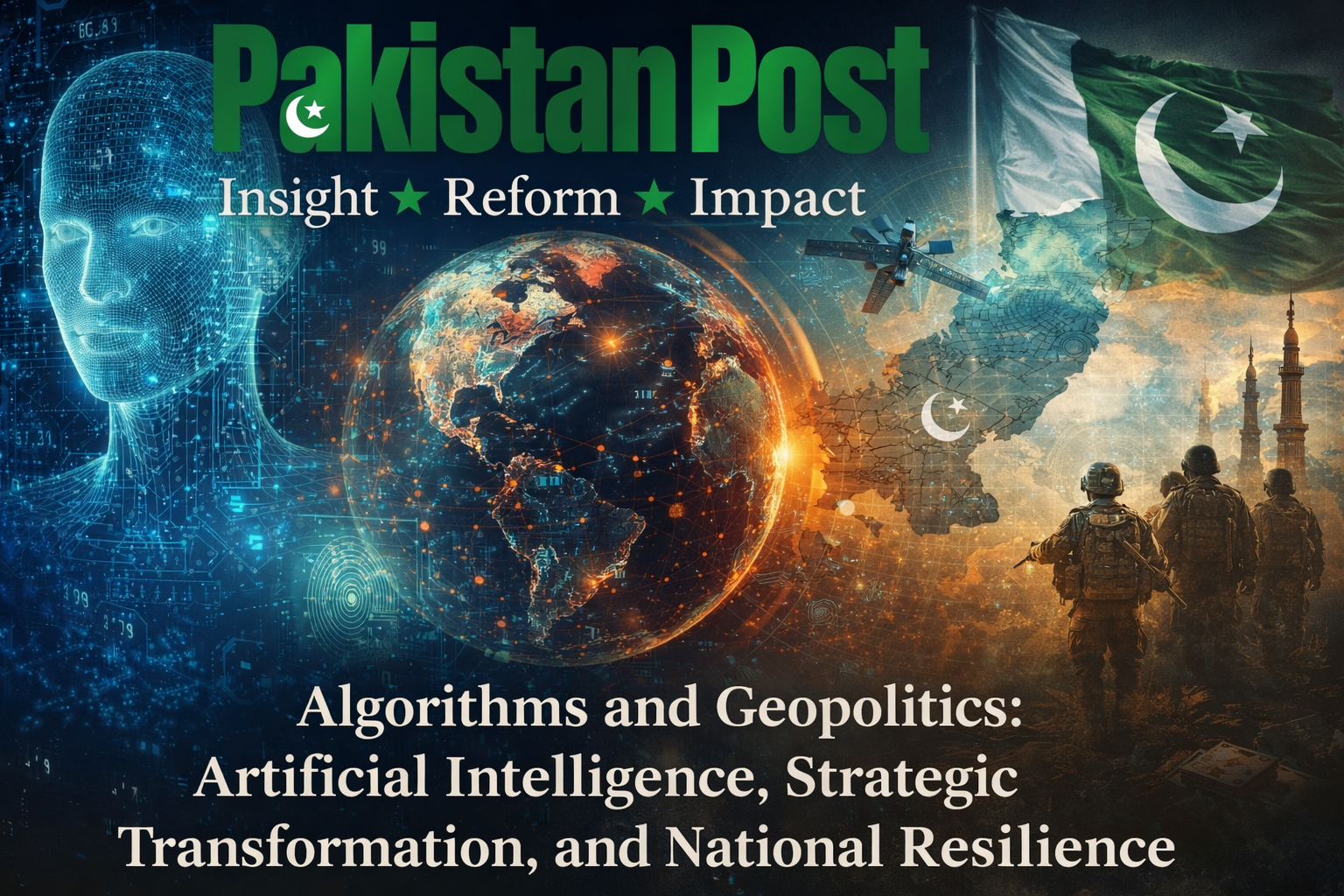
Algorithms and Geopolitics: Artificial Intelligence, Strategic Transformation, and National Resilience
In an era where geopolitics and technology increasingly intertwine, artificial intelligence has emerged as both a transformative force and a strategic asset in periods of conflict. As wars and regional crises unfold across the globe, including the intensifying Iran–Gulf tensions, the role of
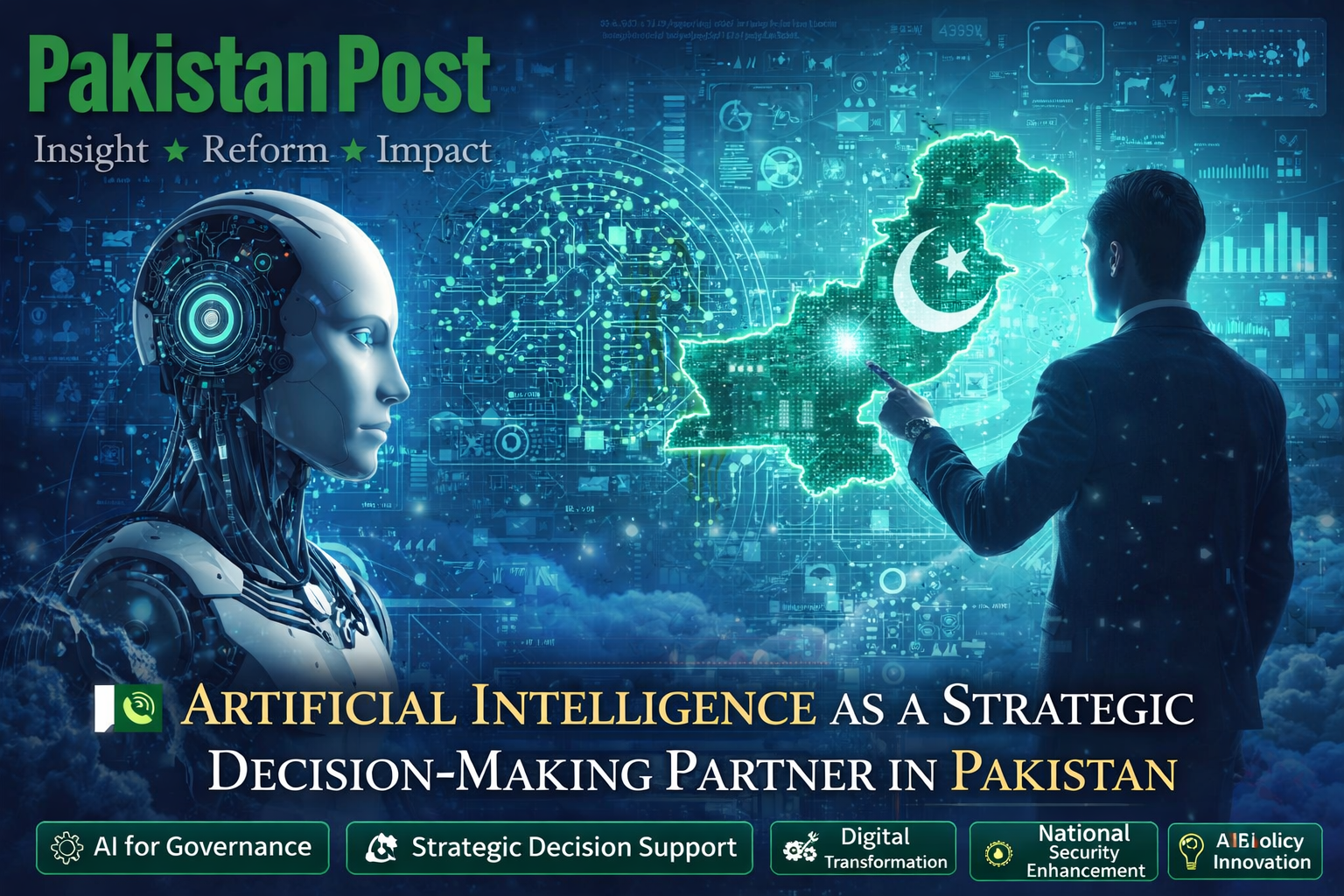
Artificial Intelligence as a Strategic Decision-Making Partner in Pakistan
Artificial Intelligence represents one of the most transformative technological forces of the twenty-first century, reshaping the way organizations, governments, and societies approach decision-making, problem-solving, and operational efficiency. Its potential in Pakistan extends far beyond simple automation or routine tasks, offering institutions the ability
Digital Identity and Financial Inclusion: Bridging the Gap Between Policy and Practice
Digital identity is foundational infrastructure in the modern world. It is not an optional technical feature or a bureaucratic convenience. It determines whether a citizen can open a bank account, receive social benefits, access credit, pay taxes, obtain healthcare services, or participate in
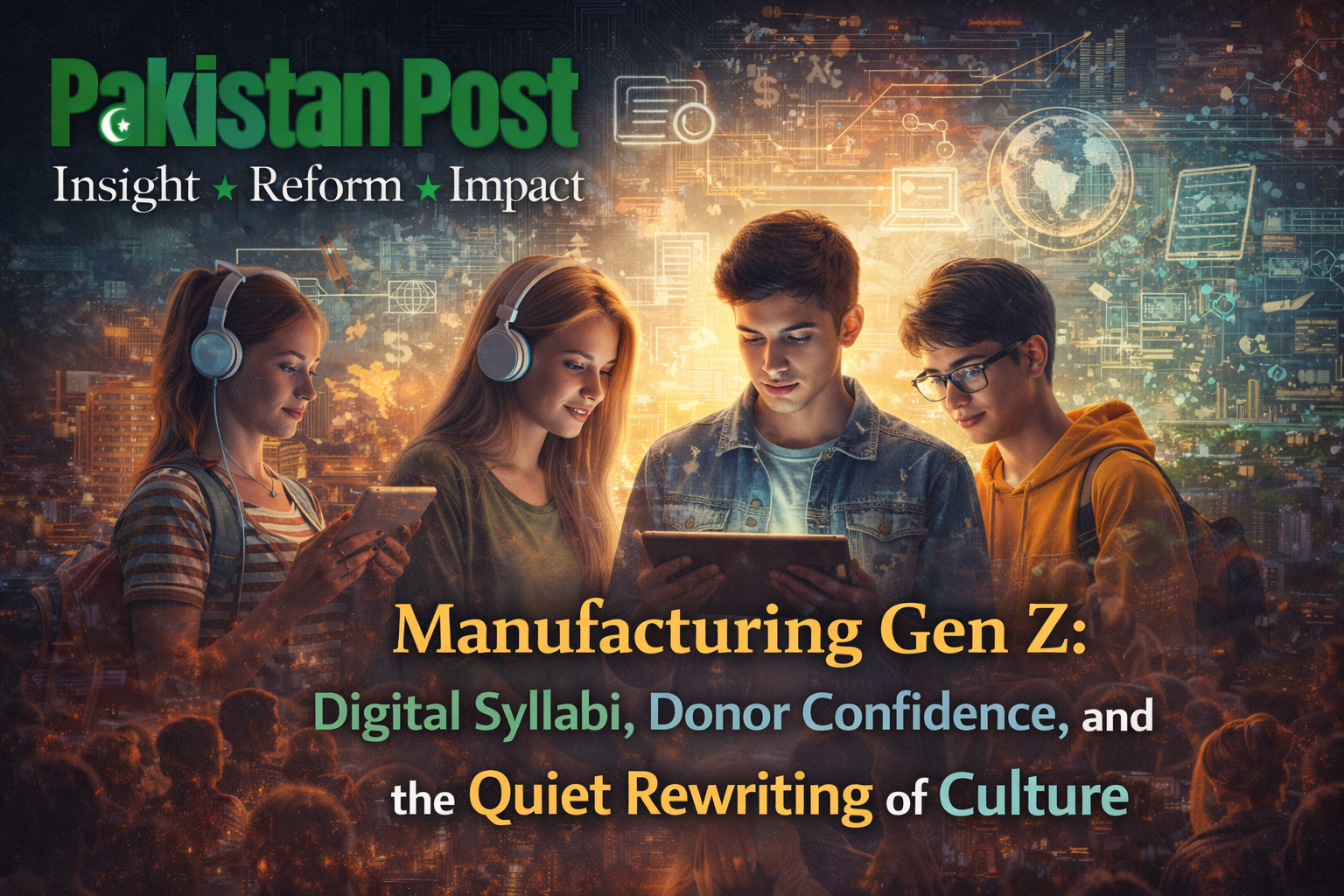
Manufacturing Gen Z: Digital Syllabi, Donor Confidence, and the Quiet Rewriting of Culture
In an era characterized by rapid technological advancement and global interconnectedness, the educational landscape is undergoing a profound transformation, one that has been labeled as “modern education.” While the promise of modernity suggests a brighter future filled with opportunities for growth and enlightenment,